
Shake Shack and Flagrant bring yuzu hot wings to Hong Kong and Macau
Shake Shack teams with Hong Kong sauce brand Flagrant for yuzu hot wings, adding BTS social content, keychain merch, and a 7-day donation.

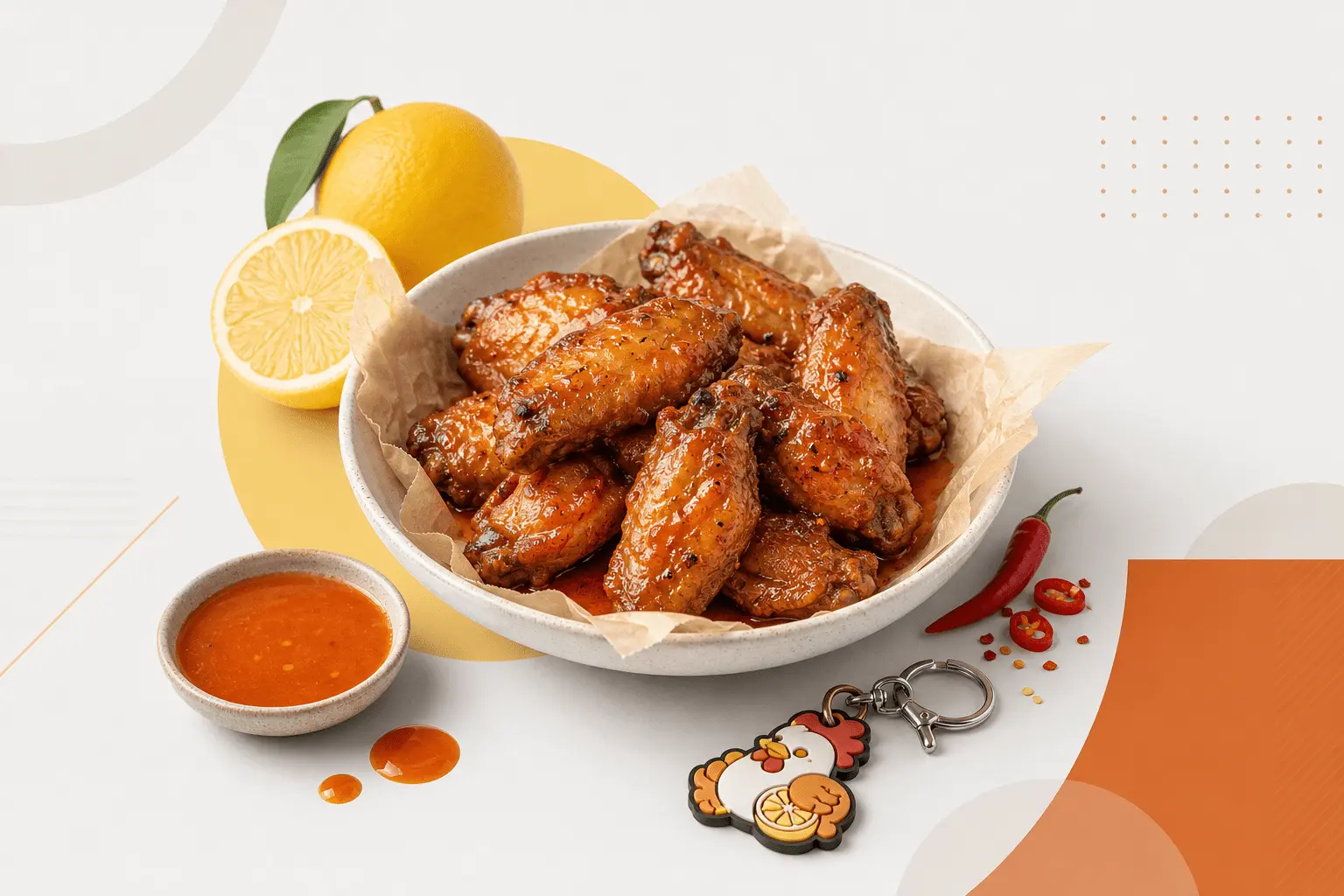
Limited drops hit differently when they feel like a city-specific flex, not a generic menu add-on. For fans of heat (and anyone who treats new sauces like collectibles), this kind of collab is about taste, status, and the small thrill of trying something you cannot get anywhere else.
Shake Shack is leaning into that energy in Hong Kong and Macau with a limited-edition Flagrant Yuzu Hot Wings release, using Hong Kong sauce brand Flagrant’s Yuzu Koji Hot Sauce (柚子米麴辣椒醬). The company outlined the details in an official announcement.
Table of contents
Jump to each section:
- What’s in the Flagrant Yuzu Hot Wings drop
- Why the local sauce partnership matters in Hong Kong
- Merch and giving back: turning a menu item into a moment
- What this means for restaurant and consumer brand marketers
What’s in the Flagrant Yuzu Hot Wings drop
The product is built around Flagrant’s Yuzu Koji Hot Sauce, described as plant-based and unpasteurised, inspired by Japanese yuzu kosho. The flavor profile is positioned as citrus-forward with mild heat, blending yuzu zest, fermented chilies, Japanese rice vinegar, and sugar.
Shake Shack is pairing that sauce with its crispy chicken wings made with antibiotic- and hormone-free poultry, framing the wings as a balance of “bright, refreshing kick” rather than extreme spice.
Why the local sauce partnership matters in Hong Kong
 ContentGrip
In a place where food culture is social and opinionated, a local brand partnership signals taste credibility. Instead of treating “localization” as a seasonal flavor swap, this kind of collaboration borrows real identity from a hometown product and makes it the hero of the item.
It also gives Shake Shack a story that travels beyond the menu board. The brand said it is running a behind-the-scenes video across its social channels showing how the collaborative product comes together, from kitchen shots to the partnership itself. Even without an embedded post, the creative direction is clear: make the making-of part of the appeal.
Merch and giving back: turning a menu item into a moment
The drop includes a small collector hook: customers can add a mini Flagrant keychain for $15 when ordering the yuzu hot wings. That is a simple way to convert “I tried it” into “I have something from it,” which matters for limited-time collaborations where memory and proof often drive repeat talk.
There is also a cause element tied to the first week. Shake Shack said 5% of net sales proceeds from every order of the Flagrant yuzu hot wings sold during the first seven days will be donated to More Good Foundation, which supports nutritious meals for vulnerable communities across Hong Kong. That timing is not accidental, it concentrates urgency into the launch window when attention is highest.
What this means for restaurant and consumer brand marketers
A limited drop works best when it gives people more than flavor. This one mixes a local partner, a behind-the-scenes narrative, a small collectible, and a time-boxed giveback.
- Local partners can act like cultural translators
A Hong Kong sauce brand is not just a supplier here, it is part of the product’s legitimacy. For marketers, the lesson is that “local” lands harder when it is a real brand people recognize, not just a regional flavor name. - Behind-the-scenes content is the new menu copy
A product page description rarely drives conversation. A kitchen-to-collab video gives people something to share that feels like access, and it extends the story past the purchase moment. - Small merch can add meaning without adding complexity
The $15 keychain add-on is a lightweight way to tap collector behavior. It turns a meal into a memento, which can be the difference between a one-time try and a repeat purchase before the window closes. - Time-boxed giving creates urgency and a reason to act now
Limiting the donation to the first seven days focuses attention and nudges early participation. It also makes the launch week feel like a shared moment, not just a product availability period.
When restaurant brands chase “newness,” the risk is novelty without attachment. Collaborations like this show how to build attachment quickly by stacking signals people already care about: local credibility, a story worth watching, something small to keep, and a launch window that feels like it matters.
It is also a reminder that the most effective limited drops are designed for how people talk about food now: in group chats, short videos, and “you have to try this” recommendations that spread because the story is as specific as the flavor.