
SignNow adds Docgen API to automate document creation before e-signature
SignNow’s Docgen API generates documents from CRM and ERP data, then routes them into signing flows, aiming to reduce errors and cycle time.

SignNow has launched a Docgen API aimed at automating how businesses generate complex documents from live system data and route them directly into eSignature workflows.
The release targets a common bottleneck in revenue and operations workflows: data may already exist in CRMs, ERPs, and billing systems, but teams still spend time copying fields, formatting templates, and coordinating approvals before a document is ready to sign.
Table of contents
Jump to each section:
- What the Docgen API does in practice
- Why document generation is becoming part of agreement workflows
- Competitive context: where SignNow sits vs DocuSign and others
- What marketers and revenue ops teams should watch
 ContentGrip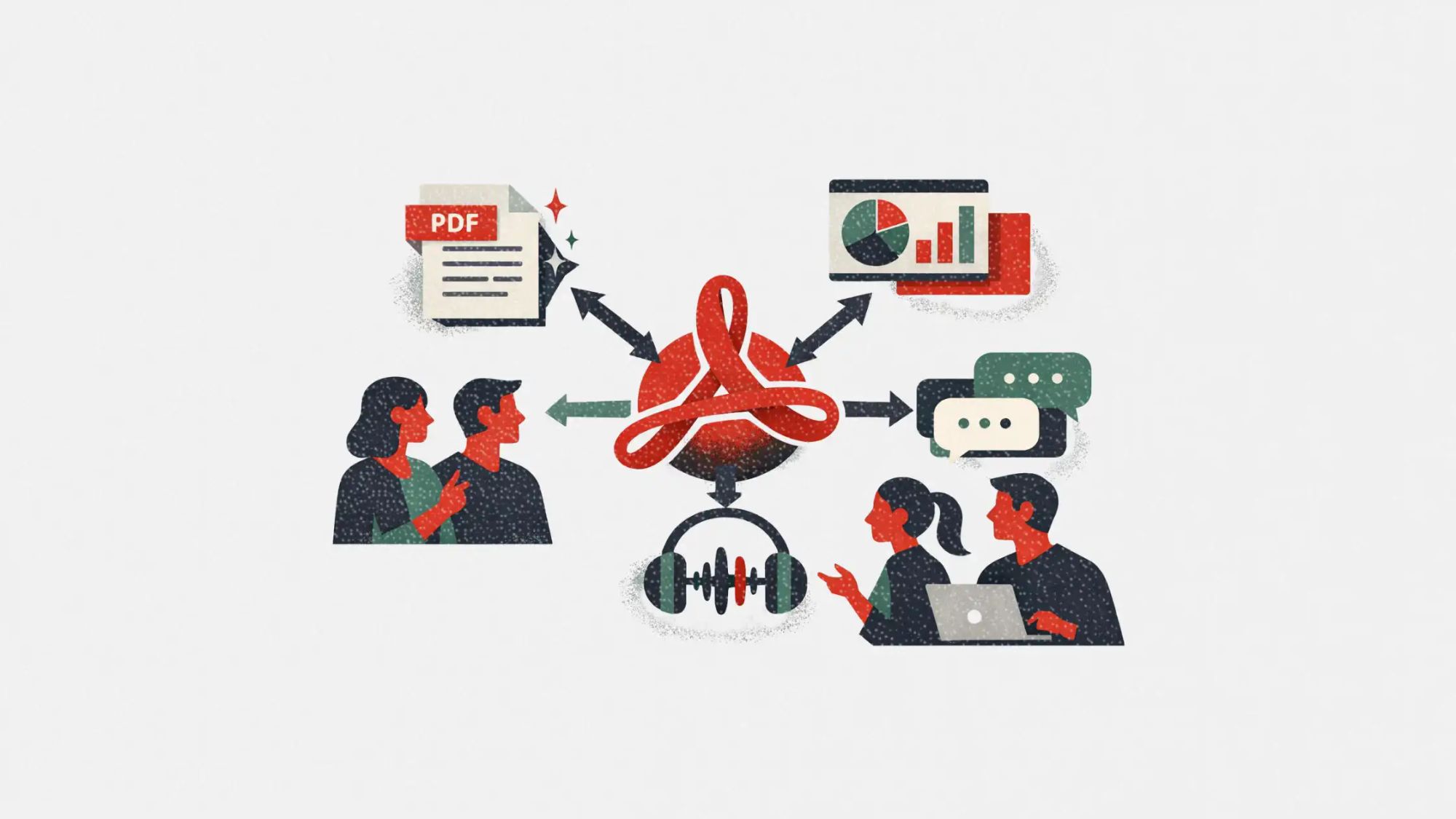
What the Docgen API does in practice
SignNow’s Docgen API is designed for developers and ISVs that need to generate contracts, quotes, and other business documents by populating templates with live data from systems of record. The key product move is that document creation is not treated as a separate pre-step. Generated documents can be routed automatically into SignNow’s eSignature flow immediately.
The company highlights use cases built around conditional logic and routing, such as:
- generating contracts when an opportunity is marked closed
- building quotes with dynamic line items based on the deal record
- inserting jurisdiction-specific clauses based on deal attributes
- escalating approvals (for example, routing high-value agreements to a CFO threshold)
For buyers, this is an attempt to reduce manual rework and errors that occur between “system data” and “signature-ready PDF,” which can slow down deal velocity and complicate compliance.
Why document generation is becoming part of agreement workflows
The Docgen API reflects a broader shift toward workflow automation that spans multiple teams, not just a signature event. In many orgs, the highest-friction part of agreements is upstream: assembling the right content, pulling the right data, and getting the right approvals.
This also fits a wider trend of marketing and sales convergence, where campaigns and lifecycle programs increasingly depend on operational readiness. For example, a product-led motion or a time-bound promotion can create bursts of contract volume. If document prep is manual, the organization’s ability to monetize demand is constrained by headcount, not by systems.
By pushing doc generation into an API layer, SignNow is also signaling that agreement infrastructure is becoming more “embedded.” Instead of users logging into a separate tool, ISVs and internal developers can incorporate agreement steps directly into vertical apps, portals, or internal systems.
Competitive context: where SignNow sits vs DocuSign and others
SignNow competes in a crowded e-signature and agreement workflow market that includes DocuSign, Adobe Acrobat Sign, Dropbox Sign, and PandaDoc. Competition typically centers on integrations, compliance coverage, administrative controls, and developer experience.
Moving into doc generation makes the positioning more direct: it is less about signature capture and more about end-to-end agreement automation. That puts pressure on how well SignNow can support complex template logic, maintainability at scale, and governance features that legal and security teams expect.
It also changes the comparison set. Buyers evaluating SignNow for signatures alone may have accepted manual or semi-manual template preparation. With docgen in scope, the benchmark becomes “how much of the agreement lifecycle can be automated reliably,” including data mapping, clause selection rules, approvals, and audit trails.
What marketers and revenue ops teams should watch
Although the Docgen API is developer-first, marketing ops, sales ops, and RevOps leaders will feel the impact if it reduces cycle time and improves throughput during high-volume periods. Key considerations:
- Data quality becomes a contract risk: automated generation is only as accurate as CRM/ERP fields and governance. Field standardization and validation matter more.
- Template ownership and change control: teams need clear processes for who edits templates, how clause libraries are maintained, and how changes are tested.
- Approval routing design: automation works best when thresholds and exception handling are explicit. Otherwise, “automated routing” becomes another source of delays.
- Build vs buy for ISVs: for software vendors embedding agreements, docgen plus e-signature reduces the need to assemble multiple vendors, but the API surface and pricing model will shape ROI.
SignNow states the Docgen API is available via its Site-License plan and as a standalone developer API, with integration requiring custom development. For most organizations, the near-term value will come from piloting a narrow set of document types (for example, standard contracts or quotes) before expanding to edge cases.