Taman Safari connects AI discovery with destination marketing
Taman Safari is aligning question-led content, customer data and developing agentic AI capabilities to connect travel discovery with booking decisions.


Taman Safari Indonesia Group is preparing for a travel journey that may begin with a creator video, continue through an AI-generated answer, and end on a booking page. The destination operator is assigning different roles to social media, artificial intelligence and its website rather than expecting one channel to carry the whole decision.
The approach reflects a practical problem for brands with varied offerings. A prospective visitor may be comparing a short urban attraction with a longer wildlife experience, checking dietary needs, or deciding which destination suits a family trip. Generic visibility does little if the information does not help that person make the next decision.
For marketers, the useful signal is not simply that Taman Safari is developing agentic AI. It is that the company is trying to connect inspiration, questions, customer context and conversion as parts of one journey.
Table of contents
Jump to each section:
- Why AI discovery changes the destination funnel
- Question-led content is becoming brand infrastructure
- Customer data has to connect the handoffs
- What marketers can learn from Taman Safari
Why AI discovery changes the destination funnel
Taman Safari sees social platforms as demand creators. Wildlife footage, creator content and visitor participation can make someone curious before that person has formed a precise travel query. AI has a different role: helping a prospective visitor compare possibilities and find answers. The website remains the place where interest can become a booking.
That division is strategically useful because it recognizes that channels do not need to perform the same job. Social content can create an emotional reason to consider a destination. An AI interface can organize practical information around the user's circumstances. An owned site can then provide authoritative details and a transaction path.
A coherent journey is not the same thing as a single-channel journey.
The common assumption is that AI discovery weakens the website because fewer customers will begin there. The contrasting reality is that an owned site can become more important as the source of accurate information and the place where a recommendation is verified. The strategic implication is that marketers should stop measuring every channel against the same traffic objective and define the decision each one is best equipped to support.
Taman Safari's destination portfolio makes that distinction tangible. Jakarta Aquarium offers a different commitment from a larger wildlife park, while Marine Safari Bali serves a different interest again. An AI-generated answer can help sort those options, but only if the underlying information expresses their differences clearly.
 Lena Marlowe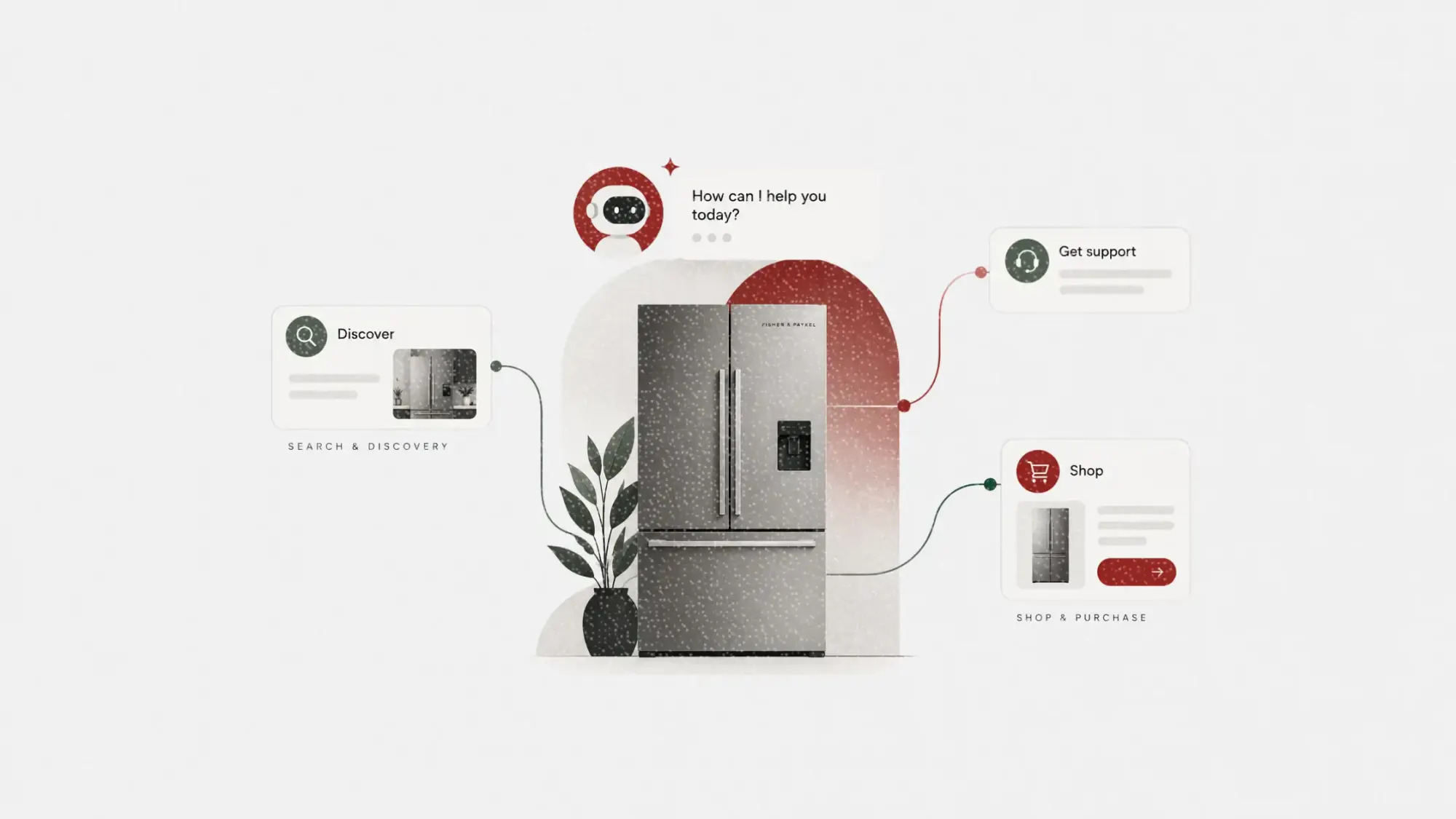
Question-led content is becoming brand infrastructure
Taman Safari is focusing on updated information, frequently asked questions and content built around the concerns prospective visitors actually raise. That is a modest-sounding content choice with wider consequences. AI systems need clear source material if they are going to represent a destination accurately before the customer reaches an owned channel.
Varuna, the group's underwater theatrical and dining experience in Bali, shows what this looks like in practice. Conversations with Indian travelers surfaced the importance of dietary information and other practical considerations. Those questions may not fit a conventional campaign message, but they can determine whether interest becomes confidence.
The most valuable content may be the answer that removes hesitation, not the message that creates attention.
This changes the relationship between marketing content and operational truth. Opening details, experience formats, accessibility information, dining options and audience suitability cannot be treated as low-level service copy if they shape AI recommendations and customer decisions. They become part of how the brand is discovered.
Visitor-created content adds another layer. Taman Safari's animal photography and videography competition encourages participants to carry wildlife stories into their own networks. That activity can broaden discovery beyond the company's channels, but it also means the brand's digital presence is formed through a mixture of official information and public participation.
The task is not to control every conversation. It is to make the authoritative facts clear enough that conversation can lead somewhere useful.
Customer data has to connect the handoffs
Taman Safari is working with partners to consolidate information from its website, online travel agencies and social commerce platforms into customer profiles. It is also developing agentic AI capabilities that could help returning customers continue a journey based on earlier conversations.
That combination matters because discovery becomes less valuable when every interaction starts from zero. A visitor who has already explored a destination, asked about dining needs or compared experiences should not have to rebuild that context at each touchpoint. Connected data can make the next interaction more relevant, whether it happens through an assistant, a commerce platform or an owned property.
Continuity is the product that sits underneath personalization.
There is also a measurement challenge. A creator video may generate curiosity, an AI answer may narrow the options, and the website may record the final booking. Giving all the credit to the last visible step would obscure the earlier influence, while assigning value to every interaction without clear rules would overstate performance.
The more interesting question is not whether AI can add another touchpoint. It is whether the organization can connect that touchpoint to a meaningful customer decision. Taman Safari's developing system suggests a move toward journey-level measurement, but the source does not provide performance results. Marketers should therefore read the initiative as an operating direction rather than proof of commercial impact.
What marketers can learn from Taman Safari
Taman Safari's approach offers a grounded way to think about AI discovery. The technology matters, but its usefulness depends on the information, channel design and customer context around it.
Give each channel a decision role. Social media can create desire, AI can help people compare and clarify, and an owned site can verify details and convert demand. Clear roles make cross-channel performance easier to interpret.
Build content from customer hesitation. The Varuna example shows why dietary needs and practical questions can matter more than another broad destination claim. Useful answers reduce uncertainty at the point where interest could otherwise stall.
Treat current information as discoverability infrastructure. Frequently asked questions and destination details are inputs to both human research and machine-generated answers. Accuracy is therefore part of marketing performance, not only a service responsibility.
Design continuity before personalization. Customer profiles and returning conversations create value when they preserve relevant context. Personalization without continuity can still force people through a fragmented journey.
The wider change is that destination marketing is becoming less dependent on a neat sequence from advertisement to website to booking. Consumers can enter through social content, ask an AI system to compare options, consult a marketplace and return through a different channel.
That makes the brand's job both broader and more precise. It has to inspire across many surfaces while maintaining enough factual clarity for those surfaces to support the same decision.
AI does not remove the funnel. It exposes how many handoffs the funnel was hiding.
For marketing teams, the advantage will come from making those handoffs coherent. The best answer in an AI interface is only valuable when it is grounded in current information, connected to customer context and followed by a credible next step.