
Katt Williams fronts TextNow’s “Way Too Smart To Pay Dumb” campaign
TextNow’s new campaign with Katt Williams targets contracts and hidden fees, positioning control and simplicity as the real product message.


TextNow is tapping into a very specific kind of consumer mood right now: people are tired of feeling played by fine print, surprise fees, and “gotcha” systems that make basic services feel like a trap.
That frustration is especially loud when it comes to phone bills, where contracts, hidden fees, and locked-in plans can leave people feeling like they are paying for complexity, not connection. TextNow’s latest brand push leans into that emotion first, then turns it into a clear provocation.
The company shared the campaign details in an official announcement tied to a national-stage creative push with Burrell Communications Group, built around comedian and entrepreneur Katt Williams.
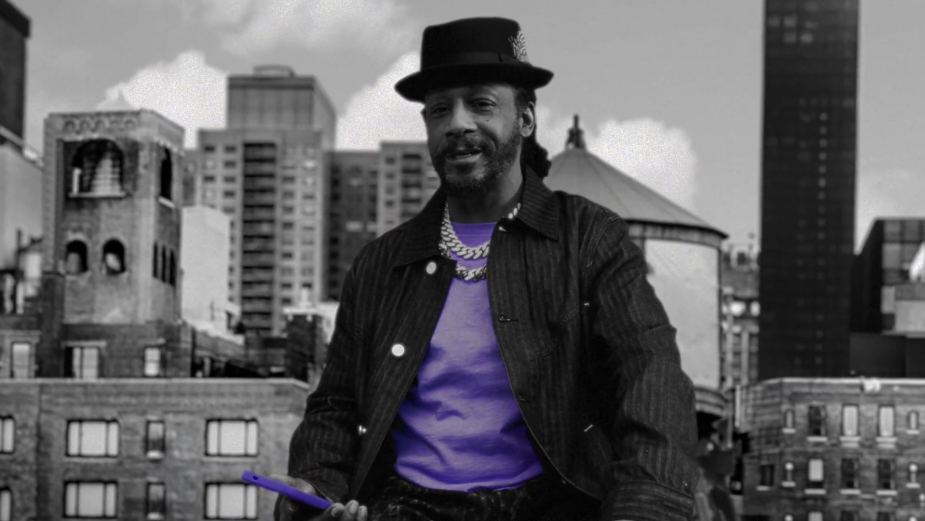
Table of contents
Jump to each section:
- Why Katt Williams fits this moment
- What the campaign is actually saying about wireless
- How “Exposin Fools” is built to cut through
- What this means for marketers
Why Katt Williams fits this moment
Katt Williams is not being used as a safe celebrity endorsement. He is being used as a tone-setter: a loud, truth-telling trash-talker whose persona is built on calling out what he sees as nonsense.
TextNow’s CEO Derek Ting frames the partnership around independence and self-determination, positioning Katt as someone who built his career “his own way and on his own terms.” That is the emotional bridge to the product message: if you do not let people set the terms of your work or money, why let them set the terms of your phone plan.
It is also a messaging choice that assumes audiences are fluent in personality-led credibility. The campaign is betting that people do not need a technical breakdown first, they need someone they believe when he says: “we ain’t paying for stupid.”
 ContentGrip
What the campaign is actually saying about wireless
The campaign line, “Way Too Smart To Pay Dumb,” is less about price in isolation and more about refusing to participate in a system that feels intentionally confusing.
TextNow’s story positions traditional wireless as “foolishness,” calling out confusing contracts, hidden fees, and locked-in plans. The company’s counter-positioning is control: a “smarter option” that challenges the assumption you must accept complexity to stay connected.
There is also a subtle identity layer in the copy. Katt describes TextNow as for people who “aim to be the boss in every aspect of their lives,” turning a phone plan into a small but symbolic arena where autonomy matters. That framing is designed to resonate with audiences who see billing transparency as respect, not a feature.
How “Exposin Fools” is built to cut through
The hero film, “Exposin Fools,” was produced in-house by Burrell Studios and directed by Cam Busby. Creatively, it leans into stark black-and-white visuals accented with TextNow purple, with Katt “shouting from the rooftops” to amplify the call-out energy.
Music choice is part of the meaning here, not just background. The spot is soundtracked by Nipsey Hussle’s “U See Us,” a track tied to self-determination, reinforcing the campaign’s core emotional claim: staying connected should not mean giving up control.
This is a classic “clarity through confrontation” approach. Instead of patiently explaining plan differences, the creative dramatizes the feeling of being overcharged or locked in, then offers the brand as the obvious alternative for people who are done negotiating with a system.
What this means for marketers
Campaigns like this work because they start with a shared irritation, then give people a voice for it.
- Build around a feeling people already have
“Hidden fees” is not just a rational complaint. It is a social feeling: being tricked. TextNow’s creative is built to validate that emotion before it tries to persuade.
- Use talent for tone, not just reach
Katt Williams is carrying the campaign’s posture: unfiltered, confrontational, and confident. That is harder to fake with generic celebrity casting.
- Let design do what explainer copy cannot
The black-and-white look with a single brand color is a fast visual signal for “truth vs noise.” It helps the spot feel like a call-out, not a feature dump.
- Tie brand positioning to identity, carefully
“Be the boss” language can land because wireless plans are a recurring monthly reminder of who has power in the relationship. When a category feels predatory, identity positioning can make product choice feel like self-respect.
- Make the enemy specific, but keep the promise simple
The spot targets confusing contracts and fees, but the promise is easy to remember: do not pay dumb. In categories where people expect complexity, simplicity is often the most disruptive-seeming message.
The broader signal is that consumers increasingly treat pricing opacity as cultural disrespect, not just bad customer experience. When audiences feel that way, brand messaging that names the problem directly can travel further than “save money” claims, because it gives people language for what they have been annoyed about all along.