Why shoppers are going broke for Labubu, LEGO, and viral holiday gifts
A new study shows how hype culture is leading holiday shoppers into debt. Here's what marketers should know.

Labubu plush toys. Limited-edition LEGO. Squishmallows, Stanley cups, and Pokémon cards. These aren't just trendy gift items; they’re economic triggers, driving a new wave of emotional overspending this holiday season.
According to a new survey by CouponFollow, the social pressure to own 2025’s "it" item is leading 1 in 10 Americans to rack up over US$1,000 in debt. Many are paying more than retail, buying on impulse, and regretting the splurge later, especially Gen Z shoppers.
This article explores the findings from CouponFollow’s survey of 1,000 U.S. consumers and unpacks what it means for marketers navigating the collision of holiday retail and hype culture.
Short on time?
Here’s a table of contents for quick access:
- What the data says: key stats behind hype-driven spending
- Why Labubu toys are topping 2025’s most overhyped list
- How emotions and social media are fueling impulse buys
- What marketers should know about the new psychology of shopping
 Patrecia Meliana
Key stats behind hype-driven spending
The financial toll of trend-chasing is real. Among the 1,000 U.S. shoppers surveyed:
- 1 in 10 reported going into over US$1,000 in debt to afford viral holiday gifts
- 47% said they paid above retail price for in-demand items, with 10% paying 75% or more over MSRP
- 42% regret their purchases, rising to 52% among Gen Z
- 29% used credit cards, and 15% dipped into savings to secure popular products
Labubu, a wide-eyed collectible plush toy, stood out as the poster child of overhyped gift trends, alongside Squishmallows, limited-edition sneakers, and Stanley cups.
The driving force? Social media clout, limited drops, and the fear of missing out.
 Patrecia Meliana
Why Labubu toys are topping 2025's most overhyped list
Labubu toys are seeing massive interest, especially among Gen Z and millennial buyers. According to the study:
- 33% of Americans have already bought or are considering buying a Labubu plush toy
- Gen Z leads the charge, with 46% expressing interest, followed by 38% of millennials
- The average price consumers are willing to spend per plush is US$85, and 1 in 5 would go up to US$100
Collectors prefer rare, collab-based, or rainbow designs. A notable 14% admitted to buying fake "Lafufu" knockoffs, highlighting the strength of brand mimicry in this segment.
And Labubu isn't alone. Other top collectibles include:
- LEGO sets (34%)
- Sneakers/streetwear (30%)
- Pokémon/trading cards (29%)
- Squishmallows (23%)
- Tech gadgets (27%)
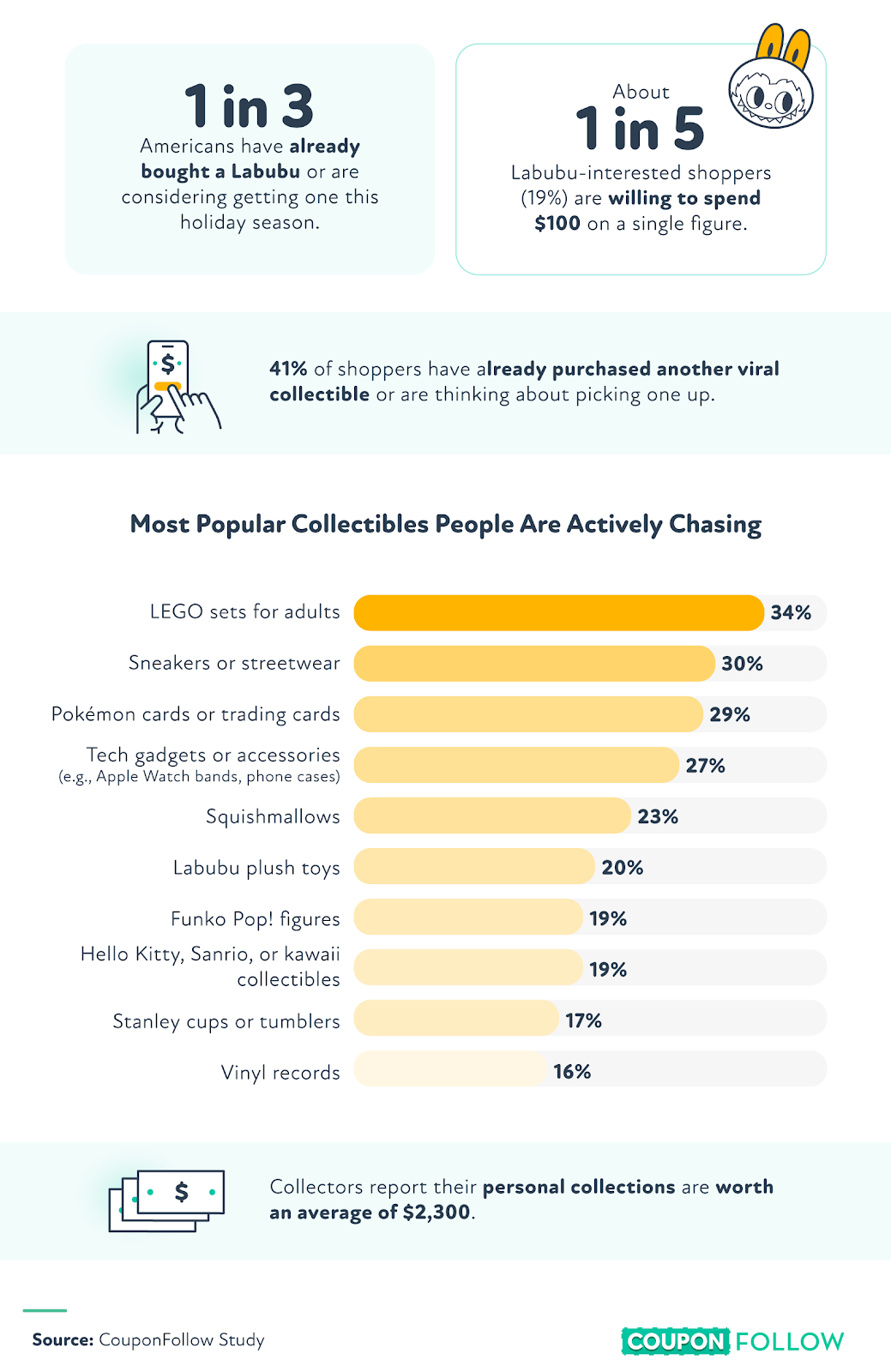
The average value of a personal collectible collection is US$2,300, with Funko Pop! and vinyl records topping out near US$3,800.
 Patrecia Meliana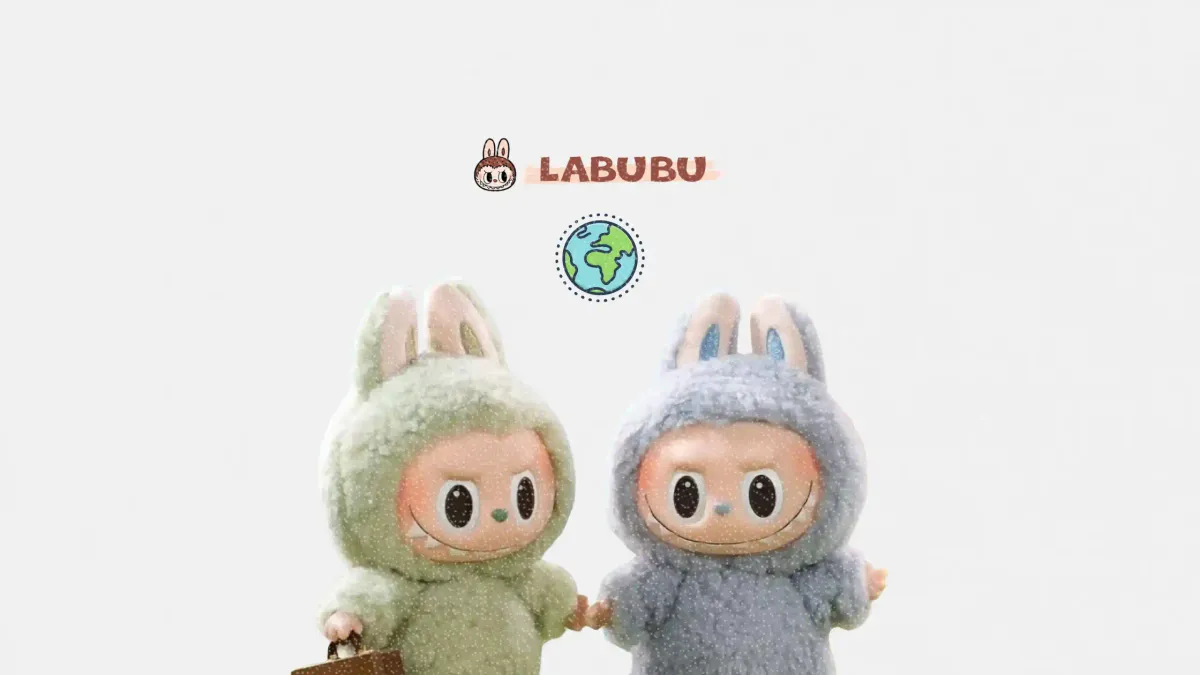
How emotions and social media are fueling impulse buys
The survey makes it clear: it’s not just about the product. It’s about status, emotion, and perceived belonging.
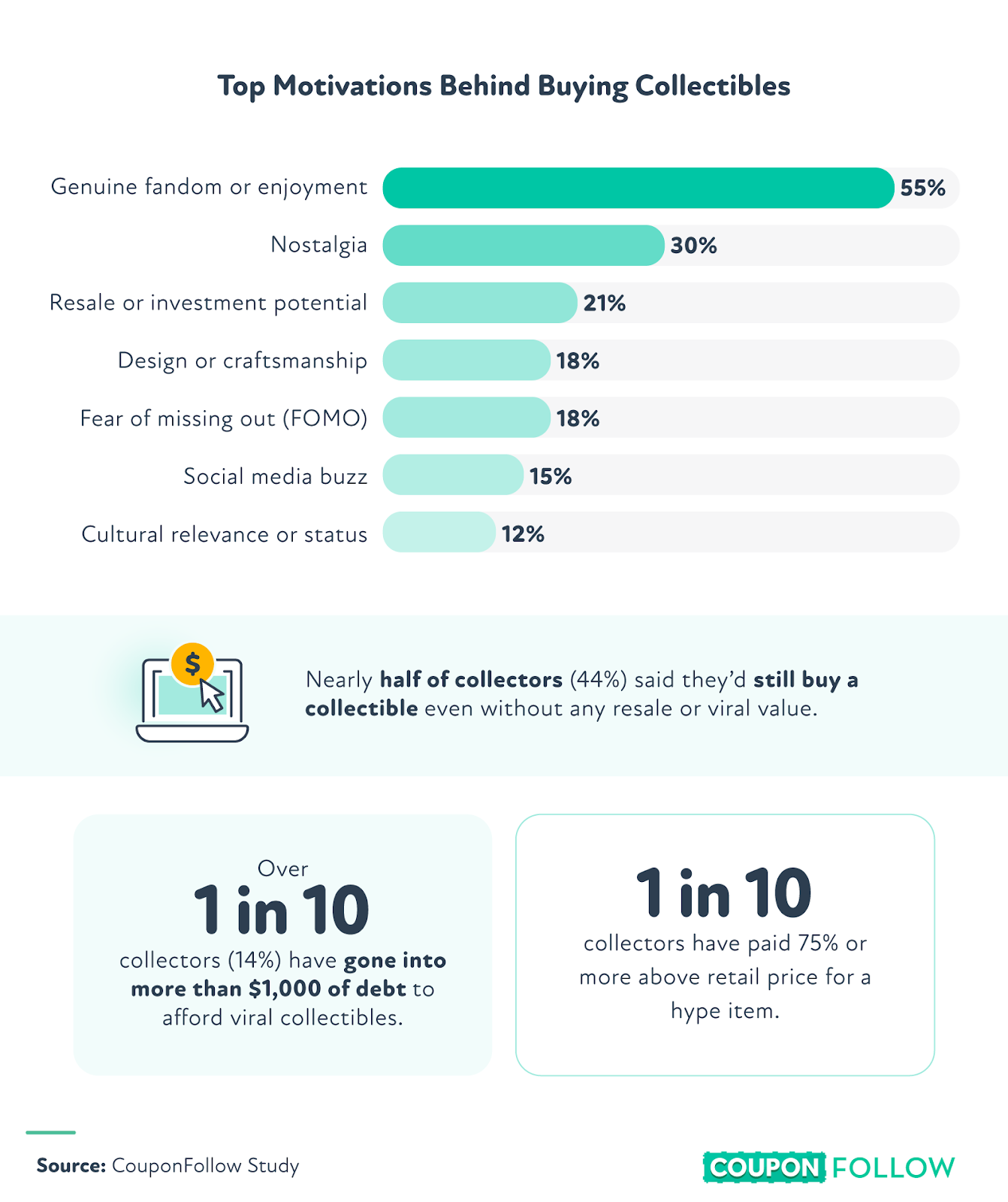
- 66% of respondents said they feel excited when buying trending collectibles
- 30% described the experience as competitive, and 21% as a source of pride
- 44% would still buy the item even if it had no resale or viral value
- 42% also said they regret at least one hype-fueled purchase
Social media, particularly TikTok and influencer content, is the biggest driver of these trends. Nearly 60% of Americans said they felt pressure to buy the hot item of the year, with Gen Z (71%) and millennials (67%) more susceptible than older generations.
 Patrecia Meliana
What marketers should know
This year’s holiday season confirms what many brands already suspect: the emotional economy is rewriting the rules of retail. Here’s what marketers should consider:
1. Hype means engagement, but also backlash
Scarcity and virality can drive massive attention, but they also set up consumer expectations for exclusivity and value. If the product underdelivers, so does the brand experience.
Tip: Use hype as a hook, but ensure the product has standalone quality. Consumers are becoming more vocal about regret and manipulation.
2. Gen Z's spending is emotion-first
Gen Z is spending the most and regretting the most. This generation is more emotionally invested in purchases and more likely to chase clout.
Tip: Build campaigns around emotional storytelling and community, not just exclusivity.
3. Price elasticity is real, but finite
With nearly half of consumers paying above MSRP, price sensitivity seems flexible, but it's driven by emotion, not logic.
Tip: Consider bundling, limited drops, or experiential add-ons to justify higher price points and create lasting value.
4. Collectibles are cultural capital
From Funko Pops to Labubu, collectibles have become social signals. Brands that enter this space need to respect the collector community and avoid over-commercialization.
Tip: Collaborate with niche creators or artists to maintain authenticity when launching branded collectibles.
This holiday season, viral gift trends are exposing a deeper truth: shopping behavior is increasingly dictated by emotion, status signaling, and platform-driven hype. For marketers, it’s no longer just about meeting demand. It’s about understanding the emotional context behind it.
Smart brands will adapt by balancing exclusivity with value, tapping into nostalgia and cultural relevance, and always keeping a finger on the pulse of emerging online communities.