The Washington Post pulls back from tech coverage as industry power peaks
Inside the layoffs that stripped Silicon Valley reporting from Bezos’ own newsroom

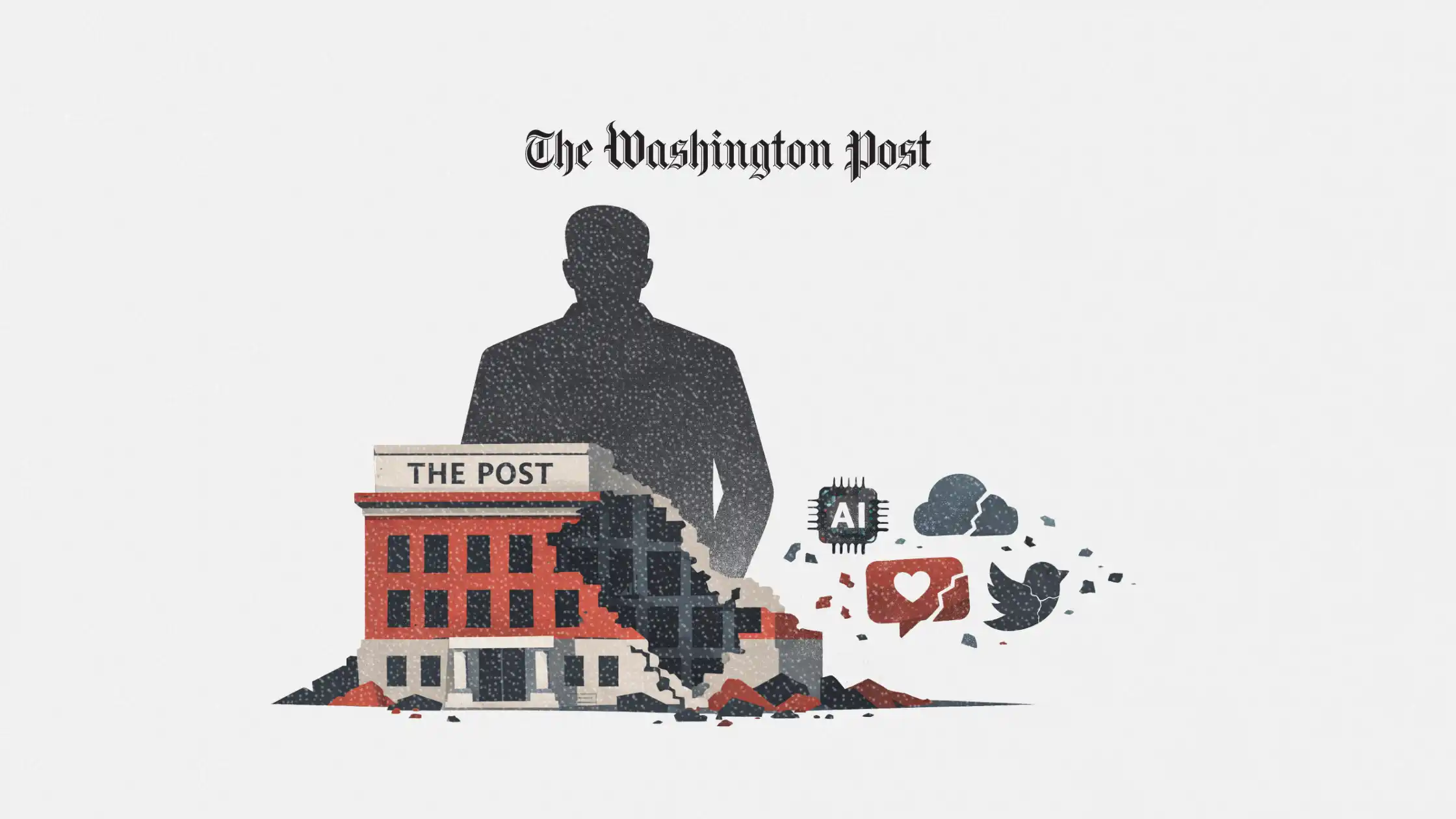
As tech executives cement their status as global power brokers, The Washington Post is scaling back the very journalism that holds them to account. In a sweeping round of layoffs, the Jeff Bezos–owned outlet has gutted its technology, science, and business desks, slashing more than half of the 80-person team and leaving its San Francisco bureau virtually hollow.
At a time when software is inseparable from supply chains, elections, education, and geopolitics, the sudden dismantling of tech reporting at one of the world’s most recognizable newspapers has implications far beyond newsroom walls.
This article explores what The Post’s retreat from tech coverage signals for media-watchers and marketers alike, especially in an era when AI, social platforms, and cloud infrastructure dominate business strategy and consumer behavior.
Short on time?
Here’s a table of contents for quick access:
- What happened at The Washington Post
- Why this matters for media, tech, and public scrutiny
- What marketers should know
 Falencia Naoenz
What happened at The Washington Post
The Washington Post laid off over 300 employees, amounting to around 30% of its newsroom, in January 2026. This included deep cuts across the tech desk, business reporting, international bureaus, and even its entire sports section. Notably, the tech desk lost 14 reporters, among them journalists covering Amazon, AI, internet culture, and major investigations.
The layoffs coincide with plummeting subscriber numbers and dwindling daily web traffic. Once attracting 22.5 million daily visits in early 2021, The Post’s traffic fell to just 3 million by mid-2024. The company reported a US$100 million loss in 2024, prompting a prior round of layoffs and restructuring under CEO Will Lewis.
While Executive Editor Matt Murray framed the cuts as a pivot toward profitability and relevance in a “more crowded, competitive, and complicated media landscape,” critics have questioned the wisdom—and timing—of the decision. Among those critics are journalists who were let go while covering conflicts abroad, and observers who point to the growing influence of Silicon Valley on politics, media, and the economy.
Adding further scrutiny is the fact that the paper’s owner, Amazon founder Jeff Bezos, was absent during the layoffs. Instead, he was seen touring Blue Origin facilities in Florida with U.S. Secretary of Defense Pete Hegseth—just before The Post laid off its reporter covering the spaceflight company.
Why this matters for media, tech, and public scrutiny
Bezos’ acquisition of The Washington Post in 2013 was heralded as a potential lifeline for a struggling publication. Now, more than a decade later, the media industry finds itself grappling with generative AI, fragmented audiences, and platforms like Google siphoning away traffic.
But the Post’s downsizing feels less like adaptation and more like retreat.
These cuts occur at a moment when tech leaders are shaping the economy, influencing public policy, and dominating information flows. From AI regulation to digital commerce, Big Tech is not just a business beat—it’s a geopolitical one.
What makes this reduction especially striking is that The Post has historically played a role in defining accountability journalism. Scaling back its tech and international reporting removes key layers of oversight at a time when the stakes around AI, misinformation, digital privacy, and platform power are only escalating.
Meanwhile, several tech billionaires—including Bezos, Laurene Powell Jobs, and Marc Benioff—own major media properties. While some argue these relationships have shielded outlets from collapse, others point to mounting conflicts of interest and editorial pressure, as seen in the scuttling of The Post’s endorsement of Kamala Harris in 2024.
What marketers should know
For brand strategists and media buyers, The Post’s move is more than an internal reshuffle—it’s a reflection of structural shifts in how news is produced, distributed, and monetized.
Here’s what to keep in mind:
- Less tech journalism means less third-party scrutiny
With fewer reporters covering platforms, AI ethics, and advertising practices, marketers may see less watchdog reporting—but that doesn’t mean less risk. Be proactive about transparency and audit your tech stack for bias or misinformation potential.
- Platform risk is now media risk
Google’s algorithm changes and the rise of AI-generated answers are reducing traffic to publishers. If your distribution strategy still relies heavily on organic placement in mainstream outlets, it’s time to diversify.
- Expect more "brand as media" pivots
As traditional media shrinks, expect more brands to fill the gap with owned content hubs, newsletters, and podcasting. Use this moment to build direct relationships with audiences—and avoid dependency on platforms or intermediaries.
- Audience trust is on the line
With legacy publications losing coverage breadth, consumers may turn to influencers, micro-publishers, or niche content communities. Ensure your brand has a clear voice and values-driven messaging to stay credible in these shifting spaces.
The Washington Post’s pullback from tech coverage signals a broader reckoning in the media world—where platforms and AI reshape the business model, and tech billionaires play dual roles as both subjects and stewards of journalism.
For marketers, this is a wake-up call. Media fragmentation isn’t just a content problem—it’s a strategic one. Brands that can adapt quickly, communicate transparently, and invest in credible storytelling will be better positioned to thrive in this new media ecosystem.