What Muck Rack’s “What is AI Reading?” report reveals about AI brand visibility
New data shows earned media, not paid channels, is shaping how AI tools represent brands

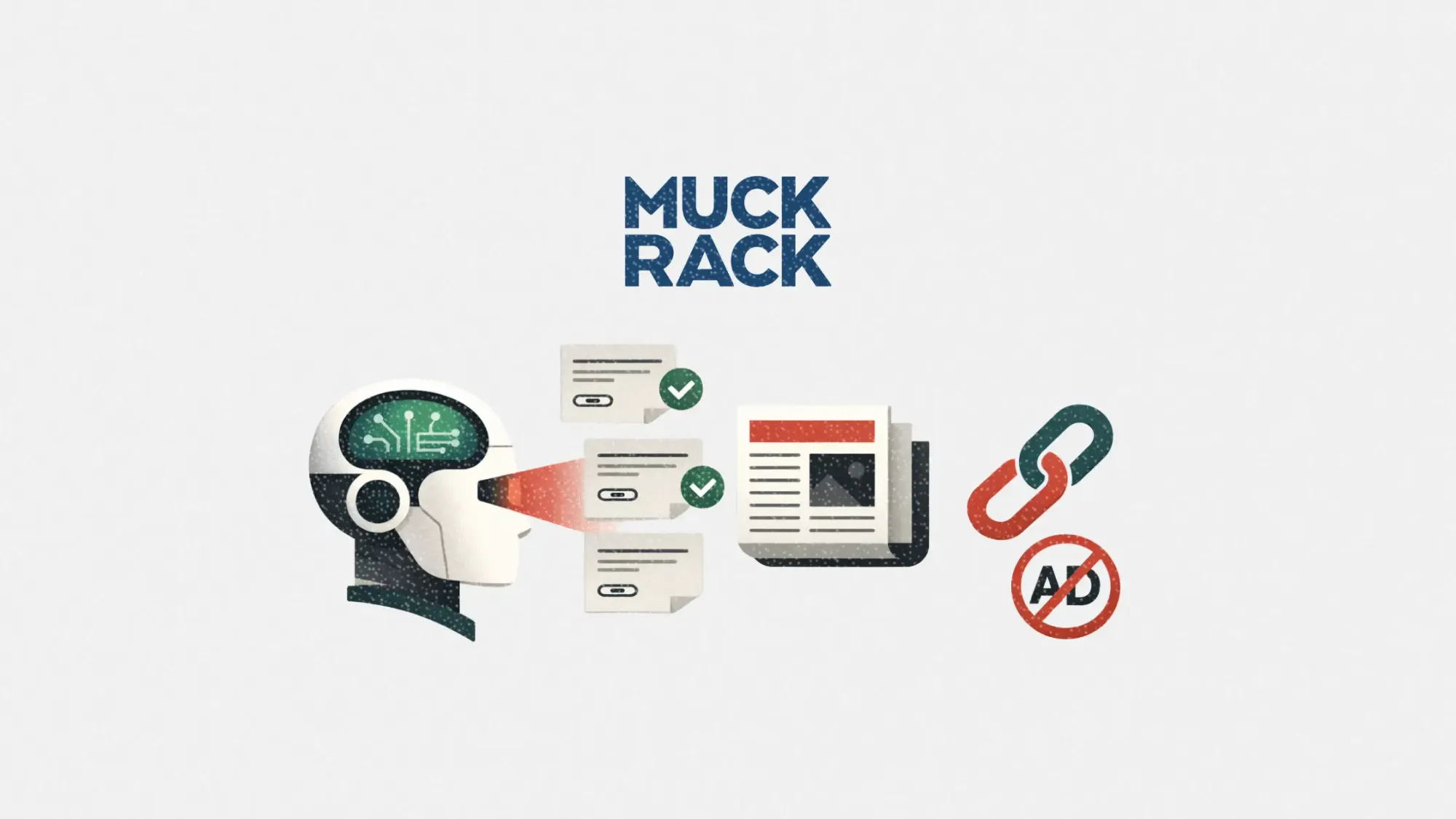
Muck Rack’s latest research digs into a question many marketers are quietly asking: what actually shapes AI-generated answers?
Based on an analysis of over 1 million links cited by AI tools, the report offers one of the clearest looks yet at how generative AI systems source information. For B2B marketers and PR professionals, the implications are immediate. Visibility in AI outputs is no longer just about SEO rankings. It is about earning your way into the sources AI trusts and cites.
This article explores the findings from its “What is AI Reading?” report and what they signal for PR and content strategy in an AI-first discovery landscape.
 Patrecia Meliana
Short on time?
Here’s a table of contents for quick access:
- What the Muck Rack report reveals about AI citations
- Why citations directly influence AI-generated answers
- How recency and query type reshape AI sourcing
- What marketers should know about AI-driven visibility
 Patrecia Meliana
What the Muck Rack report reveals about AI citations
Muck Rack analyzed more than 1 million links cited by AI systems and found a clear pattern: AI heavily favors earned and non-paid media.
Key findings include:
- 95% of AI citations come from non-paid media
- 89% come from earned media
- 27% come from journalistic content
- For recent queries, 49% of citations come from journalism
This reinforces a shift away from paid visibility tactics. Unlike traditional search, where paid placements can influence rankings, AI systems appear to prioritize credibility and relevance.
Corporate blogs and journalistic outlets dominate citation sources, while press releases are cited less frequently. However, they still play an indirect role by seeding stories that get picked up by media outlets.
Atikah Amalia
Why citations directly influence AI-generated answers
One of the most important takeaways is that citations do not just support AI responses. They actively shape them.
According to the report, enabling citations changes the structure and substance of AI-generated answers. In other words, what gets cited influences what gets said.
For PR professionals, this is a major shift. It means:
- Media coverage is no longer just about awareness
- It directly impacts how AI systems describe your brand
- Narrative control increasingly depends on third-party validation
This creates a more merit-driven ecosystem, where authority and relevance outweigh paid amplification.
Patrecia Meliana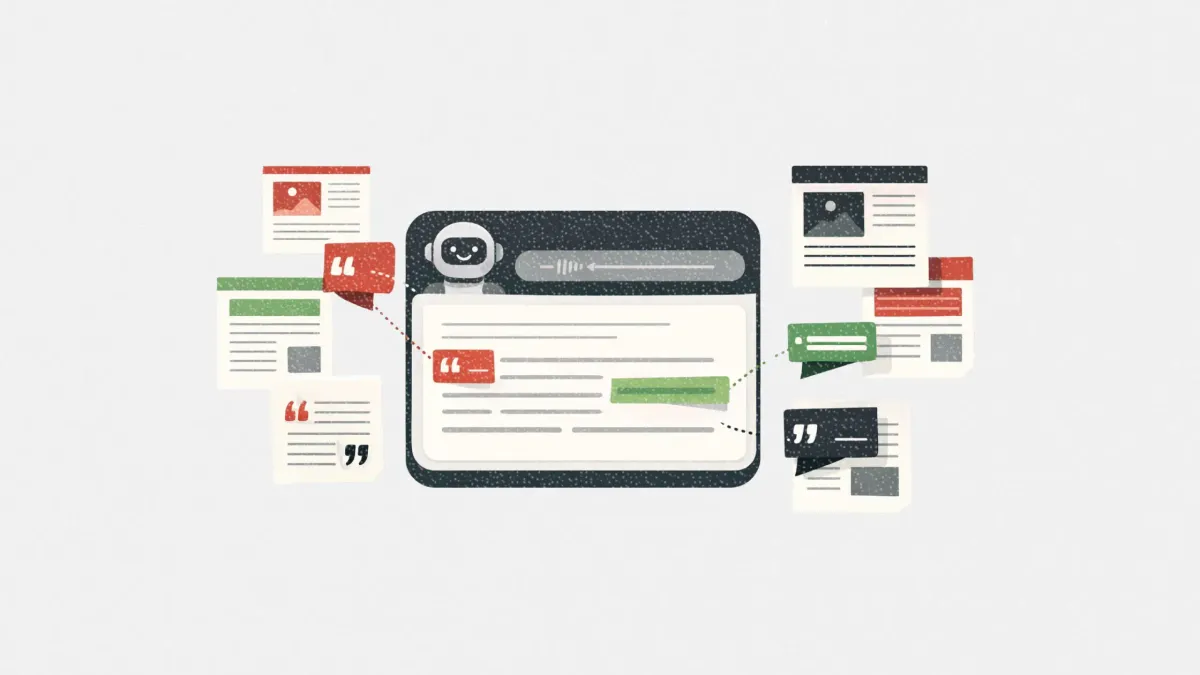
How recency and query type reshape AI sourcing
Recency plays a critical role in how AI selects sources, especially for time-sensitive queries.
The report highlights:
- Journalism becomes significantly more prominent for “recent” queries
- Content from the past 30 days carries strong weight
- The most commonly cited content is often published just one day prior
This has two implications. First, always-on PR and content strategies become essential. Second, timing can directly influence AI visibility.
Query phrasing also matters. Different types of questions trigger different source preferences. For example:
- Broad factual queries lean toward encyclopedic sources
- Industry-specific or trend-based queries favor journalism and niche outlets
This reinforces the need to align content with real user query patterns, not just keywords.
What marketers should know about AI-driven visibility
The report does more than explain AI behavior. It points to a clear strategic playbook for marketers.
Here are the key actions to consider:
1. Double down on earned media
AI systems reward credibility. Invest in media relations, thought leadership, and contributed content.
2. Prioritize niche and trade publications
AI favors contextually relevant sources. For B2B brands, industry-specific outlets may carry more weight than mainstream coverage.
3. Treat PR as an AI visibility channel
Coverage is no longer just for humans. It is training data for AI systems shaping brand perception.https://www.contentgrip.com/how-to-get-google-ai-overviews-to-notice-you/
4. Build a recency engine
Regular publishing and timely commentary increase your chances of being cited in AI responses.
5. Rethink measurement with AI in mind
Tools like Muck Rack’s upcoming Generative Pulse signal a shift toward tracking AI visibility alongside traditional metrics.
6. Align content with query intent
Think beyond keywords. Consider how users phrase questions and ensure your content matches those patterns.
Muck Rack’s findings make one thing clear: AI visibility is earned, not bought.
For marketers and PR professionals, this is both a challenge and an opportunity. The brands that win will be those that consistently show up in credible, relevant, and timely content across the media landscape.
As AI becomes a primary interface for information discovery, the question is no longer whether your brand ranks. It is whether your brand gets cited. If not, you are effectively invisible.