Wingstop's $27.99 Wing Pass turns NFL season into an 18-week habit
Wingstop ties a $27.99 pass to 18 weeks of football, blending watch-party culture, limited-time flavors and loyalty.


Football season is built on repetition. The same group chat lights up before kickoff, the same friends argue over the screen, and the same food order can become part of the weekly routine. Wingstop is leaning into that rhythm by treating the NFL regular season less like one advertising moment and more like 18 chances to become part of the ritual.
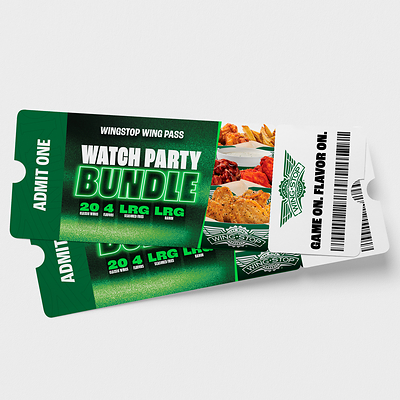
The brand's football-season announcement pairs a limited-time Lemon Pepper Trio with its first Wing Pass. The pass costs $27.99 and gives eligible Club Wingstop members access to as many as 18 weekly Watch Party Bundles, one for each week of the regular season.
Table of contents
Jump to each section:
- How the Wing Pass works
- Why football makes the offer different
- Why Wingstop is pairing loyalty with fandom
- What marketers should know about recurring rituals
How the Wing Pass works
The mechanics are simple enough to understand in one glance. The Wing Pass is priced at $27.99 and can unlock up to 18 Watch Party Bundles across the NFL regular season. Each bundle includes 20 classic wings, a large fry, and a large ranch.
That makes the pass less like a conventional coupon and more like a season ticket for a food ritual. The consumer is not being asked to remember a new promotion every Sunday. The value is already attached to the calendar.
Wingstop is also giving Club Wingstop members early access to the Lemon Pepper Trio from September 10 before the flavors roll out nationwide on September 15. Original Lemon Pepper is joined by Lemon Pepper Chili Crunch and Lemon Pepper Chili Glaze for a limited time.
The combination matters. One part of the campaign creates novelty through new flavor variations. The other creates repetition through the pass. Together, they give fans a reason to try something new without changing the familiar occasion around it.

Why football makes the offer different
Most limited-time restaurant promotions are designed around urgency. A new flavor arrives, people try it, and the campaign moves on. Football gives Wingstop a different structure because the cultural moment already repeats itself every week.
That recurring schedule creates a built-in reason to come back. The brand does not have to manufacture 18 separate occasions. The NFL calendar already provides them.
Wingstop has been working toward this territory for a while. In 2025, the company tied football season to a menu promotion featuring top draft pick Cam Ward in a football-season campaign. The 2026 pass moves the idea further by making the season itself part of the offer design.
That shift is useful from a marketing perspective because it changes what the product is doing. Wings are still the thing being sold, but the bigger promise is continuity. Buy into the pass once, then keep returning to the same shared occasion.
Why Wingstop is pairing loyalty with fandom
The Wing Pass is only available through Club Wingstop, which turns a sports-marketing idea into a loyalty mechanic. The fan experience and the customer-data relationship happen in the same place.
That is especially relevant for a restaurant brand whose occasions are naturally social. Watch parties are group moments, which means one redemption can put the brand in front of more people than the account holder alone. The offer is designed around a table, not just an individual transaction.
More than 3,000 restaurants worldwide and over $5 billion in system-wide sales are figures Wingstop cites in its current Club Wingstop materials.
The loyalty push also fits a broader brand strategy. QSR Magazine previously reported that Wingstop was leaning further into sports sponsorship as it worked to increase brand awareness. The Wing Pass gives that sports presence a direct behavior to drive: join the club, claim the offer, and return throughout the season.
It is a more useful connection than simply putting a logo beside a game. The campaign gives the audience something to do repeatedly because football already gives them a reason to gather repeatedly.
What marketers should know about recurring rituals
The strongest part of the Wing Pass is not the discount by itself. It is the decision to attach the offer to a habit that already exists in people's lives.
- Look for calendars your audience already follows.Sports seasons, weekly shows, school calendars, festivals, and recurring community events can create natural campaign cadence. The brand does not need to invent every moment from scratch when the audience already expects the next one.
- Turn one promotion into a reason to return.A one-time deal creates one decision. A season-long pass can create a chain of decisions that reinforce each other. The practical lesson is to design the promotion around continuity, not only acquisition.
- Connect fandom to owned relationships.Wingstop could have treated football purely as an awareness platform. By making Club Wingstop part of the pass, it connects a cultural occasion with an owned loyalty channel.
- Keep the ritual familiar while changing the product detail.The watch party stays the same while the Lemon Pepper Trio adds novelty. That balance matters because consumers often want fresh reasons to participate without having to learn an entirely new behavior.
The broader lesson is that cultural marketing does not always need a celebrity, a meme, or a major stunt. Sometimes the stronger move is noticing what people already do together and building the offer around that behavior.
For Wingstop, football season provides the rhythm. The Wing Pass simply gives the brand a reason to show up inside it every week.