
WP Engine acquires Big Bite to bolster WordPress publishing workflows
The acquisition shifts Big Bite’s newsroom innovation into WP Engine’s product roadmap.

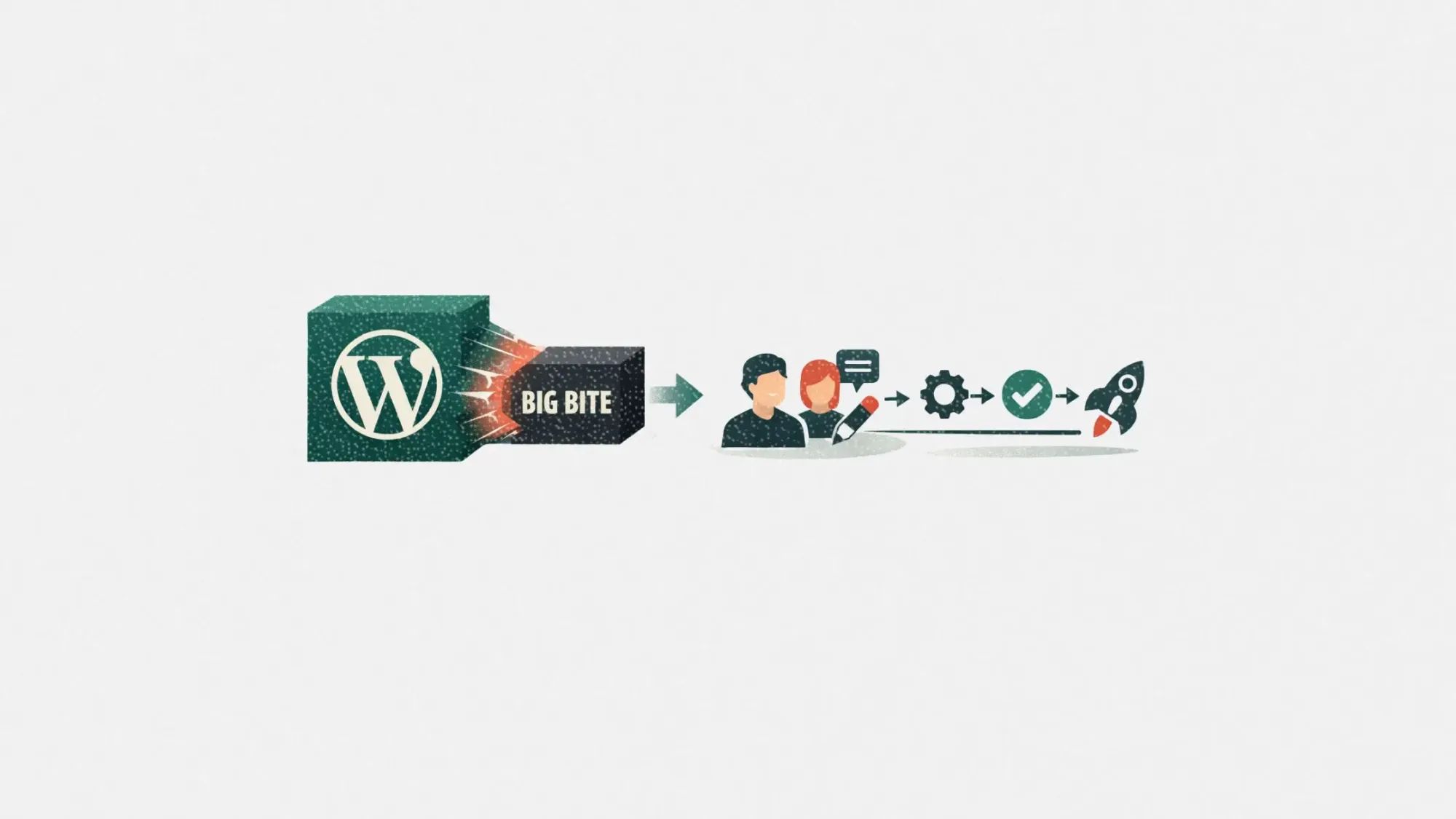
WP Engine, a major WordPress hosting and digital experience platform, is doubling down on editorial innovation by acquiring longtime agency partner Big Bite—a UK-based WordPress agency known for building newsroom platforms and custom editorial tools for media brands. The move marks a strategic product shift: Big Bite will wind down its agency business and become part of WP Engine’s Engineering organization.
For marketers working in or with content-heavy organizations, this deal signals a deeper investment in enterprise publishing workflows inside the WordPress ecosystem. We look at what the acquisition means for brands, agencies, and the CMS landscape.
Short on time?
Here’s a table of contents for quick access:
- What’s the deal with this acquisition?
- Big Bite’s evolution from agency to product team
- What marketers should know
- Why this signals a shift in CMS strategy
What’s the deal with this acquisition?
WP Engine announced its acquisition of Big Bite on January 7, 2026. While terms of the deal weren’t disclosed, the integration is significant: Big Bite will cease agency operations, and its team will join WP Engine’s Engineering division to develop new publishing products.
The acquisition builds on a long-term partnership between the two companies. Big Bite has spent over a decade building custom editorial tools, content workflows, and WordPress solutions for global media organizations such as The Times, The Wall Street Journal, and Macworld.
WP Engine’s CTO, Ramadass Prabhakar, said the acquisition reflects the company’s commitment to helping publishers “more efficiently create, organize, and share content.” Big Bite Co-Founder Jason Agnew echoed the product-first shift, stating that the teams are uniting to develop tools that elevate publishing capabilities for WP Engine’s agency and enterprise customers.
 Patrecia Meliana
Big Bite’s evolution from agency to product team
Founded in 2011, Big Bite started as a web development shop before growing into a specialist agency for enterprise WordPress builds. The team gained recognition for tackling complex editorial challenges, including custom workflows, high-traffic site management, and accessibility for multi-contributor publishing teams.
The agency has also contributed to broader industry initiatives like Internet.org and enterprise-focused WordPress plugin development, including tools like MediaPress. Its close collaboration with WP Engine made the transition a logical next step.
According to a joint statement, Big Bite will not take on new client work. Instead, the team will focus on product development under the WP Engine umbrella—bringing its editorial expertise to a broader audience via platform-level tools and features.
What marketers should know
If your brand publishes a lot of content—or works with agencies that do—this deal is worth watching. Here’s why:
1. Enterprise publishing is getting productized
Big Bite’s custom solutions for media brands are now moving into WP Engine’s core product offerings. Expect more ready-to-deploy tools focused on workflow efficiency, newsroom-style collaboration, and scalable editorial control—especially for companies managing large volumes of content across teams.
2. WordPress keeps fighting for the enterprise
This acquisition reinforces WordPress's ambitions in the enterprise CMS space. As platforms like Webflow, Storyblok, and Contentful chase enterprise clients with structured content and headless options, WP Engine is betting on smart editorial tooling as a differentiator.
A strategic move with wide-reaching implications
WP Engine’s acquisition of Big Bite isn’t just about consolidating talent—it’s a signal that editorial tools are now central to CMS strategy. For marketers in media, publishing, or content-heavy industries, this could mean faster access to newsroom-grade workflows without the typical agency overhead.
It also raises the bar for other CMS providers: if WordPress can ship advanced editorial features as native tools, the pressure is on for competitors to keep pace.
As the publishing tech stack evolves, expect more consolidation between hosting platforms and specialist agencies. And for marketers, staying close to these shifts will help you future-proof your content operations.