Yeti’s “Four Letters” campaign turns obsession into a brand language
Yeti’s “Four Letters” reframes the brand around obsession and commitment, using a repeatable logo device across film, OOH, retail, and social.

If you have ever watched someone wait out a bite, replay a trick until they land it, or show up to the same ritual every weekend, you already get the emotional core of Yeti’s latest brand work: devotion is its own aesthetic.
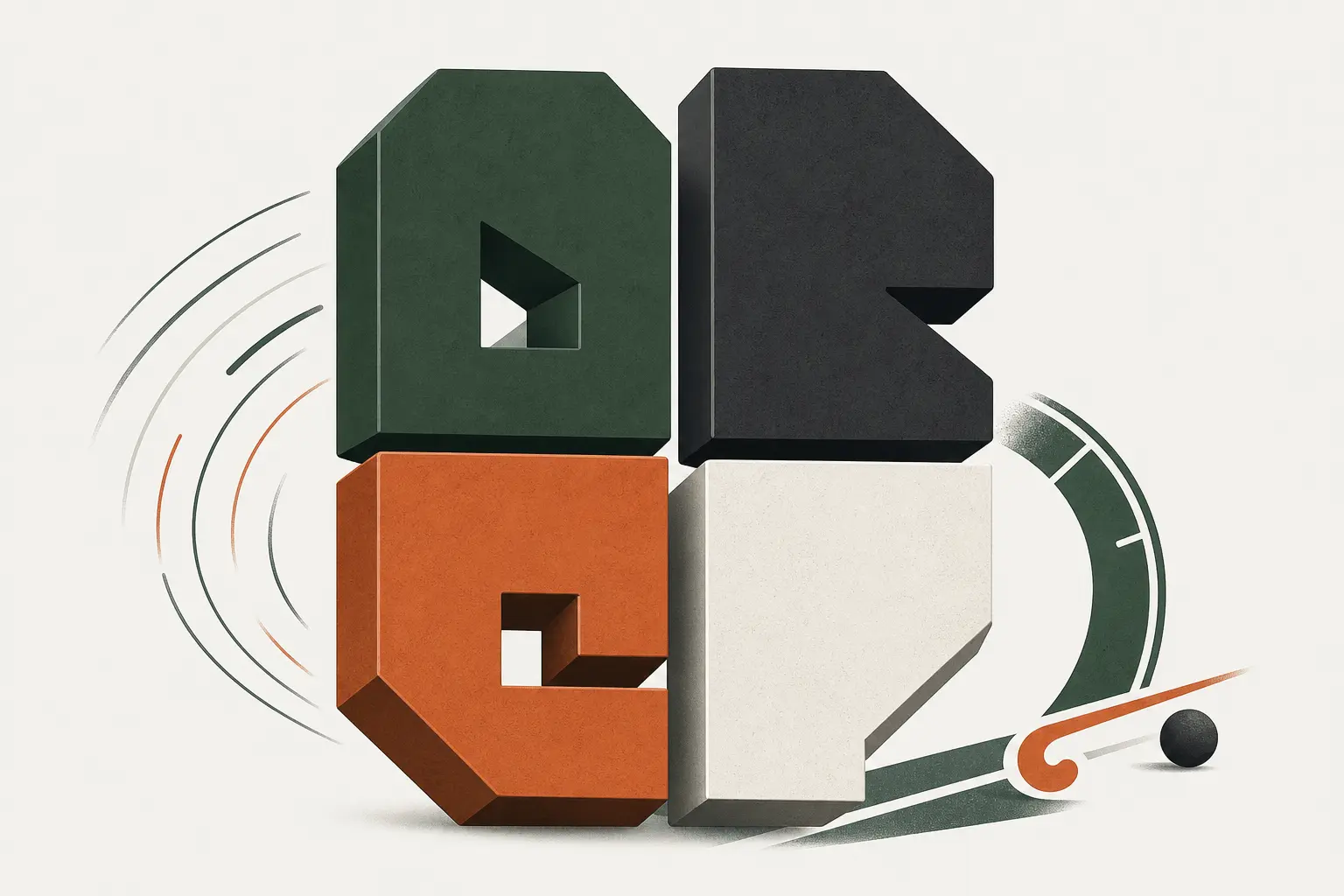
Yeti has been expanding the way it talks about itself beyond “outdoor gear” and into something broader: the kind of people who get irrationally committed to a pursuit. The brand outlined the “Four Letters” platform in a new creative push developed with Wieden+Kennedy Portland, built around reworking Yeti’s block logo into four-letter words that describe passions, moments, and mindsets.
Table of contents
Jump to each section:
- What “Four Letters” is actually saying about identity
- How the anthem film builds a story without voiceover
- How Yeti is making the platform travel across channels
- What this means for marketers building durable brand platforms
What “Four Letters” is actually saying about identity
Yeti’s products are famously overbuilt for a reason, but the campaign is not really about toughness. It is about the way people see themselves when they are “in it”, locked into the hobby, the sport, the craft, the team, or the routine.
The phrase “bull-simple” (Yeti’s minimalist build philosophy) becomes a creative constraint here. Four-letter words force the brand message into something blunt, legible, and personal. Instead of telling you who Yeti is for, the work invites you to pick a word that sounds like you.
It also opens the brand up beyond legacy associations like hunting and fishing, without needing to abandon them. “Irrationally committed” is a big tent positioning that still feels consistent with a brand built around reliability and endurance.
 ContentGrip
How the anthem film builds a story without voiceover
At the center is a 60-second anthem film that uses a metronomic soundtrack, no voiceover, and a montage of found plus ambassador-shot footage. The narrative comes from the pairing: image, then word.
Moments like a fisherman waiting, a bull rider tightening a grip, and a football team kneeling in prayer land under “wait.” Elsewhere, the film plays with familiar pairings (“game” / “time,” “duck” / “dive”). A skateboard sequence turns into a mini-story through the words “fail,” “bail,” “quit,” and “nope,” showing persistence as a loop rather than a triumph.
Creatively, this is a useful reminder that “brand voice” does not always need a spokesperson, a manifesto, or a line read. You can build meaning by letting audiences do the mental stitching between what they see and the one word that names the feeling.
How Yeti is making the platform travel across channels
The platform is designed to be mutable, not precious. Beyond the anthem film, the campaign includes three short films featuring brand ambassadors Kimi Werner, David Mangum, and Tootsie Tomanetz.
Yeti is also pushing the concept into real-world visibility. Out-of-home creative introduced in May is set to surround major sporting events, including mobile billboards showing Yeti coolers with sport-specific logo rewrites. Retail stores nationwide are part of the rollout too, with customers receiving a special sticker for a limited time.
And the format clearly wants to live on social, where repetition and remix are the point. For the Fourth of July, Yeti posted an Instagram video in the same style using “beer,” “dogs,” “hang,” and “time,” reinforcing that the campaign is less a single ad and more a template.
What this means for marketers building durable brand platforms
A good brand platform is not just recognizable. It is repeatable without getting stale, and flexible enough that people can see themselves inside it.
- Use constraints that audiences can instantly understand
Four-letter words are a creative rule anyone can follow. That makes the platform easy to extend across sports, seasons, and subcultures without needing new lore each time. - Let identity do the work that targeting used to do
Instead of narrowing the audience with demographic cues, Yeti is speaking to a behavior: deep commitment. That is a cleaner on-ramp for growth when your product already travels beyond its original category associations. - Build a system, not a one-off film
The anthem is the proof-of-concept, but the real asset is the “logo-as-language” device. It can show up in out-of-home, retail, ambassador content, and social without feeling like a different campaign. - Keep the brand present without stealing the moment
The film’s lack of voiceover and reliance on real-feeling footage makes the brand feel like an enabler rather than the main character. For a product that literally supports experiences, that tone match matters. - Make space for audience interpretation without losing coherence
The platform invites variation, but it still needs a clear editorial “rail” so it does not turn into random wordplay. The strongest brand systems balance open participation with tight creative discipline.
The broader signal is that durability increasingly comes from formats people can recognize and reuse. Not because audiences want to “engage,” but because they like having a simple language for expressing who they are.
When a brand gives communities a template that is easy to remix, it can stay present across many moments without constantly forcing a new message. That is how campaigns start to feel less like interruptions and more like culture-adjacent shorthand.