AI marketing: the complete guide
How marketers use AI to automate campaigns, personalize customer experiences, and optimize performance.

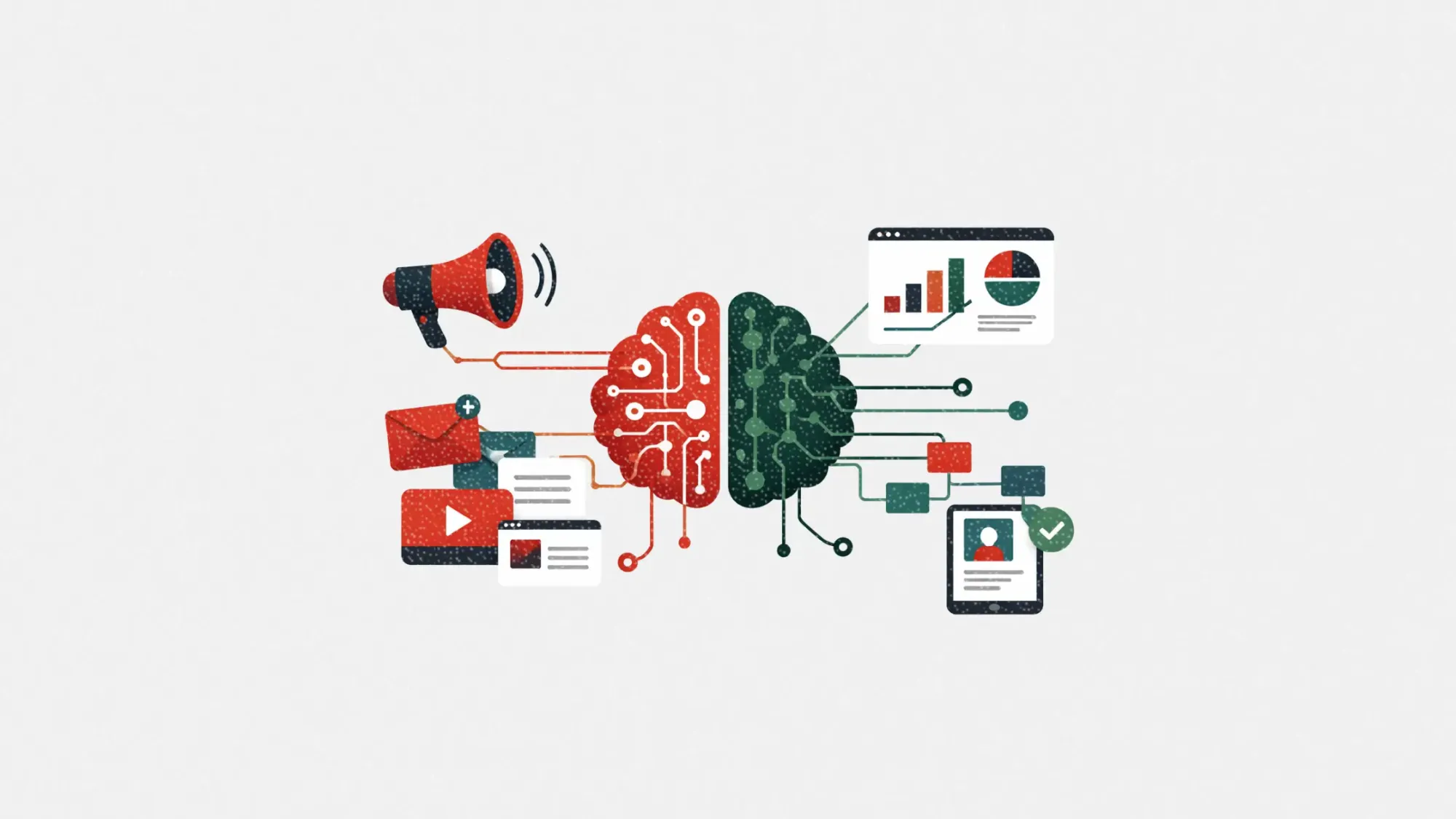
AI marketing is rapidly moving from experimentation to everyday practice. Marketers are now using artificial intelligence to generate content, analyze data, personalize customer journeys, and automate entire campaigns.
In fact, AI is already embedded in daily workflows for most teams. From generative AI writing tools to predictive analytics platforms, AI-powered marketing is changing how brands create, distribute, and optimize campaigns.
This guide explores how AI marketing works, the tools and strategies behind it, real-world examples, and what marketers should expect in the coming years.
Short on time?
Here’s a table of contents for quick access:
- What is AI marketing?
- How AI is transforming digital marketing
- Top AI marketing tools marketers use
- How to build an AI marketing strategy
- Real AI marketing examples from brands
- AI marketing statistics marketers should know
- AI marketing workflows every team should automate
- The future of AI marketing
What is AI marketing?
AI marketing refers to the use of artificial intelligence technologies such as machine learning, data analysis, and generative AI to automate marketing tasks and improve decision-making.
Instead of relying solely on manual analysis or intuition, AI systems can process large amounts of customer data to identify patterns, predict outcomes, and personalize experiences.
In practical terms, AI marketing helps teams:
- Generate content and campaign assets
- Analyze customer behavior
- Personalize messaging and offers
- Optimize marketing campaigns in real time
- Forecast performance and trends
For marketers, the biggest benefit is speed. AI tools can process information and produce insights far faster than traditional workflows, allowing teams to move from idea to execution much quicker.
How AI is transforming digital marketing
AI is reshaping digital marketing by making campaigns more data-driven and adaptive.
Traditional marketing relied heavily on static strategies and periodic reporting. AI-driven marketing systems, however, continuously analyze customer interactions and optimize campaigns automatically.
Key ways AI is transforming marketing include:
- Customer insights and data analysis
- Personalization and targeting
- Content creation and optimization
- Predictive analytics and forecasting
- Campaign automation
Top AI marketing tools marketers use
A wide range of AI marketing tools now support different parts of the marketing workflow.
 Patrecia Meliana
Here are some of the most common categories:
- AI writing and content tools
These tools generate blog posts, ad copy, email campaigns, and other marketing content.
Examples include:
 Patrecia Meliana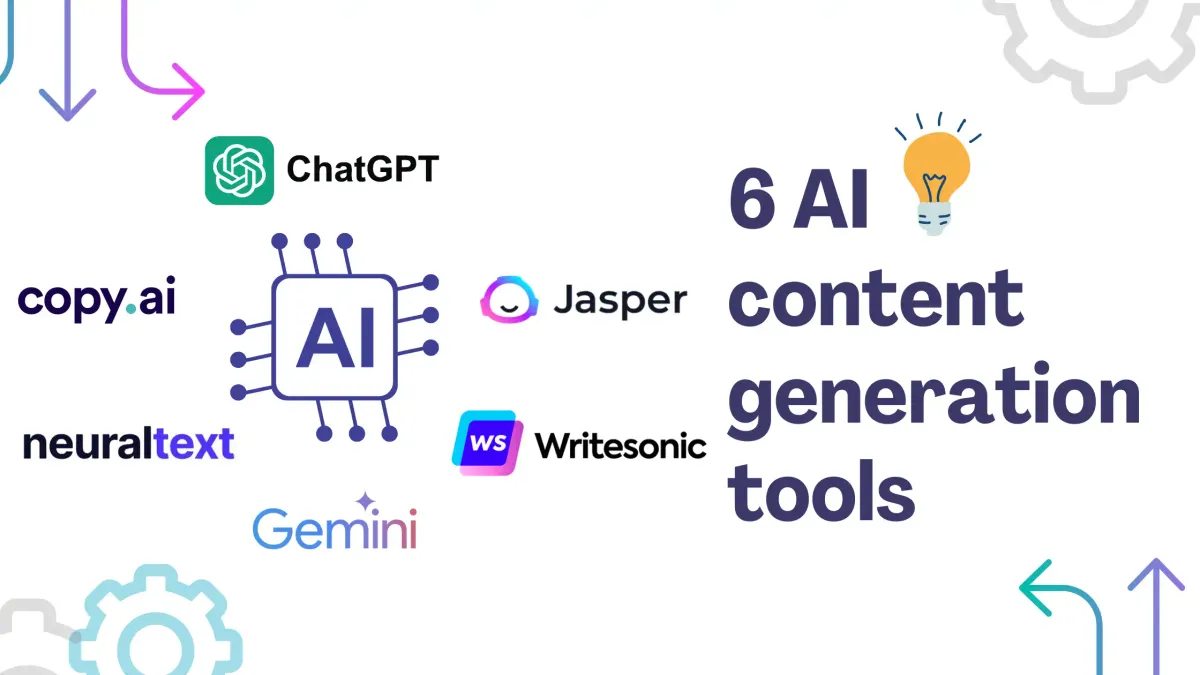
- SEO and research tools
AI-powered SEO platforms analyze search trends, competitor content, and keyword opportunities.
Examples include:
 Patrecia Meliana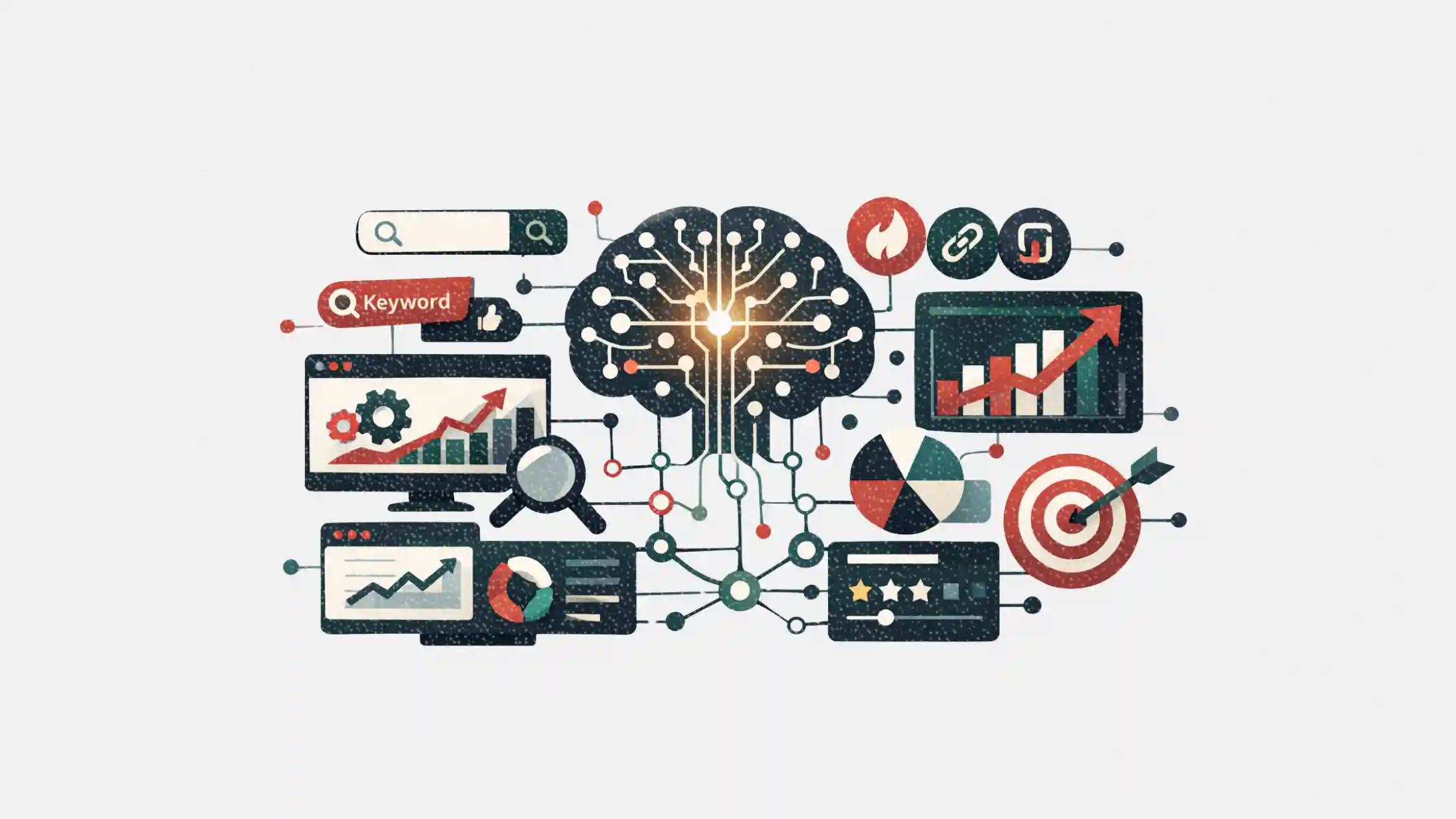
- Image and video generation
Visual AI tools create marketing assets such as social media graphics, product visuals, and videos.
Examples include:
 Patrecia Meliana
- Marketing automation platforms
AI-powered marketing automation systems help manage customer journeys and campaigns.
Examples include:
- HubSpot AI
- ActiveCampaign
 Enricko Lukman
- AI analytics tools
These platforms provide predictive insights and advanced data analysis.
Examples include:
- Google Analytics AI features
- Salesforce Einstein
- Adobe Sensei
 Patrecia Meliana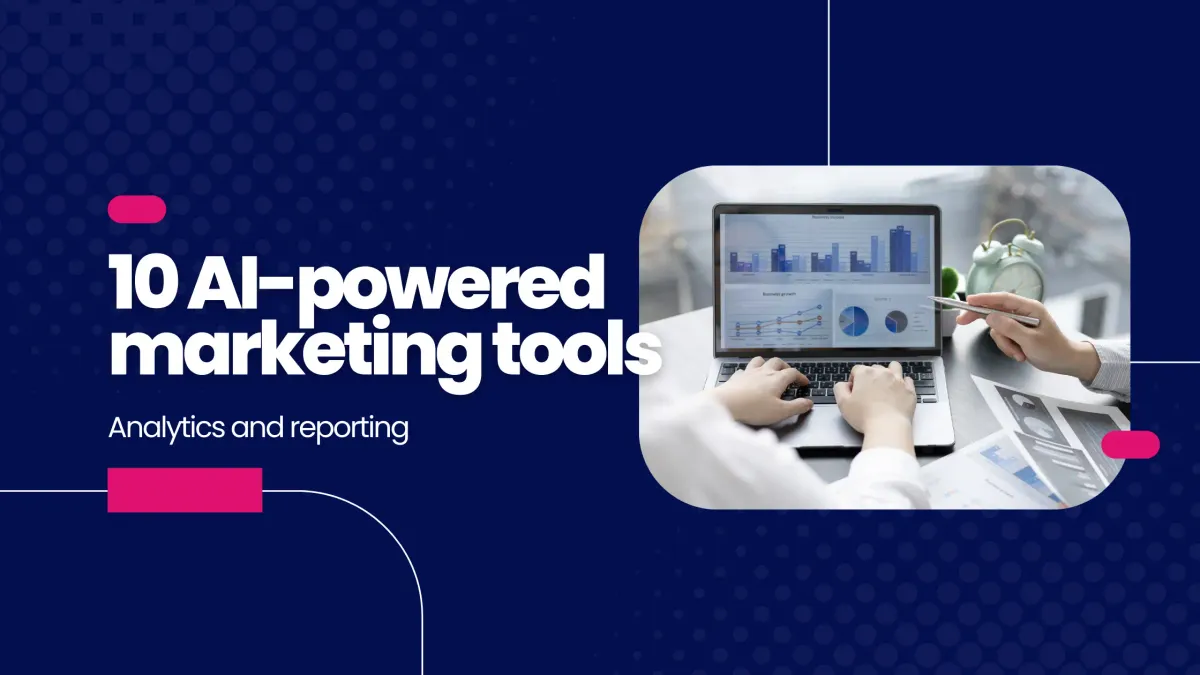
How to build an AI marketing strategy
Adopting AI successfully requires more than simply adding new tools. Marketers need a clear strategy that integrates AI into existing workflows.
Here are the key steps.
1. Define marketing goals
Start by identifying the business problems AI can solve. Common goals include improving campaign performance, reducing production time, or increasing personalization.
2. Identify high-impact use cases
Focus on areas where AI delivers immediate value, such as content creation, audience targeting, or analytics.
3. Select the right AI marketing platforms
Choose tools that integrate with your current marketing stack. Platforms that connect with CRM, analytics, and ad platforms usually provide the most value.
4. Build AI-enabled workflows
Integrate AI into daily marketing processes, such as content production or campaign management.
5. Maintain human oversight
AI works best when combined with human expertise. Marketers should review AI-generated outputs and ensure campaigns align with brand voice and strategy.
Real AI marketing examples from brands
Many global brands already rely on AI-powered marketing systems.
1. Amazon
Amazon uses AI recommendation engines to personalize product suggestions and increase conversions.

2. Netflix
Netflix is exploring generative AI tools to support content production workflows. These tools help creative teams generate media such as video, text, and images faster while maintaining human oversight.
3. Sephora
Sephora uses AI-powered virtual try-on technology to help customers test makeup products digitally.
4. Coca-Cola
Coca-Cola has used generative AI tools to produce campaign visuals and accelerate creative production.
These examples show how AI can improve personalization, customer engagement, and operational efficiency.
AI marketing statistics marketers should know
AI adoption in marketing is growing rapidly. Several data points illustrate how widespread AI-powered marketing has become. Here are some interesting data points:
- The global AI marketing market could exceed US$107 billion by 2028
- 88% of marketers use AI tools daily
- 93% of marketers say AI helps them produce content faster
- 81% of marketers would trust AI to respond to customers to help scale efforts
- More than 80% of marketing teams actively use generative AI
- AI-generated marketing content performs as well as or better than human-only content in 64% of cases
These statistics highlight a clear shift. AI is no longer experimental technology. It is becoming a core part of the modern marketing stack.
AI marketing workflows every team should automate
AI is most powerful when integrated into structured workflows. Here are two practical examples.
AI content marketing workflow
- Keyword research using AI SEO tools
- AI-generated content outlines
- Draft writing with generative AI tools
- Human editing and brand alignment
- AI SEO optimization
- AI analytics to measure performance
This workflow allows marketing teams to dramatically accelerate content production while maintaining quality control.
AI campaign workflow
- Audience segmentation using AI analytics
- Predictive targeting for ads
- Automated ad creation using generative AI
- Real-time campaign optimization
AI-powered workflows reduce manual effort and allow marketers to focus on strategy rather than repetitive tasks.
The future of AI marketing
Despite rapid adoption, AI marketing is still in its early stages. Only 13% of marketing leaders say AI is fully integrated into their marketing operations today, suggesting significant growth potential. At the same time, 93% of marketing teams plan to continue investing in generative AI through 2026.
Several emerging trends are shaping the future of AI-powered marketing:
- AI agents managing marketing workflows
Autonomous AI agents are beginning to manage entire marketing processes, including campaign planning and optimization.
 Patrecia Meliana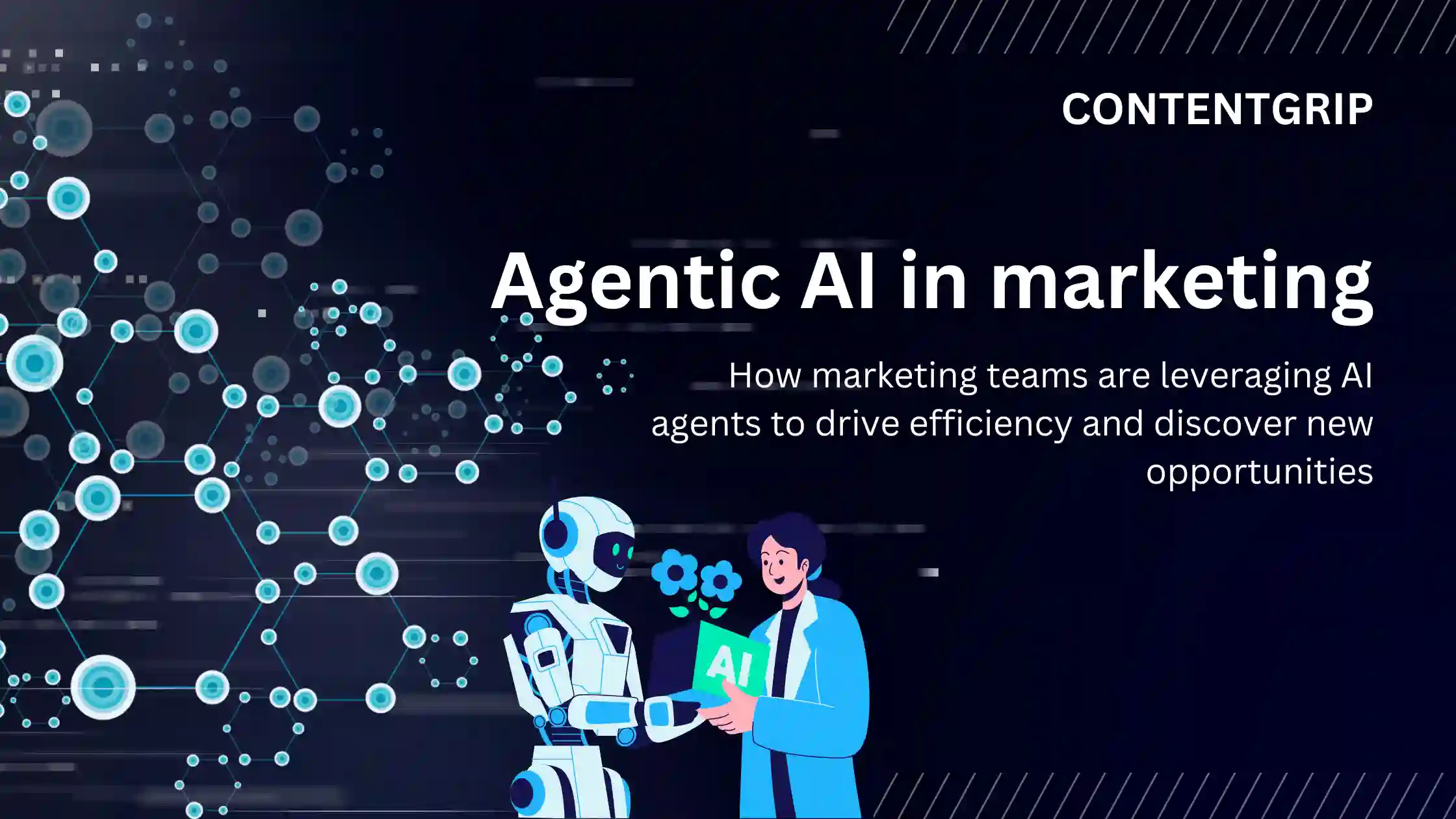
- Hyper-personalized customer journeys
AI systems will increasingly tailor experiences at the individual level across multiple channels.
- AI-generated video and advertising
Generative AI is expected to dramatically expand video and creative production capabilities.
- Synthetic consumer testing
Brands may use simulated audiences powered by AI to test campaigns before launching them.
- Multimodal search optimization
As AI search evolves, marketers will need to optimize for text, image, video, and voice-based queries simultaneously.
For marketing teams, the challenge is not whether to adopt AI but how quickly they can integrate it into everyday operations.
AI marketing is transforming how brands create campaigns, analyze customers, and deliver personalized experiences. While adoption is already widespread, the technology is still evolving. The next wave of innovation will likely come from AI agents, deeper personalization, and fully automated marketing workflows.