
Automotive influencer marketing: how brands turn creator trust into test drives
A practical automotive influencer marketing playbook for creator selection, credible vehicle access, campaign safety, and measurable buyer action.


Automotive influencer marketing has a different credibility problem from most consumer categories. A creator is not recommending a low-cost item that can be tested in minutes. They are helping an audience evaluate a high-consideration purchase with tradeoffs around price, safety, technology, running costs, charging, comfort, ownership, and service.
That changes what good creator work looks like. The strongest automotive programs do not treat influencers as a launch-day reach layer. They use creators to make a complex product easier to understand, place it inside a believable driving context, and give potential buyers enough evidence to move from curiosity to a model page, dealership visit, or test drive.
Deloitte's 2026 Global Automotive Consumer Study, based on more than 28,500 consumers across 27 markets, highlights how vehicle decisions now span electrification, connected features, software-driven vehicles, affordability, trust, and service. That complexity is exactly why creator content can be useful: a spec sheet can tell buyers what a feature is, but a credible creator can show what it means in use.
Table of contents
- Why automotive influencer marketing works differently
- Match the creator to the buying stage
- Give creators enough vehicle access to earn credibility
- Expand beyond car reviewers without losing trust
- Brief for proof, safety, and disclosure
- Measure behavior beyond views
- Build a creator portfolio that compounds
Why automotive influencer marketing works differently
Automotive creators sit unusually close to the research process. A buyer can watch a review to understand cabin space, compare charging behavior, hear road noise, see an infotainment system in motion, or judge whether a vehicle fits a family, commute, road trip, enthusiast, or urban-use context. The creator is valuable when they reduce uncertainty, not when they simply repeat launch messaging.
That means reach is a weak starting point for creator selection. Automotive audiences often care about what the creator knows, how they test vehicles, whether they explain limitations, and whether the vehicle makes sense in the context of the channel. A creator who routinely discusses EV ownership, for example, may be more useful for an electric crossover than a much larger lifestyle creator with no history of explaining vehicles or charging.
The same logic applies to non-automotive creators. A family creator can credibly discuss rear-seat usability, storage, school-run routines, and long-distance comfort. A technology creator can help audiences understand software, connectivity, driver-assistance interfaces, or an EV ecosystem. A gaming creator can make sense when the vehicle is embedded in a gaming experience. The fit comes from the audience problem being solved, not from forcing every automotive brief through the same type of car reviewer.

Match the creator to the buying stage
One creator does not need to carry the entire purchase journey. Automotive programs become easier to design when the brand assigns creators a specific job.
At the discovery stage, broader lifestyle, sport, entertainment, travel, technology, or gaming creators can make a model culturally relevant to audiences that would not actively search for it. At the consideration stage, reviewers, owners, category specialists, and technical creators can answer harder product questions. Near conversion, local creators and dealership-linked content can help turn interest into a test drive, showroom visit, financing inquiry, or model-page action.
This also changes the brief. A discovery creator might focus on one memorable use case instead of a full spec list. A consideration creator needs more product depth and comparison context. A local conversion creator needs accurate availability, dealer information, and a clear path to the next action.
A practical planning question is: what uncertainty should this creator remove? If the team cannot answer that, the partnership is probably being bought as generic reach. When the answer is specific, creator selection and measurement become much easier.
Give creators enough vehicle access to earn credibility
Automotive content is difficult to fake because audiences can see when access was shallow. A quick walkaround at an event can support a first-impression post, but it cannot support the same claims as a full-day drive, a multi-day loan, or long-term ownership content. Brands should match the access window to the type of recommendation they want the creator to make.
Before filming, define what the creator can realistically experience. That may include city driving, highway driving, passenger comfort, cargo loading, charging, parking, infotainment setup, driver-assistance interfaces, or everyday storage. If a feature cannot be tested safely or within the access period, the creator should not be pushed to speak as if they have validated it.
Longer access can also produce better criticism, which is useful. A creator who can explain both what they liked and what took adjustment is often more persuasive than one who describes every feature as impressive. For high-consideration products, specificity is a trust signal.
This is where launch planning and creator operations need to work together. Vehicle availability, insurance, routes, charging plans, weather, production windows, and handover instructions all affect the quality of the final content. Treating these as logistics after the creative brief is approved can leave creators with too little real experience to produce credible work.
Expand beyond car reviewers without losing trust
The automotive creator universe is wider than traditional review channels. The challenge is expanding without making the partnership feel random.
Hyundai's 2026 FIFA World Cup gaming activation offers a useful example. In its brand journal, Hyundai describes a Rocket League tournament involving 48 creators and professional players across 16 teams, all competing with the IONIQ 6 N Line in game. The event was hosted by gaming creator and former professional player SquishyMuffinz, who also shared that he is a Hyundai owner. Hyundai reports that user-generated content featuring the vehicle generated more than 80 million cumulative views across Twitch, YouTube, and TikTok during the event period.
The important lesson is not the view count. It is the fit between creator behavior and campaign context. Hyundai was not asking gaming creators to imitate automotive journalists. The vehicle became part of an experience the creators and their audiences already understood.
Brands can apply the same logic elsewhere. Travel creators can show luggage, range planning, and road-trip routines. Parents can discuss child-seat access and storage. Outdoor creators can focus on terrain, equipment, and trip preparation. Technology creators can explain digital ecosystems. Motorsport creators can interpret performance. The partnership works when the creator has a legitimate reason to care about the product.
Brief for proof, safety, and disclosure
Automotive briefs need more guardrails than many lifestyle categories because incorrect claims can involve safety, performance, range, financing, software, or regulated advertising language. The brand should lock down factual claims, prohibited claims, approved terminology, road-safety requirements, disclosure, and any feature limitations that depend on trim level, market, subscription, or conditions.
Dinda Anandita, Account Director at content-led comms agency Content Collision: "Automotive creator work gets credible when the creator has enough time with the vehicle to explain tradeoffs, not just repeat specs. The brand should lock down factual claims, safety, and disclosure, then give the creator room to show how the car fits a real driving context."
The FTC's Disclosures 101 guidance says creators should disclose material relationships, including free products or other things of value, and that video disclosures should appear in the video rather than only in a description. For livestreams, the FTC says disclosure should be repeated periodically. A vehicle loan, hosted trip, launch event, paid fee, travel support, or other material benefit should therefore be treated as disclosure territory.
Brands should also avoid over-scripting opinion. The brief can require accurate specs and safe behavior without dictating the creator's personal judgment. The operating principle is strict on facts and safety, flexible on experience.

Measure behavior beyond views
Automotive campaigns should separate attention from buying behavior. Views and reach show distribution, but they do not show whether the content helped someone move deeper into consideration.
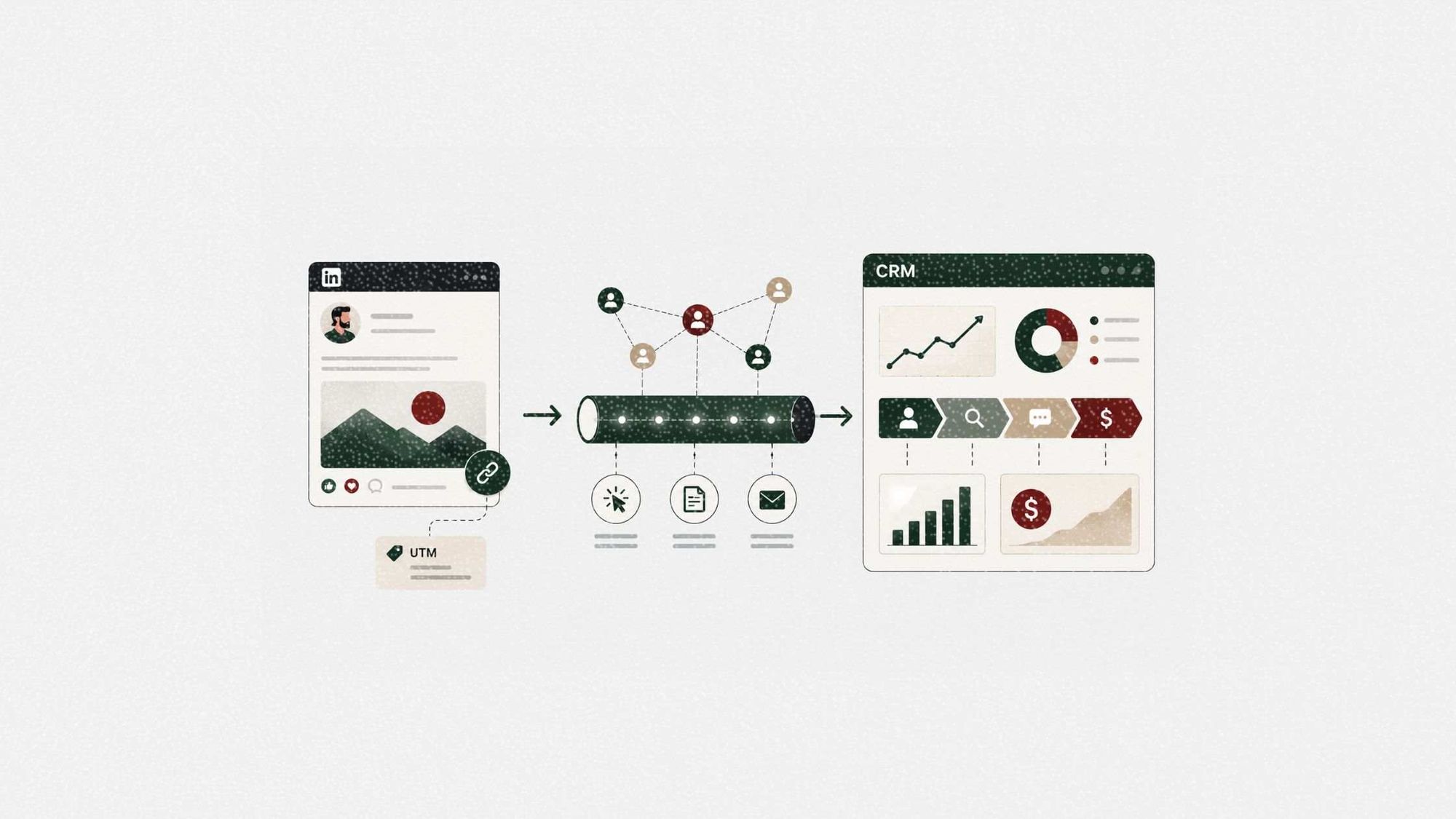
Useful signals can include model-page visits, configurator starts, brochure downloads, dealer-locator clicks, test-drive bookings, lead forms, financing inquiries, branded search, retargeting-pool growth, and qualified dealership traffic. Brands with stronger data integration can also compare creator-exposed cohorts with other audiences or connect creator links and codes to CRM outcomes.
The measurement plan should reflect the creator's assigned role. A broad entertainment creator may be judged on qualified discovery and downstream site behavior, not immediate test-drive volume. A specialist reviewer may drive fewer total visits but a higher proportion of model-page depth or configurator activity. A local creator can be held closer to dealership action.
This is especially important because automotive decisions rarely happen in one session. The creator may be an early or middle touchpoint rather than the final conversion source. Teams should preserve UTMs, campaign IDs, creator-level landing pages, and post-view audience data where privacy rules allow, then evaluate the campaign as part of a multi-touch journey rather than expecting last-click attribution to tell the whole story.
Build a creator portfolio that compounds
The strongest automotive creator program is usually a portfolio, not a one-off launch roster. Different creators can build familiarity at different stages, and repeated access lets credible partners learn the product category more deeply over time.
Keep a record of which creators produce useful audience questions, which audiences click through to model information, who handles technical claims accurately, who follows disclosure and safety requirements, and whose content continues to earn comments and search interest after the launch window. Rehire based on that evidence.
Long-term relationships can also improve the content itself. A creator who has experienced multiple models, software updates, ownership cycles, or dealership interactions can explain change with more context than someone meeting the brand for the first time. That continuity is especially valuable as vehicles become more software-driven and ownership experiences extend beyond the initial purchase.
Automotive influencer marketing works when creators make a difficult purchase easier to evaluate. Start with the buyer question, choose the creator who is credible enough to answer it, give them sufficient access, protect the factual and safety boundaries, and measure what happens after the view. That turns creator content from launch decoration into a useful part of the customer decision journey.