Bing reaches 1B monthly users as AI reshapes search intent and marketer visibility
Microsoft’s latest milestone highlights how AI-driven search behavior is reshaping visibility, intent, and marketer strategy.

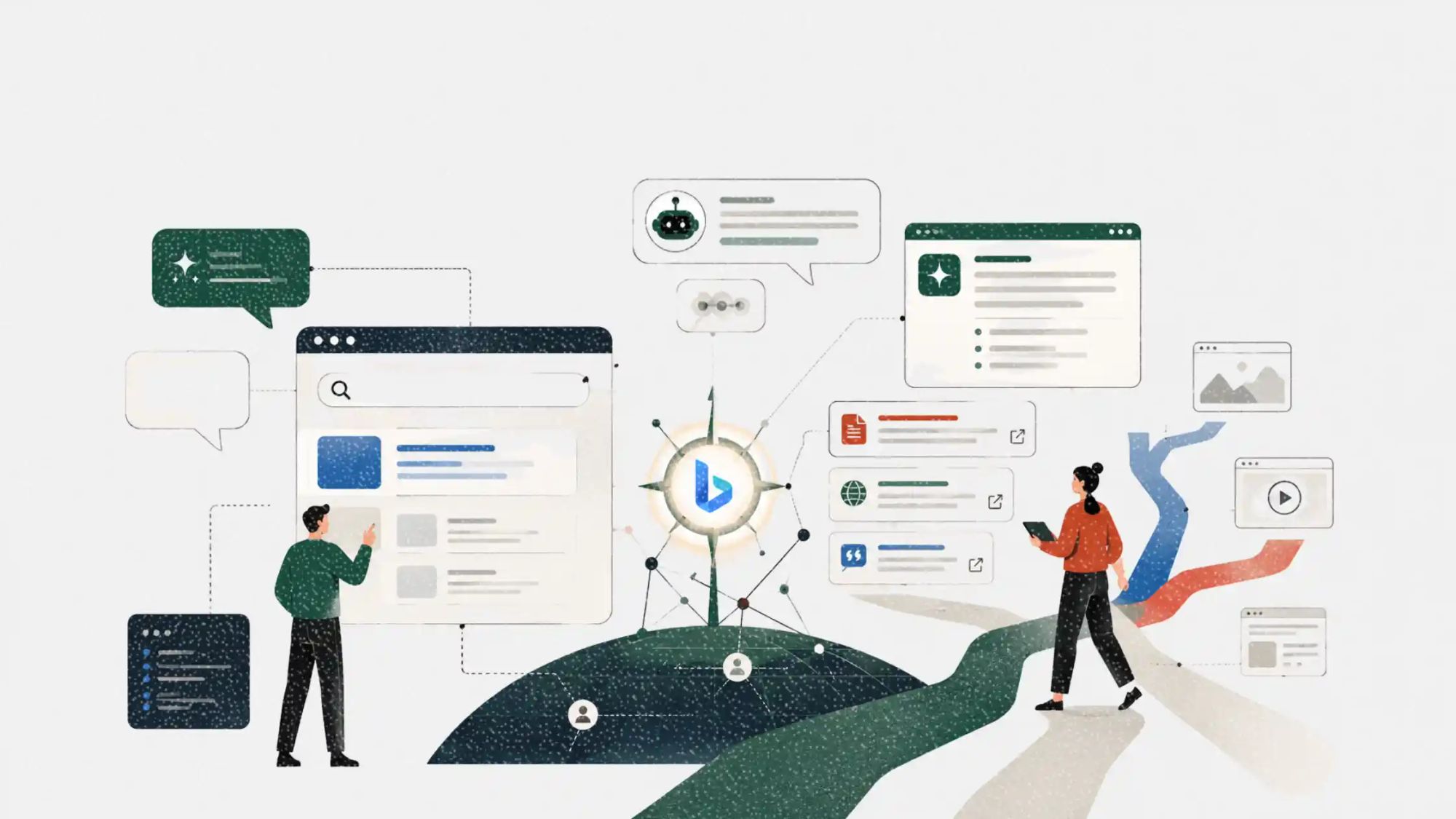
Microsoft says Bing has crossed one billion monthly active users, marking a significant milestone for the search engine as AI-driven search behavior continues to evolve. The announcement came alongside Microsoft’s latest earnings results, where search advertising revenue excluding traffic acquisition costs reportedly grew 12% year over year, while Edge browser gained market share for the 20th consecutive quarter.
The milestone matters because it highlights a broader shift in how users discover information online. Microsoft is positioning Bing, Edge, Copilot, and its AI-powered search ecosystem as increasingly interconnected touchpoints in the consumer decision-making journey.
At the same time, marketers are being pushed to rethink visibility, attribution, and search optimization in a world where AI systems increasingly shape the answers users see before they ever click a link.
Table of contents
Jump to each section:
- Why Bing’s 1B user milestone matters for marketers
- How AI is changing search intent and user behavior
- What Microsoft’s AI visibility tools signal for SEO and advertising
- What marketers should do as AI-driven search evolves
- Why search is becoming a decision infrastructure
 Patrecia Meliana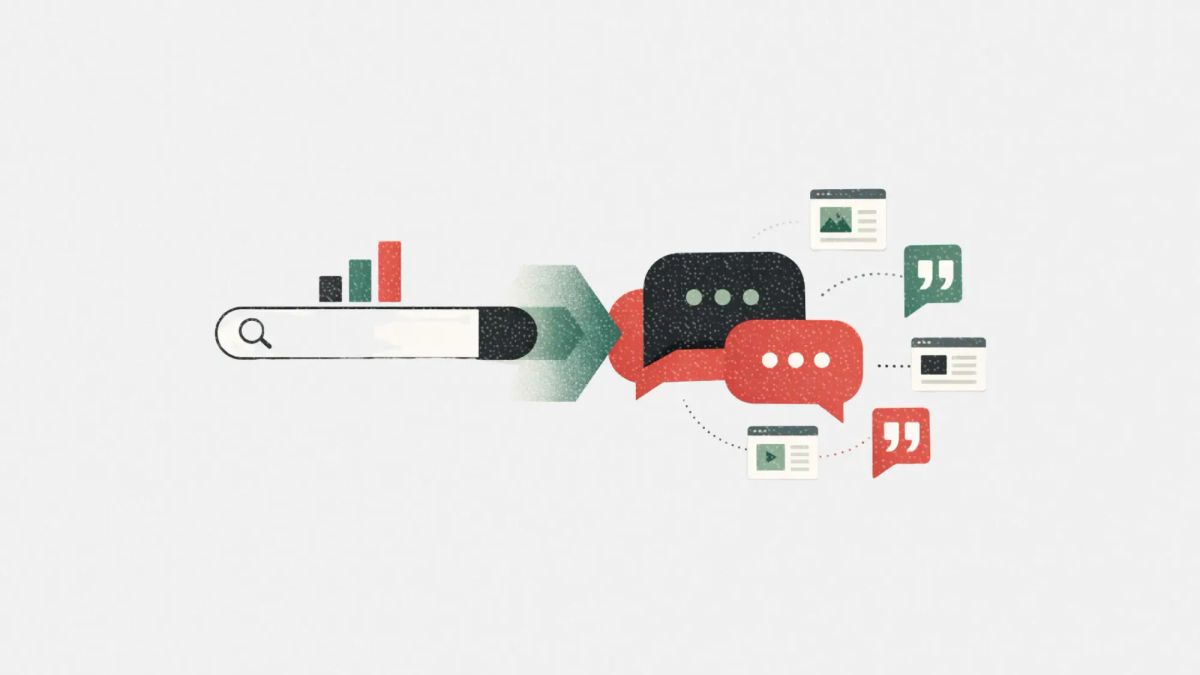
Why Bing's 1B user milestone matters for marketers
Microsoft says Bing has now reached one billion monthly active users, while Edge continues its steady growth trajectory through deeper integration with Windows and Copilot. Search ad revenue also maintained double-digit growth for the third consecutive quarter.
Still, the numbers tell a more nuanced story.
According to the data shared in the announcement, Bing’s global search market share remains around 5% worldwide based on StatCounter’s March 2026 figures. That gap between one billion monthly users and relatively modest market share suggests many users may be interacting with Bing through default browser integrations, Windows workflows, or Copilot experiences rather than actively choosing it as their primary search engine.
For marketers, though, scale is scale.
Even passive or ecosystem-driven search behavior creates opportunities for visibility, especially as Microsoft pushes AI-generated summaries, grounding systems, and conversational search experiences deeper into Bing and Copilot.
Microsoft CEO Satya Nadella also framed the company’s consumer strategy around rebuilding engagement across Bing, Edge, Xbox, and Windows. That indicates Microsoft sees search and AI discovery as central to its broader consumer ecosystem strategy moving forward.
How AI is changing search intent and user behavior
One of the more important takeaways from Microsoft’s announcement is how AI is reshaping the nature of search queries themselves.
Microsoft Advertising data shows that longer, more contextual search queries tied to AI-generated answers are growing, while single-word searches are declining. That shift reflects a major behavioral change.
Users are increasingly using AI systems to narrow down options, compare products, summarize information, and refine decisions before they ever perform a traditional search. By the time they reach Bing or another search platform, their intent is often more specific and commercially actionable.
An IAB and Talk Shoppe study cited in the announcement found that 80% of shoppers now use AI to research and compare products, particularly during the early and middle stages of the buying journey.
For marketers, this changes how content should be structured:
- Informational content now competes not only for clicks but for inclusion in AI-generated summaries
- Search intent is becoming more conversational and context-heavy
- Product comparisons, FAQs, and authoritative explanations become more valuable in AI-mediated discovery
- Visibility increasingly depends on whether AI systems view your content as trustworthy grounding material
This is less about classic keyword stuffing and more about semantic clarity, authority, and structured information architecture.
What Microsoft's AI visibility tools signal for SEO and advertising
Microsoft is also building infrastructure aimed directly at measuring AI visibility. The company highlighted Bing Webmaster Tools features that map grounding queries to cited pages and previewed a new “Citation Share” capability at SEO Week.
Separately, Microsoft introduced AI Performance reporting in Bing Webmaster Tools, designed to show how content appears across Copilot and AI-generated search summaries. That may sound technical, but the implications are substantial.
Traditional SEO focused heavily on rankings and click-through rates. AI search introduces a new layer: whether your content gets selected as part of the answer generation process itself.
This creates a new visibility model where marketers may need to track:
- Citation frequency inside AI-generated answers
- Grounding query alignment
- AI summary inclusion rates
- Authority signals tied to structured expertise
- Cross-platform discoverability between search and AI assistants
In practical terms, marketers may soon optimize not just for search engines, but for AI retrieval systems.
What marketers should do as AI-driven search evolves
The shift toward AI-mediated search visibility creates both risk and opportunity for brands.
Here are several immediate priorities marketers should consider:
- Strengthen authoritative content foundations
AI systems increasingly prioritize clear, trusted, well-structured content. Brands should revisit evergreen explainers, product documentation, FAQ pages, and comparison content to improve semantic clarity and topical authority.
- Optimize for conversational intent
Search behavior is becoming more natural language-driven. Long-tail queries and contextual phrasing matter more than ever.
- Track emerging AI visibility metrics
Marketers should begin experimenting with Bing Webmaster Tools’ AI reporting features and monitor how content surfaces inside AI-generated answers.
- Diversify beyond Google-centric seo
Bing may still trail Google significantly in market share, but Microsoft’s AI integrations across Windows, Edge, and Copilot create alternative discovery channels that marketers should not ignore.
- Prepare for lower click environments
As AI summaries answer more questions directly, publishers and brands may see declining click-through rates even when visibility remains high. That makes branded authority and citation presence increasingly important.
Why search is becoming a decision infrastructure
One of the strongest themes from Microsoft’s announcement is the idea that search is evolving into a “decision infrastructure” rather than simply a discovery tool. The company cited research showing search continues to outperform social and video platforms for product research globally.
In Southeast Asia specifically, Microsoft says search remains a major validation layer for consumers comparing products and making purchase decisions.
That matters because it reinforces an emerging reality for marketers. AI may shape awareness and early exploration, but search still captures high-intent behavior where buying decisions become actionable.
The challenge now is that those journeys are increasingly blended. Users move fluidly between AI assistants, search engines, recommendation systems, and conversational interfaces before making decisions.
For marketers, visibility is no longer just about ranking first. It is about being trusted enough to become part of the answer itself. Brands that adapt early by building authoritative, structured, and AI-friendly content strategies may gain an advantage as discovery increasingly moves from links to generated answers.