
Burger King taps Star Wars fandom to power its latest brand turnaround play
A closer look at Burger King’s Star Wars campaign and what it signals for brand strategy

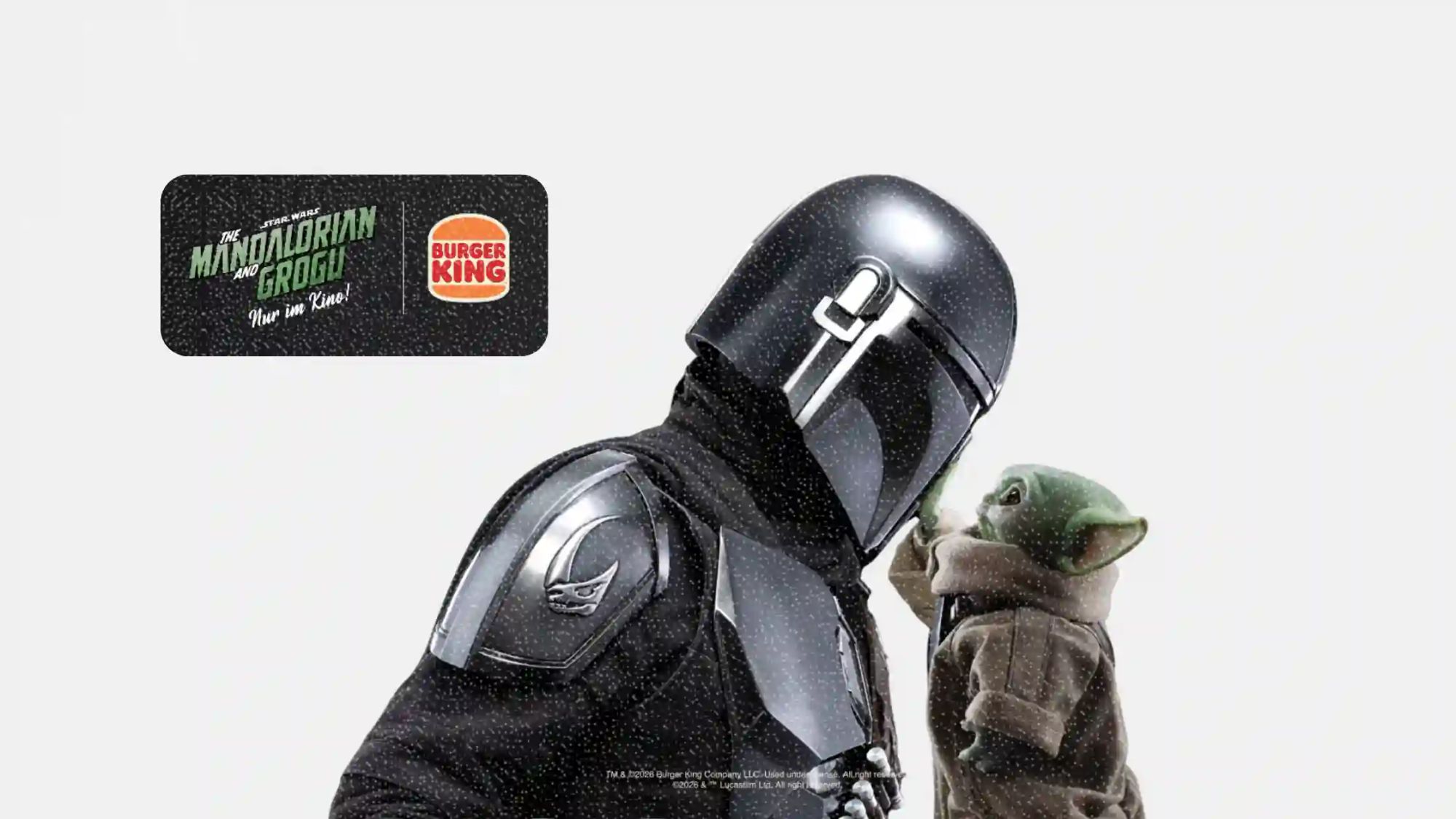
Burger King is leaning into one of the world’s most recognizable franchises to reignite cultural relevance and drive foot traffic. This time, it is teaming up with Disney’s upcoming film The Mandalorian and Grogu to launch a fully integrated campaign spanning menu innovation, packaging, and digital experiences.
This article explores how the collaboration fits into Burger King’s broader turnaround strategy, why fandom-driven marketing is back in focus, and what B2B marketers can learn from this multi-channel activation.
Table of contents
Jump to each section:
- What Burger King launched with The Mandalorian and Grogu
- Why Burger King is doubling down on entertainment partnerships
- How this campaign fits into Burger King’s turnaround strategy
- What marketers should know about fandom-led brand campaigns
 Patrecia Meliana
What Burger King launched with The Mandalorian and Grogu
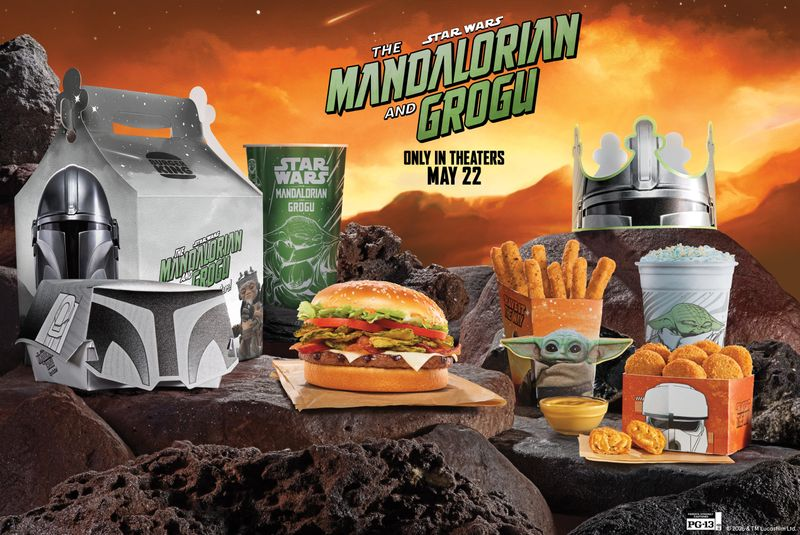
Burger King is rolling out a limited-time, Star Wars-themed menu starting May 4 across participating U.S. locations. The lineup includes several themed items designed to blend novelty with familiar fast-food appeal.
@skytalkers trying EVERYTHING from the new @Burger King @Star Wars The Mandalorian and Grogu meal!!! complete with a toy and a crown 👑✨🍔 which item in the Mando meal are you most excited for? Meal is out May 4th! #burgerking #starwars #themandalorianandgrogu #starwarsfan
♬ Mando is Back - Epic Version - Samuel Kim
Highlights include the BBQ Bounty Whopper served in a helmet-shaped carton, Grogu-inspired desserts like a blue cookie shake, and themed sides such as garlic chicken fries and cheddar ranch tots. The campaign also features collectible cups tied to bundled purchases and combo meals.
The experience extends beyond food. Kids meals launching April 28 include Mandalorian-themed toys, while packaging and in-store visuals are designed to create a cohesive Star Wars environment.
Importantly, the campaign is not limited to physical touchpoints. Customers can engage through the BK app, website, and social content, reinforcing a unified brand narrative across channels.
Patrecia Meliana
Why Burger King is doubling down on entertainment partnerships
This collaboration is part of a broader pattern. Burger King has recently partnered with major entertainment properties like SpongeBob SquarePants and How to Train Your Dragon, with those campaigns helping drive kids meal sales to multi-year highs.
The logic is straightforward. Entertainment IP offers built-in audience affinity, cross-generational appeal, and cultural relevance that traditional campaigns often struggle to replicate.
For Burger King, Star Wars is especially strategic. The franchise has decades of legacy and a fan base that spans parents, teens, and children. That makes it a rare asset capable of unifying multiple customer segments under one campaign.
There is also historical resonance. Burger King has collaborated with Star Wars in the past, and reconnecting with the franchise signals a return to culturally significant partnerships.
How this campaign fits into Burger King's turnaround strategy
The Star Wars activation aligns closely with Burger King’s ongoing effort to reposition itself as a more guest-centric and culturally relevant brand.
Recent moves include the “There’s A New King And It’s You” campaign, which emphasized customer empowerment and even retired the long-standing King mascot.
At the same time, the company is investing heavily in operations, including a plan to hire up to 60,000 employees across its U.S. locations.
From a marketing perspective, the Star Wars partnership serves multiple purposes:
- Reinforces brand modernization through high-energy, culturally relevant storytelling
- Signals investment and innovation to both customers and potential employees
- Creates a consistent, cross-channel brand experience from social media to in-store
The emphasis on a “unified vision” across touchpoints suggests a shift toward more integrated campaign planning, where creative, media, PR, and digital are aligned from the outset.
Patrecia Meliana
What marketers should know about fandom-led brand campaigns
For B2B marketers and brand strategists, Burger King’s approach offers several actionable insights:
1. Fandom is a shortcut to relevance
Partnering with established IP can accelerate audience engagement, but only if the execution feels authentic and immersive.
2. Integration matters more than the idea
The campaign spans menu design, packaging, app experiences, and social content. This level of integration is what turns a promotion into a brand moment.
3. Multi-generational targeting is back in focus
Campaigns that resonate across age groups can drive higher household penetration, especially in categories like QSR and retail.
4. Cultural timing is critical
Launching around “May the Fourth” and ahead of the film release ensures the campaign rides existing momentum rather than creating it from scratch.
5. Internal alignment is a competitive advantage
Burger King involved agencies and partners early to maintain consistency. For marketers, this reinforces the value of cross-functional collaboration from day one.
Patrecia Meliana
Burger King’s Star Wars campaign is more than a themed menu. It is a calculated move to reinsert the brand into the cultural conversation while reinforcing a broader shift toward customer-centric, integrated marketing.
For marketers, the takeaway is clear. Cultural relevance is no longer optional, but it requires more than surface-level partnerships. The brands that win are the ones that build cohesive, cross-channel experiences around moments audiences already care about.