Chord raises $7M to expand its context platform for AI-driven commerce
Chord’s $7M round supports a platform that unifies commerce data for reporting and activation as brands push AI into daily decisions.

Chord has raised $7 million to support its context platform for AI-driven commerce, focused on unifying commerce and customer data from multiple systems into a layer that can be used for analysis and activation.
The round adds to prior publicly reported funding, bringing total publicly reported capital to about $31.5 million. The update signals continued investment in first-party commerce data foundations as brands try to operationalize AI without relying on fragmented reporting and inconsistent identifiers.
Table of contents
Jump to each section:
- What Chord’s context platform does for commerce teams
- Why a data “context layer” is becoming an AI prerequisite
- How Chord competes in commerce data and CDP-style tooling
- What marketers and operators should prioritize after unification
What Chord’s context platform does for commerce teams
Chord positions its product as a unifying data platform for commerce brands, consolidating inputs from multiple business systems into a single layer used for reporting, segmentation, and AI-assisted decisions. In practice, this typically means building a consistent view across customer, product, order, and marketing performance data so teams are not stitching insights together across tools.
For mid-market and enterprise commerce organizations, the operational value is often less about a single dashboard and more about dependable data definitions. If the business cannot agree on what “new customer,” “repeat purchase,” or “contribution margin” means across systems, downstream automation and AI recommendations degrade quickly.
Notable customers cited include Sonos, Blue Bottle Coffee, Caraway, and Rodan + Fields, indicating the platform targets brands with meaningful multi-channel complexity rather than early-stage stores.
 ContentGrip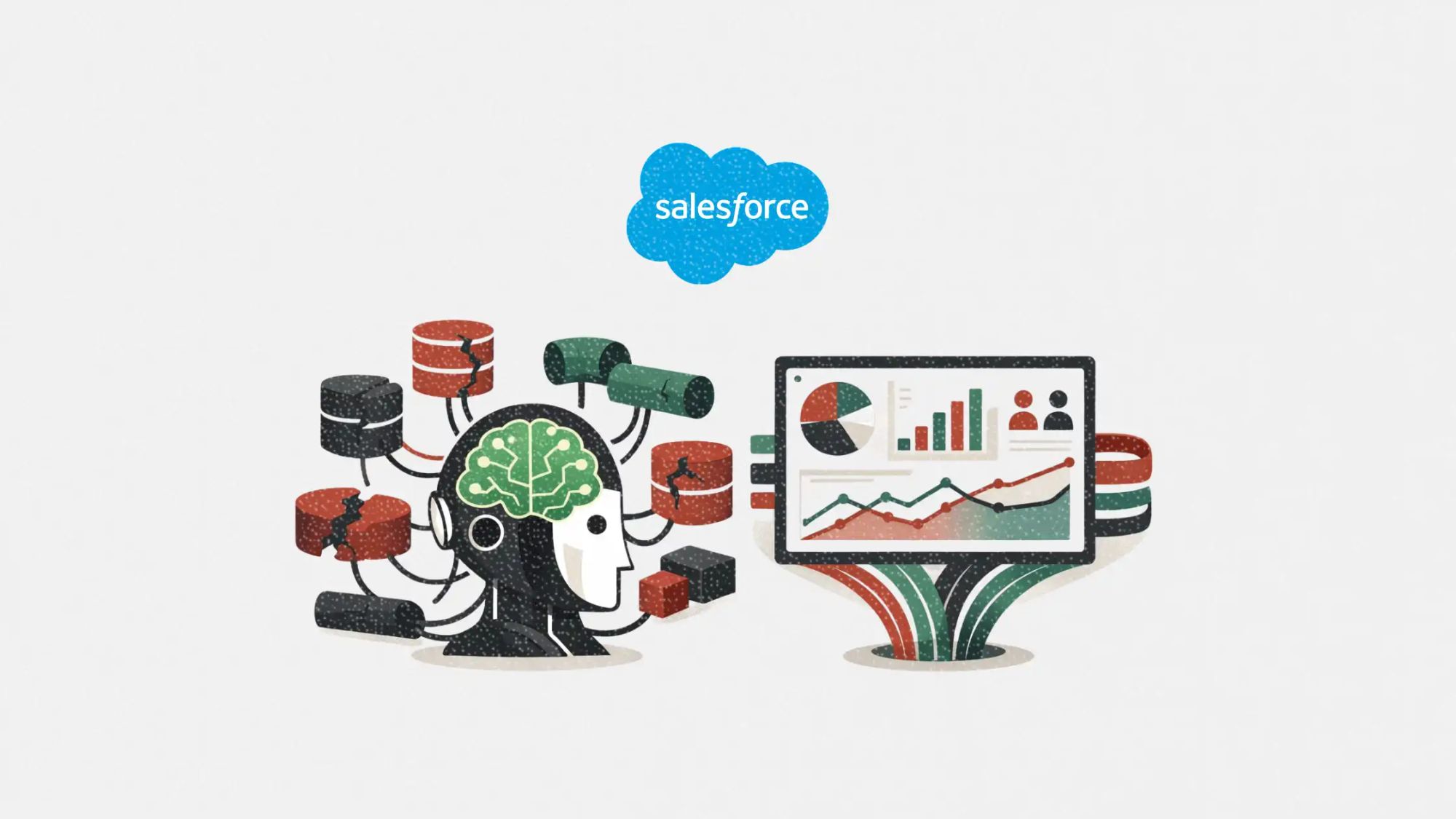
Why a data "context layer" is becoming an AI prerequisite
As AI-native SaaS expands, many commerce teams are learning that model quality is constrained by data quality and data accessibility. “Context” in this setting typically includes clean identifiers, consistent event schemas, and reconciled data across ecommerce platforms, subscription tools, fulfillment, and marketing channels.
This is where first-party data infrastructure becomes a strategic asset. With privacy changes and platform signal loss, brands increasingly need their own durable data layer to support segmentation, measurement, and lifecycle triggers. The implied bet behind this funding is that commerce brands will keep shifting budget from point solutions toward systems that make data reusable across marketing, merchandising, and operations.
How Chord competes in commerce data and CDP-style tooling
Chord sits in a competitive commerce data infrastructure segment that overlaps with ecommerce analytics platforms and CDP-style products built for commerce teams. The competitive set includes Triple Whale, SoundCommerce, Bloomreach, and Klaviyo.
Differentiation in this landscape often comes down to two factors:
- Primary buyer and workflow: Some competitors lead with marketing activation and messaging, while others emphasize measurement and attribution. Chord’s framing suggests a broader “unified layer” intended to feed multiple teams, not just performance marketing.
- Depth of unification: Many platforms integrate data, but fewer create consistent business logic that can be relied on for both reporting and automation. If Chord can standardize definitions and make them portable into activation and AI workflows, it competes as infrastructure rather than a single-channel tool.
Given the crowded category, sustained adoption is likely to depend on implementation time, reliability of connectors, and the ability to support both marketing and operational decision-making without extensive custom data engineering.
What marketers and operators should prioritize after unification
Once a unified context layer exists, the next challenge is converting “better data” into repeatable workflows:
- Audience governance: Define who owns segmentation logic and how it is versioned across teams.
- Measurement discipline: Align on a small set of KPIs that connect marketing to margin and inventory realities, not only top-line revenue.
- AI guardrails: If AI recommendations influence spend or merchandising, teams need approval flows, explainability, and monitoring for drift in data definitions.
- Activation pathways: Ensure the unified layer can push audiences and insights into the tools teams already use, otherwise it becomes another reporting destination.
The funding round suggests Chord will keep investing in making that data layer usable for daily decisions, not just analytics, as AI becomes more embedded in commerce operations.