Dua Lipa sues Samsung over TV box image use, raising new brand safety questions for marketers
Samsung’s Dua Lipa lawsuit shows why marketers need stronger image rights governance and creator licensing controls

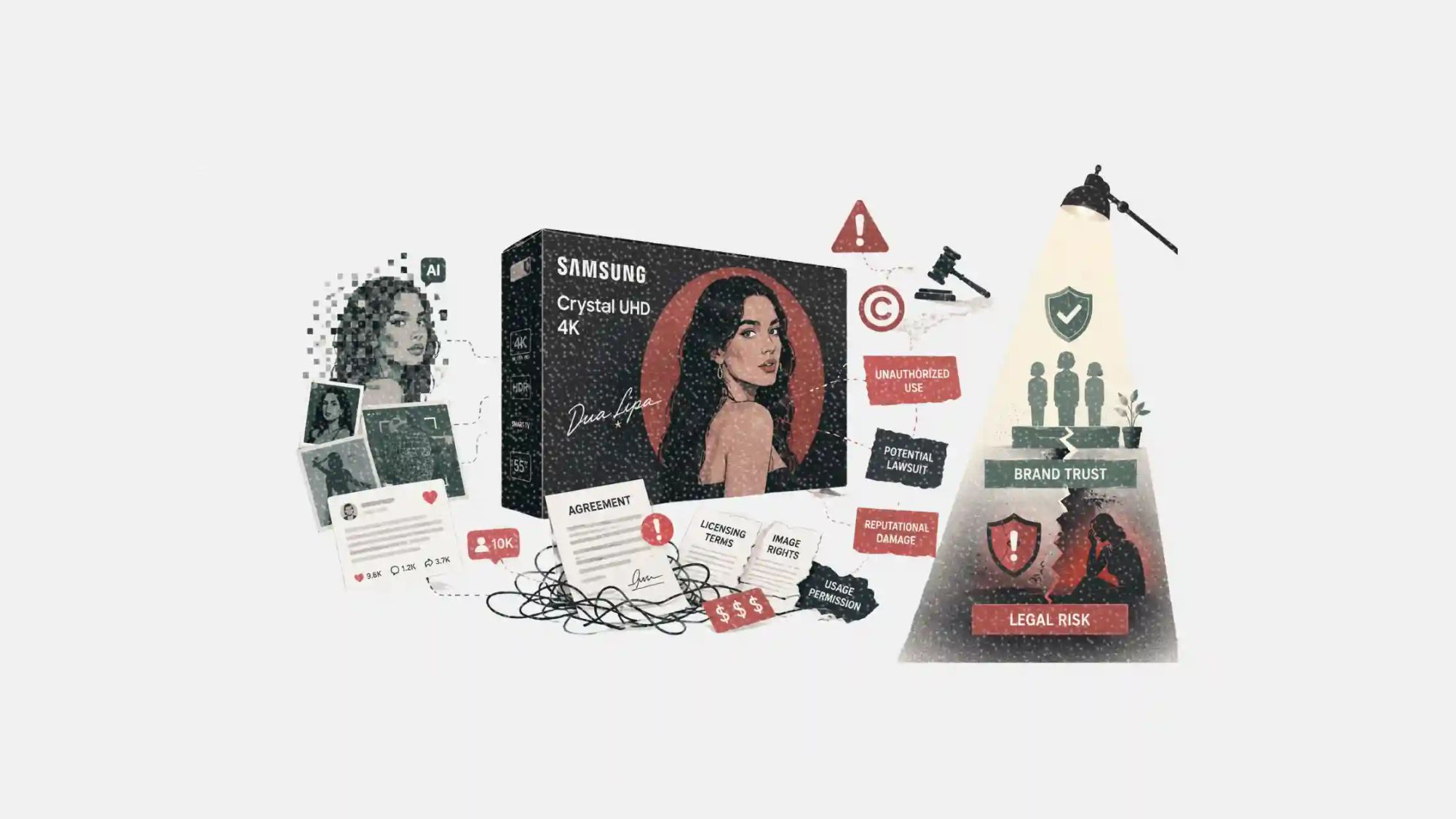
Samsung is facing a US$15 million lawsuit from pop star Dua Lipa after allegedly using her image on television packaging without permission. While the legal dispute is centered on copyright, trademark infringement, and publicity rights, the fallout stretches far beyond entertainment law.
For marketers and brand teams, this case is another reminder that celebrity likeness, creator identity, and image licensing are becoming high-risk territory. As brands move faster with retail partnerships, content syndication, AI-generated assets, and platform collaborations, even a packaging decision can escalate into a global reputational issue.
This article explores what happened between Dua Lipa and Samsung, why the lawsuit matters for marketers, and what brand teams should learn about licensing, creator rights, and image governance in modern campaigns.
Table of contents
Jump to each section:
- What happened between Dua Lipa and Samsung
- Why the lawsuit matters beyond entertainment law
- What marketers should know about image rights and brand safety
- Why creator likeness disputes are becoming a bigger marketing risk
- What this means for global brands and campaign teams
What happened between Dua Lipa and Samsung
Dua Lipa filed a lawsuit in the US District Court for the Central District of California, accusing Samsung of using her image on TV packaging sold in the United States without authorization.
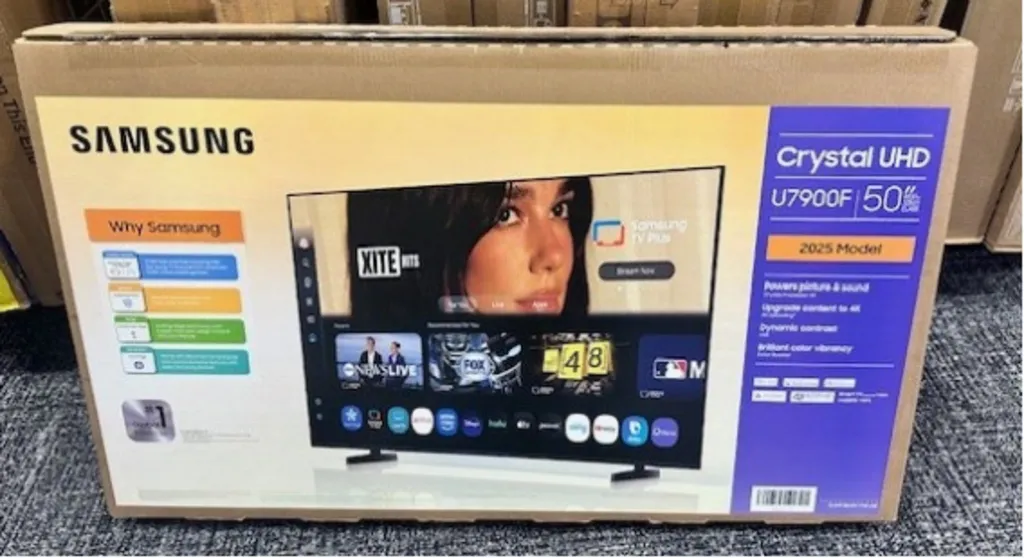
According to the complaint, the image originated from her 2024 Austin City Limits Festival appearance. Lipa’s legal team claims Samsung used the photograph as part of a mass-market retail campaign that implied endorsement or affiliation with Samsung products.
The lawsuit alleges:
- Copyright infringement
- Trademark infringement
- Misappropriation of likeness and image rights
- Unauthorized commercial endorsement implications
The complaint also argues that Samsung ignored repeated requests to stop using the packaging.
Samsung denied wrongdoing, stating that the image came from a third-party content partner tied to Samsung TV Plus and that the company received assurances the image had been properly licensed before use. According to The Straits Times, Samsung also claimed it stopped box production and began replacing packaging after concerns were raised.
Social media reactions reportedly amplified the issue, with users referring to the product as the “Dua Lipa TV Box” and suggesting her image influenced purchasing decisions.
For marketers, that detail matters. Courts often examine whether consumers could reasonably interpret branding elements as endorsements, especially when celebrity likeness is involved.
Why the lawsuit matters beyond entertainment law
At first glance, this looks like a standard celebrity licensing dispute. But the marketing implications are much broader.
Modern campaigns increasingly rely on:
- Creator imagery
- syndicated media assets
- AI-enhanced visuals
- influencer partnerships
- platform-provided promotional content
That creates a growing chain-of-custody problem around rights management.
Samsung’s defense hinges on assurances from a content provider. But from a reputational perspective, audiences rarely distinguish between a brand and its vendor ecosystem. If a campaign appears unauthorized, the backlash lands on the brand itself.
This is especially risky in a media environment where audiences are highly sensitive to exploitation, consent, and authenticity.
The case also lands during a wider industry reckoning over digital likeness rights, AI-generated media, and creator ownership. Recent disputes involving AI-generated celebrity voices, synthetic avatars, and unauthorized creator remixes show how quickly legal and ethical lines are blurring.
What marketers should know about image rights and brand safety
For marketing teams, this lawsuit highlights several operational risks that are often overlooked during campaign execution.
1. Vendor assurances are not enough
A licensing confirmation from a third party does not eliminate reputational exposure.
Brands should require:
- documented usage rights
- geographic limitations
- retail packaging approvals
- endorsement permissions
- expiration timelines
This becomes even more important when campaigns involve celebrity imagery or creator likenesses.
2. Packaging is marketing, not just logistics
Retail packaging is often treated as a production issue rather than a brand communications channel.
But packaging can imply endorsement just as strongly as:
- paid ads
- sponsorships
- influencer partnerships
- digital campaigns
That means packaging assets should undergo the same legal and brand review process as advertising creative.
3. Social amplification changes legal risk
Consumer interpretation matters.
When audiences publicly associate a celebrity with a product, that can strengthen arguments around implied endorsement or consumer confusion.
The internet turns packaging into viral content instantly. A retail box can become a social media campaign without the brand planning for it.
4. Creator rights are now brand trust issues
Audiences increasingly expect brands to respect creators, artists, and public figures.
Even if a dispute is legally defensible, perception can still damage trust.
This is becoming especially important as AI-generated media and synthetic likenesses become more common across campaigns.
Why creator likeness disputes are becoming a bigger marketing risk
The Dua Lipa lawsuit is part of a larger shift happening across media, entertainment, and advertising.
Brands are entering an era where identity itself is becoming licensable, replicable, and increasingly contested.
Recent industry flashpoints include:
- AI-generated creator avatars
- synthetic celebrity voices
- unauthorized AI remixes
- deepfake marketing concerns
- disputes over training data and copyrighted imagery
Major media companies are already escalating legal action around AI-generated likeness and intellectual property usage. For example, Warner Bros. previously sued Midjourney over AI-generated superheroes and cartoon icons.
At the same time, creator culture has fundamentally changed audience expectations. Consumers now recognize creators and celebrities as brands with commercial value, not just talent.
That means marketers need governance frameworks that cover:
- likeness rights
- synthetic media policies
- AI disclosure
- creator consent standards
- image sourcing audits
Without these safeguards, campaigns can create legal, reputational, and platform risks simultaneously.
 Amanda E. Clark
What this means for global brands and campaign teams
The Dua Lipa-Samsung dispute is not just about one retail campaign. It reflects a wider collision between marketing speed, content ecosystems, and ownership rights.
As brands scale campaigns across streaming, commerce, retail, AI tools, and creator partnerships, the operational complexity around rights management is increasing rapidly.
For marketers, the takeaway is straightforward:
- treat likeness rights as strategic risk management
- audit third-party content pipelines carefully
- establish approval workflows for packaging and retail creative
- update contracts to address AI and synthetic media usage
- prepare crisis response plans for creator disputes
The brands that adapt fastest will not just avoid lawsuits. They will build stronger trust with creators, audiences, and partners in a media environment where authenticity is becoming a competitive advantage.