
adidas brings FIFA World Cup 2026 pet jerseys to with matching kits for owners and pets
The sportswear giant is turning football fandom and pet culture into a lifestyle marketing play ahead of FIFA World Cup 2026™.

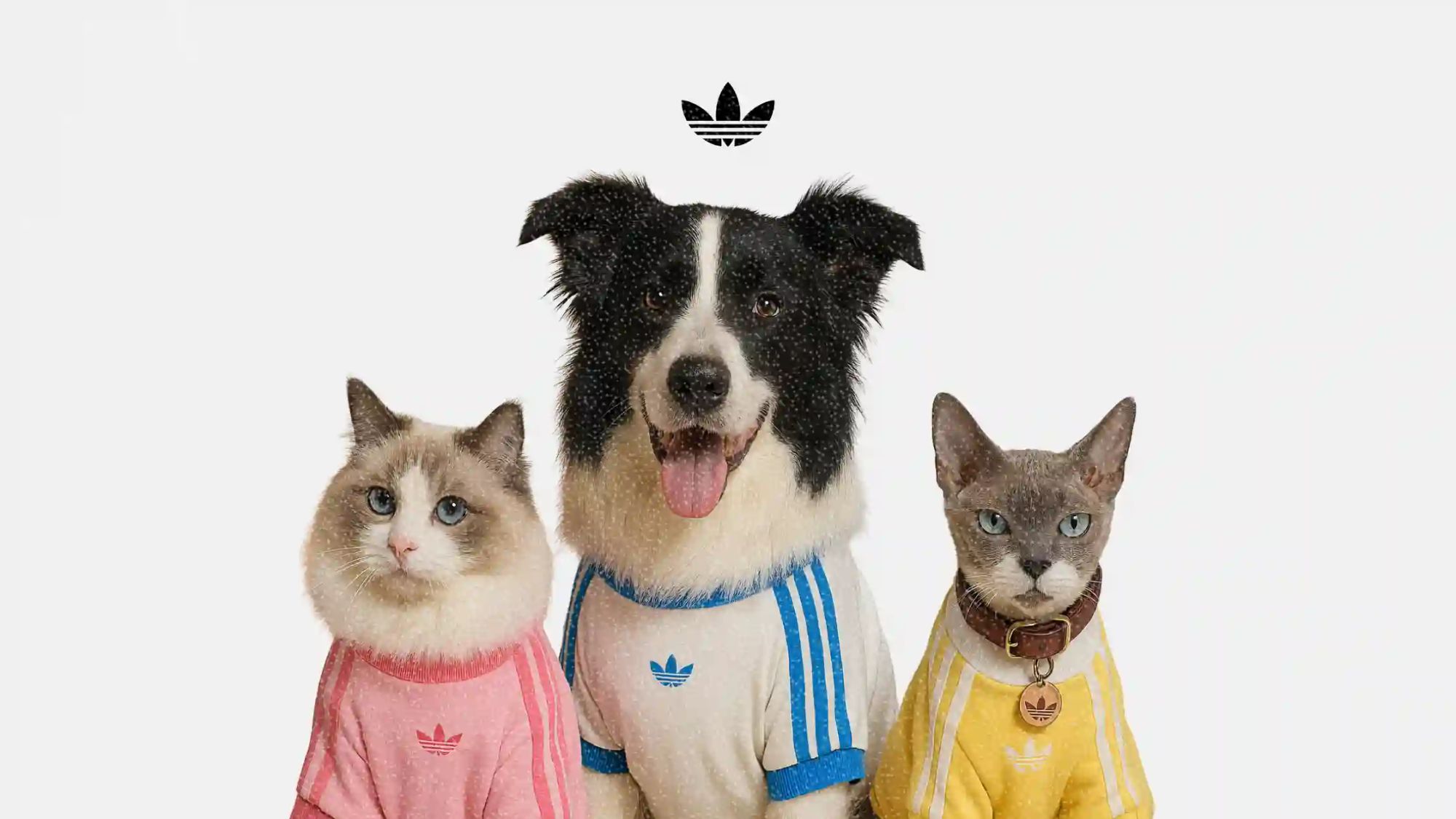
adidas is extending football fandom beyond human supporters with the launch of its FIFA World Cup 2026™ Home Jerseys Pet Collection, bringing matching federation kits for pets and owners to selected global markets, including Singapore.
The move reflects a growing intersection between sports culture, lifestyle branding, and the booming pet economy. For marketers, it is another example of how major brands are turning emotional identity and fandom into lifestyle-driven retail experiences that travel well across social media, community events, and creator culture.
Rather than treating pet merchandise as a novelty add-on, adidas is positioning the collection as part of a broader cultural storytelling strategy tied to the FIFA World Cup 2026™. The campaign leans heavily into personalization, emotional connection, and “Mini-Me” styling, which continues to resonate strongly with younger urban consumers and pet-first audiences.
Table of contents
Jump to each section:
- Why adidas is launching FIFA World Cup 2026 pet jerseys
- How adidas is connecting football culture with pet lifestyle marketing
- What marketers should know about fandom-driven lifestyle branding
- Why pet culture is becoming a serious branding opportunity
- What this means for sportswear and consumer brands
Why adidas is launching FIFA World Cup 2026 pet jerseys
adidas has unveiled a new FIFA World Cup 2026™ Home Jerseys Pet Collection featuring pet jerseys inspired by the home kits of Argentina, Japan, Mexico, and Colombia.
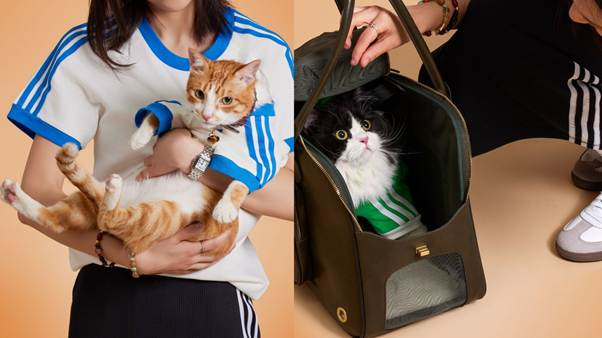
The collection is launching across North America, Latin America, and selected Asian markets, with Singapore receiving Argentina and Japan editions as part of adidas’ first pet-focused collection rollout in the market.
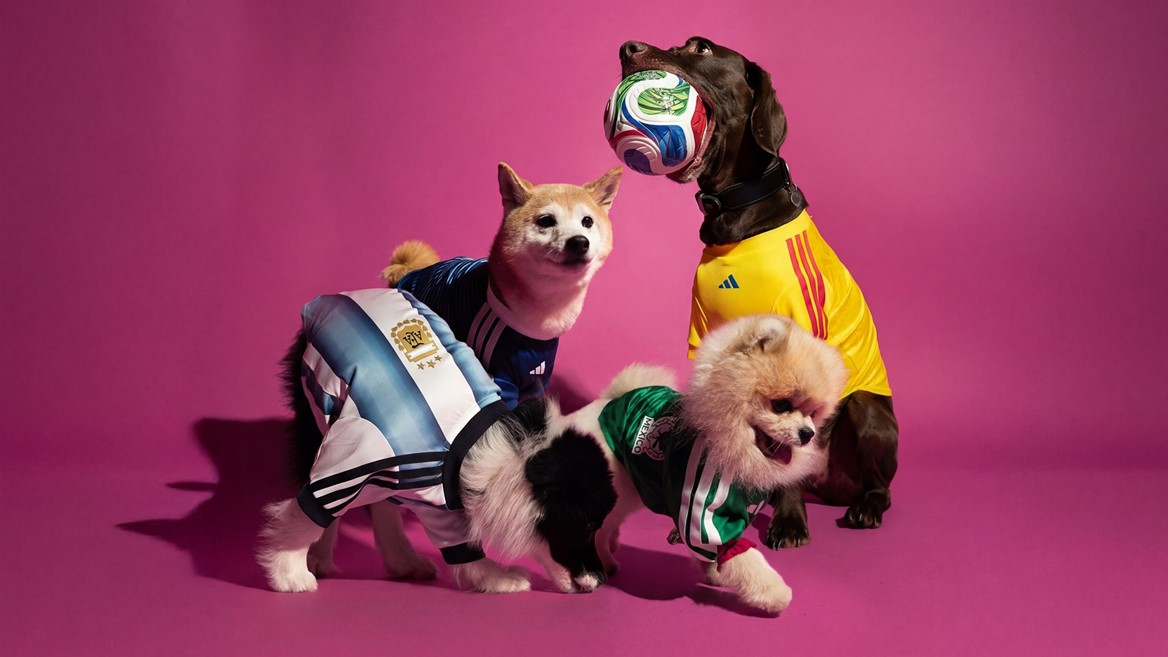
The brand describes the collection as an extension of the “Mini-Me” concept, allowing owners and pets to wear coordinated outfits connected to football culture and personal identity.
The jerseys feature heat-transferred federation crests and adidas branding while adapting the World Cup kit designs into pet-friendly formats for different sizes and comfort needs.
adidas is also expanding the collection beyond jerseys with apparel and accessories such as the Cali tee, premium collars, LED Trefoil collars, and customizable pet bandanas.
How adidas is connecting football culture with pet lifestyle marketing
This launch is bigger than sports merchandise. adidas is tapping into three overlapping consumer trends at once:
- Football fandom as identity expression
- Pets as extensions of lifestyle and family culture
- Social-first fashion and matching aesthetics
The strategy works because it turns sportswear into a shareable lifestyle experience instead of a purely functional purchase.
The brand is also aligning the launch with experiential retail and community marketing. In Singapore, the collection debuts at Furkids Fiesta @ Clarke Quay Fountain Square before broader retail availability. That matters because modern pet consumers increasingly expect brands to create events, communities, and content ecosystems around products.
At the same time, adidas is folding the pet collection into its wider FIFA World Cup 2026™ campaign narrative, which already includes nostalgia-heavy storytelling, creator-led campaigns, and retro-inspired kit design through the return of the Trefoil logo.
This creates consistency across lifestyle, sports, and social content marketing rather than treating the pet category as a disconnected experiment.
What marketers should know about fandom-driven lifestyle branding
For marketers, adidas’ approach offers several useful signals about where consumer branding is heading.
1. Emotional identity now drives merchandise value
Consumers increasingly buy products that reflect personal identity and community belonging. Matching pet-and-owner apparel creates emotional visibility that naturally performs well on social platforms.
2. Lifestyle extensions can outperform traditional merch
Instead of relying only on jerseys, adidas expanded into accessories and customization options. That increases repeat purchase opportunities while encouraging user-generated content.
3. Community events matter more than product drops alone
Launching through pet-focused events helps transform the product into a social experience. Brands that combine physical activations with lifestyle communities often gain stronger organic reach and creator participation.
4. Cross-category branding is becoming mainstream
Sportswear brands are no longer competing only in athletic apparel. They are competing in lifestyle culture, entertainment, pet ownership, and creator-driven identity spaces simultaneously.
Why pet culture is becoming a serious branding opportunity
The pet economy is no longer niche.
Across major urban markets, pets increasingly function as part of household identity and social behavior. That shift is creating new opportunities for brands to build emotional loyalty through products designed for both owners and pets.
Pet audiences are now heavily tied to:
- Social commerce
- Creator content
- Experience-led retail
- Personalized products
- Community-driven engagement
That makes pet-focused campaigns particularly attractive for brands looking to generate organic social visibility and emotional resonance.
The adidas launch also shows how sports marketing is evolving beyond matchday engagement. Football fandom is becoming part of everyday lifestyle storytelling, especially among younger consumers who blend fashion, internet culture, and personal identity into a single ecosystem.
What this means for sportswear and consumer brands
adidas’ FIFA World Cup 2026™ pet collection highlights how brands are increasingly building marketing around emotional participation rather than pure product utility.
For sportswear companies, the message is clear: fandom now extends into lifestyle, pets, creators, and social identity.
For marketers outside sports, the bigger takeaway is that communities built around passion points often create stronger engagement than broad demographic targeting alone.
Brands that successfully connect culture, personalization, and lifestyle experiences will likely outperform those still relying on traditional campaign thinking.
As the World Cup approaches, expect more brands to experiment with fandom-adjacent merchandise, creator collaborations, and pet-focused retail experiences designed specifically for social amplification.