
Duolingo lets learners recover lost streaks for Duo’s birthday, and it’s a retention play marketers should watch
Duolingo is finally granting one of its most requested features, giving lapsed learners a path back while showcasing how product design can drive re-engagement.

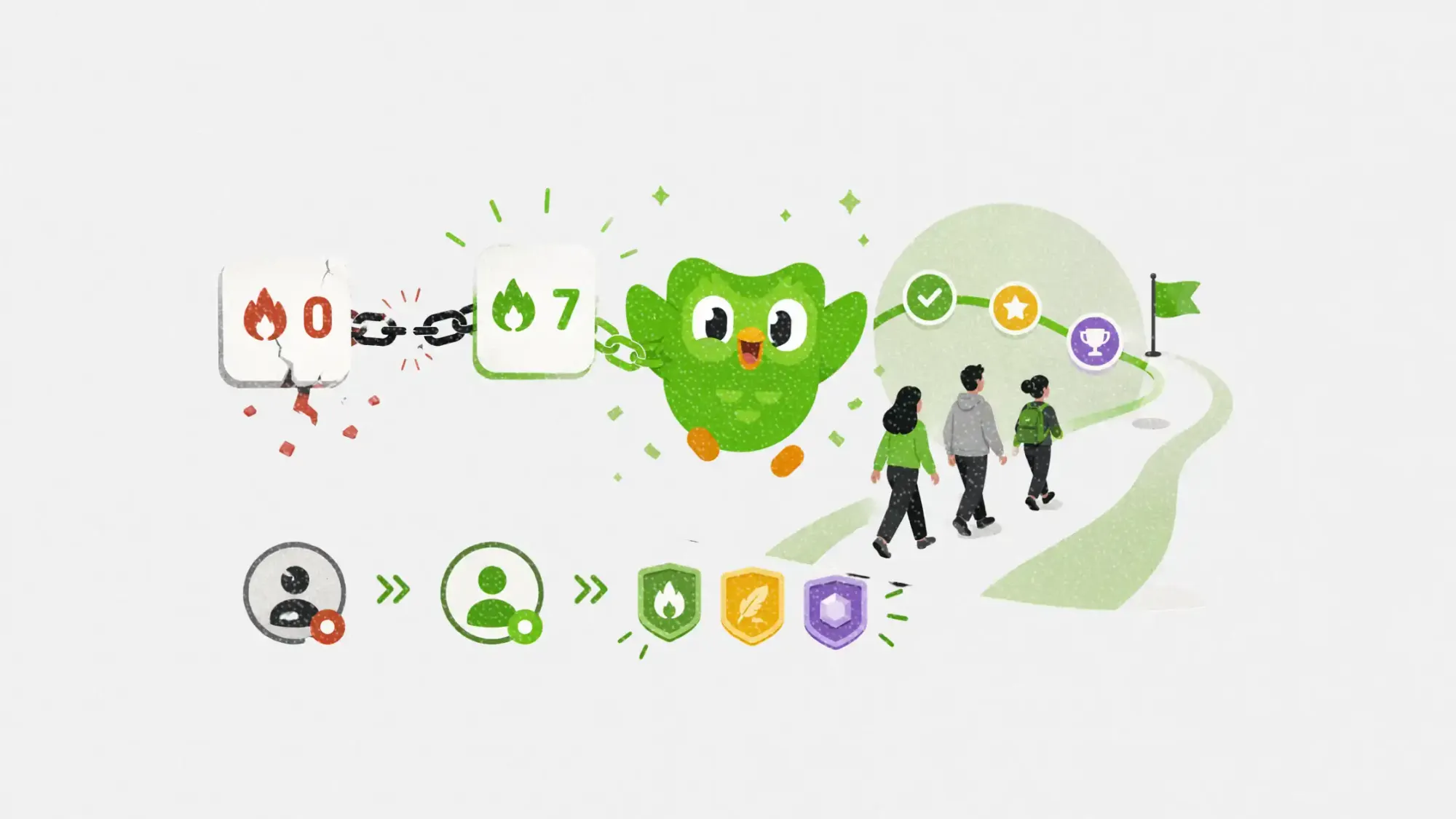
Duolingo is giving former learners a second chance. As part of a month-long global campaign tied to the birthday of its mascot Duo, the language learning platform is allowing eligible users to restore their longest lost streaks, something its community has been requesting for years.
The move is more than a goodwill gesture. It reflects a broader retention strategy focused on reducing friction for returning users while reintroducing them to an expanded product ecosystem. For marketers, it offers a useful case study in how brands can turn a highly emotional user pain point into a re-engagement opportunity. This article follows ContentGrip's editorial structure and guidance.
Table of contents
Jump to each section:
- Why Duolingo is bringing back lost streaks
- What the streak revival campaign includes
- Why this matters beyond language learning
- What marketers should know
 Patrecia Meliana
Why Duolingo is bringing back lost streaks
From 1 to 30 June, eligible Duolingo users who previously maintained a streak of at least 30 days can recover their longest streak by completing three lessons in a single session.
According to the company, restoring lost streaks has consistently ranked among the most common requests from learners. Over the past year, tens of thousands of users across more than 80 countries reportedly contacted Duolingo through social media channels asking for a way to reclaim their streaks.
The challenge for Duolingo has always been balancing motivation with forgiveness. Streaks encourage daily engagement, but losing a long-running streak can create enough frustration that users stop learning altogether.
The new initiative is designed to remove that barrier and encourage former learners to return.
What the streak revival campaign includes
The streak recovery feature is only part of the campaign.
Duolingo is also using the initiative to spotlight several product updates that many inactive users may have missed, including:
- Expanded advanced content across its nine most popular language courses
- New free tools such as Speaking Adventures
- Flashcards for review and retention
- Explain My Answer learning support
- Practice Hub for additional exercises
- A new Duolingo Score system designed to track progress against curriculum benchmarks
The company also highlighted growth beyond language learning. Its Chess course has reportedly become the fastest-growing subject on the platform, reaching seven million daily learners in under a year. Duolingo has also expanded its Math offerings, covering topics from elementary through high school levels.
According to chief product officer Cem Kansu, Duo's birthday provided the right opportunity to give learners the recovery option they had been requesting for years.
Why this matters beyond language learning
Duolingo's decision reflects a wider trend in product-led growth: reducing penalties for users who want to come back.
Many digital products are designed around habit formation. Daily streaks, loyalty points, badges, and gamified rewards help build routine. The downside is that once users break that routine, they can feel disconnected from their previous progress.
Rather than treating disengaged users as churned customers, Duolingo is treating them as recoverable users.
The strategy also aligns with the company's broader brand positioning. Duolingo has built one of the most recognizable personalities in modern marketing through Duo, its mascot known for humorous and often chaotic social media content. That personality has helped the company expand beyond education into cultural relevance, especially among Gen Z audiences.
The campaign arrives as Duolingo continues broadening its business model. Last year, the company introduced Duolingo Ads, a character-led advertising platform designed to help brands engage younger audiences through native, entertainment-focused experiences.
What marketers should know
1. Fixing friction can outperform acquiring new users
Many brands focus heavily on acquisition while overlooking former customers.
Duolingo identified a specific reason people were not returning and built a campaign around removing that obstacle. The lesson is straightforward: sometimes the biggest growth opportunity is reducing the emotional cost of re-entry.
2. Product updates need a reason to be rediscovered
The streak revival campaign doubles as a product showcase.
Instead of launching new features in isolation, Duolingo created an event that gives former users a reason to revisit the platform and discover those updates naturally.
3. Gamification works best when it balances motivation and flexibility
Streaks are powerful because they encourage consistency.
However, excessive punishment can backfire. By allowing users to recover a lost streak under specific conditions, Duolingo maintains the value of streaks while reducing the risk of permanent disengagement.
4. Community feedback can become product strategy
This campaign exists because users repeatedly asked for it.
Marketers often collect feedback but fail to turn it into visible action. Duolingo is showing what happens when customer requests become a public product initiative rather than a support ticket response.
5. Emotional retention matters as much as functional retention
The value of a streak is not technical. It is emotional.
People attach meaning to milestones, achievements, and visible progress. Brands that understand those emotional investments can create stronger retention strategies than those focused solely on features.
 Patrecia Meliana
Duolingo's streak revival campaign may look like a simple birthday promotion, but it highlights a deeper retention principle: people are more likely to return when brands remove the psychological barriers that keep them away.
By restoring lost progress, celebrating learner achievements, and using the moment to introduce new features, Duolingo is turning a long-standing customer complaint into a re-engagement opportunity. For marketers, the campaign serves as a reminder that growth often starts with helping former users feel welcome again.