Google Ads puts AI dubbing for 33 languages inside Asset Studio
Google Ads is moving multilingual video production into Asset Studio, but eligibility and creative controls remain unclear.


Google Ads is reportedly giving select advertisers an AI tool that can translate and dub existing video creative across 33 languages and locales inside Asset Studio. The feature moves another production task into the same interface where campaigns are prepared and bought.
For marketers, the immediate appeal is speed. A team could take one approved video and create localized versions without starting a separate translation, casting, recording and editing process for every market. But the rollout is limited, and Google’s public documentation retrieved for this article does not yet confirm the full language list, eligibility rules or editing controls.
Key Takeaways
- Select advertisers can reportedly translate and dub video creative across 33 languages and locales inside Asset Studio.
- The bigger shift is operational because localization is moving into the platform where media is created and bought.
- APAC teams still need human review for translation, pronunciation, tone, disclosure and cultural context.
Table of contents
Jump to each section:
- What the reported dubbing tool does
- Why this changes production economics
- The media platform is becoming the production stack
- What APAC marketers should verify
What the reported dubbing tool does
Search Engine Land reports that Video Ads Dubbing can translate and dub an advertiser’s existing video inside Asset Studio. Access is currently limited to select users and is reportedly free for those users.
33 languages and locales are included in the reported rollout, according to Search Engine Land.
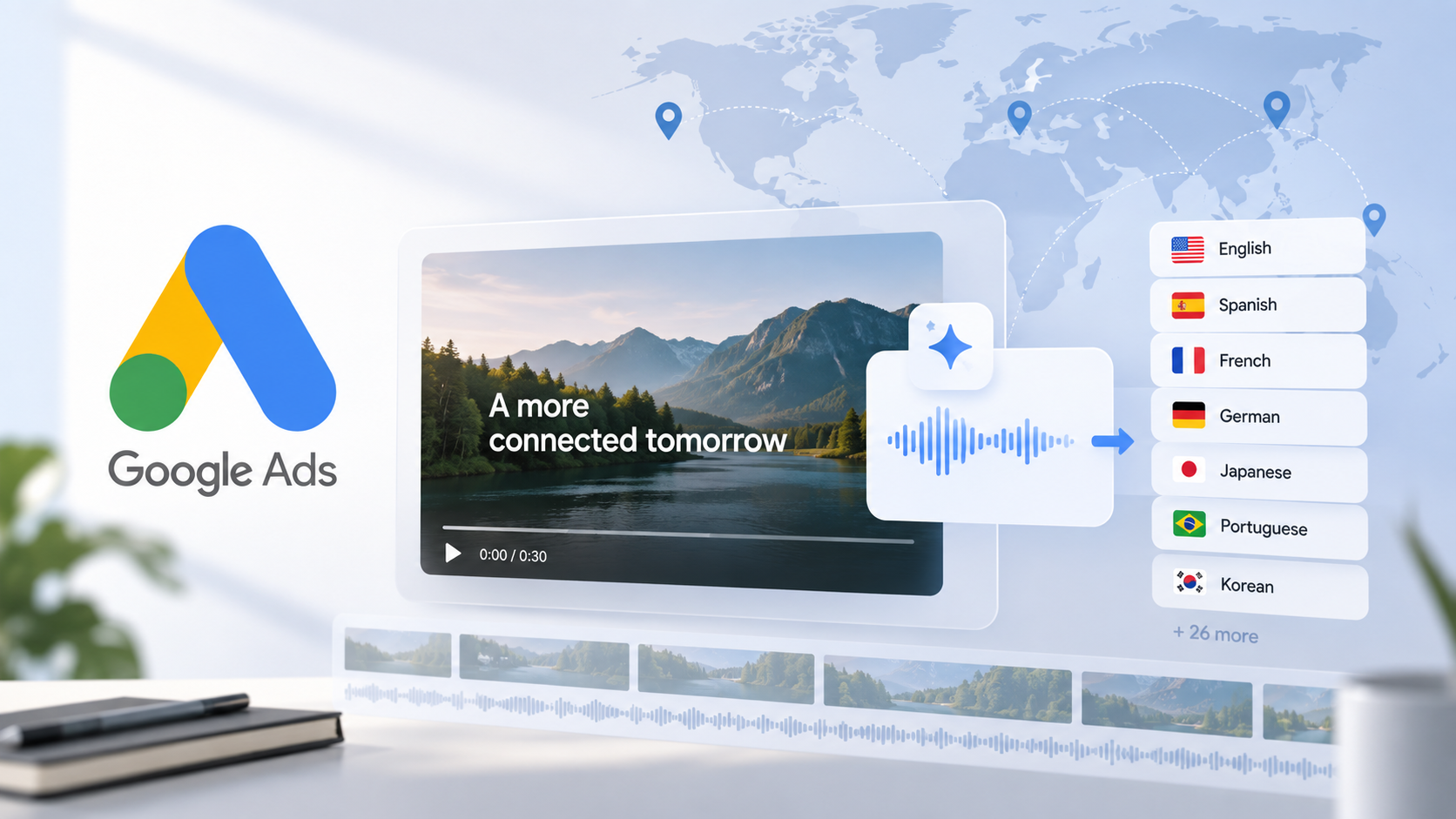
The available evidence supports translation and dubbed audio. It does not establish whether the system clones the original speaker’s voice, changes mouth movements, offers detailed timing controls or lets advertisers edit every translated line. Those distinctions matter because “AI dubbing” can describe very different production outputs.
Google’s current Asset Studio help page describes a centralized environment for creating, editing, managing and sharing campaign assets. It covers AI-assisted video, image and text workflows, but the retrieved page does not yet document Video Ads Dubbing.

Why this changes production economics
Traditional localization spreads work across several specialists. A campaign may need a translator, local-market reviewer, voice talent, audio engineer and video editor before a second-language version is ready. Each additional market creates another production path and another approval cycle.
Putting dubbing inside Google Ads can compress that sequence. Media teams could potentially create language variants closer to launch, test more markets and revise the source creative without commissioning every version from scratch. That is particularly relevant in APAC, where one regional campaign may cross markets with very different languages and cultural expectations.
The saving is not only voice production. It is also coordination. Fewer file transfers, supplier handoffs and version mismatches can shorten the distance between an approved master and a campaign-ready local asset.
That does not make localization free. Human review remains necessary, and the reported no-cost access applies only to select users during a limited rollout. Brands should not build permanent budget assumptions around an early access condition.
The media platform is becoming the production stack
The dubbing tool fits Google’s broader direction for Asset Studio. In a May update, Google described the product as an environment that can interpret a marketing brief, brand guidelines, a website and campaign goals to generate multiple creative themes and asset types.
The strategic change is where creative work happens. Media platforms once received finished assets from agencies and production partners. They increasingly generate, resize, translate, test and recommend the assets themselves.
That can make campaign iteration faster, but it also moves more production decisions toward the platform selling the media. Specialist tools such as HeyGen and ElevenLabs compete on dubbing or voice quality. Adobe competes across the wider creative workflow. Google’s advantage is distribution: the output can sit next to campaign setup, preview and performance data.
For agencies, this does not necessarily remove the localization role. It changes the value of that role. Less time may go into producing a first-pass voice track, while more time goes into reviewing language, cultural meaning, claims, pronunciation and market suitability.
What APAC marketers should verify
Start with access. The rollout is described as limited to select advertisers, and Google’s public help material retrieved for this article does not provide a universal eligibility rule. Teams should confirm availability in the actual account and market before committing a campaign timeline.
Next, test the output against the source script. Review names, product terms, legal claims, prices, dates and calls to action line by line. A fluent voice can make a mistranslation sound more credible, which raises the cost of weak review.
Check what the system does to the speaker. Voice synthesis, voice cloning, timing adjustment and lip synchronization carry different consent and disclosure implications. The current reporting does not confirm which of those capabilities are included, so advertisers should inspect the tool’s controls and commercial-use terms directly.
Finally, treat each localized version as new creative. Tone that works in English may feel too direct, formal or casual elsewhere. AI can reduce the mechanical cost of producing variants, but local teams still decide whether the ad sounds like the brand and belongs in the market.