Hasbro forms Sixth Wall AI studio to license character behavior and voices
Sixth Wall introduces “behavioral licensing” for how characters speak and act in AI experiences, plus an ElevenLabs marketplace

Hasbro has launched an AI studio called Sixth Wall to more tightly govern how its characters are used in AI-enabled experiences, including voice and interactive applications. The company outlined the launch in an official newsroom announcement.
A central part of the move is a new licensing model Hasbro calls “behavioral licensing,” designed to define how characters think, speak, and interact, not just how they look. Hasbro also said it is partnering with ElevenLabs to make select characters available through the ElevenLabs Iconic Marketplace.
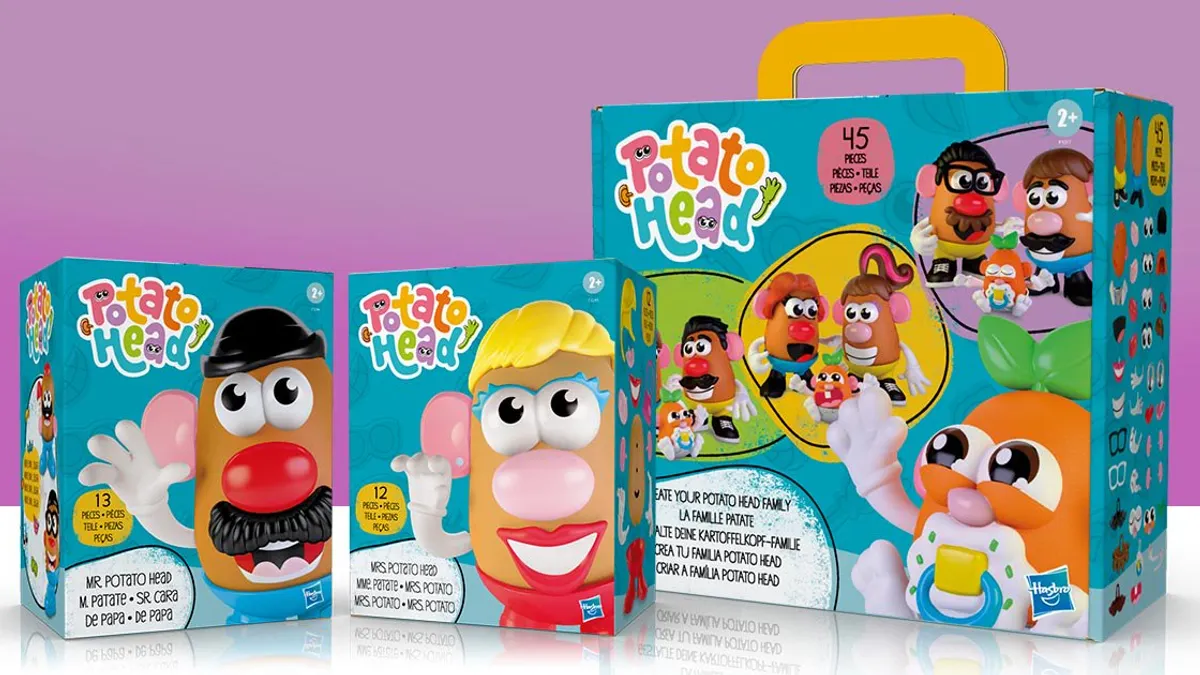
Table of contents
Jump to each section:
- How Hasbro’s “behavioral licensing” is positioned
- What Sixth Wall and CharacterOS imply for brand safety
- What marketers should know about AI-authorized characters
How Hasbro’s “behavioral licensing” is positioned
Hasbro is framing Sixth Wall as a way to authorize character use while maintaining “personality, canon, voice, and safety guardrails” across interactive experiences. The company’s emphasis is that AI-era licensing needs to cover behavior and interaction patterns, not only visual likeness or traditional media usage terms.
At launch, Hasbro said characters including Optimus Prime, Megatron, Cobra Commander, Mr. Potato Head, and the cast of Clue will be available to request, with more planned later this year. Sixth Wall’s initial focus is on 13+ experiences and enterprise use cases, and Hasbro said it is not developing AI products targeted at young children.
 ContentGrip
What Sixth Wall and CharacterOS imply for brand safety
Hasbro described its system, CharacterOS, as the mechanism for enforcing guardrails in interactive deployments. In practice, the pitch to partners is that authorized character access can come with defined constraints around voice, persona, and permitted use cases, which becomes more important as unauthorized AI-generated versions proliferate across chat, voice, gaming, and content platforms.
Hasbro also stated its AI licensing approach is built on voice actor performances, and that it has established a participation model that compensates performers and uses only authorized recordings. For marketers and experience designers, this highlights a growing operational reality: character authenticity is not only a creative concern but also a rights, talent, and compliance workflow that needs explicit systems behind it.
What marketers should know about AI-authorized characters
Behavioral licensing is a sign that well-known IP owners are preparing for AI-driven experiences where the “character” is effectively a live interface, not a static asset. For marketers, the key is understanding what becomes possible when voice, persona, and interaction rules are productized and licensable.
- AI characters are moving from “asset usage” to “experience governance.”
Traditional licensing often focuses on where an image or name can appear. Behavioral licensing centers on how a character should behave in dynamic conversations, which changes how brands scope creative, QA, and approvals. - Voice talent and authorized recordings are becoming part of the licensing stack.
Hasbro’s approach ties character outputs to voice actor performances and an explicit talent participation model. That adds a new layer to brand planning: talent rights, consent, and recording provenance may matter as much as design files. - Marketplaces may become a distribution channel for brand-safe character access.
By bringing characters to the ElevenLabs Iconic Marketplace, Hasbro is pushing licensing into a request-based model that resembles a platform workflow. Marketers should expect clearer “terms of use” boundaries, but also platform-specific constraints. - Age positioning and safety guardrails will shape which campaigns are feasible.
Sixth Wall’s stated focus on 13+ experiences and enterprise use cases signals that not every interactive idea will fit within the permitted scope. Campaign concepts may need to be designed around guardrails from day one, not added after launch. - Unauthorized character use is becoming a mainstream brand risk to plan for.
Hasbro’s rationale is that consumers already encounter unauthorized versions of popular characters. For brands, this increases the importance of governance: monitoring, escalation paths, and authorized alternatives that are easy to procure.
Over time, this kind of licensing can change how branded experiences are assembled: not just commissioning an activation, but selecting an authorized “character capability” with defined behaviors, guardrails, and commercial terms.
It also pushes marketing teams to collaborate more closely with legal, talent, and platform partners earlier in the concepting process, because the experience’s value depends on what the character can and cannot do in live interactions.
Finally, it reinforces a larger shift in AI marketing: when interactive agents become customer-facing touchpoints, “brand safety” includes the persona itself, not only media placements or moderation filters.