
Hinge’s new campaign sells emotional honesty, not dating app fantasy
Hinge’s latest campaign turns dating app burnout into emotionally honest Gen Z storytelling

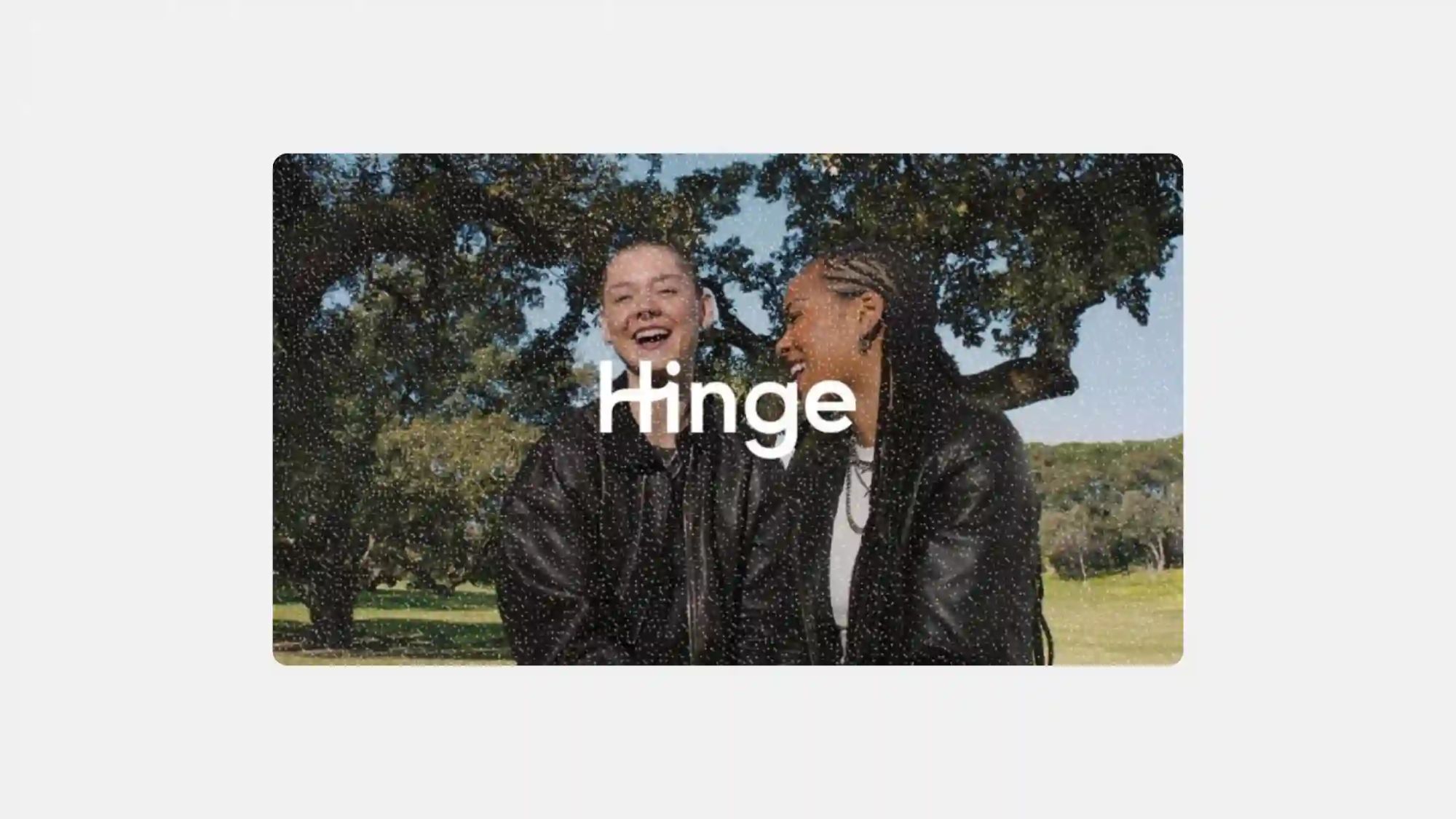
Hinge is shifting its marketing strategy away from polished success stories and toward the emotional exhaustion many Gen Z users associate with dating apps. The company’s latest campaign chapter, Can’t Believe We Met on Hinge, leans heavily into themes like burnout, skepticism, and “almost giving up” before eventually finding connection through the platform.
Rather than positioning dating apps as exciting or aspirational, Hinge is reframing itself as emotionally realistic. That matters because younger audiences increasingly distrust overly curated brand messaging, especially in categories tied to identity, relationships, and mental wellbeing.
The campaign also reflects a broader shift happening across consumer marketing: brands are replacing perfection-driven storytelling with vulnerability, relatability, and creator-style authenticity. For marketers, this is less about dating apps specifically and more about how audience expectations around trust and emotional tone are evolving.
Table of contents
Jump to each section:
- Why Hinge is changing the tone of dating app marketing
- What happens in Hinge’s “Can’t Believe We Met on Hinge” campaign
- Why emotional realism is becoming a marketing strategy
- What marketers should learn from Hinge’s Gen Z approach
- What this means for brand storytelling in 2026
 Patrecia Meliana
Why Hinge is changing the tone of dating app marketing
For years, dating app advertising largely focused on idealized romance, instant chemistry, or swipe-driven excitement. Hinge is now taking a different route by centering emotional fatigue instead.
The campaign arrives at a moment when many Gen Z users openly discuss dating burnout online. Endless messaging loops, failed situationships, inconsistent communication, and app fatigue have become common cultural talking points across TikTok, Instagram, and Reddit.
Hinge appears to recognize that pretending dating is effortless no longer feels credible to younger audiences.
Instead, the company is positioning itself as the app that understands the emotional reality behind modern dating behavior. That is a subtle but important branding distinction.
According to Hinge chief marketing and communications officer Tamika Young, the campaign aims to reflect “the emotional ups and downs of dating today” while still leaving room for hope.
This approach aligns with a larger trend in consumer marketing where authenticity is increasingly tied to emotional transparency rather than polished optimism.
What happens in Hinge's "Can’t Believe We Met on Hinge" campaign
The campaign features seven real couples from the United States, United Kingdom, and Australia sharing stories about who they were emotionally before meeting on Hinge.
Several stories focus less on romance itself and more on emotional hesitation:
- One couple nearly deleted the app before scheduling their date
- Another pair had unknowingly lived near each other for years
- Multiple participants described frustration with repetitive situationships
- Several users approached dating apps with low expectations or emotional exhaustion
Visually, the campaign leans into Gen Z-native storytelling formats. Hinge incorporated self-shot footage, camera roll clips, casual visuals, and documentary-style editing rather than highly polished commercial aesthetics.
The creative was developed alongside agency Birthday and filmmaker India Sleem, whose work focuses heavily on intimate, emotionally grounded storytelling.
Importantly, Hinge says Gen Z voices were embedded throughout the production process to help shape pacing, visuals, and emotional tone. That matters because younger audiences are increasingly sensitive to brands attempting to imitate internet culture without actually understanding it.
The campaign will run across streaming, cinema, and social platforms in the US, Canada, UK, and Australia through July 2026.
Why emotional realism is becoming a marketing strategy
Hinge’s campaign is part of a wider shift toward emotionally honest advertising.
Consumers, particularly younger ones, have become highly skilled at identifying overly engineered brand narratives. Hyper-polished campaigns often struggle because they feel detached from real lived experiences.
Instead, brands are increasingly succeeding when they:
- Acknowledge friction and uncertainty
- Show imperfection openly
- Use creator-style visuals
- Prioritize emotional relatability over aspirational polish
- Let audiences see vulnerability without overproducing it
This trend is visible across beauty, wellness, fintech, and creator marketing as well.
The key insight here is that authenticity is no longer just visual. It is emotional.
For marketers, that changes how campaigns should be developed. Authenticity now depends less on whether content looks “professional” and more on whether audiences emotionally believe it.
Hinge’s strategy also demonstrates how brands can build stronger positioning by aligning with audience emotional states instead of selling against them.
What marketers should learn from Hinge's Gen Z approach
Hinge’s campaign offers several practical lessons for marketers trying to connect with younger audiences.
1. Stop over-polishing emotional campaigns
Highly curated storytelling can reduce trust if audiences feel the emotional experience is unrealistic.
Gen Z audiences often respond better to campaigns that leave imperfections visible, including awkwardness, uncertainty, or mixed emotions.
2. Creator-style production is now mainstream brand language
The inclusion of self-shot footage and camera-roll visuals reflects how creator aesthetics continue influencing mainstream advertising.
Brands no longer need every campaign asset to look cinematic to feel premium or emotionally effective.
3. Emotional honesty can outperform optimism
Hinge is not pretending dating is easy. Ironically, that honesty may strengthen audience trust more effectively than aspirational messaging.
Marketers should pay closer attention to emotional acknowledgment rather than defaulting to positivity-first narratives.
4. Community language matters
The campaign directly references dating burnout, situationships, and emotional fatigue, which are already active conversations online.
Brands that mirror audience language naturally often feel more culturally aware and less corporate.
Patrecia Meliana
What this means for brand storytelling in 2026
Hinge’s latest campaign highlights a broader evolution in how brands build emotional relevance.
The next generation of effective storytelling may depend less on polished persuasion and more on emotional recognition. Consumers increasingly want brands to understand their frustrations, anxieties, and contradictions instead of presenting unrealistic perfection.
For marketers, this creates both opportunity and risk.
Brands that embrace emotionally grounded storytelling can build stronger audience trust and cultural relevance. But campaigns that imitate vulnerability without genuine audience understanding may quickly feel performative.
Hinge’s campaign works because it acknowledges an uncomfortable truth many users already feel: modern dating can be exhausting.
That honesty may ultimately become the company’s strongest marketing advantage.