
Harry Potter’s Hogwarts Express Adventure is turning fandom into a train ride
A Hogwarts Express train experience hits Southern California this summer, showing how IP turns rituals into ticketed, merch-driven events.

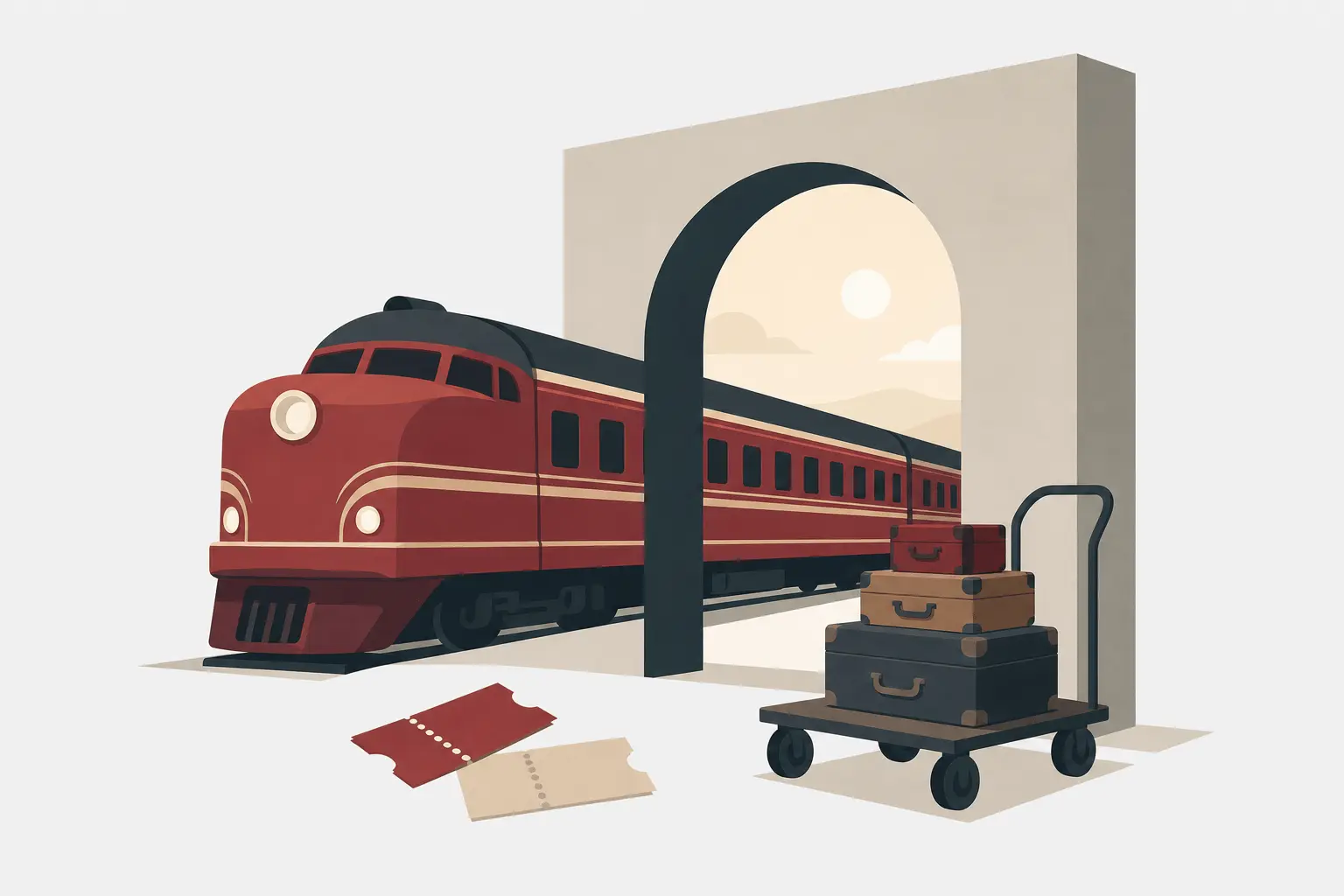
There’s a specific kind of Harry Potter nostalgia that hits when you see the scarlet steam engine: not plot, not lore, but the feeling of being on the edge of a new life. Platform 9¾ is basically a shorthand for “I wish I could start over, but make it magical.”
Warner Bros. Discovery Global Experiences is leaning into that emotional shortcut with Harry Potter: A Hogwarts Express Adventure, a ticketed, interactive train experience coming to Southern California this summer, with details shared in an official announcement.
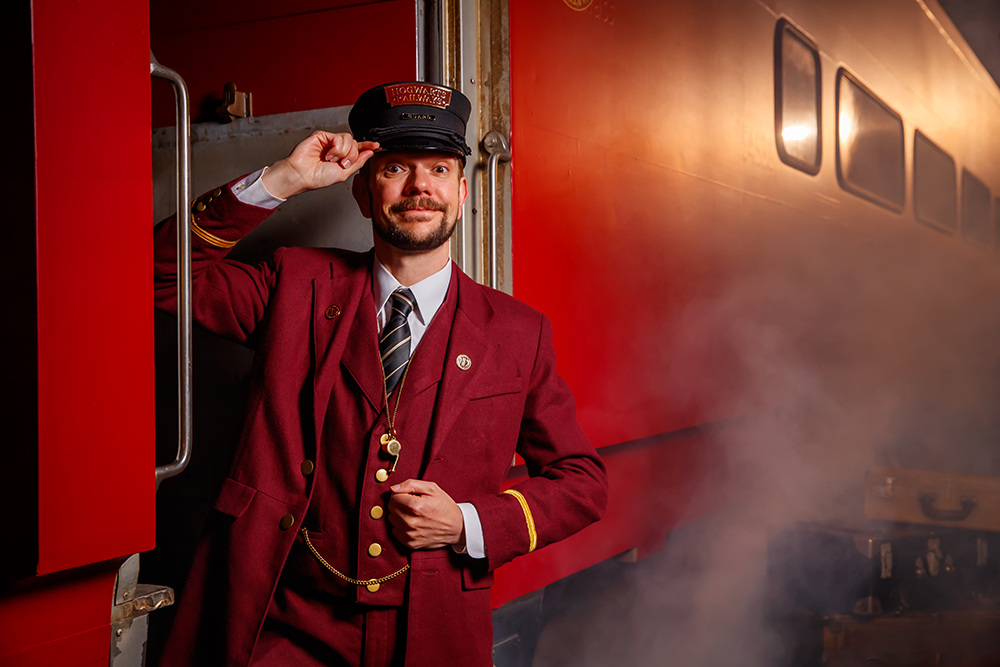
It’s set to run at the Southern California Railway Museum in Perris, California from July 24 through September 27, 2026, and it lands right in the middle of the franchise’s “big year” momentum. A new Harry Potter and the Philosopher’s Stone TV series is also slated to debut on HBO Max on Christmas Day, with a newly cast Golden Trio.
Table of contents
Jump to each section:
- What the Hogwarts Express Adventure includes
- Why the “rite of passage” framing matters
- The business model hiding in plain sight: immersive, ticketed fandom
- What this means for marketers
 Patrecia Meliana
What the Hogwarts Express Adventure includes
The experience is built like a fan’s checklist of iconic moments, translated into physical space. It starts with a Platform 9¾-themed pre-boarding sequence, then moves onto a real moving train where guests take part in interactive activities like house competitions and chants, plus spell-casting challenges.
There’s also a themed trolley for treats during the ride, and the journey ends in a Hogsmeade-inspired village where more food, beverages, and merchandise are available. The official announcement also teases the possibility of coming “face-to-face with a dark and mysterious force,” positioning the ride as more than just photo ops.
Tickets are scheduled to go on sale April 28, with pricing starting at US$77 for adults and US$67 for children ages 2 to 11 (with pricing varying by departure time).
 Zoe Park
Why the “rite of passage” framing matters
This isn’t just “a train ride with branding.” The Hogwarts Express is one of the franchise’s most universal entry points because it represents transition. In the story, it’s where strangers become a friend group, where the world opens up, where you’re officially “in.”
That’s why the pre-boarding moment matters as much as the ride itself. Platform 9¾ is the part fans quote, cosplay, and recreate, even outside official experiences. When an immersive event makes that threshold feel real, it taps into identity, not just entertainment.
And it’s designed for participation. House chants, competitions, and spell-casting aren’t passive viewing. They’re prompts that make groups perform their fandom together, which is exactly how modern pop culture spreads in real life: through shared rituals you can film, retell, and compare.
 ContentGrip
The business model hiding in plain sight: immersive, ticketed fandom
Rail Events Inc., which is also known for the Polar Express Train Ride, developed the experience along with Warner Bros. Discovery Global Experiences. That pairing signals a playbook: take an already understood event format (a seasonal train attraction) and overlay a global IP with built-in emotional meaning.
What makes this model durable is that it stacks revenue layers without feeling like a cash grab when it’s done well:
- A timed, ticketed core experience (capacity-controlled, predictable revenue)
- On-train and end-of-journey food and beverage
- Merchandise positioned as “bespoke,” meaning it can function like collectibles rather than souvenirs
The other smart piece is calendar alignment. The run includes September 1, “Back to Hogwarts Day,” giving the event a built-in cultural spike without needing to manufacture one.
What this means for marketers
Immersive fandom experiences work when they translate online obsession into something people can physically do together, not just buy. This one is a clear example of “participation as product.”
- Design around the moment fans emotionally recognizePlatform 9¾ is not a random set piece. It’s a feeling. Marketers can take note: the strongest experiential concepts start with an emotional checkpoint the audience already understands.
- Build group rituals, not just individual touchpointsHouse chants and competitions push people into collective behavior. That matters because group participation creates stories people repeat later, which can outlast the event itself.
- Let commerce sit inside the story worldTreat trolleys and Hogsmeade-style villages are diegetic, meaning they belong in the universe. The spending feels more like role-play than retail, which changes how people justify purchases.
- Use real-world constraints as a featureA moving train is inherently time-bound and capacity-limited. That constraint can make the experience feel more “special,” and it naturally supports tiered departure times and variable pricing.
- Time the experience to fandom calendar peaksIncluding Back to Hogwarts Day is a reminder that fan calendars can be as powerful as retail calendars. The best experiential marketing often piggybacks on dates communities already care about.
Zooming out, this kind of franchise extension shows how entertainment brands are monetizing more than content. They’re monetizing participation, memory, and the desire to step into a world with other people who get the same references.
For marketing teams, the bigger signal is that “experience” is increasingly treated as a media format. Not because it replaces digital, but because it creates the kind of socially legible moments people want to narrate, document, and bring friends into. When fandom is the distribution channel, the product has to feel like a ritual, not a promotion.