Jennie’s Adidas collection draws boycott pressure after Israel promo backlash
Jennie’s co-designed Adidas Originals launch is pulled into a boycott push tied to an Israeli promo. A look at spillover risk in celebrity marketing.


The fastest way a fashion drop stops being about clothes is when the timeline decides it is actually about values. In fandom spaces, a single campaign image can become a referendum on who you are willing to be associated with, especially when a boycott narrative is already trending.
Adidas is facing boycott pressure over a local Israeli promotion, and that controversy has started to frame the conversation around “Adidas Originals by JENNIE,” even though there is no stated connection between the collection and the disputed material.
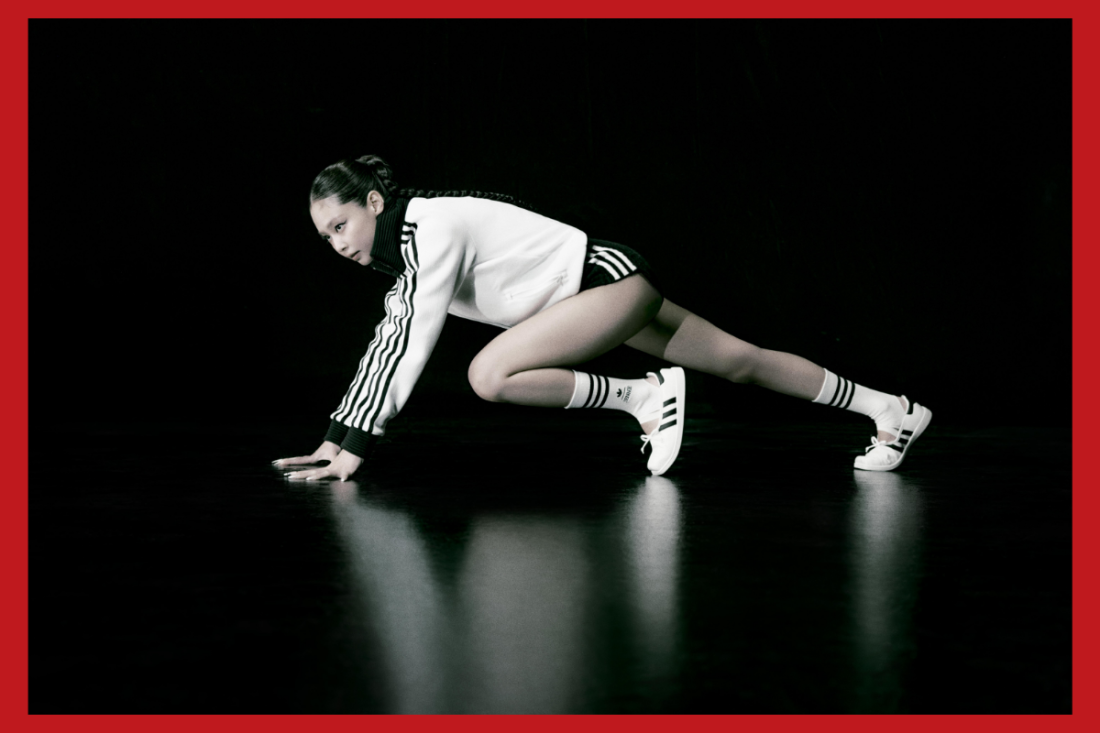
Table of contents
Jump to each section:
- Why this became a fandom issue, not just a brand issue
- What the Jennie x Adidas drop includes
- What sparked the boycott push and Adidas’ response
- What this means for celebrity collaborations in high-risk moments
Why this became a fandom issue, not just a brand issue
Jennie’s partnership with Adidas is not new, but this is a different level of ownership: her first co-designed Adidas Originals collection. When her label OA shared new campaign images on X, it put the collaboration back into the centre of fan attention.
In BLACKPINK and Jennie fan spaces, endorsement deals often get treated like an extension of the artist’s public story. So when Adidas became the target of a boycott push, some fans directed their leverage toward the most visible relationship they could point to: Jennie’s ongoing collaboration.
That is why the conversation moved quickly from product details to messages urging her to walk away, including posts using #BoycottAdidas and direct replies asking her to cut ties.
 ContentGrip
What the Jennie x Adidas drop includes
“Adidas Originals by JENNIE” launched globally on 1 September 2026 and is positioned as an FW26 collection inspired by “Functional Grace,” with Jennie reworking Originals footwear, clothing, and accessories.
One highlighted piece is the Superstar SQ Ballet, a ballet-inspired take on the shell-toe Superstar with a squared toe and ribbon detailing. Jennie described the project as something she had been working on for the past year and called it a “dream collab,” framing it as personal creative work rather than a standard endorsement.
What sparked the boycott push and Adidas’ response
The boycott push centres on an Israeli promotion tied to Adidas’ Single Shoe Service, an accessibility initiative that allows customers with a limb difference to buy only the shoe they need for 50 percent of the price of a pair. Adidas introduced the service across 23 European countries earlier in 2026, while a separate local promotion in Israel featured Shalev Biton among 11 disabled athletes.
fuck adidas #boycott jennie should leave this brand https://t.co/J9Wbu82cgs
— rey (@paintrosetudor) September 7, 2026
Biton is a former Israeli soldier whose left leg was amputated after he was wounded during fighting near Gaza in May 2021. Critics objected to his inclusion given the ongoing rehabilitation crisis in Gaza.
The World Health Organization estimated in May 2026 that more than 5,000 limb amputations from traumatic injuries had occurred in Gaza since October 2023, alongside more than 22,000 major extremity injuries. Among 2,277 amputees evaluated between September 2024 and May 2026, 18 percent were children, and only 502 had received permanent prosthetics.
Adidas apologised on 7 September, saying an image used in a recent local activation raised concerns and strong reactions. It said it was never the company’s intent to cause offense and apologised to those affected, while characterising the disputed material as a local initiative.
Adidas has issued apology after featuring former IDF soldier in its latest ad campaign amid backlash:
— Buzzing Pop (@BuzzingPop) September 8, 2026
“We recognize that an image used in a recent local activation has raised concerns and strong reactions. It was never our intent to cause offense and we apologize for anyone… pic.twitter.com/PgqrFCouow
As of publication, neither Jennie nor OA had publicly addressed the calls for her to leave Adidas. The criticism is focused on her commercial relationship with Adidas rather than on any statement she has made, and there is no evidence she was involved in the Israeli promotion.
What this means for celebrity collaborations in high-risk moments
This is a reminder that, in 2026 internet culture, “brand safety” is not only about what the celebrity says. It is about what the audience thinks the relationship signals.
- Fandoms treat partnerships like identity signals
A co-designed collection reads as deeper commitment than a standard ad. That can increase purchase intent, but it also increases scrutiny when the brand is under pressure. - Local campaigns can become global context instantly
Adidas described the disputed material as local, but the internet does not respect those boundaries. For global collaborations, brands need escalation paths that assume global visibility. - Silence becomes a storyline when the audience is mobilised
Even without a statement from Jennie, the absence of a response can be interpreted in multiple ways. Brands and talent teams typically need pre-aligned options for if, when, and how to acknowledge spillover controversy. - Cause-driven boycotts often target the most “movable” node
Fans asking Jennie to leave are applying pressure where it feels actionable. Marketers should assume that celebrity partners can become the negotiation point in wider disputes about corporate behaviour. - Product narratives can be overwritten by timing
“Functional Grace” and design details like the Superstar SQ Ballet are easy to drown out if the drop is recirculated during a sensitive news cycle. Content scheduling needs a risk lens, not just a performance lens.
Zooming out, what’s happening here is not just a PR headache. It shows how fandom communities increasingly act like informal governance systems: they reward alignment, punish association, and use visibility as leverage.
For marketing teams, the strategic implication is clear. If you build growth around celebrity culture and global community energy, you also inherit the community’s expectations about accountability. The work is not only to craft a campaign. It is to anticipate the moments when the audience will decide the campaign means something else entirely.