LEGO and Olivia Rodrigo get the collectible treatment with five new sets
Five LEGO Olivia Rodrigo sets launch Aug. 1, built around hidden references and tour moments, showing how fandom behaviors shape product design.

Pop fandom loves anything that feels like a “physical proof” of an era, especially when it’s packed with references only real fans will catch. That is basically the whole appeal of merch that doubles as a conversation starter: you build it, display it, and let people clock the details.
The LEGO Group is leaning into that collector energy with an Olivia Rodrigo collaboration built around Easter eggs, iconic looks, and story cues pulled from her discography. The company shared the details in its newsroom post, positioning the drop as part of LEGO Editions, a line designed to connect young builders with cultural passions.
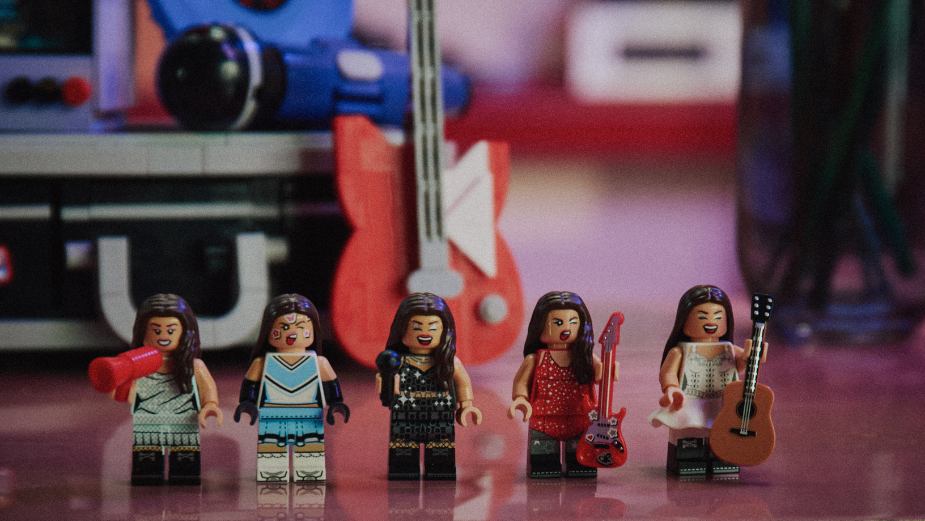
Table of contents
Jump to each section:
- What the LEGO Editions Olivia Rodrigo collection includes
- Why “hidden references” matter so much in music fandom
- What the launch signals about LEGO Editions as a culture product line
- What this means for marketers
What the LEGO Editions Olivia Rodrigo collection includes
The collaboration consists of five collectible LEGO sets aimed at ages 9 to 14, designed around Olivia Rodrigo’s music, style, and storytelling. LEGO describes them as display-worthy pieces that encourage fans to “decode” references and keep exploring details over time.
The five sets and highlights included in the announcement are:
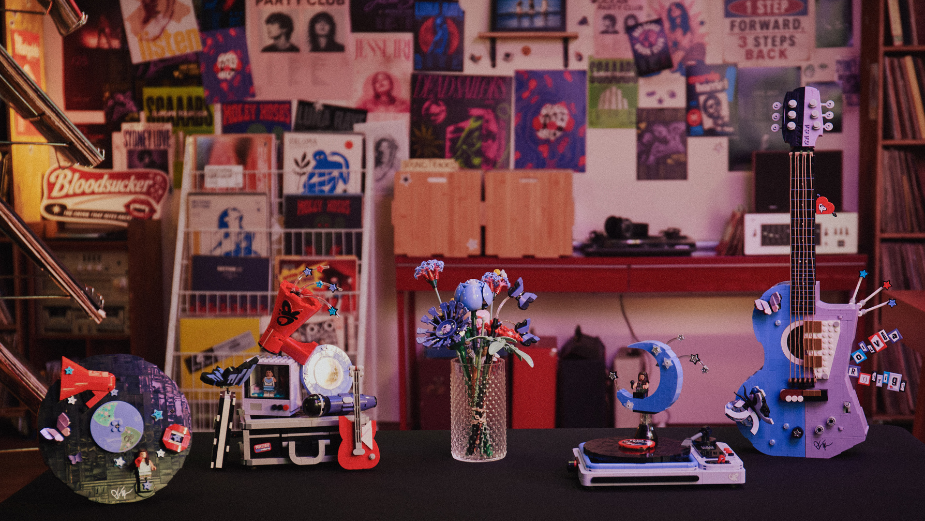
- LEGO Editions Olivia Rodrigo’s Vinyl (43028): a 360-piece brick-built vinyl-style display featuring hidden references across her three albums.
- LEGO Botanicals & LEGO Editions Olivia Rodrigo’s Flower Bouquet (11507): a 400-piece bouquet designed with symbolic flowers and nods to Rodrigo’s Filipino heritage, including a purple flower built from electric guitars.
- LEGO Editions Olivia Rodrigo’s Concert Moon (43029): a 670-piece set inspired by the “viral concert scene” where Rodrigo appears above the crowd on a giant moon, with hidden drawers and concert details.
- LEGO Editions Olivia Rodrigo’s Secret Storage (43030): a 1085-piece collectible display incorporating recognizable symbols tied to her tours and SOUR-era handwritten lyric books.
- LEGO Editions Olivia Rodrigo’s Dual Guitar (43031): a 1228-piece split acoustic-and-electric guitar design with hidden scenes, backstage details, and storage compartments.
The collection launches globally on August 1 via LEGO.com, LEGO stores, and selected global retailers. LEGO also notes that fans can pre-order the first three sets already.
 ContentGrip
Why “hidden references” matter so much in music fandom
This collaboration is engineered for the way fans already behave. Music fandom, especially for artists whose work is interpreted like a puzzle box, runs on small details: lyric callbacks, visual motifs, era-specific outfits, and the sense that you’re “in on it.”
LEGO and Rodrigo both explicitly frame the sets as something you explore over time, with clues embedded across albums, tours, and visuals. That matters because it turns a product into a repeatable experience: build it once, then keep finding new meaning in it later, or show it to a friend and explain the reference.
There’s also a smart cultural translation happening here. Rodrigo’s brand is emotional and story-driven, and LEGO is taking that tone seriously by designing around “how it feels” to fans, not just what it looks like. Even the inclusion of heritage nods inside the Botanicals set reflects a current expectation in pop culture collaborations: fans want specificity, not generic “artist-themed” branding.
What the launch signals about LEGO Editions as a culture product line
LEGO frames Rodrigo as the first music artist to receive multiple dedicated LEGO sets under LEGO Editions, following earlier football and racing entries in the line. That positioning is important because it shows LEGO Editions is not just about hobbies or sports, but about identity-driven culture.
In practice, LEGO Editions is functioning like “collectible culture IP” packaging: take a moment people already care about (albums, tours, signature props), then ship it as a physical object that can live on a shelf and on social feeds.
The pre-order structure (first three sets available ahead of the full August 1 launch) also mirrors how entertainment drops often work: staggered availability builds anticipation without requiring a traditional media buy narrative. The product itself becomes the content because fans will naturally want to zoom in on details and point out what they recognize.
What this means for marketers
This kind of collaboration works because it respects fandom logic first, and only then becomes a brand partnership story.
- Easter eggs are a retention mechanic, not just a creative choice
LEGO repeatedly highlights hidden references and “messages” across the sets. For marketers, that is a reminder that discovery drives repeat attention, especially when a community is already trained to hunt for clues. - Make the product something fans can “use” socially
These sets are display-worthy and conversation-friendly. They are designed to be shown, explained, and recognized, which is how physical products earn organic reach in fan communities. - Translate the artist’s emotional world, not just their visuals
The collaboration talks about capturing how Rodrigo’s work “feels” to fans. That is the difference between a themed product and a fandom object people actually want to own. - Specificity signals authenticity
LEGO calls out nods to Rodrigo’s Filipino heritage and references to tours, albums, and symbols. In pop culture partnerships, specificity is what convinces fans it was built with the artist, not just licensed. - Treat culture lines like IP ecosystems, even without a film or game
LEGO Editions is being positioned as a home for cultural passions. The bigger lesson is that brands can build durable product lines around community identities, not only around traditional entertainment franchises.
The broader signal here is that fandom commerce is shifting toward artifacts that feel personal and “decoded,” not just worn. When fans feel like a product understands their relationship with an artist, they do the marketing themselves by showing others the details. For brand teams, the work is less about shouting and more about designing something fans want to explain.
If LEGO Editions continues to expand into music, the competitive advantage will not be celebrity access. It will be whether each drop feels like it was built for how communities actually obsess, collect, and share.