Media relations: how B2B PR teams earn coverage that lasts
A practical guide to media relations for B2B PR teams, covering strategy, workflow, tools, measurement, and earned visibility.

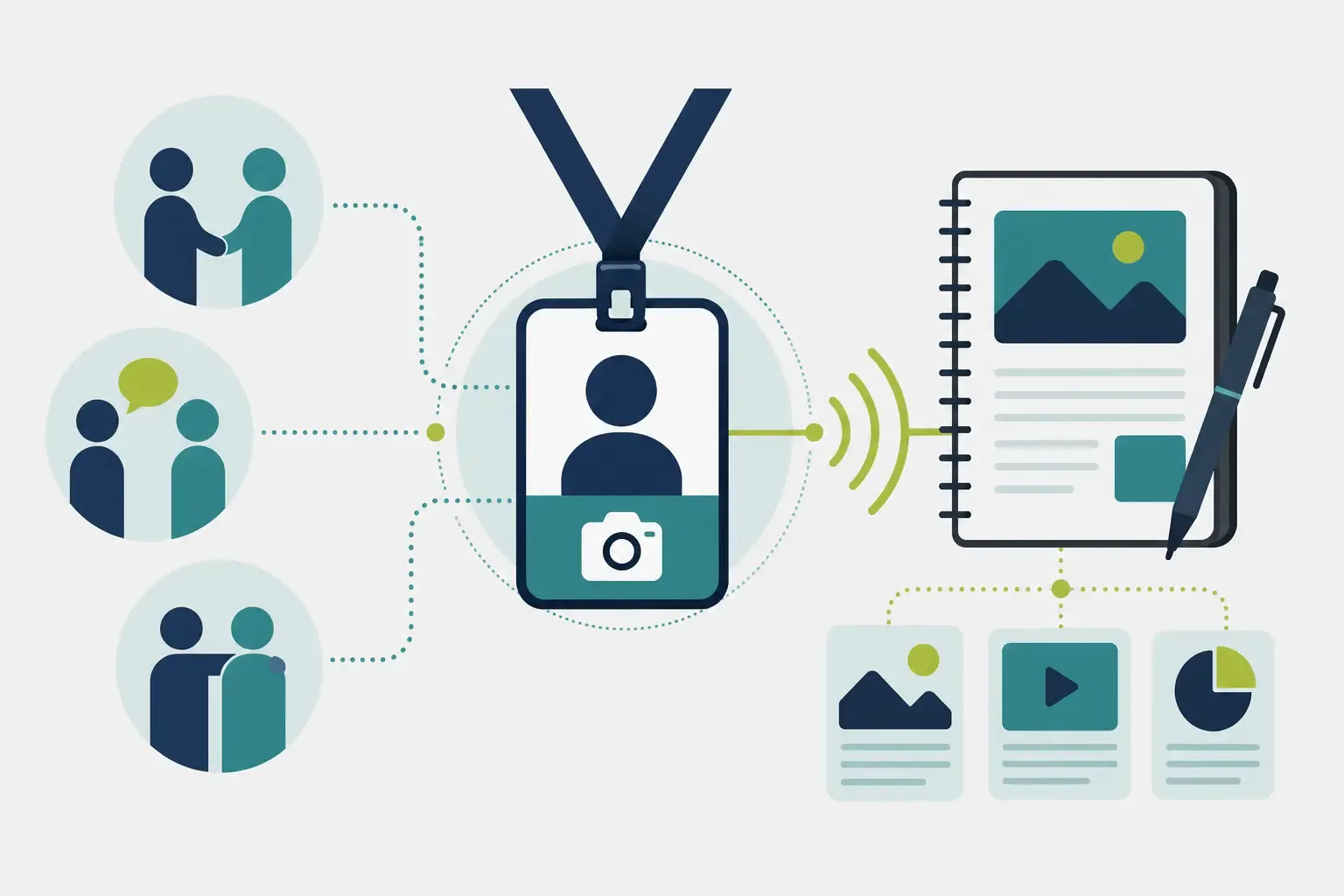
Media relations is the part of PR that turns a useful company story into credible third-party coverage. It is not just sending a press release, collecting clippings, or trying to be friendly with journalists. For B2B marketers and comms teams, media relations is the operating system behind earned visibility: choosing the right story, matching it to the right reporter, supporting the claim with proof, and learning from the result.
That matters more now because buyers, journalists, and AI answer systems all look for credible outside signals. A company can publish its own message all day, but a well-earned mention in a relevant trade publication, analyst newsletter, podcast, or business outlet still carries a different kind of weight. The discipline is less about chasing one big headline and more about building a repeatable way to earn trust where your audience already pays attention.
Table of contents
Jump to each section:
- What is media relations?
- How is media relations different from public relations?
- Why does media relations matter for B2B visibility?
- What should a media relations strategy include?
- How do you build a media relations workflow?
- Which tools make media relations easier?
- How should PR teams measure media relations?
What is media relations?
Media relations is the practice of building useful relationships with journalists and media outlets so a brand can earn relevant editorial coverage.
At its best, media relations is a two-way exchange. A PR team helps reporters understand a company, market, issue, launch, or data point. The journalist decides whether that material serves their audience and editorial standards. The result may be a news story, feature, interview, expert quote, podcast appearance, newsletter mention, or trade publication byline.
If you are still shaping the announcement itself, ContentGrip’s press release examples guide can help clarify what deserves outreach before the media relations process begins.
The important word is earned. Media relations does not buy placement. It earns attention by giving journalists something timely, credible, and useful enough to consider. That is why strong media relations depends on research, message discipline, proof, access, and follow-through.
Key Takeaways
- Media relations helps brands earn third-party editorial coverage by working with relevant journalists and outlets.
- A strong media relations program starts before the pitch, with clear messages, proof points, media research, and spokesperson readiness.
- PR teams should measure media relations by coverage quality, message pull-through, audience fit, relationship progress, and next-campaign learning.
Media relations can support launches, funding announcements, research reports, executive visibility, crisis response, analyst narratives, event coverage, and ongoing category education. But it should not be treated as a last-minute distribution task. If the story is weak, the source is unprepared, or the media list is sloppy, no pitch format will save it.
How is media relations different from public relations?
Media relations is one part of public relations. PR manages reputation across many audiences and channels, while media relations focuses on journalists and earned media.
The two terms often get used interchangeably, but the distinction matters in planning. Public relations can include internal communications, crisis planning, executive positioning, investor messaging, analyst relations, owned content, events, community relations, and social response. Media relations is narrower. It asks: what story should the press hear, who should hear it, and what support do they need to cover it accurately?
| Discipline | Main job | Typical channels | Useful metrics |
|---|---|---|---|
| Public relations | Shape reputation, trust, and public understanding across stakeholder groups. | Owned content, media, events, spokespeople, community channels, social media, analyst activity. | Reputation movement, stakeholder sentiment, message adoption, issue response, business context. |
| Media relations | Earn relevant coverage by working with journalists, editors, creators, and media outlets. | Email pitching, briefings, interviews, press releases, media advisories, bylines, newsroom resources. | Relevant placements, outlet quality, journalist replies, message pull-through, backlinks, coverage learning. |
This difference prevents teams from overloading media coverage with jobs it cannot do. A single article can create awareness, validate a category point, support search visibility, or give sales a credible third-party proof point. It cannot replace product positioning, customer proof, owned education, or a broader communications plan.
That is where media relations works best: as the earned layer inside a broader PR system. It gives outside credibility to the ideas, proof, and stories the company is already prepared to stand behind.
Why does media relations matter for B2B visibility?
Media relations matters because B2B buyers trust credible outside sources more than self-promotion, especially when the product is complex or the category is crowded.
Most B2B buying journeys involve uncertainty. Prospects want to know whether a vendor is credible, whether the category is real, whether the team understands the market, and whether other trusted sources have noticed them. Earned media helps answer those questions without sounding like an ad.
86% of journalists say they immediately reject pitches that are not aligned with their beat or audience. Cision’s 2025 State of the Media announcement makes relevance the central condition for useful PR outreach.
That finding is a useful warning. Media relations does not work because journalists need company news. It works when a company can help a journalist serve a specific audience. The same Cision release also says 72% of journalists cite press releases as the most useful PR resource, but only when the material is relevant, accurate, and useful.
For B2B teams, the visibility payoff can show up in several ways:
- A trade publication explains a category shift using your research or customer evidence.
- A business outlet quotes your executive on a regulatory or market issue.
- A newsletter includes your product launch in a relevant industry roundup.
- A podcast invites your founder to discuss a problem the market is still learning to name.
- An AI answer system later references credible third-party coverage when describing the category or brand.
The last point is increasingly important. Earned coverage does not only influence human readers. It can also become part of the public evidence layer that search engines, AI systems, analysts, and buyers encounter later. That makes accuracy, entity clarity, and proof discipline part of media relations, not just SEO housekeeping.
What should a media relations strategy include?
A media relations strategy should define the audience, story lanes, proof points, target outlets, spokespersons, outreach rules, and measurement plan before pitching starts.
The common mistake is starting with a media list. A list is useful, but only after the team knows what story it has permission to tell. A better strategy starts with four questions:
- What audience are we trying to influence?
- What question, problem, or change does that audience already care about?
- What can we credibly add that is not just self-promotion?
- Which journalists, editors, creators, or outlets regularly serve that audience?
Once those answers are clear, the media list becomes a focused research asset instead of a spreadsheet of names. ContentGrip’s media list guide is useful here because the quality of the list depends on beat fit, recent coverage, outlet context, and relationship history.
The strategy should also separate story lanes from individual announcements. A story lane is a recurring area where the brand has a right to speak. For a cybersecurity company, that might include ransomware economics, compliance pressure, cloud misconfiguration, and board-level risk. For a fintech infrastructure startup, it might include payment reliability, cross-border settlement, fraud prevention, and financial inclusion.
Strong media relations becomes easier when each lane has:
- A clear point of view.
- Named spokespeople.
- Proof points and data sources.
- Customer or market examples that can be discussed publicly.
- Relevant media contacts.
- A list of topics the company should avoid.
Tommy Prayoga, Head of Agency at digital PR service provider Content Collision, puts it this way: “Media relations fails when teams treat journalists as a distribution channel instead of an editorial audience. The best outreach starts with the reporter’s reader, then works backward to the proof, spokesperson, and timing that make the story worth considering.”
That is the core planning shift. The story does not become media-worthy because the company wants coverage. It becomes media-worthy when it helps a journalist explain something their audience already needs to understand.
How do you build a media relations workflow?
Build a media relations workflow by turning story selection, media research, pitching, follow-up, coverage tracking, and reporting into repeatable steps.
A workflow keeps media relations from becoming a scramble around every announcement. It also protects the team from two bad habits: mass pitching weak stories and over-customizing every step until nothing ships.
Use this sequence:
- Choose the story lane. Decide whether the pitch is about a launch, research finding, trend, customer proof, executive view, event, crisis response, or category education.
- Confirm the news value. Test whether the story has timing, audience relevance, evidence, tension, consequence, novelty, or access to a credible source.
- Prepare the proof package. Gather the press release, data, visuals, spokesperson bio, customer permission, product screenshots, background notes, and press kit links.
- Build the media list. Select journalists based on recent coverage and audience fit, not outlet prestige alone.
- Write the pitch. Lead with the journalist’s audience need, then explain the angle, source access, proof, and timing in a short note.
- Manage follow-up. Follow up once with something useful, such as a new data point, interview slot, or sharper local angle.
- Track outcomes. Record replies, declines, coverage, reasons for rejection, message pull-through, backlinks, and future relationship notes.
- Turn learning into the next brief. Use the results to refine story lanes, spokesperson prep, media lists, and future pitch timing.
This workflow should be lightweight enough to use often. For a major launch, each step may involve several owners and an approval path. For a small expert-comment pitch, the same logic can fit inside a short checklist.
The point is consistency. If every campaign uses a different definition of a good pitch, a good journalist fit, or a successful placement, the team cannot learn. If every campaign captures the same core signals, the next pitch gets smarter.
Which tools make media relations easier?
Media relations tools help teams research journalists, manage outreach, monitor coverage, organize assets, and report results without losing the human judgment.
Tools cannot create trust on their own. They can, however, reduce the repetitive work that keeps PR teams from doing the thoughtful parts well. The practical stack depends on team size, market scope, and campaign volume.
| Tool | Use case |
|---|---|
| Media database | Find journalists by beat, outlet, geography, recent coverage, and contact preference. |
| CRM or media list tracker | Track contact history, pitch status, relationship notes, and follow-up timing. |
| Media monitoring platform | Capture coverage, competitor mentions, outlet context, sentiment, and emerging issues. |
| Digital asset folder | Keep logos, headshots, screenshots, press releases, fact sheets, and backgrounders easy to share. |
| Reporting dashboard | Connect placements to message quality, audience fit, backlinks, share of voice, and stakeholder updates. |
| AI writing assistant | Draft rough pitch variants, summarize research, and tailor internal briefs, with human review before anything is sent. |
The best tools support judgment rather than replacing it. A database can find a reporter who covers fintech, but a PR person still needs to read recent work and decide whether the story is relevant. An AI assistant can draft a pitch, but it cannot know whether the claim is sensitive, whether the journalist dislikes embargoes, or whether the source is actually ready for a tough interview.
If your team already uses a media relations platform, connect it to the workflow above. If you do not, start with a clean spreadsheet, a shared asset folder, search alerts, and disciplined notes. The expensive tool is rarely the first problem. The first problem is usually unclear targeting.
How should PR teams measure media relations?
PR teams should measure media relations by the quality of coverage, the relevance of the audience, the accuracy of the message, and the learning created for future outreach.
Clip volume is the easiest metric to count and one of the easiest to misuse. Ten irrelevant pickups can look better than one trade feature in a dashboard, even when the trade feature does more for buyer trust, analyst awareness, or sales enablement.
A better measurement model looks at four layers:
| Measurement layer | What to track |
|---|---|
| Activity | Journalists researched, pitches sent, follow-ups, briefings booked, spokespeople prepared. |
| Output | Published coverage, outlet quality, byline type, quote inclusion, links, visuals used, syndication. |
| Quality | Message pull-through, audience fit, sentiment, share of voice, competitor context, narrative accuracy. |
| Learning | Which angles worked, which beats replied, which proof points landed, what objections appeared, what to brief next. |
ContentGrip’s PR report guide makes this point in reporting terms: the job is not just to list coverage, but to explain what changed and what the next campaign should do differently.
For B2B campaigns, add commercial context where it is honest to do so. Did coverage appear in publications your sales team already shares with prospects? Did branded search lift after a major feature? Did a journalist relationship lead to a later expert quote? Did AI answers or search snippets begin describing the company more accurately after credible coverage appeared?
Do not overclaim causality. Media relations often supports trust and discovery rather than closing revenue by itself. The strongest reports show how earned visibility changed the evidence base around the brand, then connect that evidence to the next practical decision.
Good media relations is not a one-off campaign trick. It is a repeatable habit: know the story, respect the journalist, prepare the proof, pitch with relevance, and learn from every outcome. Teams that build that habit earn more than coverage. They build a public record of credibility that keeps working after the launch week ends.