
OpenAI’s ad manager code hints ChatGPT ads may be heading for conversions
New code hints suggest ChatGPT ads may evolve from awareness placements into measurable performance campaigns.

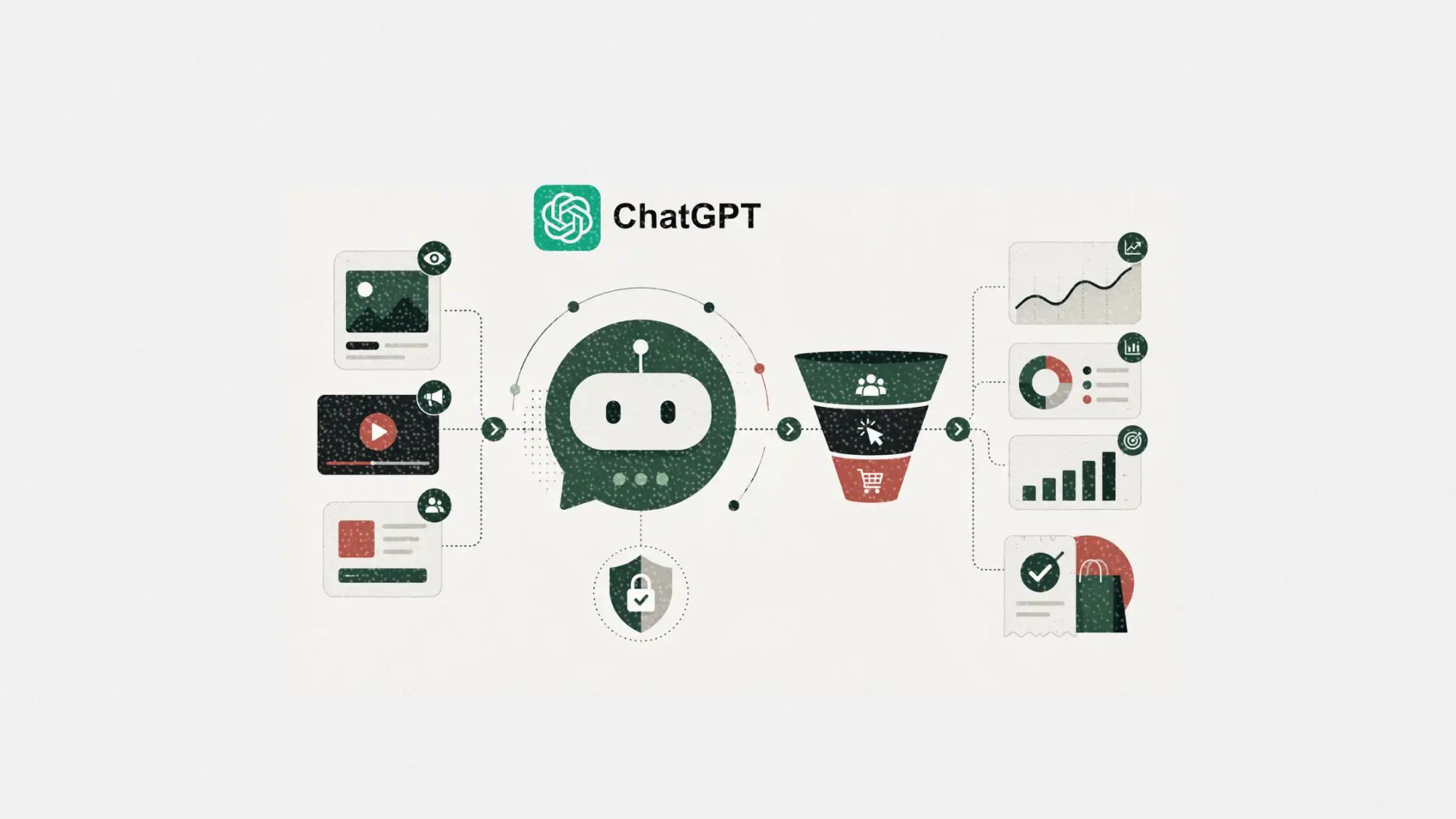
OpenAI may be preparing to push ChatGPT ads beyond simple awareness buys and into performance marketing territory.
Code reviewed by ADWEEK inside OpenAI’s ads manager suggests support for click and conversion-based campaigns, even though the current product is still limited to impression-based ads. For marketers, that changes the story from “ads inside ChatGPT” to something much sharper: can conversational AI become a measurable acquisition channel?
The article explores what the code suggests, why conversion tracking matters, and what marketers should watch before treating ChatGPT as another performance platform.
Table of contents
Jump to each section:
- What OpenAI’s ad manager code suggests
- Why conversion tracking would change ChatGPT ads
- What marketers should know before testing ChatGPT ads
- The privacy and trust problem OpenAI cannot dodge
- What happens next for AI performance advertising
 Patrecia Meliana
What OpenAI's ad manager code suggests
ADWEEK reviewed snippets of code inside OpenAI’s ads manager and found infrastructure pointing to conversion-based campaigns and expanded performance metrics.
The ads manager is reportedly code-named “bazaar,” while the broader ads infrastructure is referred to as “tapestry.” Today, OpenAI’s ad product remains limited to impression-based ads, but the code suggests the company may be preparing support for click and conversion-based buying.
That would move OpenAI closer to the mechanics of mainstream ad platforms, where marketers optimize not just for reach, but for actions such as app installs, purchases, sign-ups, or other downstream behaviors.
Why conversion tracking would change ChatGPT ads
Impression-based ads are useful for testing visibility. Conversion-based ads are where performance budgets start paying attention.
If ChatGPT ads can eventually track whether a user clicks, installs an app, completes a purchase, or takes another measurable action, OpenAI could position the product as more than sponsored placement inside an AI interface.
That matters because ChatGPT is not a feed, search engine, or social platform. It is a conversational layer where users often arrive with intent, questions, and decision-making momentum. For advertisers, that could become valuable real estate if OpenAI can prove outcomes without damaging user trust.
What marketers should know before testing ChatGPT ads
Marketers should not rush to treat ChatGPT ads like Google Search or Meta campaigns.
The format is different. The user mindset is different. The risk profile is also different.
Key points to watch:
- Attribution clarity: Marketers need to know what counts as a conversion and how OpenAI attributes it.
- Placement transparency: Brands should understand where and how ads appear inside ChatGPT experiences.
- User consent: Conversion tracking will raise tougher questions if users feel watched inside private-feeling conversations.
- Creative fit: Ads that interrupt a conversational answer may backfire faster than ads in a feed.
- Measurement limits: Early metrics may look promising, but marketers should pressure-test incrementality before shifting serious budget.
The opportunity is real, but so is the chance of turning a trusted AI assistant into another cluttered ad surface.
Patrecia Meliana
The privacy and trust problem OpenAI cannot dodge
Conversion tracking always comes with a trade-off: better measurement usually requires more data.
Inside ChatGPT, that trade-off is especially sensitive. Users may treat chatbot interactions as personal, exploratory, or semi-private. If ads become too targeted or tracking feels opaque, OpenAI risks weakening the trust that made ChatGPT valuable in the first place.
For marketers, this is not just OpenAI’s problem. Brands advertising inside ChatGPT may inherit some of that trust risk. A campaign that performs well on paper could still create backlash if users feel manipulated or monitored.
Patrecia Meliana
What happens next for AI performance advertising
OpenAI’s code does not confirm a full rollout of conversion-based ChatGPT ads. But it does suggest the company is building toward a more measurable ad system.
If OpenAI can combine intent-rich conversations with performance metrics, it could become a serious new channel for advertisers. If it mishandles privacy, relevance, or disclosure, it could trigger the same backlash that has followed intrusive ad formats across the web.
For now, marketers should watch the infrastructure, not just the announcements. The real signal is not that OpenAI wants ads. It is that OpenAI may want ads that can prove they sell.