
Samsung taps Thierry Henry to push premium football viewing ahead of World Cup marketing wave
Samsung’s latest football campaign turns TV quality into a brand positioning play for the 2026 World Cup cycle

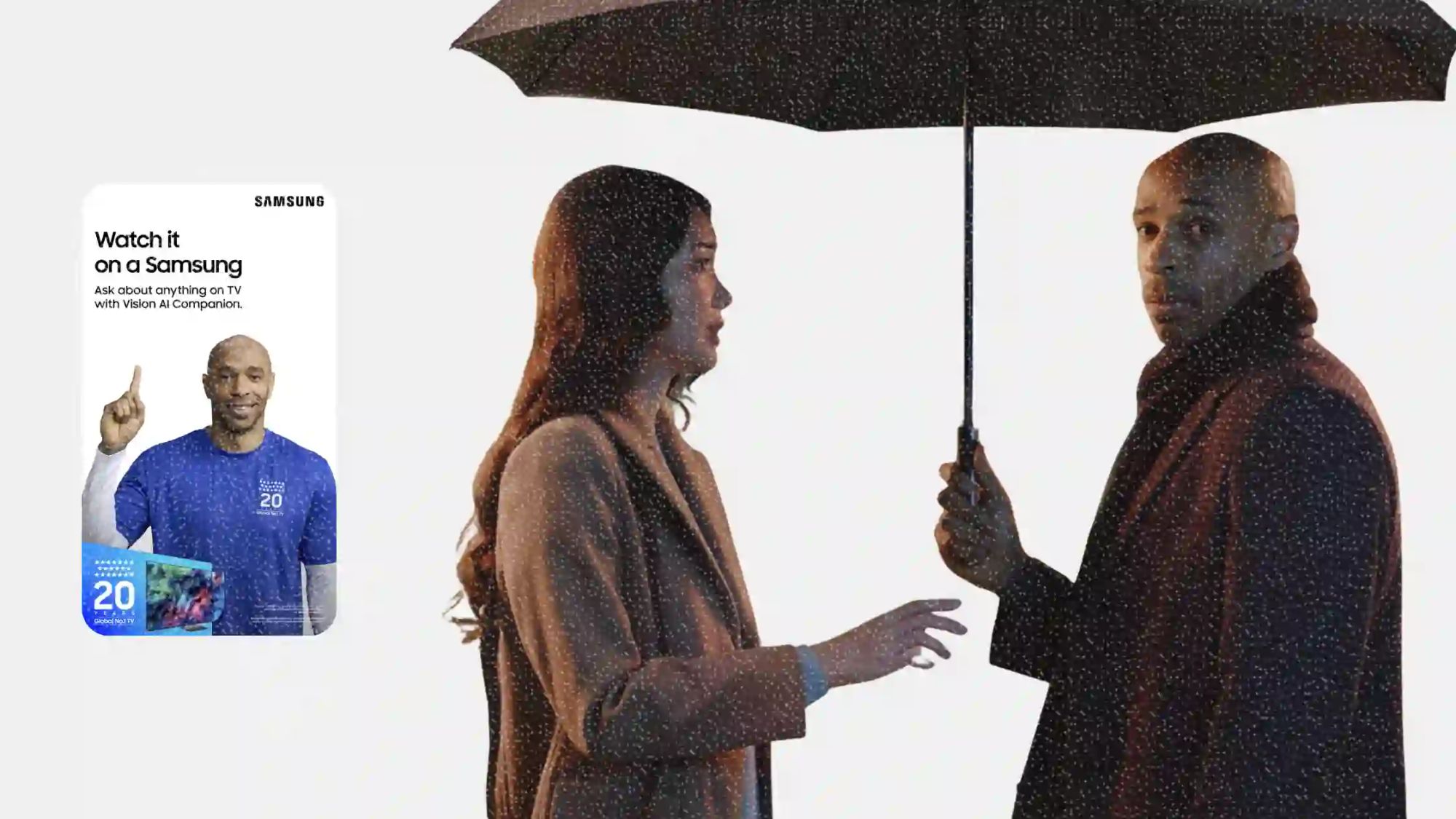
Samsung is leaning heavily into football culture as it ramps up marketing around its premium TV business ahead of the 2026 FIFA World Cup cycle. The company has partnered with football legend Thierry Henry as part of its new #WatchItOnASamsung campaign, combining celebrity storytelling, AI-powered TV features, and new consumer research focused on how fans experience live sport.
The campaign is not just about showcasing TV hardware. Samsung is positioning viewing quality itself as part of the emotional football experience, especially as more fans split their matchday viewing between home setups, pubs, and community venues. According to Samsung’s latest UK research, picture and sound quality increasingly shape whether fans enjoy the match, return to a venue, or choose to watch elsewhere.
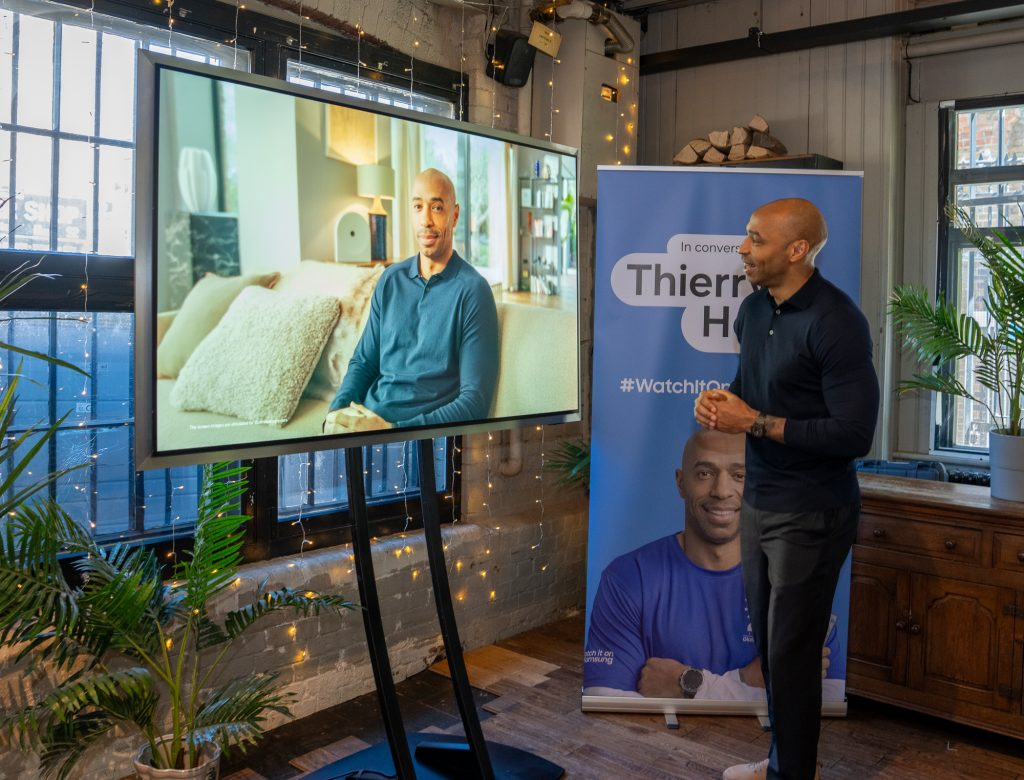
For marketers, the campaign reflects a broader trend: sports marketing is becoming less about sponsorship visibility alone and more about controlling the surrounding viewing experience. Brands are increasingly tying emotional fan moments to premium technology, AI personalization, and community-driven storytelling.
Table of contents
Jump to each section:
- Why Samsung is using football culture to strengthen its premium TV positioning
- What Samsung’s football fan research reveals about viewing behavior
- How Thierry Henry fits into Samsung’s broader World Cup marketing strategy
- What marketers should know about experience-led sports campaigns
- Why AI-powered entertainment marketing is becoming more emotional
 Patrecia Meliana
Why Samsung is using football culture to strengthen its premium TV positioning
Samsung’s latest campaign arrives as brands prepare for a massive global sports marketing cycle leading into the 2026 FIFA World Cup.
The company is using football fandom as a cultural shortcut to reinforce its premium TV positioning across 25 European markets. Instead of focusing only on technical specifications, Samsung is tying product performance directly to emotional fan experiences.
The campaign centers around a simple positioning statement: if the moment matters, it should be watched on a Samsung screen.
That framing allows Samsung to connect multiple themes at once:
- Premium display quality
- AI-powered personalization
- Community viewing experiences
- Football culture and fandom
- Social-first entertainment marketing
Samsung is also using the campaign to reinforce its claim of being the global number one TV brand for 20 consecutive years, according to Omdia.
Rather than relying on traditional product advertising, the campaign uses humorous content featuring Thierry Henry in exaggerated on-screen personas, including an action hero, football pundit, and K-drama character.
This entertainment-first approach reflects how consumer electronics marketing increasingly overlaps with creator culture and social media storytelling.
What Samsung's football fan research reveals about viewing behavior
Samsung’s accompanying research offers useful insight into how sports audiences now think about live viewing experiences.
According to the survey:
- 86% of British football fans said watching football together makes them feel part of a community
- 83% ranked TV picture quality as a top matchday priority
- 82% said picture and sound quality directly impact enjoyment of major matches
- 66% said they would visit local venues more often if the viewing experience improved
The findings suggest atmosphere alone is no longer enough for sports venues or entertainment brands.
Fans increasingly expect high-quality visuals, better sound synchronization, glare reduction, and immersive viewing experiences regardless of whether they are watching at home or in a pub.
Samsung also highlighted several frustrations fans experience during live matches:
- Blocked viewing angles
- Audio issues
- Glare affecting visibility
- Sound delays
- Difficulty tracking the ball clearly
For marketers, this matters because audience expectations around live entertainment quality are rising quickly.
Consumers now evaluate experiences holistically. The technology layer is becoming part of the emotional product itself. This has implications far beyond football. The same expectation shift is happening across gaming, streaming entertainment, esports, live commerce, and premium digital experiences.
How Thierry Henry fits into Samsung's broader World Cup marketing strategy
Thierry Henry gives Samsung something many technology brands struggle to create organically: cultural credibility inside football conversations.
Henry’s role in the campaign goes beyond celebrity endorsement. Samsung is using him as a bridge between nostalgia, expertise, and entertainment. That matters because football marketing has become extremely crowded. Every major brand wants emotional relevance during major tournaments.
Samsung’s strategy appears focused on differentiating through experience quality instead of pure sponsorship visibility. The campaign also aligns with a wider industry shift where football fandom itself becomes the product narrative.
Pepsi recently launched its “Pepsi football nation” campaign around fan culture rather than matchday moments alone. Adidas, EA Sports, and streaming platforms are also increasingly building football campaigns around community identity and creator participation.
Samsung’s campaign follows the same pattern:
- Football as culture, not just sport
- Fans as creators and participants
- Technology as emotional amplification
- AI personalization as part of entertainment
The company also showcased features including AI Football Mode, AI Sound Controller Pro, and Vision AI Companion during a London event tied to the campaign.
This positions AI less as a technical feature and more as an invisible enhancement layer designed to improve emotional immersion.
What marketers should know about experience-led sports campaigns
Samsung’s campaign highlights several shifts marketers should pay attention to heading into the next global sports cycle.
1. Experience quality is becoming part of brand storytelling
Brands are increasingly marketing the experience surrounding the content, not just the content itself.
In Samsung’s case, the television becomes part of the matchday ritual rather than just the device displaying the game. This strategy works particularly well in crowded categories where technical differentiation alone feels interchangeable to mainstream consumers.
2. AI marketing works better when it feels invisible
Samsung barely positions AI as futuristic technology.
Instead, the company frames AI as something that quietly improves emotional moments. That is a major shift from earlier AI campaigns that focused heavily on technical complexity.
Marketers should pay attention to this framing. Consumers increasingly respond better to outcome-driven AI messaging than feature-heavy positioning.
3. Community remains a powerful emotional trigger
Samsung’s research repeatedly emphasizes togetherness and community viewing. Even as personalization technology advances, audiences still value shared experiences.
That creates opportunities for:
- Sports bars and venues
- Streaming platforms
- Connected TV brands
- Live event marketers
- Retail entertainment spaces
The emotional layer of community remains highly valuable for brand positioning.
4. Football marketing is becoming year-round culture marketing
Major tournaments still matter, but brands increasingly build football campaigns around ongoing fan identity instead of isolated events.
This helps brands extend campaign relevance beyond short tournament windows.
Patrecia Meliana
Why AI-powered entertainment marketing is becoming more emotional
Samsung’s campaign reflects a broader evolution happening across consumer marketing.
AI is increasingly positioned as a tool for emotional enhancement rather than productivity alone.
In entertainment marketing specifically, brands are using AI to improve immersion, personalization, and sensory quality instead of focusing purely on automation.
That shift matters because audiences rarely buy technology for technical reasons alone.
They buy outcomes:
- Better moments
- More immersive experiences
- Easier participation
- Emotional connection
- Social relevance
Samsung’s Thierry Henry campaign effectively translates complex display and AI technology into emotionally recognizable football moments.
As competition intensifies ahead of the 2026 World Cup, expect more brands to combine fandom, creator storytelling, AI personalization, and premium entertainment positioning into unified campaigns.
For marketers, the challenge will not simply be joining sports conversations. It will be creating experiences audiences genuinely feel are worth showing up for.