
Pepsi doubles down on football culture with ‘Pepsi Football Nation’ platform
A multi-year push to turn fan rituals into always-on marketing moments

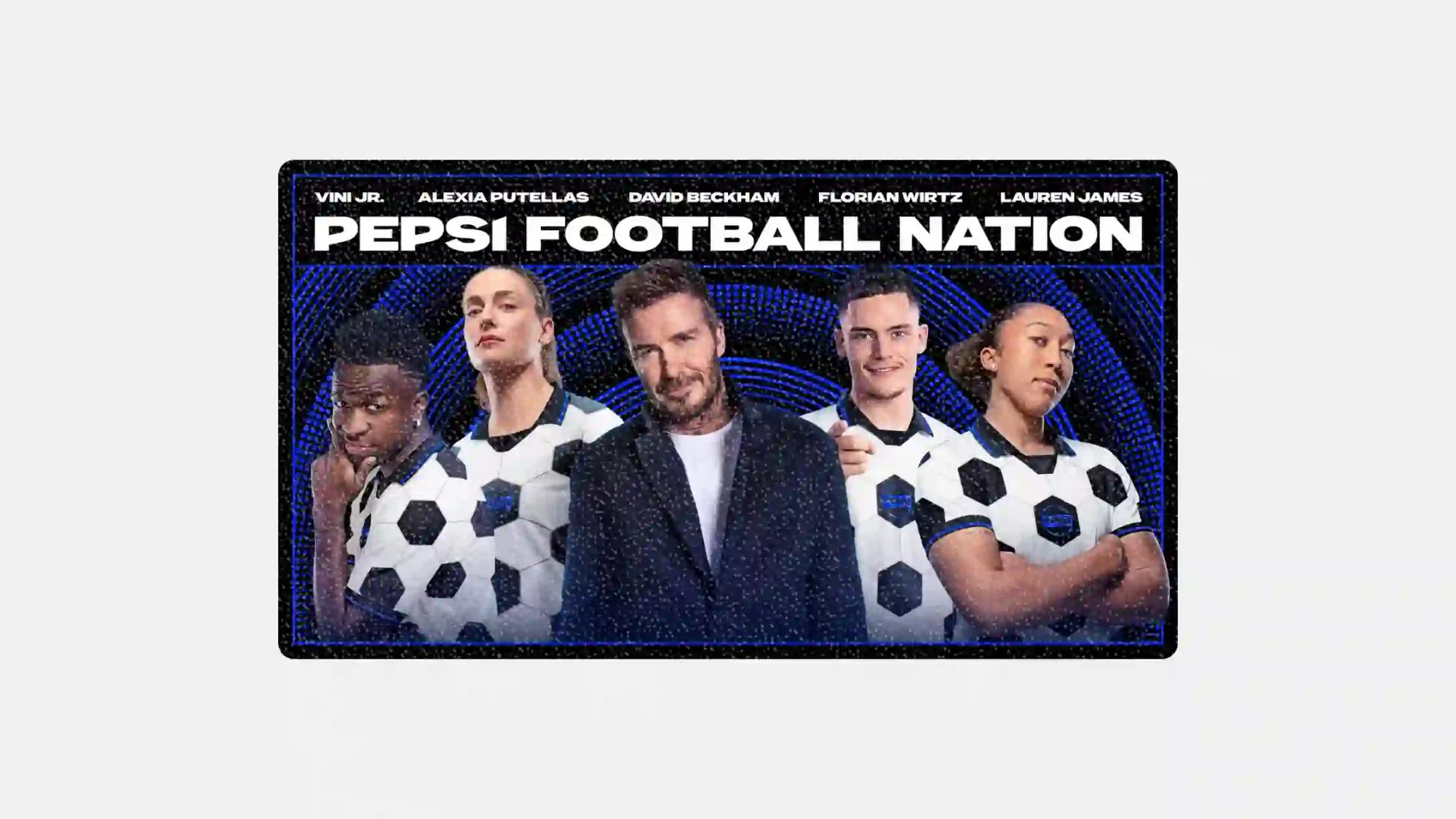
Pepsi is leaning deeper into football culture, not just as a sponsorship play but as a long-term content and community strategy. Its newly launched “Pepsi Football Nation” platform reframes the sport as an always-on cultural conversation rather than a 90-minute event.
This article explores how Pepsi is operationalizing fandom as a marketing engine, why its “ban the S-word” tactic matters more than it seems, and what B2B marketers can take from this shift toward participatory brand ecosystems.
Short on time?
Here’s a table of contents for quick access:
- What is Pepsi Football Nation and what’s new in the campaign
- Why Pepsi is turning fan culture into a marketing platform
- How digital activations and community play a central role
- What marketers should know about culture-led brand ecosystems
 Patrecia Meliana
What is Pepsi Football Nation and what's new in the campaign
Pepsi has launched “Pepsi Football Nation,” a global, multi-year platform designed to bring football culture into everyday life. The initiative builds on more than 50 years of the brand’s association with the sport, but shifts the focus from matchday visibility to fan-driven experiences across digital, social, retail, and live environments.
At the center is a star-led campaign film featuring names like David Beckham, Vinícius Júnior, Alexia Putellas, and Mohamed Salah. The narrative imagines a fictional “nation” where fans define the rules of football culture, from rituals to debates to playful scenarios like VAR-reviewed parking or offside lectures.
The campaign introduces tongue-in-cheek “rules” such as “Superstitions are sacred” and “Everything gets settled on the pitch,” reinforcing how fandom extends beyond the game itself.
One notable activation is Pepsi’s browser extension that replaces the word “soccer” with “football,” aligning with its cultural positioning and reinforcing its stance in global fan language debates.
Why Pepsi is turning fan culture into a marketing platform
The strategic shift here is subtle but important. Pepsi is no longer just sponsoring football moments. It is trying to own the cultural layer around them.
The brand explicitly frames football as something that “lives in conversations, rivalries, and traditions” beyond the pitch. That insight drives the platform’s core idea: marketing should exist wherever fandom shows up, not just during live events.
This reflects a broader trend in brand strategy:
- From events to ecosystems: Campaigns are no longer time-bound. They evolve into ongoing platforms.
- From audiences to participants: Fans are positioned as rule-makers, not just viewers.
- From content to culture: The goal is to shape behavior and rituals, not just impressions.
Pepsi’s move also builds on its earlier “Refresh the Game” campaign, signaling continuity rather than a one-off push.
How digital activations and community play a central role
Beyond the hero film, Pepsi is extending the platform through digital-first activations designed to scale participation.
These include:
- Browser-level interventions: The “soccer” to “football” extension turns a cultural stance into a daily interaction point
- Community engagement on Reddit: Fans are invited to debate and define their own rituals
- Always-on social content: Distributed across Instagram, TikTok, and YouTube
This approach reflects how modern campaigns operate as systems rather than assets. The film is just the entry point. The real value comes from sustained engagement loops across platforms.
It also shows how brands are increasingly embedding themselves into existing communities instead of trying to build new ones from scratch.
What marketers should know about culture-led brand ecosystems
Pepsi’s strategy offers a few clear takeaways for marketers navigating fragmented attention and platform fatigue:
1. Treat culture as infrastructure, not decoration
Campaigns that tap into existing behaviors like rituals and debates have a longer shelf life than those built purely on creative concepts.
2. Build participation into the idea itself
The “rules of football fandom” concept naturally invites contribution. This reduces reliance on paid amplification.
3. Extend campaigns into tools and utilities
The browser extension is a small but effective example of turning brand messaging into functional touchpoints.
4. Invest in always-on storytelling systems
Multi-year platforms create continuity, which is increasingly critical as audience attention becomes more fragmented.
5. Align global scale with local nuance
By focusing on universal fan behaviors, Pepsi can localize execution without losing a cohesive global narrative.
Patrecia Meliana
Pepsi Football Nation is less about football and more about how brands operate in culture. By shifting from sponsorship to participation, Pepsi is betting that long-term relevance comes from embedding itself into how fans think, talk, and interact every day.
For marketers, the message is clear: the next wave of brand building will not be driven by bigger campaigns, but by smarter systems that turn audiences into collaborators.