
Smarter aisles are forcing retail media budgets to grow up
The quiet merger of shelf space and screen space is changing how brands think about retail media, shopper marketing, and omnichannel investment.

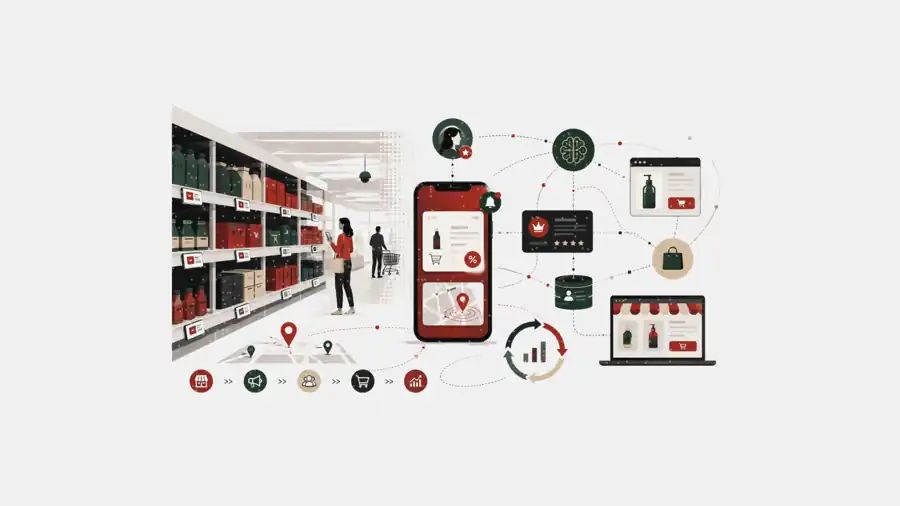
Retail media is no longer confined to sponsored search placements, display ads, or ecommerce banners.
Based on insights from an ADWEEK opinion piece by Elizabeth Marsten, vice president of innovation and growth for commerce media at Tinuiti, the physical store itself is increasingly becoming part of the media layer. It is now powered by shopper data, loyalty systems, personalization engines, and connected retail infrastructure.
What used to be “shopper marketing” now behaves more like an adaptive media channel with measurable signals tied to purchase behavior. The result is a more fluid path from awareness to purchase, but also a more complicated investment environment for brands trying to measure impact across channels.
Table of contents
Jump to each section:
- Why the physical aisle is becoming a data-powered media environment
- How retailer apps are changing the point of purchase
- Why retail media and shopper marketing are starting to merge
- What marketers should know about omnichannel retail investment
- The bigger shift happening inside retail media
 Patrecia Meliana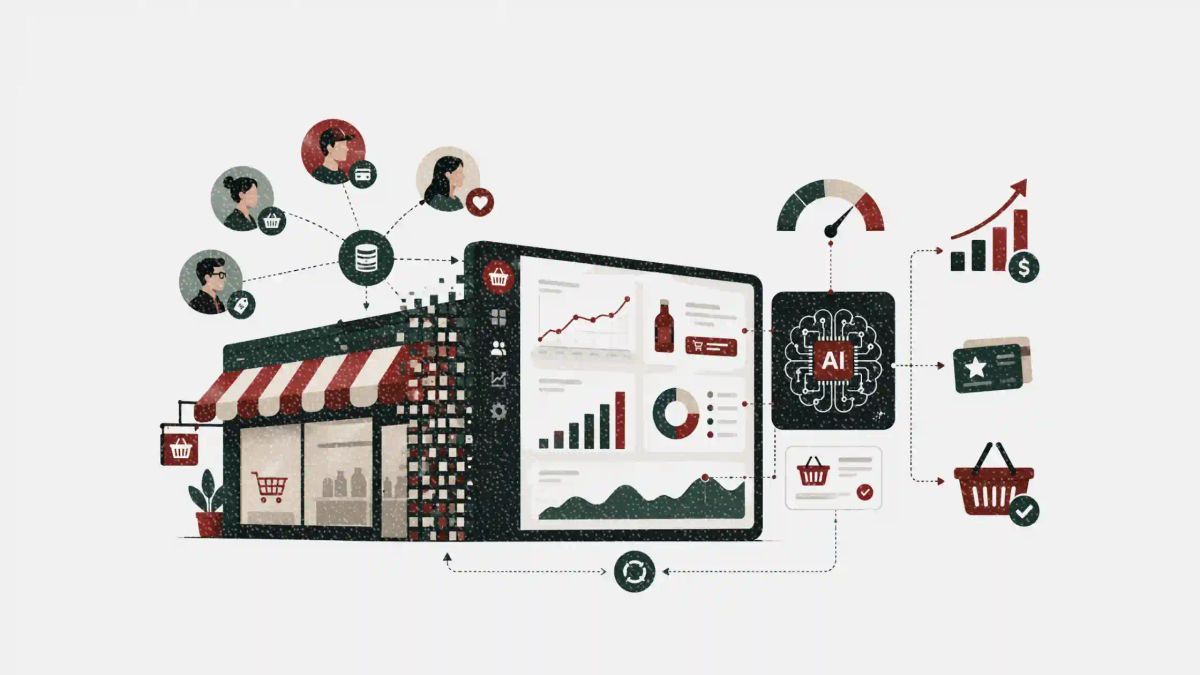
Why the physical aisle is becoming a data-powered media environment
Retail stores may look familiar on the surface, but the systems powering them have changed significantly. Promotions, signage, shelf displays, and seasonal merchandising are no longer static assets. They are increasingly tied to loyalty data, purchase behavior, and regional demand signals.
That means assortments can flex by neighborhood, app notifications can trigger as shoppers enter a store, and in-store promotions can align directly with digital engagement history. The aisle itself has effectively become responsive.
This shift represents a major evolution from traditional shopper marketing, which historically relied on broad campaigns deployed uniformly across locations. Earlier retail programs worked because they intercepted consumers at the point of decision, but they lacked precision and adaptability. Today’s connected retail environment introduces real-time signals that allow retailers and brands to adjust messaging, inventory visibility, and promotional timing much faster.
The broader implication is that retail media is moving closer to actual transaction behavior. That trend is accelerating as AI-powered optimization and retailer data systems become more advanced. Recent industry discussions around retail media increasingly focus on accountability, attribution, and business outcomes rather than pure impressions.
Patrecia Meliana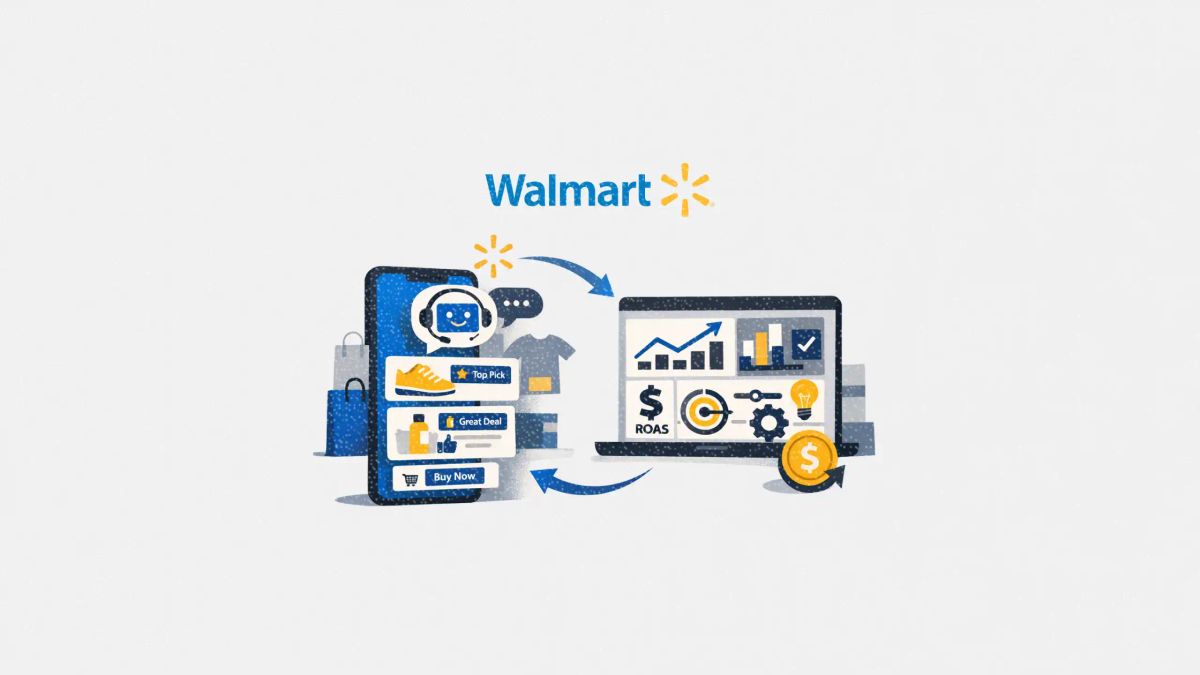
How retailer apps are changing the point of purchase
Retailer apps are becoming one of the most important bridges between ecommerce and physical retail. According to the opinion piece, apps now guide navigation, surface personalized offers, support inventory checks, and enable fulfillment changes directly inside the shopping journey.
The article specifically points to Walmart and Target as examples where “in-store modes” have matured significantly compared to earlier generations of retailer apps that struggled with poor functionality and inaccurate inventory systems.
This changes how marketers should think about the “point of purchase.” The decision journey no longer begins inside the store. It starts earlier through retail media exposure, creator influence, AI-powered recommendations, social discovery, and mobile engagement before the shopper even reaches the shelf.
Retailers are now embedding AI deeper into these experiences as well. Walmart, for example, has expanded AI-powered shopping and advertising capabilities directly inside its app ecosystem through tools like Sparky and Marty, blending shopper assistance with monetized retail media placements.
The result is a retail environment where physical and digital touchpoints constantly reinforce one another rather than operating independently.
Why retail media and shopper marketing are starting to merge
One of the clearest themes from the piece is that retail media and shopper marketing are no longer separate operational systems. A product promoted through sponsored search, offsite targeting, or social media can directly influence future shelf placement, promotional support, and assortment decisions inside stores.
At the same time, in-store experiences increasingly feed back into digital activation through app notifications, personalized coupons, loyalty systems, and online fulfillment options.
This convergence creates a more connected retail loop:
- Digital media drives awareness and demand
- In-store sales reinforce retailer confidence
- Shelf visibility increases physical exposure
- Loyalty and purchase data improve future targeting
- Retail media systems optimize campaigns continuously
For marketers, this creates both opportunity and operational complexity. Traditional organizational silos between ecommerce, shopper marketing, and media teams become harder to maintain when all systems influence one another simultaneously.
The retail media industry itself is already shifting toward adaptive audience management and closed-loop attribution models that connect media exposure directly to purchases.
What marketers should know about omnichannel retail investment
The biggest strategic mistake brands can make right now is continuing to treat retail media and shopper marketing as separate budget lines with disconnected KPIs, planning cycles, and measurement systems.
Instead, marketers should focus on aligning around shared operational signals:
- Geo-level performance data
Regional assortment and localized demand patterns increasingly shape both media and merchandising decisions.
- Inventory visibility
Media campaigns disconnected from inventory availability create wasted spend and shopper frustration.
- Retailer priorities
Retailers now expect brands to support broader commerce ecosystems, not just isolated campaigns.
- Continuous optimization
Retail media is becoming an always-on operational system rather than a collection of seasonal activations.
- Cross-channel attribution
Brands need frameworks that connect awareness, store visits, loyalty engagement, and transaction outcomes together.
This also changes how marketers think about campaign timing. Traditional retail rhythms like tentpole events, seasonal pushes, and store resets still matter, but they now sit inside a constantly updating data ecosystem.
The brands gaining advantage are increasingly the ones that treat retail media as infrastructure, not just advertising inventory.
The bigger shift happening inside retail media
The most important takeaway from this evolution is that the aisle itself did not disappear. It became programmable.
Retail environments are now part media platform, part fulfillment system, part data engine, and part customer experience layer. The distinction between “store marketing” and “digital marketing” continues to weaken as retailers integrate AI, loyalty systems, personalization, and commerce media into unified operational ecosystems.
That broader industry shift is visible across retail media, AI commerce, and social commerce trends. Platforms are racing to connect discovery, recommendation, attribution, and purchase behavior into measurable systems tied directly to revenue outcomes.
For marketers, this means retail investment strategies can no longer revolve around isolated channels. The shelf and the screen now influence one another continuously, and the organizations that adapt fastest will likely gain the strongest long-term advantage.