Storika raises seed funding to expand AI influencer marketing automation
Storika’s seed round supports US expansion and deeper automation across creator discovery, outreach, and campaign ops in martech.

Storika has raised a seed funding round to build out its AI-driven influencer marketing automation platform and support expansion into the US market.
The round brings together a mix of strategic and financial backers, and the stated focus is product improvement plus B2B customer growth. For marketers, the practical question is whether “AI-native” creator tooling meaningfully reduces the operational load of running creator programs, or simply repackages existing workflows.
Table of contents
Jump to each section:
- What Storika raised and what the funding is for
- What the platform does in plain terms
- How Storika fits into a crowded influencer martech category
- Why AI workflow automation is becoming the real battleground
- What marketers should pressure-test before adopting
What Storika raised and what the funding is for
Storika closed a seed round on June 25, 2026. Investors participating include Amore Pacific, Schmidt, Hustle Fund, BonAngels Venture Partners, and Krew Capital.
The company says it will use the capital to enhance platform capabilities, accelerate expansion into the US, and grow its B2B customer base. Even without a disclosed amount, the “use of funds” signals a common seed-stage priority: turn early product promise into repeatable go-to-market, especially in a category where switching costs can be moderate if results do not materialize quickly.
 ContentGrip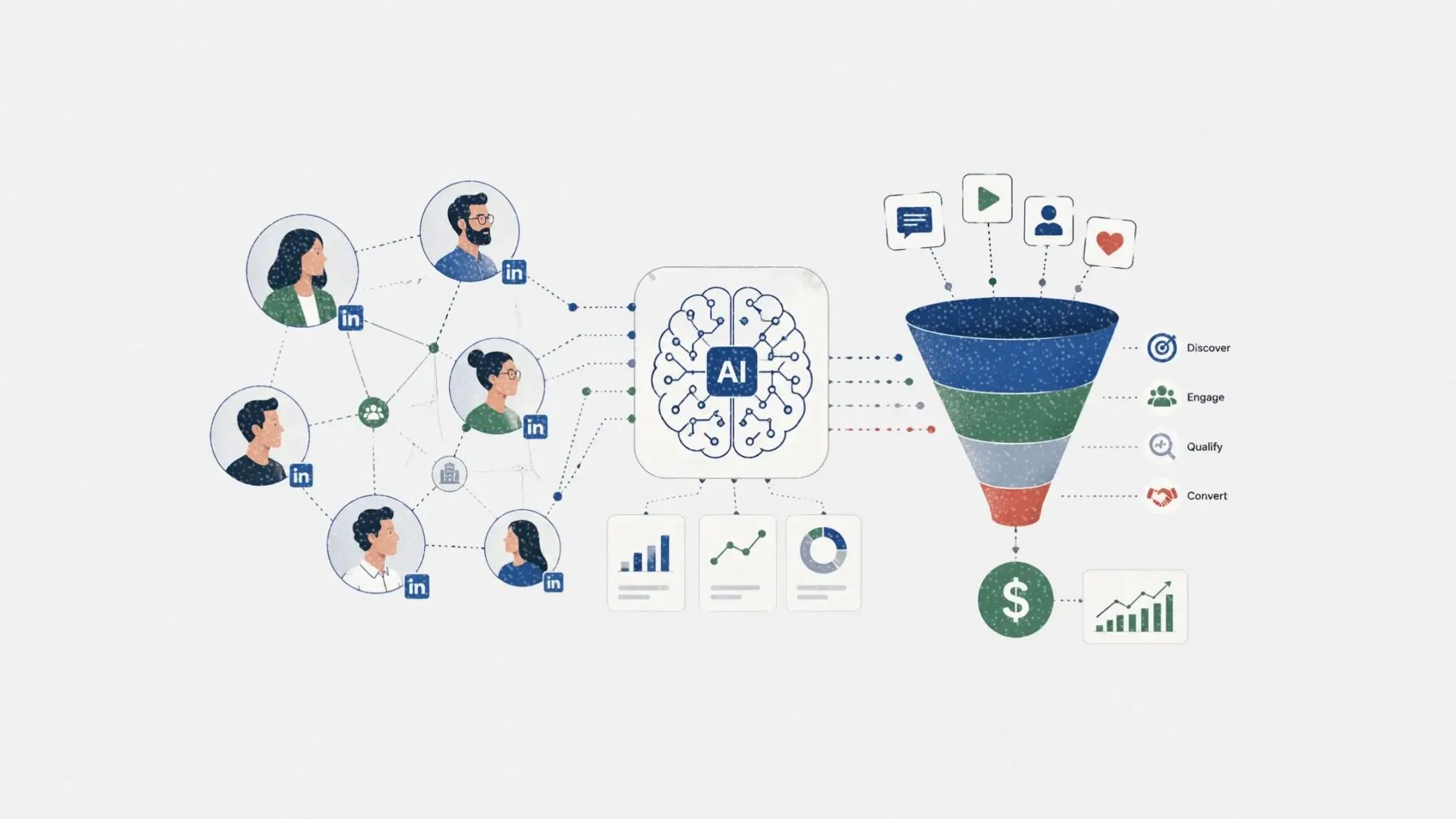
What the platform does in plain terms
Storika positions its product as an end-to-end system for creator marketing operations: finding relevant creators, managing outreach, running campaigns, and tracking performance.
A key input is its stated database of over seven million global creators. In practice, large creator databases are only as useful as the matching, quality scoring, fraud detection, and workflow execution wrapped around them. For brands, the value tends to come from reducing manual steps such as list-building, follow-ups, and asset collection, while keeping enough controls to enforce brand safety and compliance.
Storika has also referenced a private beta launch slated for July 15, 2026, which suggests parts of the offering may still be early in maturity for some buyer segments.
How Storika fits into a crowded influencer martech category
Storika competes in influencer marketing workflow software, a martech segment that blends creator discovery, outreach, campaign management, and measurement into one operating layer for brands.
That puts it in the same general arena as Aspire, GRIN, CreatorIQ, and Upfluence. Many established platforms already cover the “system of record” needs: creator CRM, campaign execution, and reporting. If Storika is to win share, it likely needs to differentiate on workflow automation depth, speed-to-launch, or measurable improvements in outcomes such as creator response rates, time-to-brief, or cost per acquired customer from creator-led programs.
In other words, “AI-powered” matters less than whether the automation is trustworthy at scale, and whether it fits how modern teams actually run creator programs across paid social, affiliates, and community channels.
Why AI workflow automation is becoming the real battleground
Creator marketing has been professionalized: more brands run always-on creator programs, and the operational overhead has become a bottleneck. This is where AI marketing automation and broader marketing workflow automation trends are converging.
The competitive shift is moving from “who has the biggest marketplace or database” toward “who can operationalize the workflow with fewer people.” Platforms that can automate repetitive steps, while preserving human approvals for brand safety and legal requirements, are aligned with how marketing teams are being asked to do more with flatter headcount growth.
Storika’s seed round fits that broader direction: investors are backing tooling that promises to compress cycle time from creator selection to live content, and make performance feedback loops tighter.
What marketers should pressure-test before adopting
Before committing budget or migrating workflows, marketing teams typically need clarity on execution details, not just feature lists:
- Creator match quality: How are creators scored for brand fit and predicted performance, and how does the model handle niche categories?
- Workflow control: Which steps are truly automated vs. templated, and where can brand approvals be enforced?
- Measurement integrity: Can reporting reconcile with first-party ecommerce or CRM data, or does it rely mainly on platform metrics?
- Brand safety and compliance: What checks exist for fake followers, content risk, and disclosure requirements?
- Team adoption: Does the tool reduce work for operators, or create new work via exceptions and manual cleanup?
For US expansion specifically, marketers will also want to see whether the platform supports the creator ecosystems and channel mix they actually use (including creator whitelisting, paid amplification workflows, and affiliate-style attribution), since these can vary significantly by market and vertical.