
Vaseline’s “Love hurts” campaign turns everyday rituals into brand storytelling that scales
Why Vaseline’s latest campaign shows the power of shared memory, creator influence, and human-centered branding

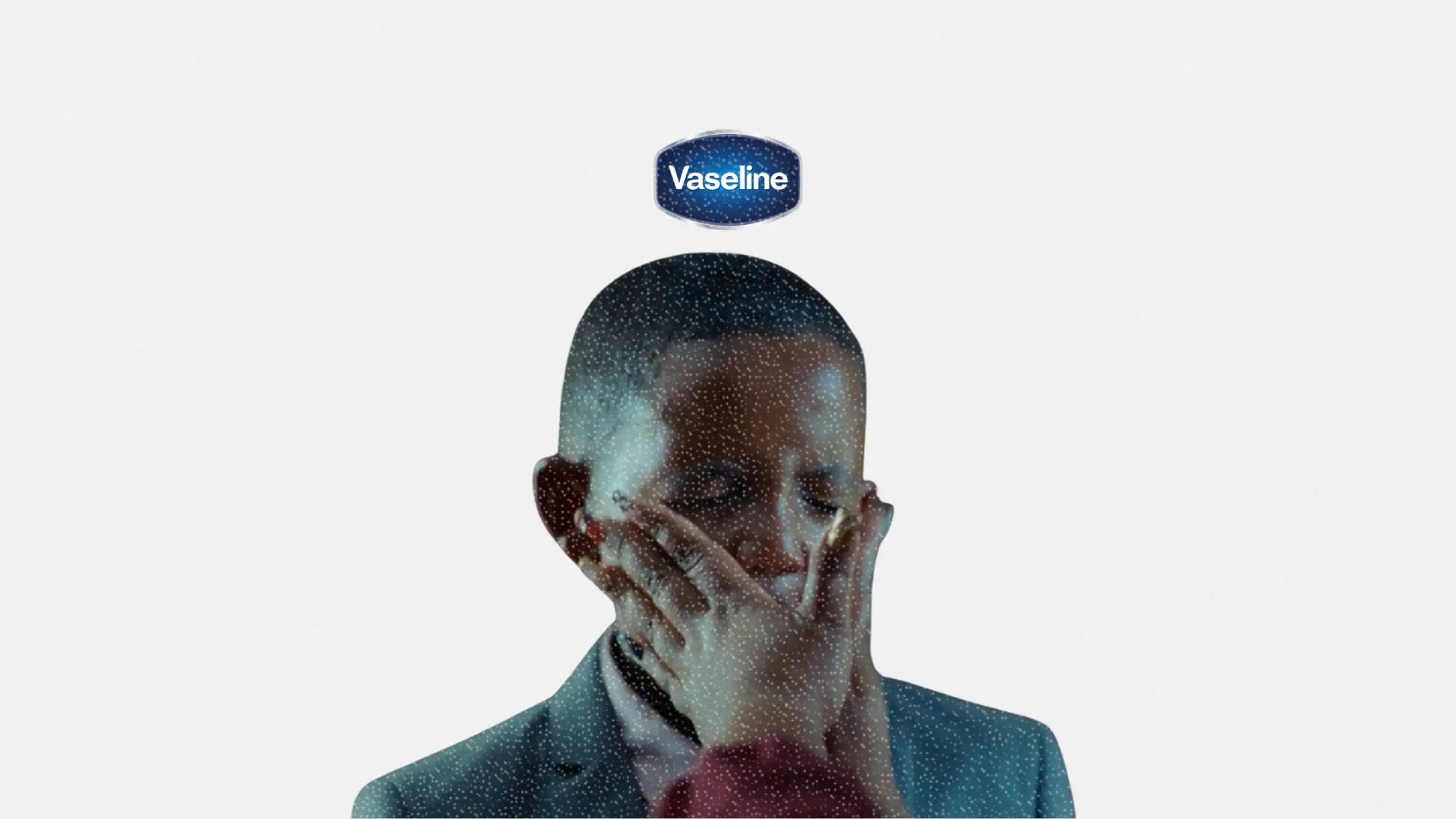
Vaseline is leaning into something most brands overlook: the uncomfortable, emotional rituals that define real-life care.
Its latest campaign, “Love hurts,” reframes a familiar childhood moment into a culturally resonant narrative that travels across markets.
This article explores how Vaseline and Ogilvy Singapore are using shared memory, creator influence, and emotional storytelling to drive both reach and brand meaning and what B2B marketers can learn from this approach.
Short on time?
Here’s a table of contents for quick access:
- What is Vaseline’s “Love hurts” campaign and what happened?
- Why generational storytelling is becoming a strategic marketing lever
- What marketers should know about scaling emotional campaigns
- How Vaseline connects culture, creators, and product innovation
 Patrecia Meliana
What is Vaseline's "Love hurts" campaign and what happened?
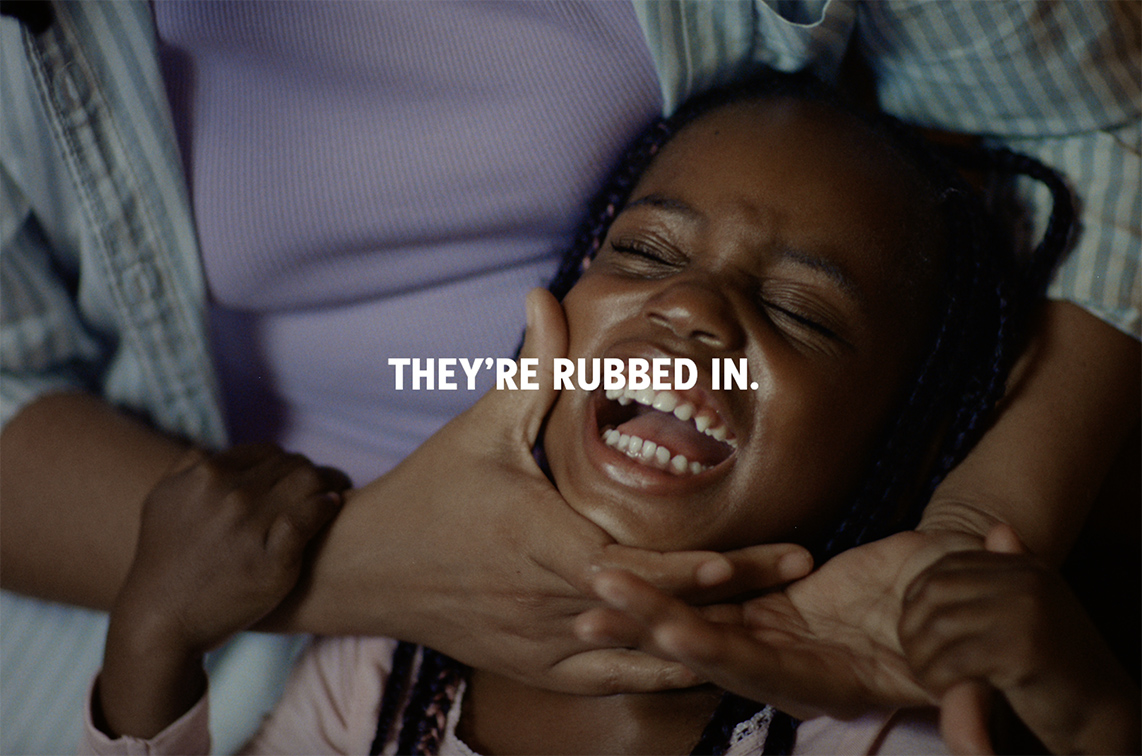
Vaseline has launched “Love hurts,” a campaign film centered on a widely shared but rarely celebrated moment: a parent or caregiver applying petroleum jelly to a child’s face despite resistance.
Directed by BAFTA-winning filmmaker and former Olympian Savanah Leaf, the film debuted in Kenya on 8 April before expanding across social platforms. It invites audiences to share similar experiences using the hashtag #AllYouNeedIsVaseline.
The narrative follows a simple emotional arc. What begins as childhood discomfort evolves into adult understanding, reframing the act as protection and care rather than inconvenience.
From a performance standpoint, the campaign delivered immediate traction. It reached over one million people on launch day in a single market and later surpassed 11 million views across Vaseline East Africa’s channels, becoming the brand’s most viewed film in that region.
The campaign was spearheaded by Ogilvy Singapore and produced by Park Pictures London and Whitecoat Productions, signaling a coordinated global-local storytelling effort.
Why generational storytelling is becoming a strategic marketing lever
This campaign is not just about nostalgia. It reflects a broader shift in how brands build emotional relevance at scale.
Instead of creating aspirational or idealized narratives, Vaseline taps into shared cultural memory. The ritual of applying petroleum jelly is positioned as a universal experience that cuts across geography, age, and background.
For marketers, this approach solves a familiar challenge: how to create campaigns that feel personal while still being globally scalable.
The insight here is specificity. By focusing on one highly recognizable moment, the campaign achieves broader relatability. As Ogilvy Singapore’s Chief Creative Officer noted, the idea centers on everyday experiences that people live through but rarely articulate.
This is increasingly important in a fragmented media environment where attention is earned through recognition, not interruption.
Patrecia Meliana
What marketers should know about scaling emotional campaigns
For B2B marketers and brand strategists, there are several practical takeaways from this campaign:
- Start with a real behavior, not a message
The campaign works because it is grounded in a lived experience. Instead of pushing a product benefit, it surfaces a behavior audiences already understand.
- Design for cultural portability
The ritual depicted is specific enough to feel authentic, yet common enough to resonate across markets. This balance is critical for global campaigns.
- Use emotion as an entry point, not the endpoint
The film drives emotional engagement, but it also reinforces Vaseline’s positioning as a product tied to protection and care.
- Build participation loops
The hashtag #AllYouNeedIsVaseline encourages user-generated content, turning passive viewers into active contributors.
- Measure beyond reach
While view counts are strong, the real value lies in how the campaign strengthens brand memory and association over time.
Patrecia Meliana
How Vaseline connects culture, creators, and product innovation
“Love hurts” is not an isolated campaign. It builds on Vaseline’s broader strategy of blending cultural storytelling with creator-led innovation.
The brand’s earlier “Vaseline originals (OGs)” initiative turned viral beauty hacks into actual products. For example, influencer-driven hacks like brow taming and primer applications were transformed into new offerings inspired by creators such as Jen Chae and Lauren Luke.
This signals a clear shift in how brands approach product development and marketing:
- Culture informs product, not just campaigns
- Creators act as R&D inputs, not just distribution channels
- Community behaviors become commercial opportunities
For marketers, this is a playbook worth studying. It connects storytelling, social proof, and product innovation into a single loop rather than treating them as separate functions.
Patrecia Meliana
Vaseline’s “Love hurts” campaign shows how brands can turn overlooked, everyday moments into scalable storytelling assets. By anchoring its narrative in shared experience, the brand achieves both emotional depth and global reach.
For marketers, the lesson is clear. The most effective campaigns are not always the loudest or most complex. They are the ones that reflect how people actually live, feel, and remember.
As competition for attention intensifies, tapping into cultural memory and real behavior may be one of the most durable strategies available.