Vaseline turns viral beauty hacks into products with ‘Originals’ creator-led strategy
Turning creator-led beauty hacks into products signals a shift from trend validation to community-driven innovation

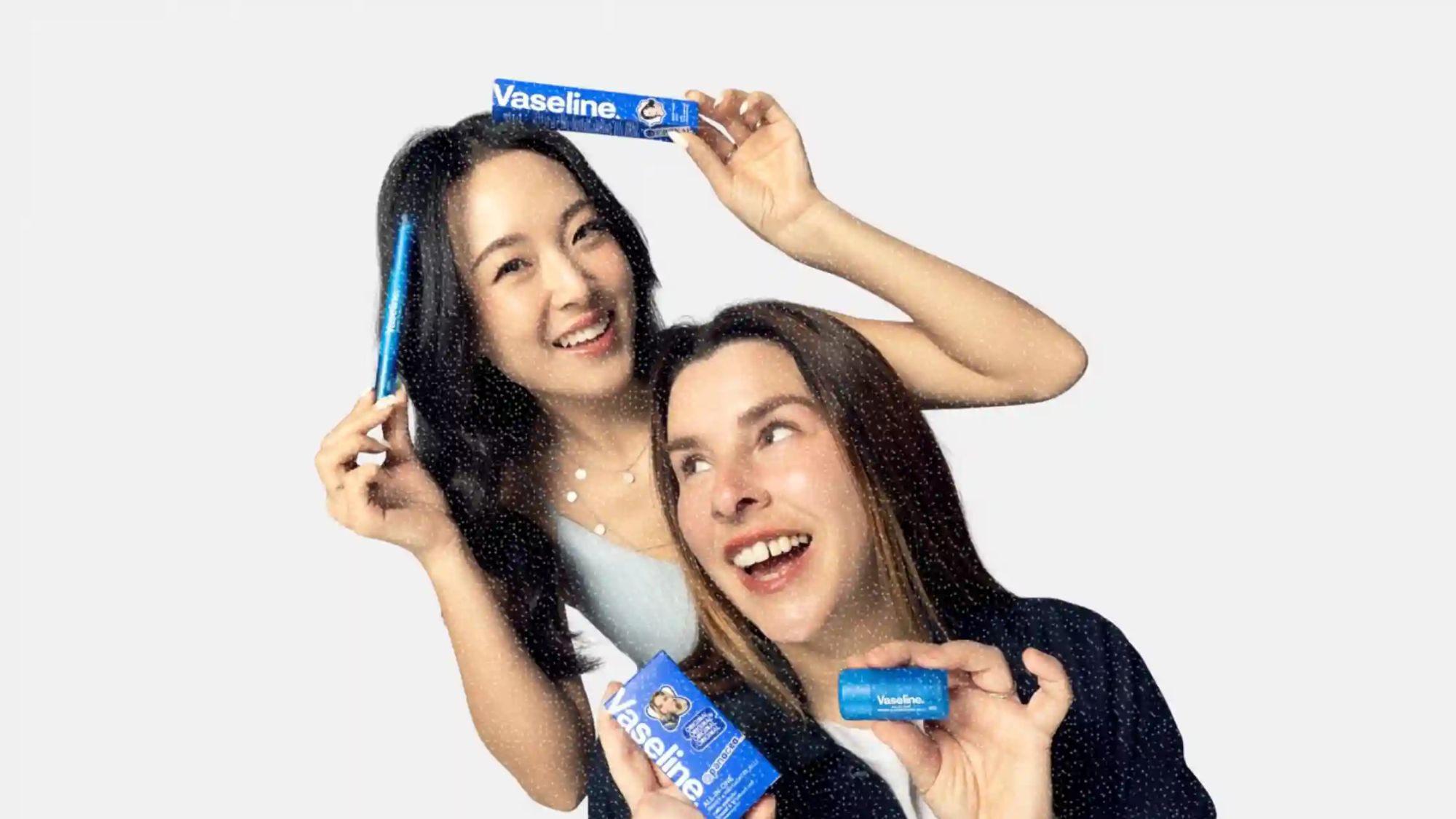
Vaseline is making a calculated shift from validating creator trends to productizing them. In its latest global campaign, “Vaseline Originals (OGs),” the brand is turning long-standing social media hacks into actual products, while crediting the creators who first shared them.
This article explores how Vaseline is operationalizing community-driven innovation, what this means for brand building in the creator economy, and why marketers should pay attention to this shift from trend validation to co-creation.
Short on time?
Here’s a table of contents for quick access:
- How Vaseline is turning viral hacks into real products
- From Vaseline verified to Vaseline Originals what changed
- Why community-led innovation is becoming a growth engine
- What marketers should know about creator co-creation strategies
 Patrecia Meliana
How Vaseline is turning viral hacks into real products
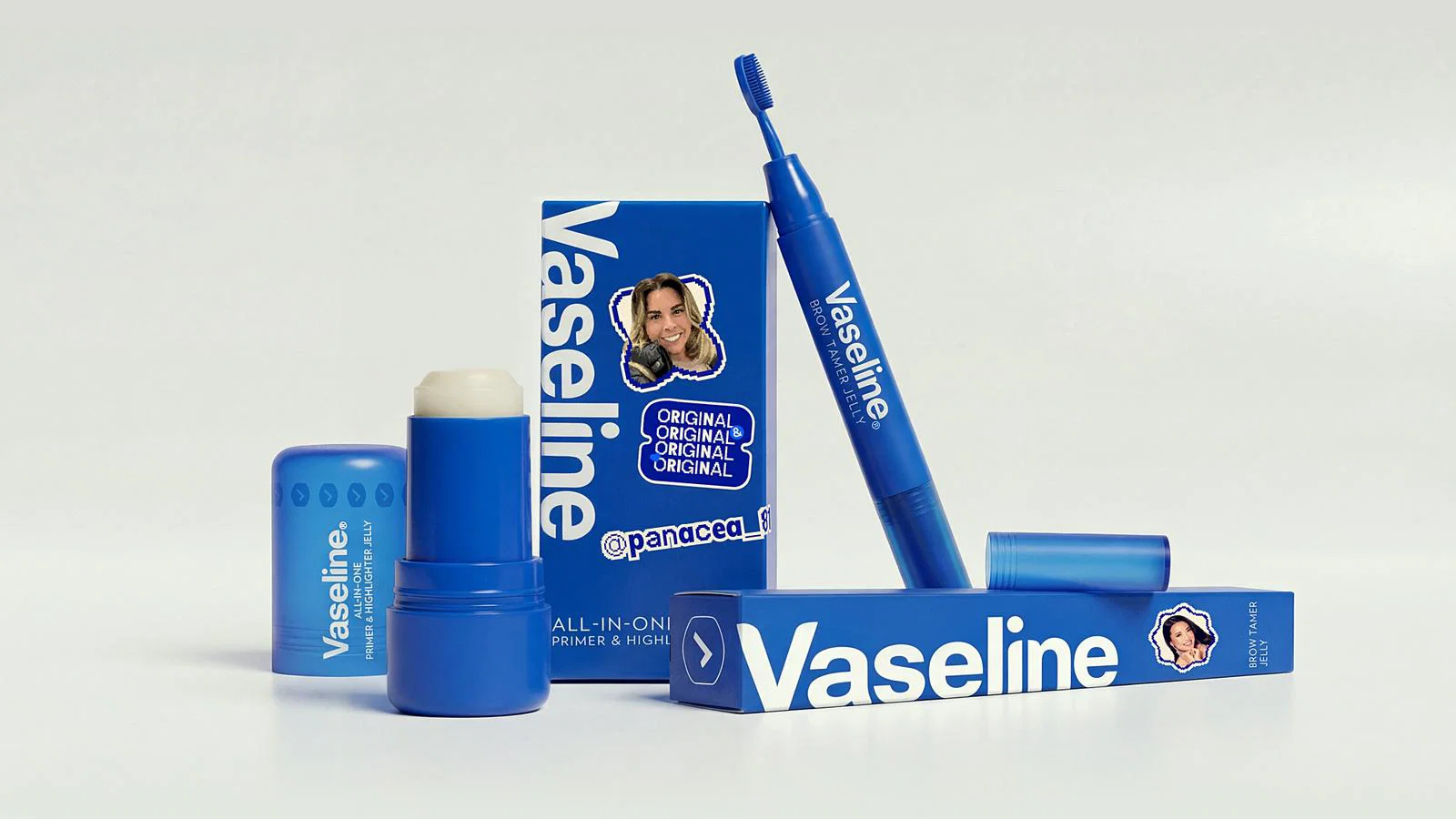
Vaseline’s new “Originals” line is built directly from user-generated beauty hacks that have circulated online for years. Instead of simply acknowledging these trends, the brand has transformed them into retail-ready products.
Two early creator-led ideas anchor the launch. Beauty creator Jen Chae shared a Vaseline-based brow tamer hack in 2008, while YouTube pioneer Lauren Luke popularized a primer hack using the same product.
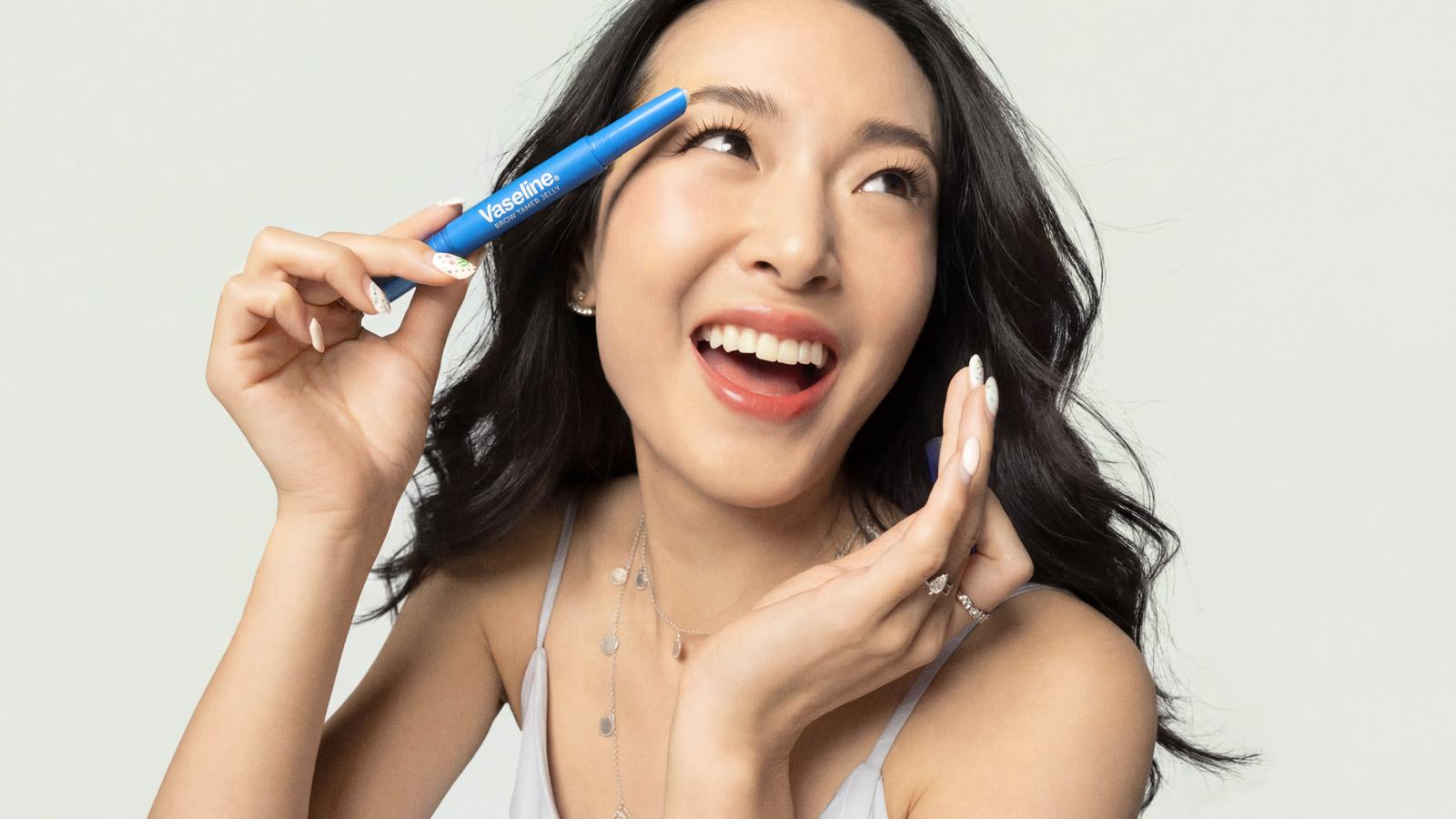
Nearly two decades later, these ideas have been formalized into the Vaseline Brow Tamer and an All-in-One Primer and Highlighter Jelly.
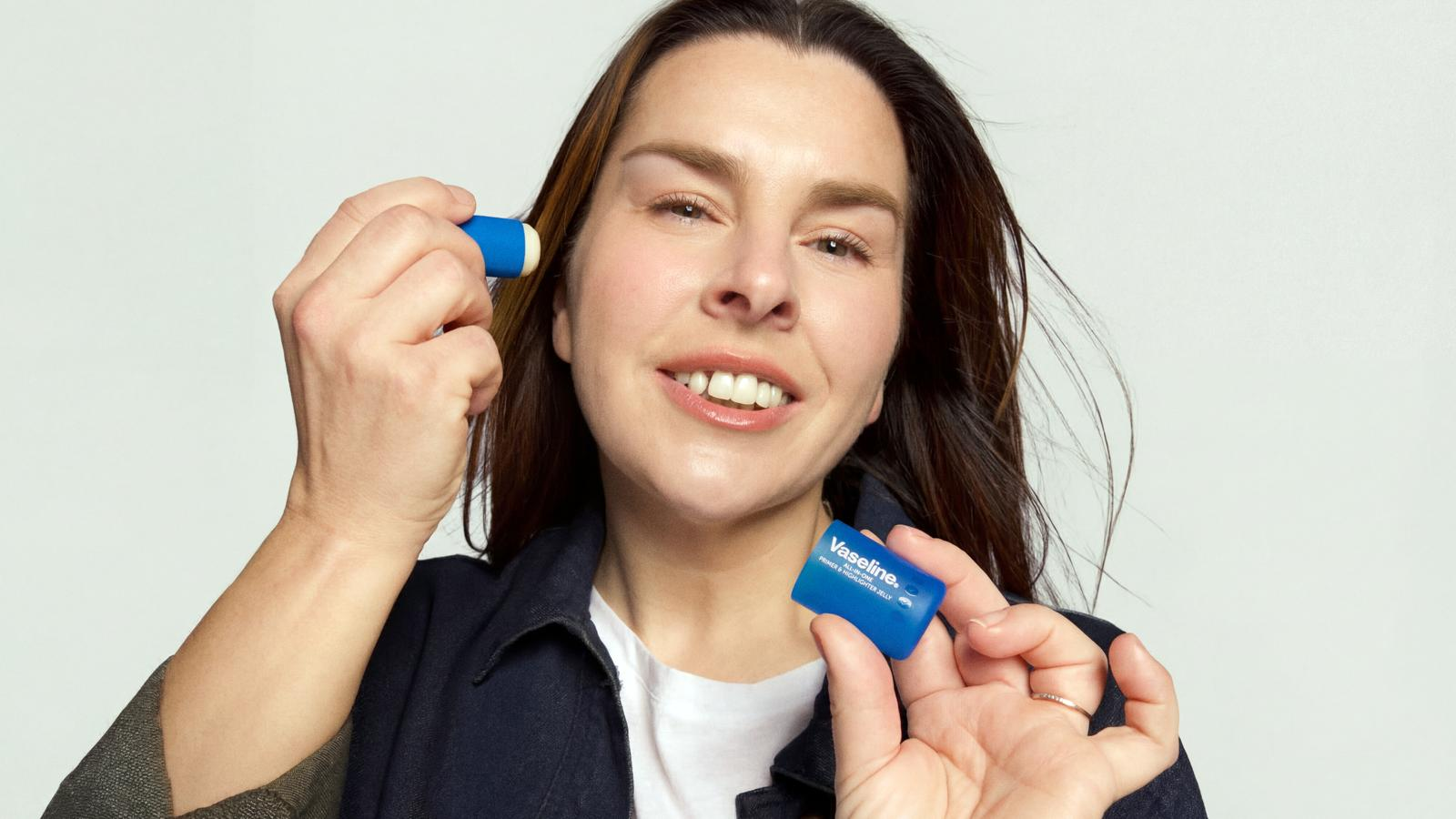
Both products debuted via TikTok Live on 30 March 2026 and sold out within minutes, signaling immediate demand and strong product-market fit.
This is not just product development. It is a redefinition of where product ideas come from and who gets credit for them.
From Vaseline Verified to Vaseline Originals what changed
The campaign builds on Vaseline Verified, which focused on testing and validating viral hacks shared by creators. That platform proved utility and drove engagement at scale.
“Originals” takes the next step by shifting from validation to co-creation. Instead of asking “does this hack work?”, Vaseline is now asking “who created it, and how do we bring them into the process?”
This shift introduces two key changes:
- Creator attribution becomes central: Original creators are publicly recognized as “Vaseline OGs”
- Innovation pipeline becomes community-driven: The brand actively sources product ideas from user behavior
With more than 3.5 million Vaseline hack-related posts online, the brand is effectively mining its own cultural footprint as an R&D engine.
This reframes the role of marketing from amplification to participation.
Patrecia Meliana
Why community-led innovation is becoming a growth engine
The early commercial results are hard to ignore. Products selling out in minutes is not just a campaign win, it is a signal that demand already existed before the product launched.
What Vaseline is tapping into is pre-validated demand:
- The audience already understands the use case
- The content has already proven engagement
- The creator has already built trust
This reduces the typical risks associated with new product launches.
More importantly, it highlights a broader shift. Innovation is moving closer to the edge of the brand, where creators and consumers experiment in real time. Brands that can capture and scale these ideas gain both speed and relevance.
In this model, the community is not just an audience. It is a distributed innovation layer.
Patrecia Meliana
What marketers should know about creator co-creation strategies
For B2B marketers and brand leaders, Vaseline’s move offers several practical takeaways:
1. Treat user behavior as product insight, not just content
Social listening should go beyond trend tracking. The real opportunity is identifying repeat behaviors that signal unmet needs.
2. Build systems to credit and reward creators
Attribution is becoming a competitive advantage. Recognizing creators builds trust and encourages deeper participation.
3. Reduce the gap between content and commerce
Vaseline collapsed the distance between a TikTok hack and a shelf-ready product. Marketers should look for ways to shorten this loop in their own ecosystems.
4. Turn campaigns into platforms
“Originals” is not a one-off campaign. It is an ongoing pipeline to identify, validate, and scale ideas from the community.
5. Rethink ownership of ideas
The shift from ownership to stewardship reflects a broader cultural change. Brands that share credit may ultimately gain more influence.
Vaseline’s “Originals” campaign signals a deeper transformation in how brands innovate. The move from validating trends to co-creating products with creators reflects a more participatory, faster-moving model of brand building.
For marketers, the implication is clear. The next wave of innovation may not come from internal brainstorming sessions, but from observing, crediting, and scaling what audiences are already doing.
Brands that learn how to operationalize this dynamic will be better positioned to stay relevant in a creator-first economy.