Yeti’s “Four Letters” platform turns obsession into a logo you can wear
Yeti’s “Four Letters” uses a logo remix and an anthem film to frame the brand around obsession, then extends it through OOH, retail, and social formats.

Yeti has always been a certain kind of signal: not just “outdoors,” but that specific, slightly unhinged commitment to doing the thing properly, even when it is hard, cold, early, or inconvenient.
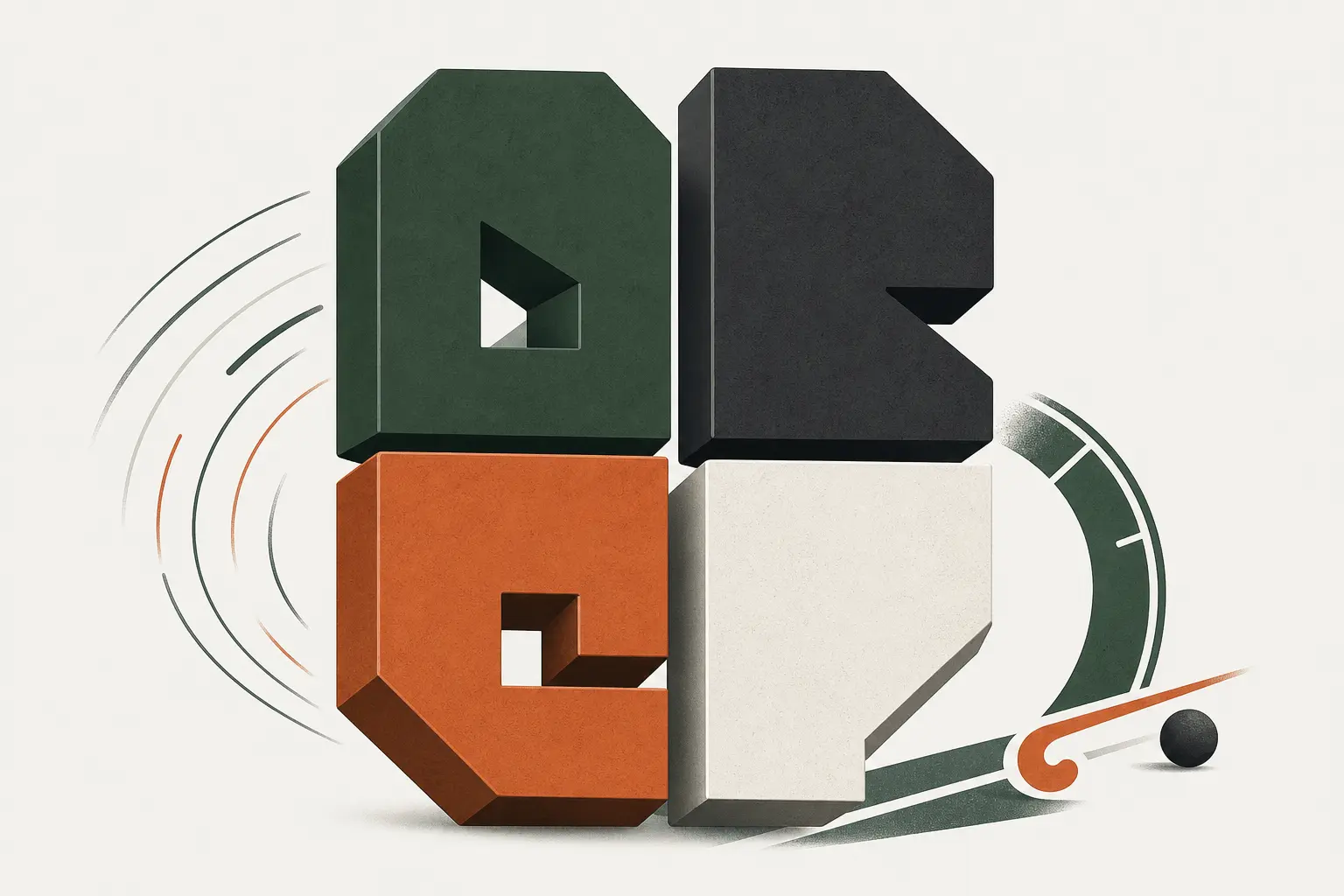
That is the emotional core behind “Four Letters,” a brand platform built around reshaping Yeti’s block logo into four-letter words that stand in for the pursuits people organise their lives around. The company outlined the work as part of its platform collaboration with Wieden+Kennedy Portland.
Table of contents
Jump to each section:
- What “Four Letters” is actually saying about identity, not just outdoors
- How the anthem film uses four-letter words as storytelling
- Why this platform is built to travel across retail, sports, and social
- What this means for marketers building long-life brand platforms
What “Four Letters” is actually saying about identity, not just outdoors
Yeti was built on the idea of durability and “bull-simple” design: remove what does not matter and keep what does. “Four Letters” applies that same discipline to meaning.
Instead of positioning the brand as gear for a specific niche (hunting, fishing, or hardcore outdoors), the platform reframes Yeti as an enabler for people who are “irrationally committed” to something. That shift matters because it widens the emotional doorway. It is not “do you camp?” It is “do you have a thing you take seriously?”
The creative idea is simple enough to feel like it could belong to the community. If you love something, there is probably a four-letter word that captures it. That makes the logo behave less like a badge of membership in a single category and more like a personal label people can map onto their own identity.
 ContentGrip
How the anthem film uses four-letter words as storytelling
The platform’s main piece is a 60-second anthem film made from found and ambassador-shot footage, edited into a tight montage with a metronomic soundtrack and no voiceover. The narrative is built through pairings: what you see, then what the logo “spells.”
Some sequences land like instant captions. A fisherman waiting. A bull rider tightening his grip. A football team kneeling in prayer. The word: “wait.” Other moments become call-and-response: “game” and “time,” “duck” and “dive.” A skateboarder missing, then getting the trick becomes its own micro-story: “fail,” “bail,” “quit,” “nope.”
What makes it work is restraint. The film does not tell you what to think. It lets the words do the minimal job of naming a feeling, then trusts the viewer to fill in the rest from their own experience.
Why this platform is built to travel across retail, sports, and social
“Four Letters” was designed as a system, not a one-off. Beyond the anthem film, the platform includes three short films featuring Yeti ambassadors Kimi Werner, David Mangum, and Tootsie Tomanetz.
It also shows up in the places where passion turns public. Out-of-home creative introduced in May was set to surround major sporting events, including mobile billboards showing Yeti coolers with sport-specific logo reworks. The platform is also expected to roll through retail stores nationwide, with a limited-time sticker for customers, which turns the concept into something people can actually take, keep, and display.
The platform has a built-in social extension too. For the Fourth of July, Yeti shared an Instagram video in the same style, using words like “beer,” “dogs,” “hang,” and “time,” and the brand and agency signaled they will keep looking for moments where people can see themselves in the creative.
The underlying bet is that the mutability is the point. When a logo can flex into endless four-letter “truths,” it becomes easier for different subcultures to adopt the idea without feeling like they are borrowing someone else’s identity.
What this means for marketers building long-life brand platforms
This is a Tier 1 move in the sense that it is not changing a category overnight, but it is a clean example of how to build a platform that can last longer than a single media flight.
1) Start with the human obsession, not the product category
Yeti is not asking people to care about coolers. The work is centered on what people are willing to wake up early for, practice for, or fail at repeatedly.
2) Treat minimalism as an asset, not a limitation
Four-letter words and a block logo are constraints, but that constraint forces clarity. It also makes the idea easy to replicate across formats, from film to stickers to billboards.
3) Make the brand feel like an enabler, then get out of the way
A key line in the platform’s thinking is that people do not do what they love “for the cooler,” but the cooler can help them do it longer or harder. That “support role” positioning tends to age better than trying to make the product the hero.
4) Design for remixing, even if you do not call it UGC
When the core asset is a flexible template (a logo that can become different words), it naturally invites audiences to imagine their own version. Even without explicitly prompting participation, the idea is structurally shareable.
“Four Letters” is essentially a translation layer between brand and identity. It is a reminder that the strongest modern brand platforms do not just describe what a company sells. They give people a simple way to describe themselves.
And when a platform can travel from anthem film to sports OOH to retail stickers to holiday social posts without losing coherence, it is easier to keep the brand present in culture without constantly inventing a new concept every season.