PR in the zero-click era: why visibility now means being cited, not clicked
AI search is shifting visibility from clicks to citations, and PR is at the center of it

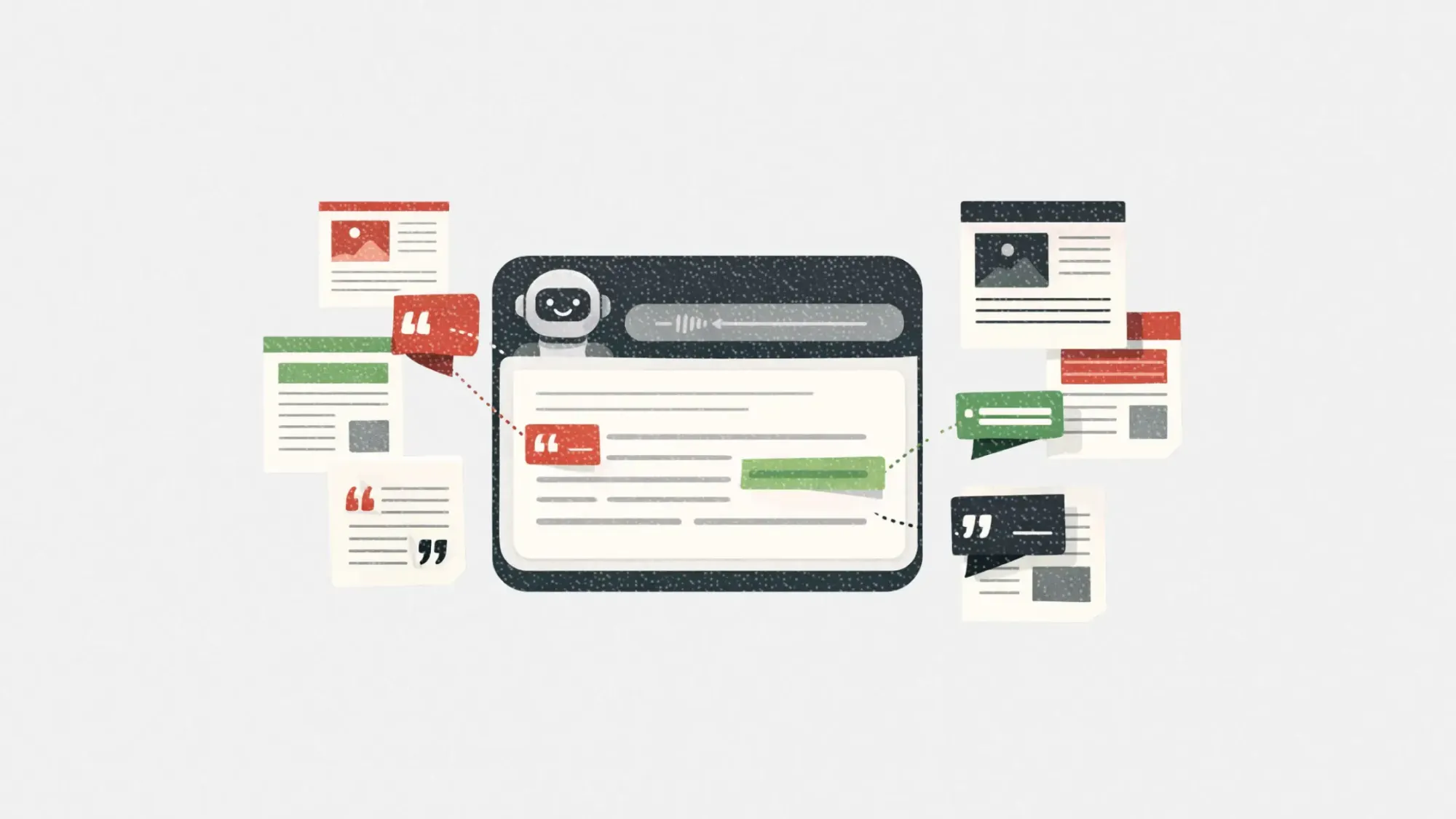
AI-powered search is changing how brands get discovered, and it is happening faster than most communications teams are ready for. As tools like ChatGPT, Perplexity, and Google’s AI summaries answer queries directly, users are skipping the click altogether and relying on synthesized responses.
According to industry players who spoke to MARKETING-INTERACTIVE, the rise of AI-generated answers is forcing PR teams to rethink how visibility, authority, and narrative control actually work in practice.
This article explores those perspectives, drawing directly from agency leaders and communications executives, to unpack how zero-click search is reshaping PR strategy, measurement, and execution in an AI-first discovery environment.
Short on time?
Here’s a table of contents for quick access:
- Why zero-click search is forcing a PR reset
- Why earned media is becoming AI’s source of truth
- How PR success is being redefined beyond clicks
- What marketers should do to stay visible in AI search
- The new reality narrative control in an AI-first ecosystem
 Patrecia Meliana
Why zero-click search is forcing a PR reset
AI-generated answers are reducing the need for users to visit websites, a shift already observed by agencies adapting their strategies.
Takeo Apitzsch, Chief Digital Officer and Deputy GM at The Hoffman Agency, framed the change directly: “PR is now about shaping the evidence AI uses.”
Instead of optimizing purely for clicks or rankings, brands are now competing for inclusion in AI-generated answers across platforms like ChatGPT, Gemini, and Perplexity.
As Apitzsch puts it, “Visibility with accurate representation is the new currency.”
This marks a clear reset. PR is no longer just about message distribution. It is about influencing the dataset that AI systems rely on.
 Patrecia Meliana
Why earned media is becoming AI's source of truth
One of the strongest themes from industry voices is the growing importance of earned media in AI-driven discovery.
Oliver Budgen, Founder and CEO of Bud, explained “The majority of LLMs cite earned media and editorial sources over paid or owned content. Journalism and credible reporting tend to index very highly in AI-generated answers.”
This is backed by data. Analysis cited by Muck Rack shows that 89% of AI citations reference earned media rather than brand-owned content.
Shouvik Prasanna Mukherjee, EVP Global Creative Innovation and Chief Creative Officer APAC at Golin, takes it a step further by sharing that “When AI cites you without being prompted, you've transcended marketing. You've become knowledge itself.”
For PR teams, this elevates earned media from a visibility channel to a core input layer for AI systems.
 Falencia Naoenz
How PR success is being redefined beyond clicks
As zero-click behavior grows, traditional PR metrics are becoming less meaningful.
Apitzsch highlighted “The new question is not only ‘Did the user visit our site?’ but also ‘Did our brand appear in the answer, was it represented accurately, and was it supported by credible sources?’”
Brian Yeung, Co-Founder of Brandstorm Communications, reinforced the philosophical shift: “For years, click-through rates and website traffic were our holy grail. But as AI overviews satisfy user queries directly on the search page, the absence of a click no longer equates to a lack of engagement.”
Mukherjee adds a sharper lens on what success looks like now: “With the majority of search queries now ending without a click, success isn't being found. It's being embedded in the answer itself.”
This is pushing PR teams toward new metrics such as AI share of voice, citation frequency, and answer sentiment.
 Patrecia Meliana
What marketers should do to stay visible in AI search
Industry leaders are clear that this is not about gaming algorithms. It is about building credible, machine-readable authority.
Daryl Ho, Managing Director at We. Communications, described the shift as a new capability requirement: “The goal should be to make as much of the comms work readable by bots but also engaging for humans.”
Andy Wong, Co-Founder of Digital Zoo, pointed to a structural change in how AI interprets queries: “When a user submits a prompt, LLMs do not treat it as one isolated question. They expand it into a cluster of sub-queries.”
 Atikah Amalia
Based on these insights, marketers should:
- Build credible digital footprints through earned media, research, and expert commentary
- Structure content to answer multiple layers of user intent, not just single keywords
- Use clear, declarative, and evidence-backed language that AI systems can easily extract
- Maintain consistency across all channels to reinforce trusted signals
Budgen summarized the principle simply: “AI systems tend to reward authority, credibility and consensus across trusted sources.”
 Atikah Amalia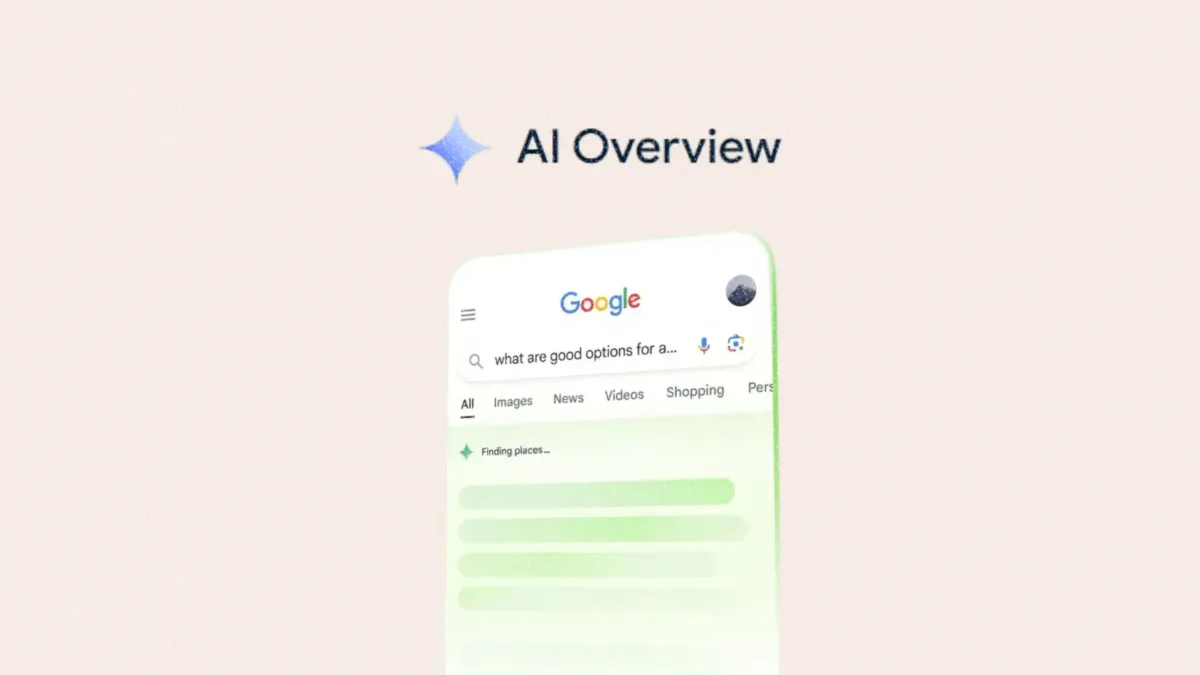
The new reality narrative control in an AI-first ecosystem
AI-driven discovery introduces a new challenge. Brands no longer fully control how their story is told.
Ho highlighted the breadth of sources AI pulls from: “AI pulls from the internet predominantly… that includes places that may not traditionally be part of PR strategies.”
Mukherjee reframed the implication for brand storytelling: “What others say about your brand story now matters more than the story you tell about yourself.”
This forces a mindset shift from narrative control to signal orchestration. Brands must ensure that across media, forums, and digital touchpoints, their story is consistent, credible, and reinforced.
At the same time, fundamentals still matter.
Syed Mohammed Idid, General Manager of Strategic Communications and Stakeholder Management at West Coast Expressway, emphasized: “The message must always be honest, truthful and useful.”
 Patrecia Meliana
Zero-click search is not eliminating PR. It is redefining it. The insights from industry leaders point to a clear direction. Visibility is no longer about driving traffic. It is about shaping the information ecosystem that AI systems rely on.
For marketers, the priority is no longer just being seen. It is being cited, trusted, and accurately represented wherever AI constructs the answer.