Canva bets on agentic AI with Canva AI 2.0 to anchor workplace workflows
Canva’s latest update moves beyond design, introducing agentic AI workflows for modern marketing teams

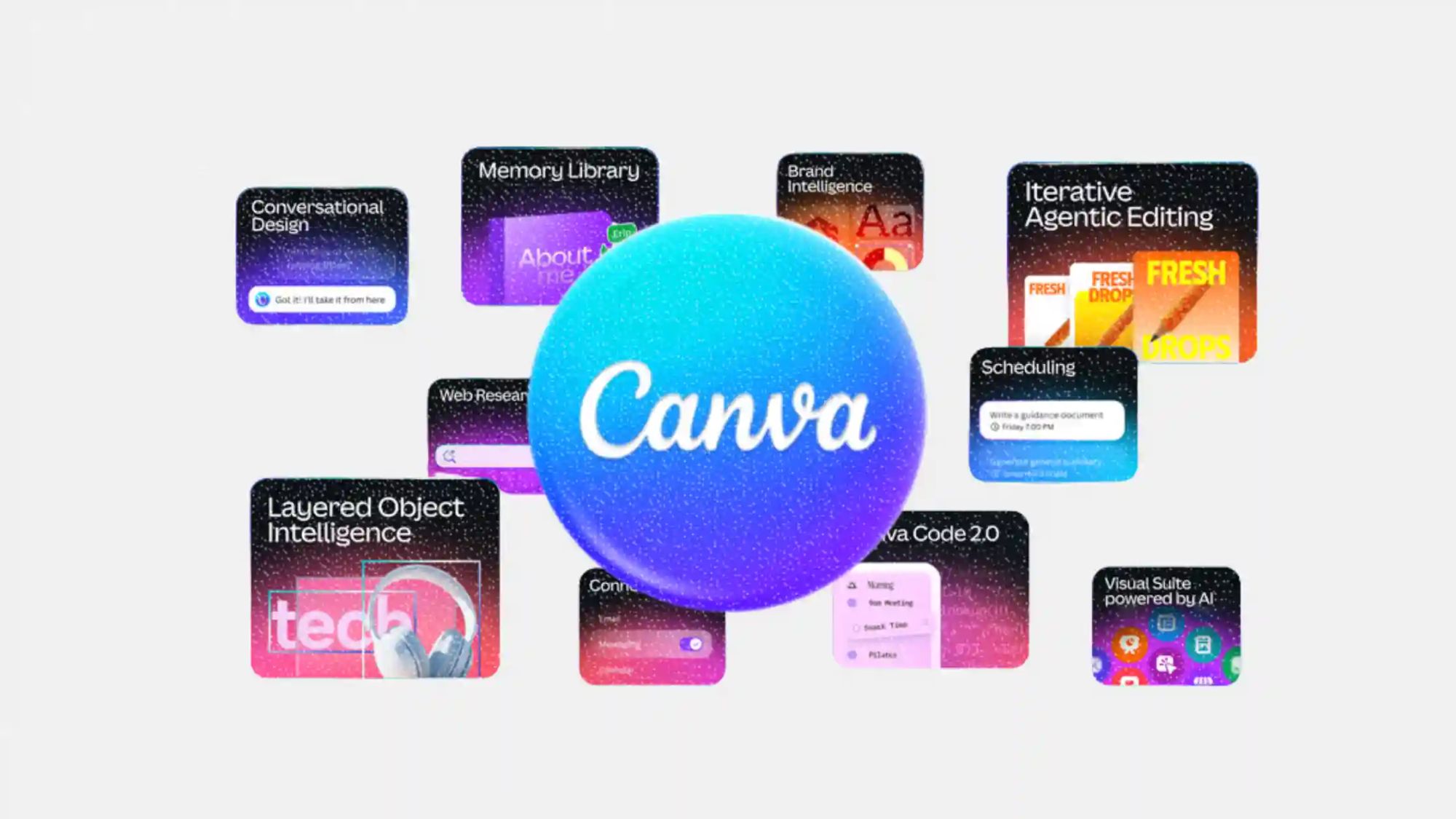
Canva is making a clear play to move beyond design and into the core of workplace productivity. With the launch of Canva AI 2.0, the company is repositioning itself as a platform where teams can ideate, create, and execute in one continuous flow.
This article explores what Canva AI 2.0 actually introduces, how its “agentic” approach changes creative workflows, and why this matters for marketers navigating increasingly complex, AI-driven content operations.
Short on time?
Here’s a table of contents for quick access:
- From design tool to agentic creative platform
- What Canva AI 2.0 actually introduces
- How Canva is expanding into full workflow orchestration
- What marketers should know about Canva’s AI shift
 Patrecia Meliana
From design tool to agentic creative platform
Canva has unveiled Canva AI 2.0 at its Canva Create event in Los Angeles, describing it as the company’s most significant evolution since its 2013 launch.
The update signals a shift from a design-first tool to what Canva calls a “conversational, agentic platform.” Instead of starting with templates or static assets, users can now begin with an idea, prompt, or brief, and build complete outputs through an ongoing interaction with AI.
With more than 250 million monthly users, Canva is aiming to embed itself deeper into everyday workflows across teams. The goal is not just to help create assets, but to unify ideation, production, and execution in one environment.
What Canva AI 2.0 actually introduces
At the core of Canva AI 2.0 is a new architecture built around conversational design and persistent AI assistance throughout the creative process.
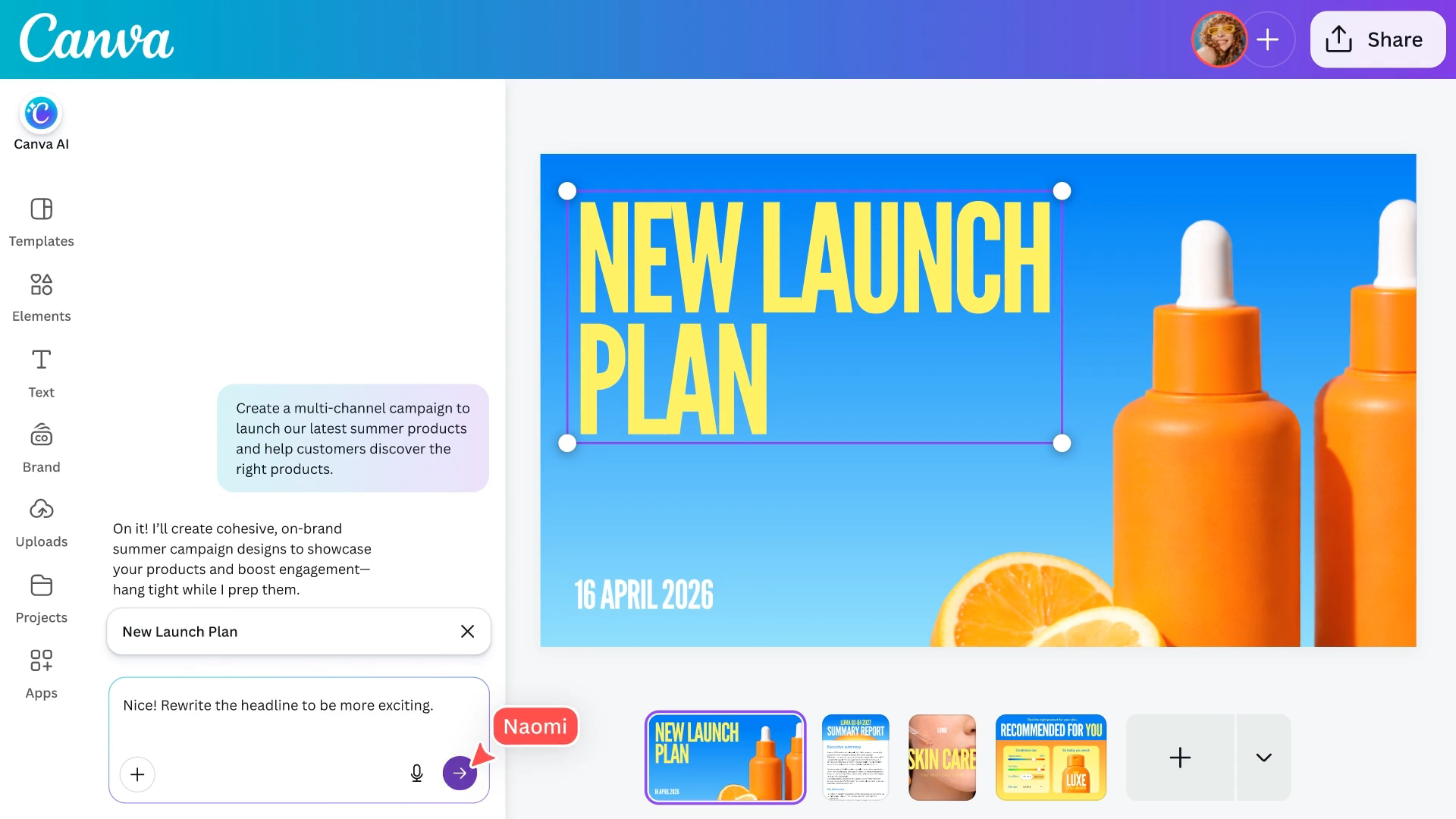
The standout capability is Conversational Design. Users can generate fully structured, editable designs using natural language prompts. Unlike typical generative tools that produce one-off outputs, Canva AI maintains context across iterations, allowing continuous refinement.
This is powered by the Canva Design Model, described as a foundation model built to understand layout, hierarchy, and real-world design complexity. Outputs are not flattened images but fully layered assets, meaning every element remains editable.
Four core capabilities define the system:
- Conversational design that keeps context across iterations
- Agentic orchestration that selects and coordinates tools automatically
- Layered object intelligence for editable outputs
- Memory library that learns user preferences over time
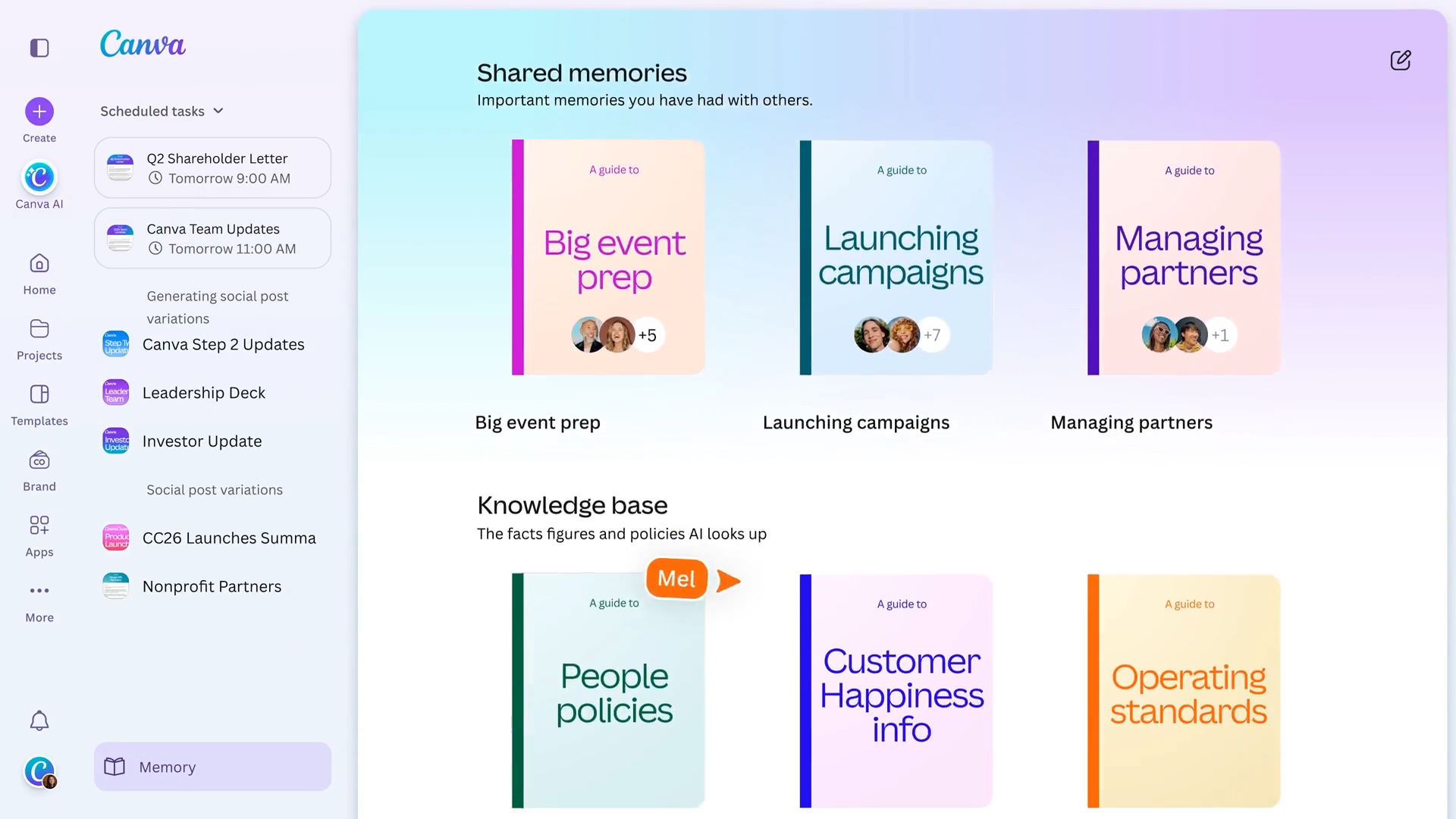
The key difference here is continuity. Canva AI is designed to stay present across the entire workflow rather than acting as a one-time generator.
Atikah Amalia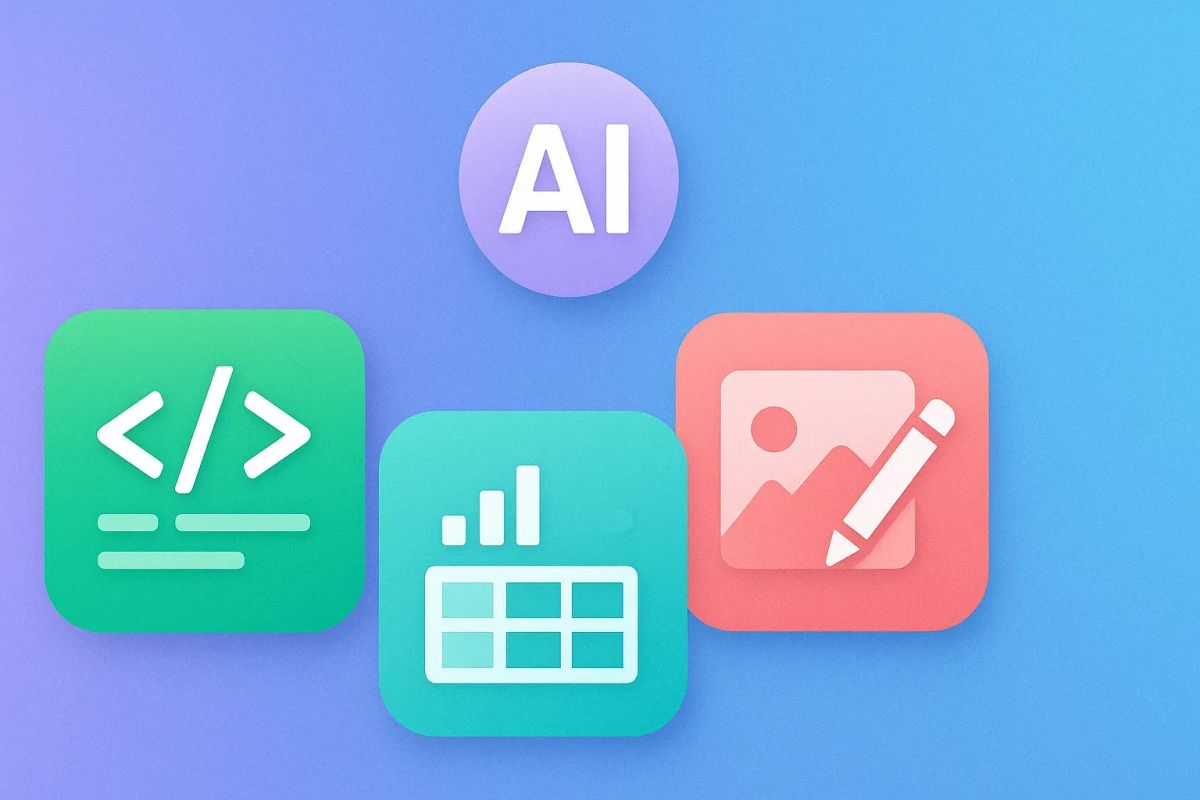
How Canva is expanding into full workflow orchestration
Beyond design generation, Canva AI 2.0 introduces six new workflows that push the platform into broader workplace automation.
These include:
- Connectors: Integrations with Slack, Gmail, Google Drive, Notion, Zoom, HubSpot, and more, allowing Canva to pull context from existing tools
- Scheduling: Automated task execution such as recurring content generation or daily briefings
- Web research: AI-driven research that feeds structured insights directly into designs
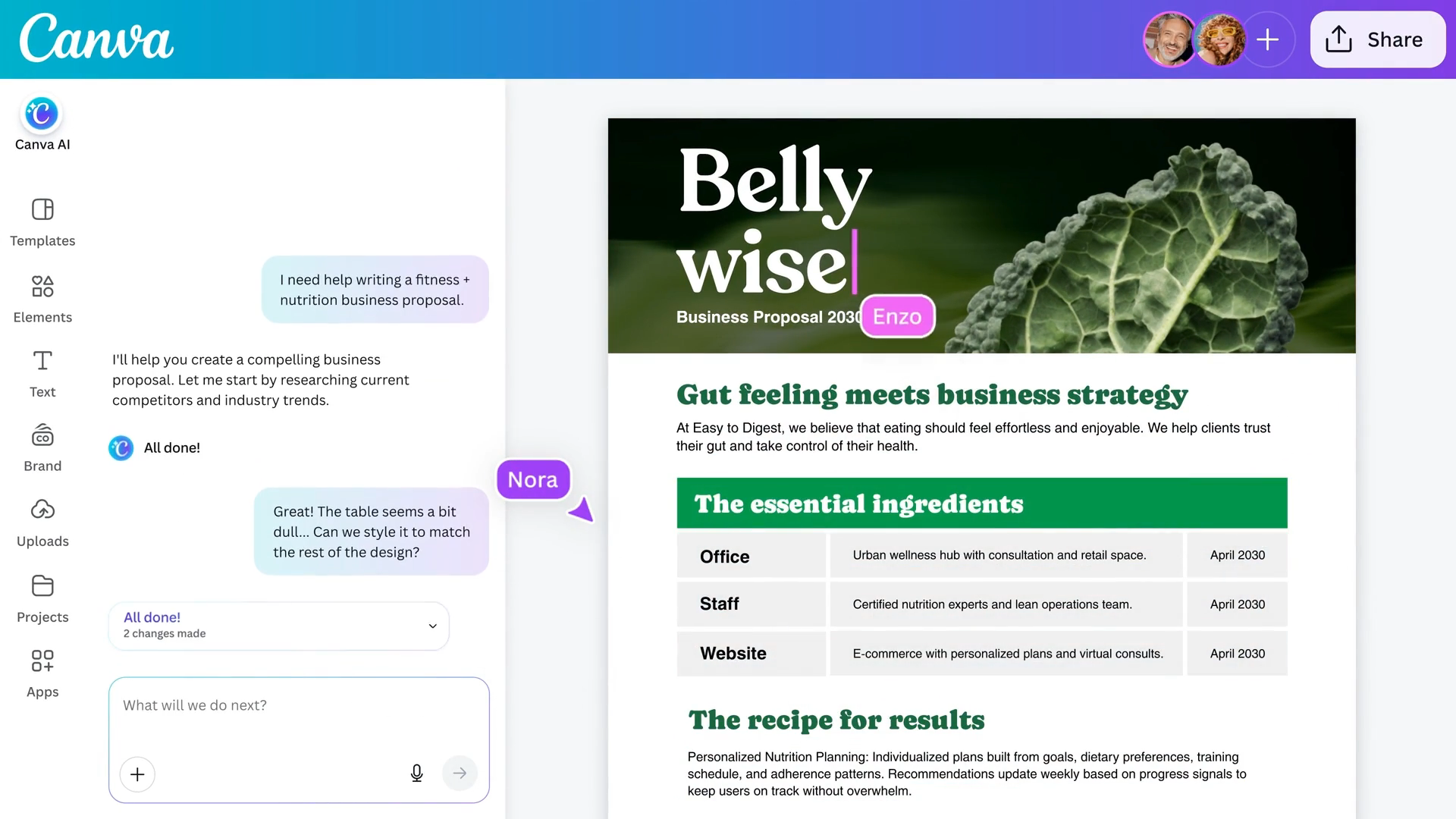
- Brand intelligence: Automatic application of brand guidelines across outputs
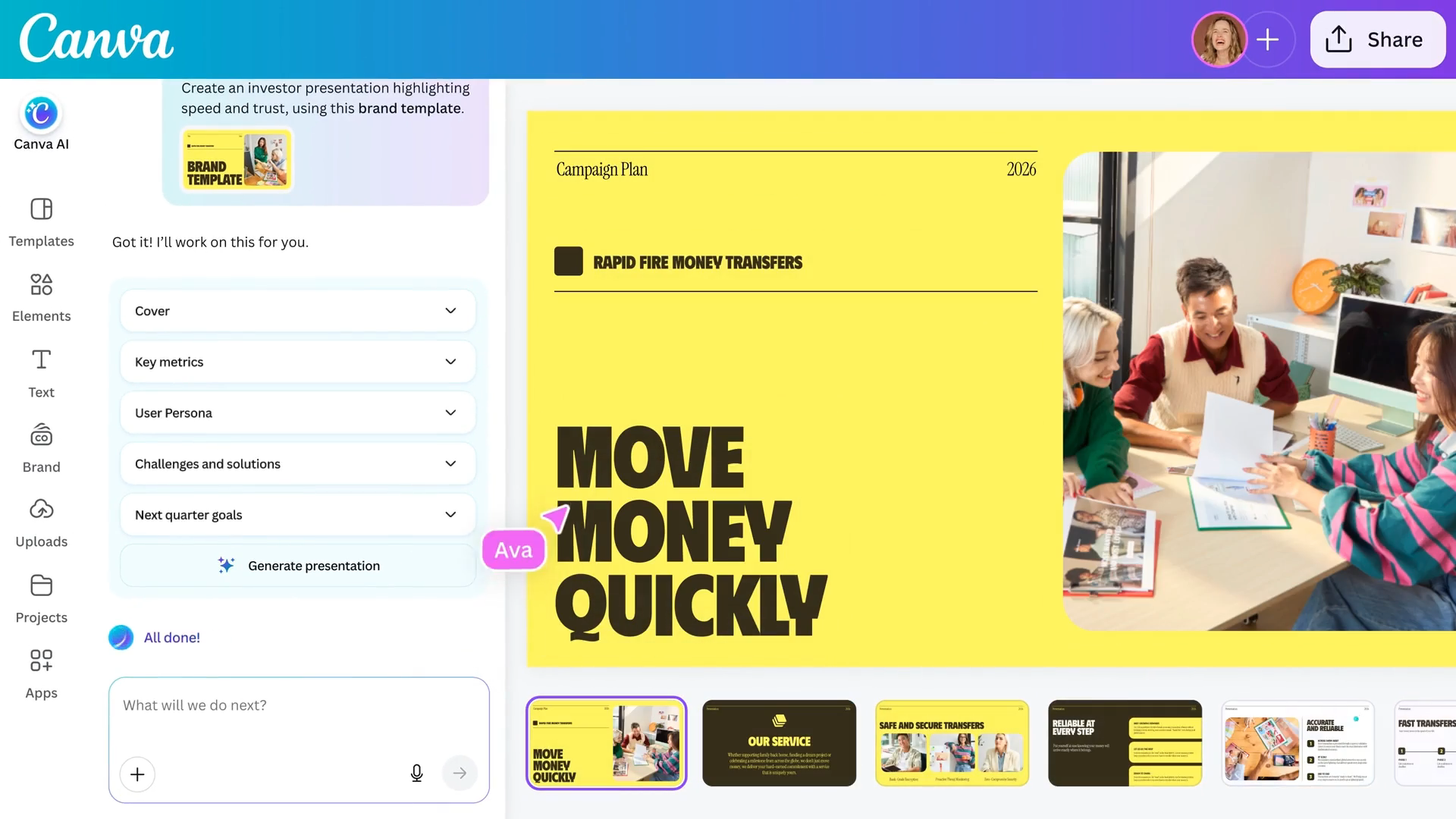
- Canva Code 2.0: Creation of interactive, responsive experiences from prompts
- Sheets AI: Automated spreadsheet generation with structured data
This effectively turns Canva into a workflow layer that sits across communication, content, and execution tools. Instead of switching between platforms, teams can generate outputs based on real-time context pulled from their existing stack.
What marketers should know about Canva's AI shift
For marketers, Canva AI 2.0 is less about design convenience and more about workflow consolidation.
Here are the practical implications:
- From tools to systems: Canva is positioning itself as an operating layer, not just a creative tool. This could reduce reliance on fragmented martech stacks.
- Campaign generation at scale: The ability to generate multi-channel campaigns from a single prompt changes how quickly teams can move from brief to execution.
- Context-aware content: With integrations pulling from emails, meetings, and CRM tools, outputs can become more personalized and relevant.
- Automation creep: Scheduling and background execution introduce a new level of autonomy, which raises questions about oversight and brand control.
There is also a strategic shift worth noting. Canva is moving closer to platforms that combine creation, automation, and data, similar to broader AI workflow tools rather than traditional design competitors.
For B2B teams especially, this signals a move toward AI-managed content pipelines, where ideation, production, and distribution are increasingly handled in one loop.
Patrecia Meliana
Canva AI 2.0 marks a clear transition from design software to an AI-driven workflow platform. By combining conversational interfaces, persistent memory, and integrated automation, Canva is aiming to own a larger share of how teams create and execute work.
For marketers, the opportunity is speed and scale. The risk is over-reliance on automated systems without sufficient strategic oversight. The teams that benefit most will be those that treat tools like Canva AI as amplifiers of strategy, not replacements for it.