Food influencer marketing: how brands turn creator trust into product trial
A practical food influencer marketing framework for choosing credible creators, designing for product trial, measuring commerce, and protecting audience trust.


Food influencer marketing works because food is unusually easy to understand on camera. A creator can tear open a snack, build a weeknight recipe, compare textures, visit a restaurant, or react to a new flavor in seconds. The audience does not need a product demo deck. It can see the use case immediately.
That simplicity is also why food brands get creator strategy wrong. A high-view video can generate curiosity without repeat purchase, while a smaller creator with genuine category credibility can move people from discovery to trial. For brand teams, the useful question is not who can make the product look good. It is who can make the recommendation believable, useful, and easy to act on.
Table of contents
Jump to each section:
- Why food influencer marketing behaves differently
- Choose creators for usage, not just audience size
- Design content around product trial
- TikTok Shop is shortening the path from discovery to purchase
- Measure the step after attention
- Protect trust when the product makes health or nutrition claims
- Build a food creator program that can compound
Why food influencer marketing behaves differently
Food sits in a useful middle ground between entertainment and utility. A recipe Reel can be satisfying to watch even when the viewer has no intention of buying anything, but it can also demonstrate a product in the exact context where someone would use it. That gives food creators more ways to create value than simply holding a package and reading talking points.
The category is also crowded with signals of expertise. A home cook, dietitian, restaurant reviewer, fitness creator, parent, chef, student, or budget-meal creator can all talk about food credibly, but for different reasons. The brand's job is to understand which kind of credibility matters for the product.
This is where follower-first shortlisting breaks down. A specialty ingredient needs someone who can show what to do with it. A convenience snack may need a creator whose daily routine makes the occasion obvious. A restaurant needs local relevance. A functional beverage may need much tighter control over what can and cannot be claimed.
Foodie Tribe, a specialist food and beverage creator agency, says it manually vets applicants to its network of more than 3,000 creators. That is a useful signal for brands: category fit is not just a label in a creator database. It requires checking whether the creator's content, audience, habits, and credibility make sense for the actual eating occasion.
Choose creators for usage, not just audience size
The most useful creator-selection question for food brands is simple: can this person make the product feel native to something they already do? If the answer requires the creator to suddenly become a chef, wellness expert, or restaurant critic for one sponsored post, the partnership is already fighting audience expectations.
That does not mean brands should only hire creators with "food" in their bios. A parent who regularly posts school-lunch ideas may be a better partner for a snack than a recipe account. A running creator may make more sense for a hydration product than a general lifestyle celebrity. A local city creator may drive restaurant visits more effectively than a national account with ten times the following.
Food Dive captured this distinction in its reporting on food and beverage social strategy. Industry operators argued that a famous person can create awareness, but product volume depends more heavily on whether the audience believes that person has credible reasons to recommend the product. The practical implication is to separate reach fit from recommendation fit before negotiating deliverables.
Build the shortlist around four signals:
- Usage fit: the product naturally appears in the creator's existing routines, recipes, reviews, or occasions.
- Audience fit: the people watching can realistically buy, visit, cook, or consume the product.
- Format fit: the creator already performs well in the format the campaign needs, whether that is recipes, taste tests, restaurant visits, live selling, or longer reviews.
- Claim fit: the creator can discuss the product accurately without stretching their expertise or making unsupported health claims.
These signals also make briefs easier. When the creator-product match is strong, the brand can spend less time scripting behavior that would otherwise feel unnatural.
Design content around product trial
A food creator campaign should make the next action obvious. For packaged goods, that might be adding the product to a grocery basket, saving a recipe, trying a flavor bundle, or using a retailer offer. For restaurants, it might be visiting a location, ordering a particular menu item, or remembering the venue for a specific occasion.
That makes demonstration more useful than description. Instead of asking a creator to say a sauce is versatile, show three meals where it works. Instead of calling a snack convenient, put it into the actual commute, school-run, office, or post-workout moment. Instead of telling viewers a restaurant has atmosphere, let the creator show the table, food, service, and social context.
The creative brief should therefore protect the facts while leaving room for the creator's habits. Give creators the product truths that cannot change, the disclosure requirements, the campaign objective, and any prohibited claims. Then let them decide how the product belongs in their content.
Dinda Anandita, Account Director at content-led comms agency Content Collision: “Food content becomes persuasive when the product has a real job in the creator's story. Brands should be precise about the facts and the action they want, but they should not script every reaction or bite. If the audience can see the creator performing an ad instead of sharing something they would genuinely eat, cook, or recommend, the trust advantage disappears.”
That balance matters because creator content is valuable precisely because it does not look or sound like a conventional product spot. The brand still owns accuracy. The creator needs enough freedom to preserve the recommendation style their audience recognizes.
TikTok Shop is shortening the path from discovery to purchase
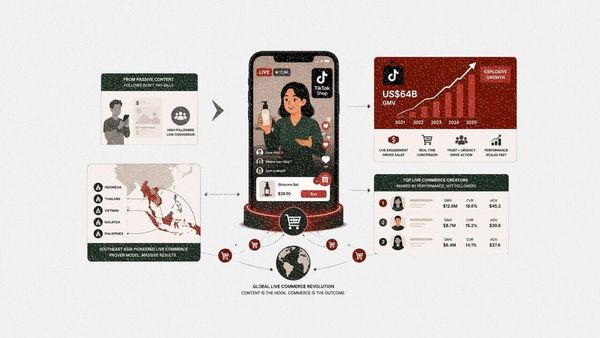
The clearest recent example of this shift is happening on TikTok Shop. In a June 2026 interview with Food Dive, TikTok Shop's head of food said food-category sales had more than doubled year over year. PepsiCo, Mars, and Hershey were among the large companies increasing their engagement with the platform.
The more important point for creator strategy is how the platform connects content to trial. TikTok described Shop as a combination of content and commerce that shortens the path between discovering a product and buying it. For emerging food brands, that can create a direct route to trial even before broad retail distribution is in place.
The products that work there are also instructive. TikTok pointed to visual characteristics, distinctive textures, strong flavors, easy demonstrations, and benefits that creators can explain clearly on video. That means product selection itself becomes part of influencer strategy. Not every SKU deserves equal creator budget.
Brands can use a simple hierarchy:
- Choose a hero product that is easy to understand visually.
- Give creators a strong usage occasion or demonstration opportunity.
- Make trial easy through a shop link, bundle, offer, retailer path, or clear availability message.
- Watch which creator-content combinations produce actual shopping behavior, then scale those patterns.
TikTok's own view is that creator-led, direct-relationship content performs better than traditional polished advertising on the platform because recommendations feel closer to a trusted personal suggestion. Brands do not have to accept that as a universal rule to see the operational lesson: the commerce layer works best when the content layer still feels like creator content.
Measure the step after attention
Food campaigns can produce impressive view counts while leaving the commercial question unanswered. If the objective is product trial, a report that ends at reach, likes, and comments is incomplete.
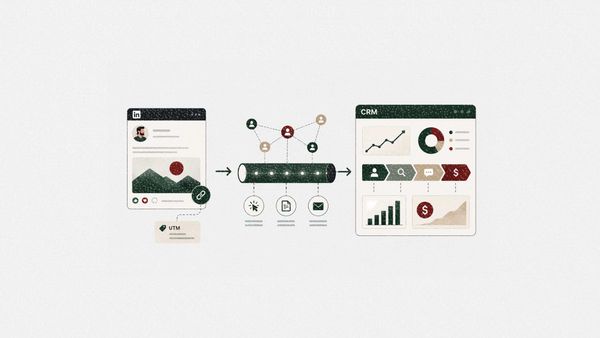
The right measurement depends on where the product is sold. A direct-to-consumer food brand can use creator-specific links, discount codes, and platform conversion data. A grocery brand may need retailer or Instacart links, redemption data, geo-matched sales movement, or retailer media signals. A restaurant can track booking links, offer codes, location traffic, menu-item sales, or campaign-period changes in branded search and social mentions.
The important part is to define the next observable behavior before creators post. Attention is the first event, not the final KPI. A campaign designed for awareness can legitimately optimize for qualified reach and recall, but a campaign sold internally as a trial or sales program needs a path to those outcomes.
Food brands should also distinguish trial from repeat. Creator content can make someone curious enough to buy once. The product experience determines whether they buy again. If a campaign produces strong first-purchase activity but weak repeat behavior, the answer is not automatically to find bigger influencers.
Protect trust when the product makes health or nutrition claims
Food influencer marketing becomes higher risk when a creator moves from describing taste or usage into claims about health, nutrition, weight, performance, or safety. The creator's conversational delivery can make a statement feel informal, but the audience still receives it as a product claim.
The FTC's endorsement guidance makes two responsibilities especially relevant. Creators should clearly disclose material connections to brands, and endorsers should not make claims that require proof the advertiser does not have. For food and beverage teams, that means disclosure and claims review belong in the brief, not in a frantic approval round after the video has been edited.
This is another reason to select creators based on the job the product needs them to do. A creator does not need to sound like a nutrition professional to sell a snack on taste, convenience, or occasion. Asking them to stretch into medical or nutritional authority can make the content both less credible and harder to approve.
Brands should separate three layers before production:
- Product facts: verified information the creator may communicate directly.
- Personal experience: what the creator can truthfully say about their own taste, routine, or use.
- Restricted claims: health, nutrition, comparative, or performance language requiring substantiation or specialist review.
That structure protects the creator as well as the brand. It removes ambiguity without forcing the creator into a word-for-word script.
Build a food creator program that can compound
The strongest food influencer programs learn which combinations of creator, occasion, format, product, and purchase path work together. One viral recipe may be useful, but it does not tell a brand whether the creator can repeat the result or whether the audience will still care three months later.
Start with a portfolio rather than a single bet. Test several creators who represent different credible use cases, then compare not only views but saves, qualified comments, clicks, cart activity, redemptions, store visits, and repeat collaboration performance. Keep the creators whose audiences continue responding when the novelty of the first sponsorship disappears.
Longer relationships also give creators more ways to use a product naturally. The first post may introduce it. Later content can put it into recipes, seasonal moments, routines, live commerce, restaurant occasions, or audience questions. Repetition works when the product earns a believable place in the creator's life, not when the same talking points are repeated.
That is the real advantage of food influencer marketing. Food already lives inside routines, culture, identity, convenience, entertainment, and social behavior. Brands do not need creators to manufacture relevance from scratch. They need to find the people who can reveal a credible use case, make trial easy, and give the audience a reason to believe the recommendation.