HEINZ and Heineken formalize a limited-edition six-pack collaboration
The limited-edition pack uses scarcity and occasion fit to spark talkability, without changing either product.

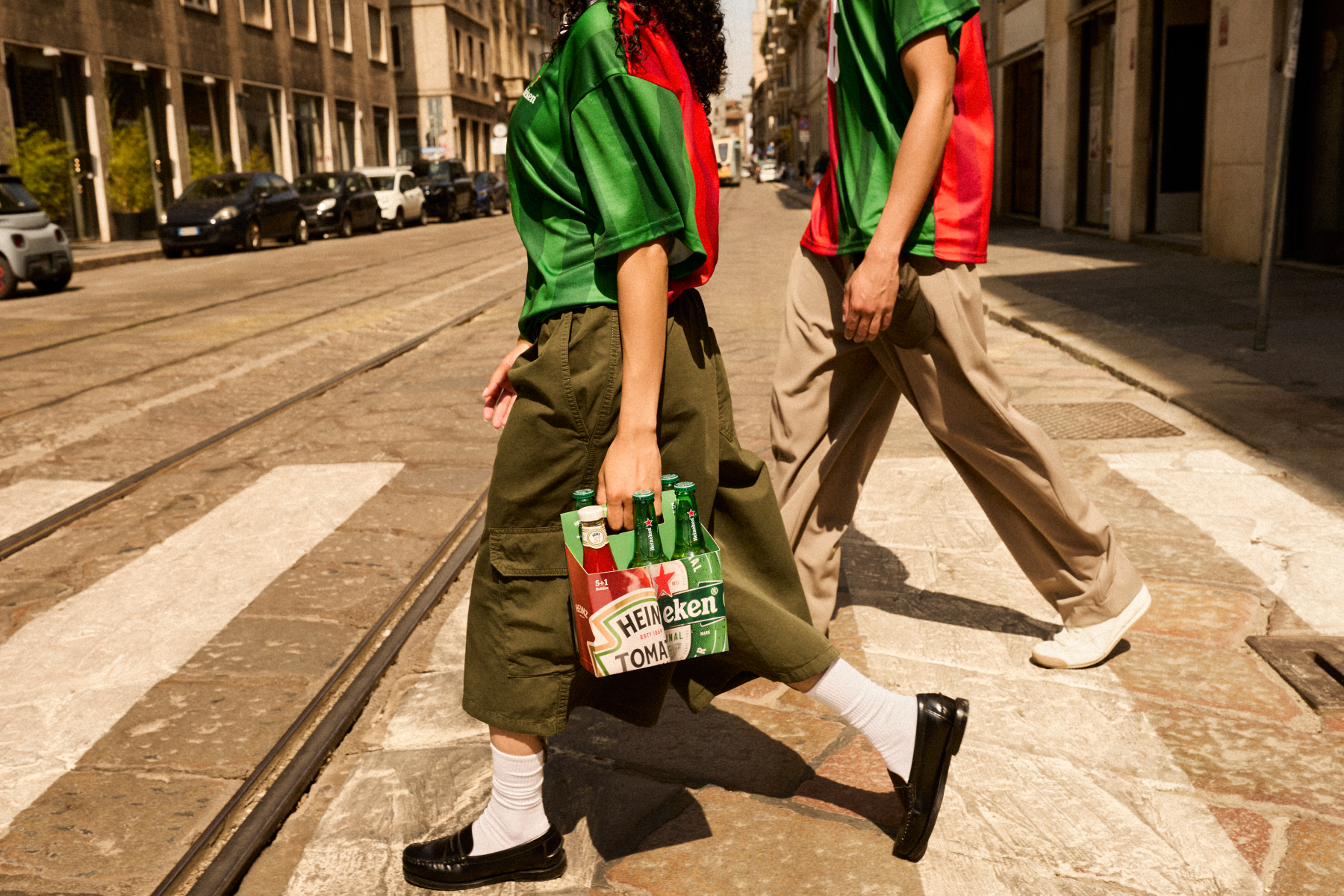
HEINZ and Heineken have released a limited-edition six-pack that pairs five Heineken beers with one bottle of HEINZ tomato ketchup, turning an already common at-home pairing into an official co-branded drop.
The companies framed the collaboration as recognition of an existing consumer habit rather than an attempt to create a new ritual, leaning on scarcity, visual surprise, and social-occasion relevance to drive attention.
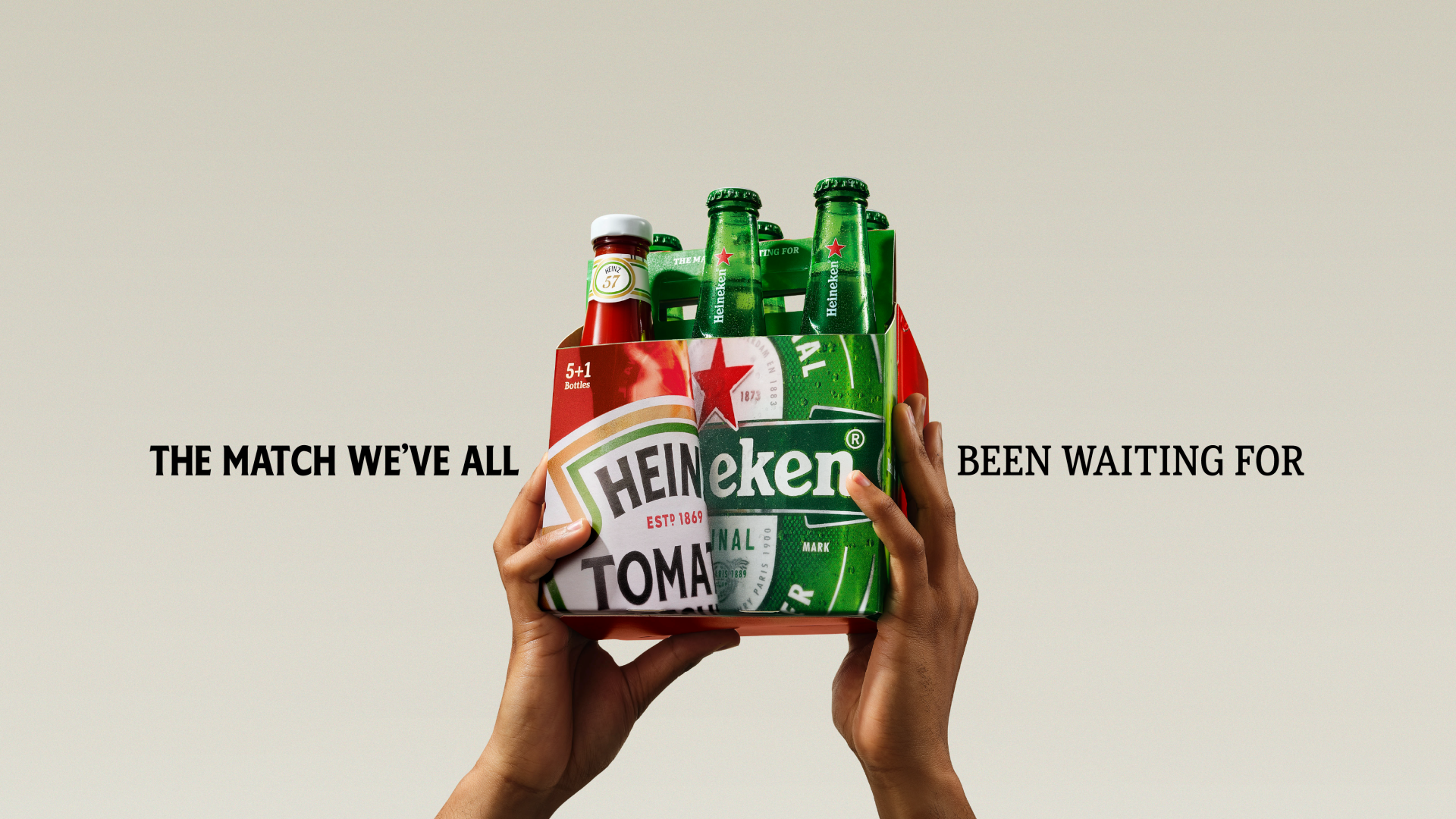
Table of contents
Jump to each section:
- Why this collaboration is built on “occasion fit”
- How the limited-edition format does the marketing work
- What it signals about food and beverage collaboration strategy
- What this means for marketers
Why this collaboration is built on “occasion fit”
The core idea is not product innovation but context alignment. Beer and ketchup are different categories, but they routinely show up in the same moments: burgers, fries, grills, match-day spreads, and informal gatherings.
That matters because “unusual pairing” campaigns often fail when they depend on consumers learning a new behavior. Here, the brands are deliberately positioning the pack as familiar at the occasion level even if it is surprising at the category level.
Heineken leaders described the move as making official something that has “been hiding in plain sight,” including the fact that both brands have existed in shared social settings for more than 150 years. HEINZ leadership similarly positioned the collaboration around fandom and shared quality cues rather than a new consumption ritual. The companies shared the collaboration framing in an official HEINEKEN newsroom post.
 Editorial Team
How the limited-edition format does the marketing work
The pack design itself is the attention mechanic. Five beers plus one ketchup bottle reads like an intentional oddity, which helps the concept land quickly in a feed or on a shelf without requiring a long explanation.
Two other choices help the execution avoid “stunt-only” territory:
- No hybrid product: The collaboration does not create a blended flavor (no ketchup beer, no beer ketchup). Heineken remains beer, and HEINZ remains ketchup.
- Scarcity as a feature: A strictly limited run creates collectability and conversation potential, which can be enough to generate short-term attention in crowded food and beverage categories.
What it signals about food and beverage collaboration strategy
This collaboration fits a broader pattern: large consumer brands using partnerships and limited drops to create cultural moments rather than introduce major product changes.
The campaign logic is also notably “consumer insight first.” Heineken described the goal as celebrating an existing connection between two iconic brands and turning it into something people can recognize, share, and talk about, while keeping the tone playful and not overly serious.
The story also connects to how Heineken has been using experience-led formats to reinforce its role as a social connector. Examples cited include the “First sip house” pop-up in Singapore (an afterwork activation running 7 to 16 May 2026 on Keong Saik Road) and “Rooftop revival” in Seoul, which repurposed rooftops as social hubs to address what the brand called a “proximity paradox.”
What this means for marketers
The bigger lesson is that collaboration marketing can be strongest when it formalizes an existing behavior instead of inventing one.
- Start with an occasion truth, not a category mash-up
“Beer + ketchup” works because it maps to real moments (grilling, casual get-togethers), not because the categories naturally belong together. - Let packaging and format carry the message
A five-plus-one pack is instantly legible. For many campaigns, the fastest path to comprehension is a clear visual structure that explains itself. - Use scarcity carefully to earn attention, not to replace strategy
Limited runs can create FOMO, but the long-term value comes from whether the idea feels grounded rather than random. - Avoid forcing product transformation when the goal is cultural relevance
Keeping both products intact reduces the risk that the collaboration becomes a novelty that consumers try once and dismiss. - Treat “playful” as a creative tone, not a substitute for insight
The campaign leans tongue-in-cheek, but its rationale is straightforward: shared moments, familiarity, and existing consumer behavior.
For brand teams, the implication is practical: the most repeatable collaboration ideas are often closer than they look. Instead of searching for the most unexpected partner, it can be more effective to identify where your brand already co-exists with another one in everyday routines.
It also reinforces a constraint that matters in 2026 marketing: attention is expensive, and consumers are quick to label brand pairings as gimmicks. The collaborations that travel tend to be the ones that feel “obvious in hindsight,” with a format that makes the idea easy to spot, share, and discuss.
Finally, the Heineken framing suggests a useful north star for experiential and social-first work: build campaigns around moments people already recognize, then use creative packaging, pop-ups, or limited drops to make those moments feel newly worth talking about.