Influencer relationship management: the B2B system for turning creators into long-term partners
A practical B2B system for tracking creator trust, relationship health, renewals, payments, and long-term partnership value.


Influencer relationship management is what happens after a creator says yes. It is the system a brand uses to preserve context, pay people on time, learn from each collaboration, and decide which creators should become long-term partners. Without it, even a well-funded influencer program becomes a trail of lost email threads, duplicated outreach, and partnerships that restart from zero every quarter.
That operational gap is especially costly in B2B. A creator may need weeks to understand a technical product, months to earn repeated exposure with a narrow buying audience, and several collaborations before pipeline impact becomes visible. The relationship is not admin around the campaign. It is the asset that makes the campaign compound.
Table of contents
Jump to each section:
- What influencer relationship management actually manages
- Build a creator CRM before you buy software
- Use a relationship health score, not just campaign metrics
- Turn campaign endings into renewal decisions
- What Ondecor’s roster model gets right
- Choose tools by relationship complexity
- Make the relationship valuable between briefs
- Treat creators like partners, and operate like professionals
What influencer relationship management actually manages
Influencer relationship management, often shortened to IRM, is the ongoing process of recording, improving, and evaluating a brand's work with creators. It borrows the discipline of customer relationship management, but the records are different. A creator profile needs to capture creative preferences, rate history, audience fit, past feedback, reliability, disclosure requirements, content rights, and the people involved on both sides.
The goal is not to automate friendship. It is to stop operational failures from eroding trust.
The commercial case is visible in what creators ask brands to improve. In Sprout Social's 2025 research on brand partnerships, 71% of influencers said they offer discounts for multiple-post partnerships, while 65% wanted earlier involvement in creative or product-development conversations. Long-term access can improve both economics and the work, but only when the brand gives creators a reason to stay.
For B2B teams, IRM should manage four kinds of continuity:
- Commercial continuity: rates, contract terms, invoicing status, usage rights, and renewal dates.
- Creative continuity: formats that worked, claims that needed clarification, approval friction, and topics the creator wants to explore next.
- Audience continuity: ICP fit, recurring questions from the audience, influenced accounts, and signs that brand familiarity is building.
- Human continuity: who owns the relationship, how the creator prefers to communicate, and what the brand has promised.
Build a creator CRM before you buy software
Start with the fields and decisions, not the platform. A shared spreadsheet or Airtable base can run a focused B2B roster of 10 to 25 creators well. Buying enterprise software before agreeing on the workflow usually creates a more expensive place to store incomplete notes.
Each creator record should include:
- Contact details, manager or agent, timezone, and preferred channel.
- Platforms, core topics, audience profile, and ICP-fit notes.
- Discovery source, vetting status, brand-safety review, and competitive conflicts.
- Rate history by deliverable, negotiation notes, currency, and payment terms.
- Contract status, exclusivity window, disclosure language, and licensed usage period.
- Campaign history, links to briefs and assets, performance results, and qualitative audience response.
- Last meaningful contact, next planned touchpoint, relationship owner, and renewal recommendation.
If no one owns the relationship, everyone assumes someone else replied. If the next touchpoint is blank, the brand will usually reappear only when it wants another post.
Use a simple stage model that describes the relationship, not only the current campaign: prospect, evaluating, first collaboration, proven partner, strategic partner, paused, and do not re-engage. A creator can finish a campaign while remaining a proven partner. Keeping relationship stage separate from campaign status prevents good people from disappearing when a project closes.
Use a relationship health score, not just campaign metrics
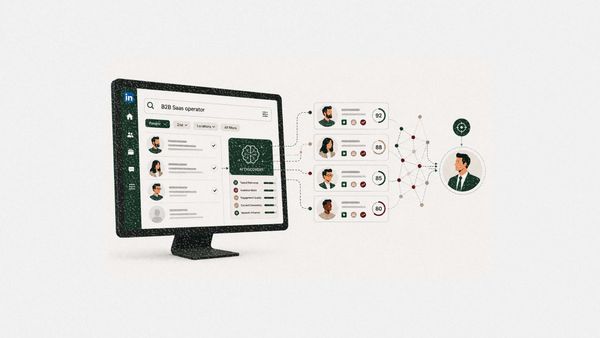
Post performance answers whether a piece of content worked. It does not tell you whether the partnership is getting stronger. An IRM score should combine outcomes with behaviors that predict whether another collaboration will be faster, more credible, and more useful.
Score each active creator quarterly on five dimensions, using a consistent one-to-five scale:
- Audience fit: How concentrated is the relevant buyer or practitioner audience?
- Content impact: Did the work generate qualified engagement, traffic, influenced accounts, or useful audience insight?
- Reliability: Were deadlines, disclosures, and agreed deliverables handled cleanly?
- Creative contribution: Did the creator improve the idea, surface a sharper angle, or challenge a weak brief?
- Mutual commitment: Is there responsive communication, interest in future work, and evidence that both sides invest between campaigns?
Do not let one viral post erase operational problems. A creator who drives reach but repeatedly misses disclosure rules is not automatically a strategic partner. Equally, do not punish a niche B2B creator for lower reach when their comments include the exact buyers needed.
Use the score to guide a conversation, not to secretly grade people. Share the performance findings creators can act on, ask what made the work difficult, and record their feedback. The health score is most valuable when it exposes friction the brand can fix.
Dinda Anandita, Account Director at content-led comms agency Content Collision, puts the operating principle plainly: “A creator CRM should help the team remember what trust has already been earned. If it only records deliverables and reach, it is a campaign tracker, not a relationship system.”
Turn campaign endings into renewal decisions
Most relationship programs fail at the handoff between reporting and planning. The campaign report gets presented, invoices close, and the creator record goes quiet. Three months later, another marketer begins discovery from scratch.
Hold a 30-minute partnership review within two weeks of the final deliverable. Bring the campaign owner, the relationship owner if different, and whoever controls the next budget. Review content performance, audience quality, process friction, commercial terms, and the creator's own view of what should happen next.
Every review should end with one of four decisions:
- Renew now: The fit is proven and there is a clear next use case.
- Keep warm: The relationship is strong, but timing or budget does not justify an immediate brief.
- Retest with changes: There is potential, but the format, audience, offer, or workflow needs adjustment.
- Close respectfully: The fit is weak or the process created unacceptable risk.
Then make the next action concrete. “Keep warm” is not a plan until it has an owner and date. It could mean sharing product access, inviting the creator to a customer roundtable, or checking availability before the next campaign.
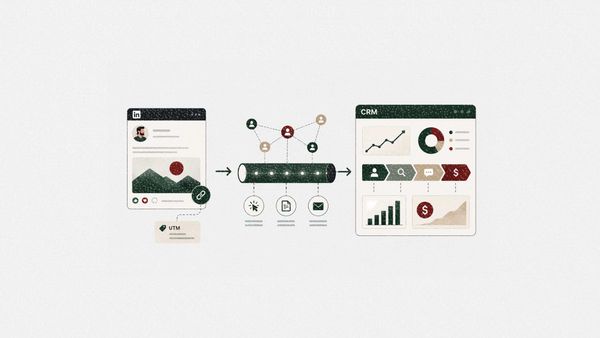
For long B2B sales cycles, separate partnership renewal from last-click conversion. A creator may be valuable because target-account employees repeatedly engage with their content, because sales uses the asset in deals, or because their audience questions improve product messaging. Record those signals alongside direct leads so a narrow attribution model does not end a promising relationship too early.
What Ondecor’s roster model gets right
A useful IRM system turns broad testing into a smaller roster of known partners. That pattern is visible in Influencer Hero's 2025 Ondecor case study, which was updated in 2026. The home-decor brand ran more than 270 creator collaborations, generated over 360 pieces of content, and then re-engaged 35 high performers for ongoing seasonal campaigns.
The important move was not the outreach volume. It was the transition from trial activity to relationship decisions. Ondecor assessed brand fit, content quality, engagement, and sales after initial posts, then brought stronger creators back rather than treating every campaign as a new casting call.
B2B teams should use the same logic with different evidence. A first collaboration can test subject expertise, responsiveness, audience relevance, and the creator's ability to explain a complex product without sounding scripted. The best partners then graduate into recurring formats such as quarterly research commentary, event coverage, webinar series, product education, or executive interviews.
That graduation path makes negotiations clearer. The brand can offer a planned cadence, earlier access, and a predictable budget. The creator can price a visible scope instead of absorbing uncertainty into every one-off quote.
Choose tools by relationship complexity
The right IRM tool depends on how many relationships the team manages and how much coordination sits behind each one.
- Spreadsheet or Airtable: Best for a small roster with one clear owner. Build views for stages, renewals, payment status, and upcoming touchpoints.
- Project workspace: Notion, Asana, or Monday can support briefs, approvals, and calendars when the relationship data remains simple.
- Influencer CRM: Add a dedicated platform when discovery, email history, contracts, payments, content capture, and reporting need one shared system.
- Enterprise stack: Use deeper integrations when regional teams, agencies, legal reviewers, finance, and CRM attribution all touch the same creator program.
Set a buying trigger before shopping. A dedicated tool becomes worthwhile when duplicate outreach, lost rate history, delayed payments, inconsistent approvals, or manual reporting create measurable cost. The trigger should be operational pain, not the number of profiles a vendor says it can store.
Evaluate software with a real workflow. Import five active creators, assign owners, attach past contracts, log a rate change, and schedule a renewal. A polished database is not enough if the team cannot answer who last spoke to the creator, what was promised, when rights expire, and whether an invoice cleared.
Make the relationship valuable between briefs
Creators notice when every message from a brand contains an ask. Staying in touch does not mean filling their inbox with corporate updates. It means sharing information or access that fits the creator's work and gives them a reason to see the brand as a useful partner.
Useful between-campaign touchpoints include:
- Early access to research, product releases, or subject-matter experts.
- Performance findings that help the creator understand what resonated.
- Invitations to private customer or practitioner conversations.
- Introductions to relevant peers, speakers, or internal experts.
- A clear preview of upcoming opportunities and likely budget timing.
- Fast notice when usage rights, exclusivity, or payment status changes.
Keep the cadence proportional. A strategic partner may warrant a monthly check-in; a creator in the keep-warm stage may need one relevant message per quarter. Consistency matters, but relevance is what keeps consistency from becoming noise.
Payment deserves special treatment because it is both an operational task and a trust signal. Record invoice receipt, approval, due date, currency, tax documentation, and payment completion in the same relationship history. When finance causes a delay, tell the creator before they have to chase the brand.
Treat creators like partners, and operate like professionals
Strong influencer relationship management makes a brand easier to trust because it makes the brand easier to work with. The creator gets clear expectations, useful feedback, timely payment, and evidence that good work can lead somewhere. The marketing team gets preserved context, faster renewals, better commercial decisions, and a roster that becomes more valuable with each collaboration.
Start with one owner, one shared record, and one renewal decision after every campaign. Add software when complexity demands it. The point is not to collect more creator data. It is to turn repeated work into accumulated trust, then make that trust visible enough for the business to protect and grow it.