How KPop Demon Hunters turned retail activations into fan experiences
From Walmart to Dream Mall, see how KPop Demon Hunters pop-ups turn character fandom into retail experiences through photos, styling and play.


From Walmart's night market to Derpy installations and fan stages, the Netflix franchise shows how entertainment partnerships can give audiences something to do, not just something to buy.
A giant blue tiger greeted shoppers at a Taiwanese mall. A London yogurt promotion became a styling salon. In Birmingham, a toy retailer installed a stage where visitors could imagine joining a fictional K-pop group. These were separate KPop Demon Hunters retail activations, but they shared an important idea: the film's fans were invited to step into its world instead of simply looking at merchandise.
For marketers, the interesting development is not the number of licensed products Netflix and its partners can put on shelves. It is the number of different roles a physical space can play: a place to perform, pose, customize, collect, sample or meet other fans. Examining recent activations reveals a practical experiential marketing playbook, along with a major caveat. Public announcements describe what brands built, but rarely disclose whether those experiences increased sales, visits or long-term loyalty.
Key Takeaways
- KPop Demon Hunters partners have translated the same entertainment property into different participation formats, from fan styling and stage performances to customized keepsakes.
- The strongest distinction is between simply stocking licensed goods and giving visitors a recognizable activity that could not happen on an ordinary product page.
- Campaign announcements establish creative execution, not commercial results. Brands still need their own measurement plans to judge effectiveness.
Table of contents
Jump to each section:
- The shift from merchandise to participation
- Six physical activations with different marketing jobs
- Why the characters work across retail categories
- Five lessons for experiential marketers
- What the available evidence cannot prove
- The next stage is a ticketed world
The shift from merchandise to participation
An entertainment tie-in can be as simple as adding characters to packaging. KPop Demon Hunters has certainly done that, with products spanning toys, food, fashion, electronics and beauty. But a second layer of activity is emerging around the products. Brands have used the film's songs, HUNTR/X and Saja Boys identities, character styling and Derpy Tiger to create things people can do in person.
The shift follows the franchise's expansion beyond streaming. In its June 2026 anniversary announcement, Netflix outlined screenings, toys, merchandise and physical experiences as ways for fans to remain involved between releases. The film's soundtrack and highly recognizable characters give retailers a vocabulary that visitors may already know before entering a store.
There is a useful distinction between licensed merchandise and experiential retail. Merchandise lets a fan own something connected to the story. An activation offers a temporary role inside that story, such as customizing an accessory, posing with a character, styling their hair or taking part in a performance. Both may coexist, but participation is the added value that makes a venue more than a distribution point.

Six physical activations with different marketing jobs
Six different stops show how many forms the same fictional world can take. In the photographs below, the important detail is what a visitor could do: choose a character, try a look, enter a staged world or take something home. They are not interchangeable campaign formats.
| Activation | What visitors could do | Marketing role |
|---|---|---|
| Netflix x Walmart, New York | Explore a HUNTR/X Night Market with themed product discovery, photo opportunities and personalized charms in October 2026 | Turn a retail assortment into a shared, hands-on event |
| The Entertainer, Birmingham | Visit a shop-in-shop with a performance stage, photo spots and toys, opened October 26 | Make the store itself part of the entertainment experience |
| Anua at Olive Young, Seoul | Enter a beauty space modeled on the fictional group's makeup room and explore licensed skincare, October 1–12 | Connect products to the film's styling and character identity |
| Yoplait, London | Try character-inspired hair styling and sample branded yogurt at a one-day salon, October 3 | Give families a playful reason to engage with a food product |
| Dream Mall, Kaohsiung | Pose with a giant Derpy, browse official merchandise and join limited collectible and social-sharing offers, October 2–26 | Make a recognizable character the anchor for discovery and sharing |
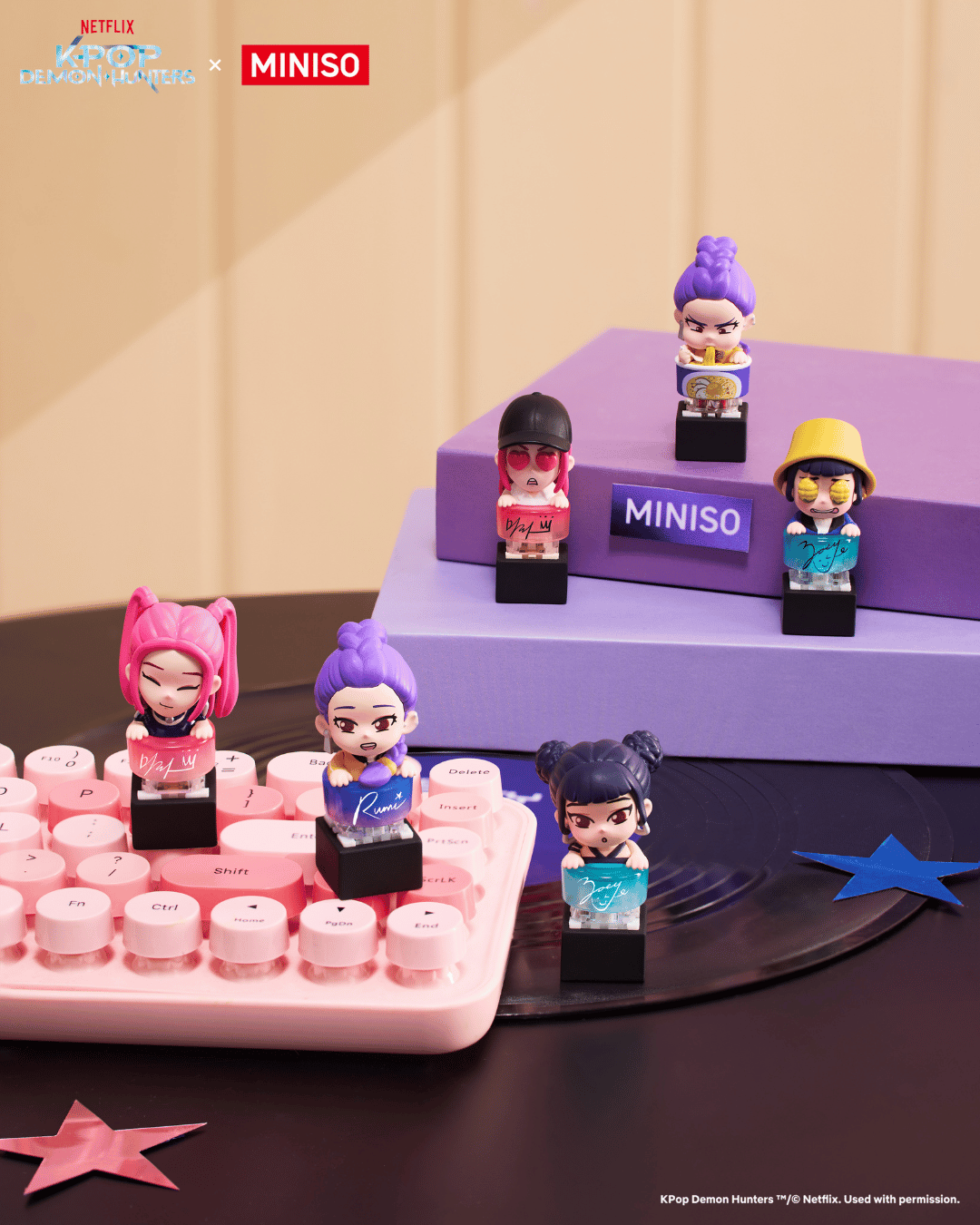
| MINISO Friends, Kuala Lumpur | Browse Derpy plushies, character figures and everyday accessories beginning October 27 | Put character fandom into accessible everyday retail |
New York: a HUNTR/X night market
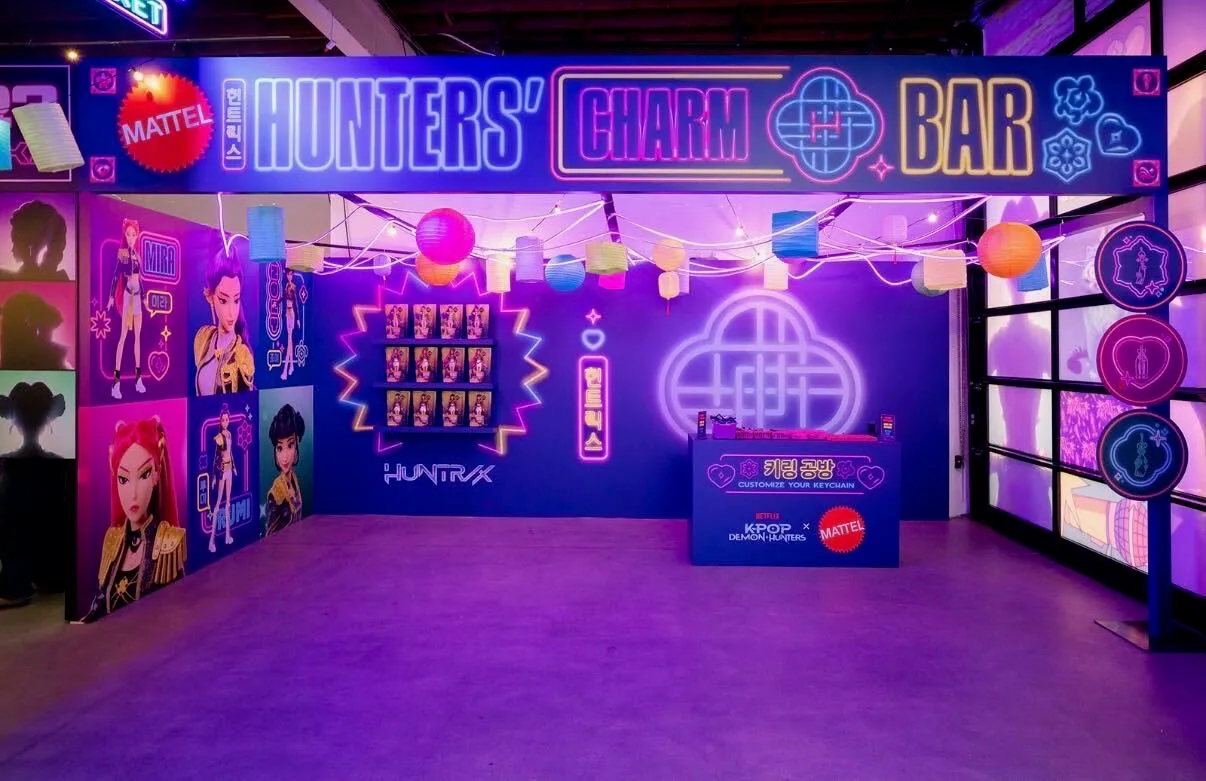
The Walmart partnership is the clearest example of shopping as a world-building activity. According to Fashionista's event coverage, the free HUNTR/X Night Market in SoHo ran October 10–11 and included personalized merchandise, photo opportunities and themed experiences. A visitor could participate in the campaign without being limited to a single product purchase.
Birmingham: a stage inside the toy store
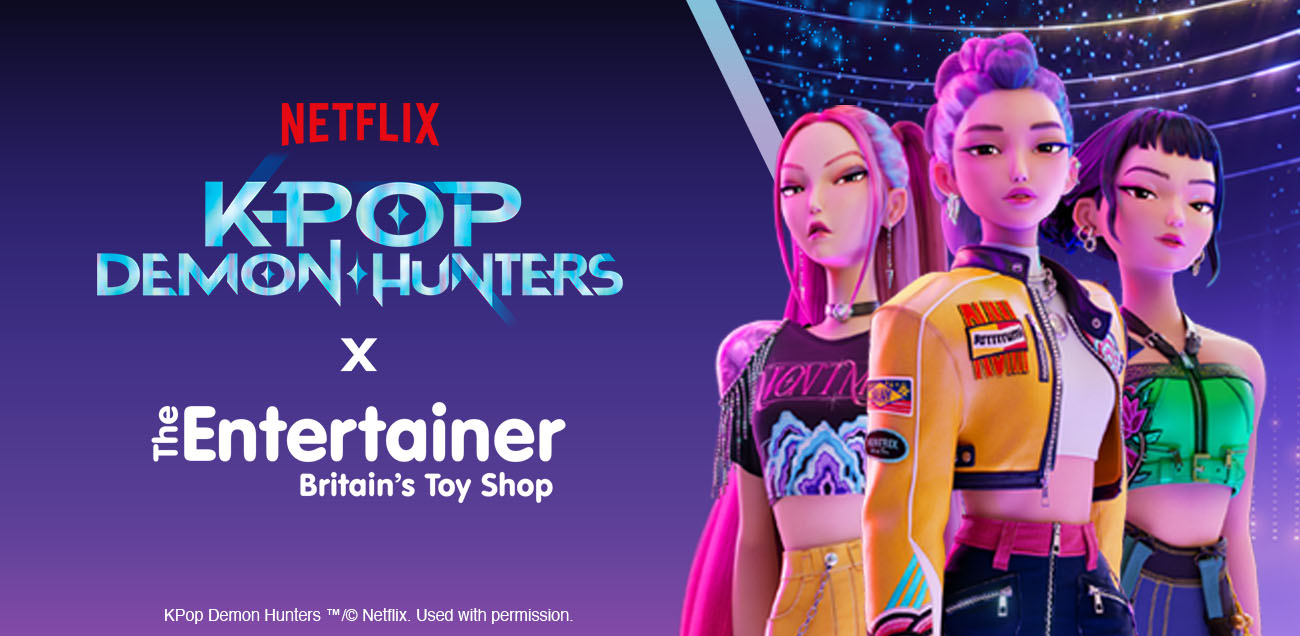
At The Entertainer's Birmingham Bullring store, the model is more permanent. The retailer's announcement described an October 26 launch with dress-up demonstrations, glitter tattoos, photo opportunities and merchandise. The shop-in-shop is planned to last at least six months, giving the retailer an extended reason to revisit the concept beyond launch day.
Seoul and London: beauty and styling become activities
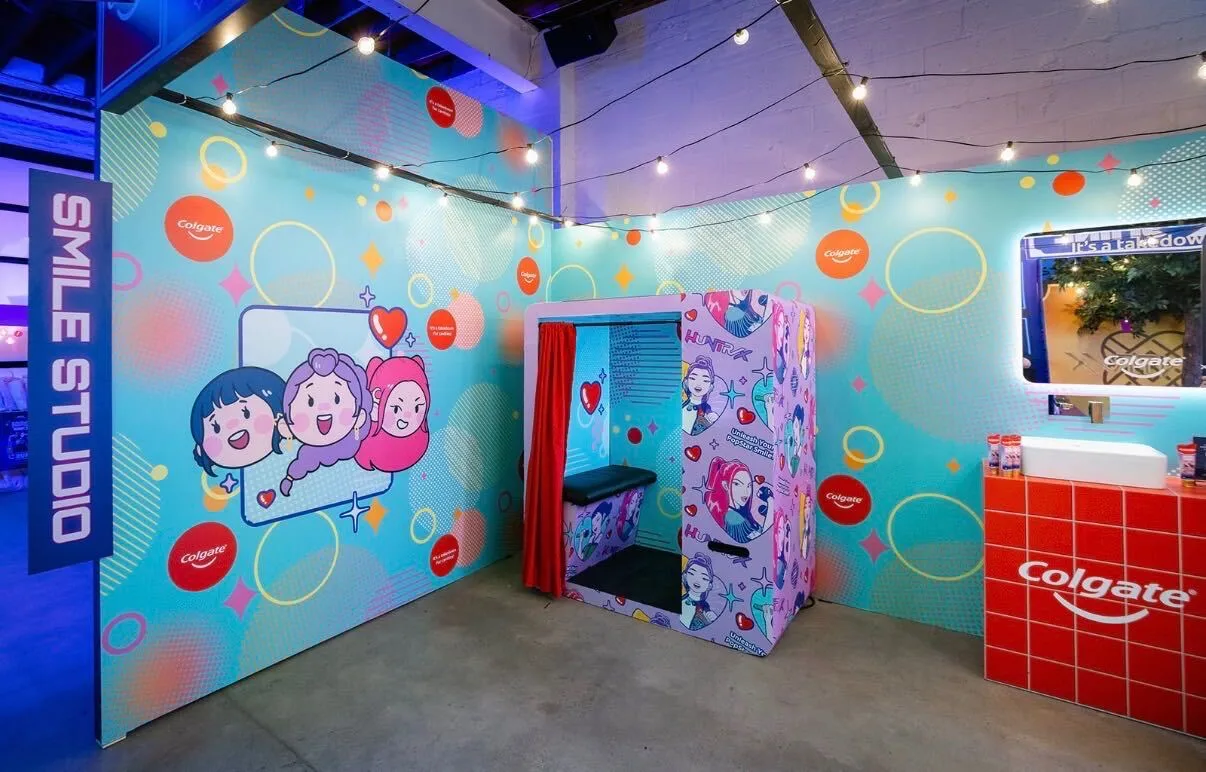
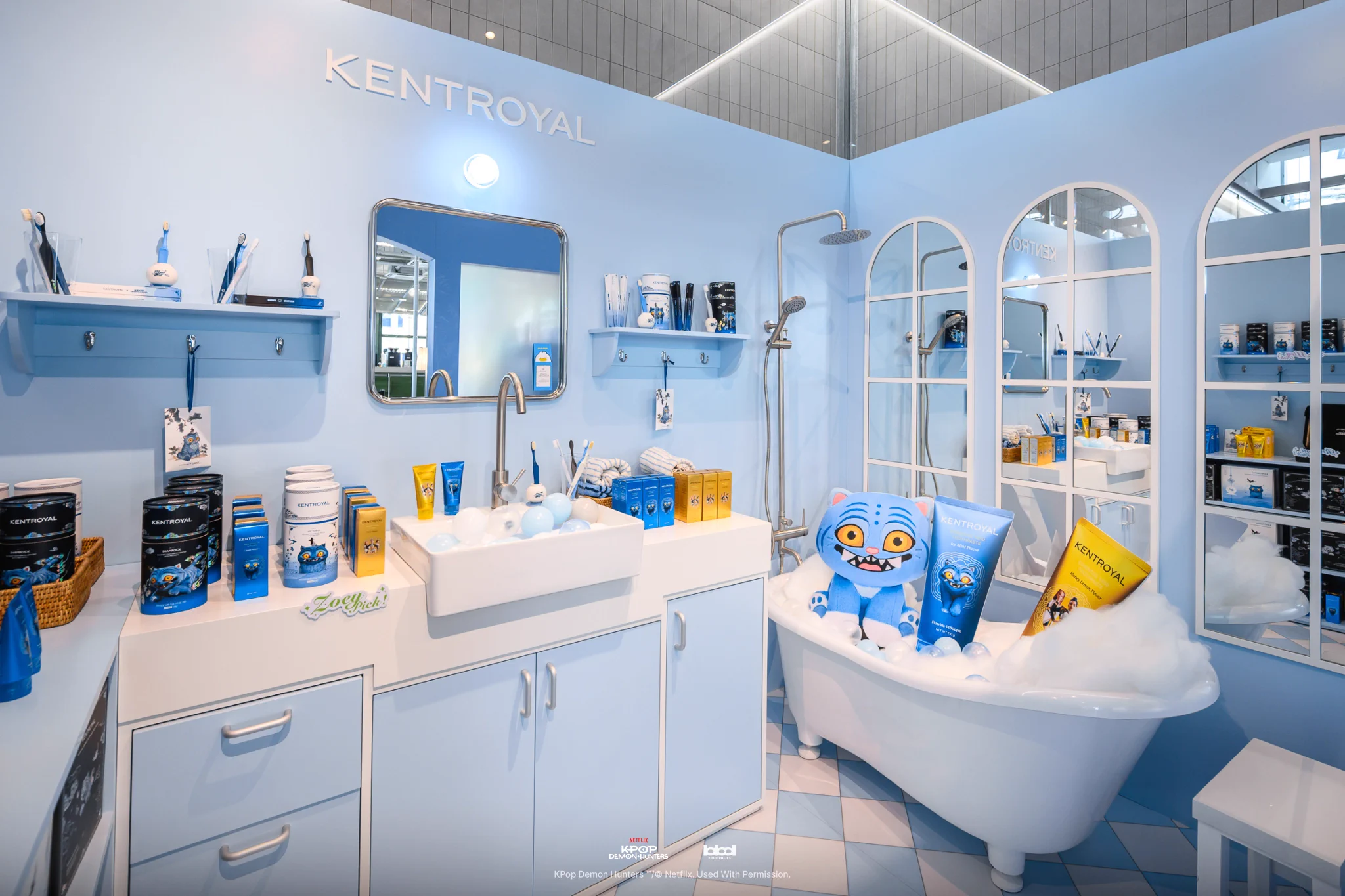
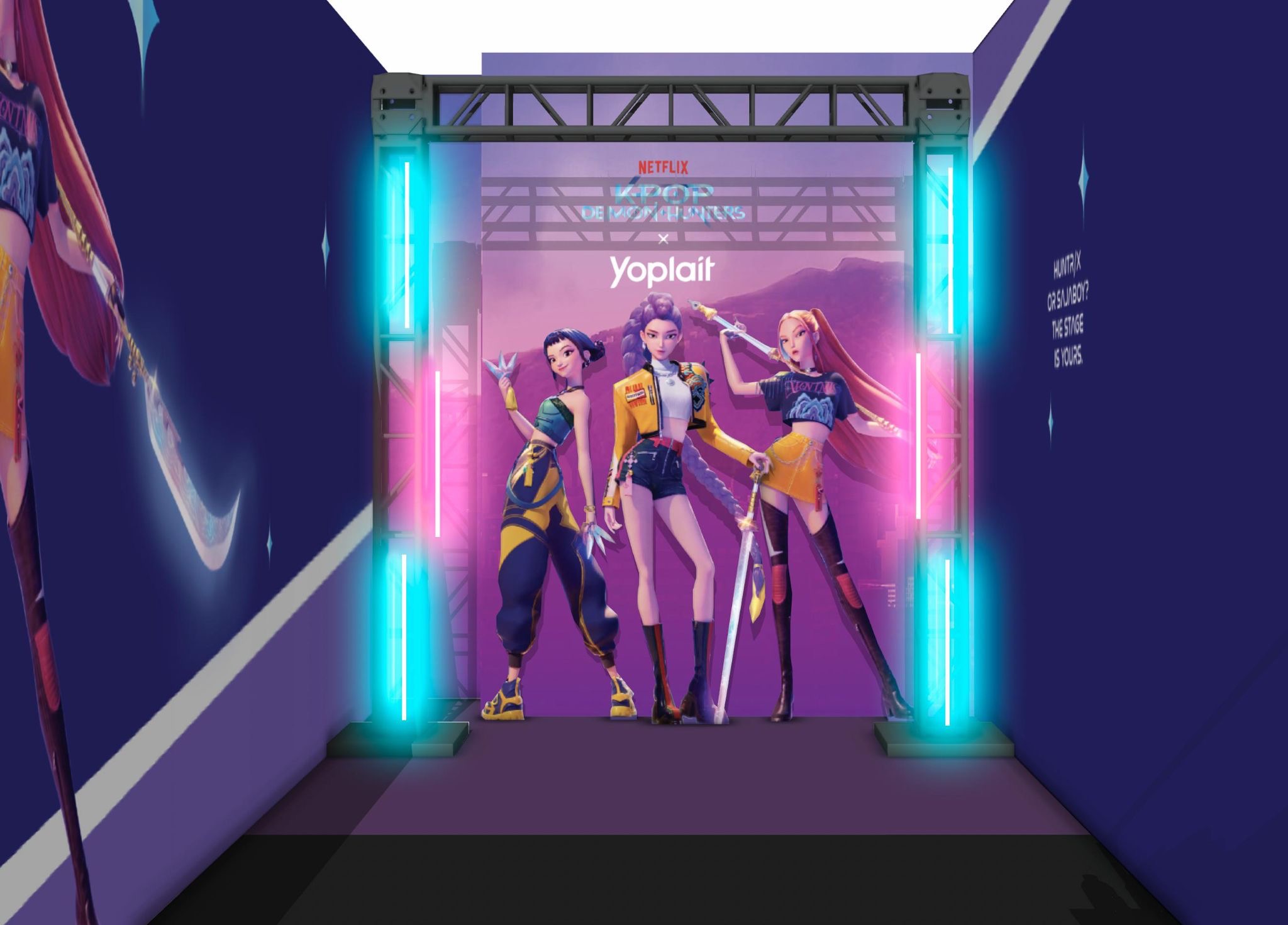
Beauty and food partners used smaller-scale transformations. In Seoul, Anua's Hunters Beauty House listing documented a makeup-room-inspired pop-up at Olive Young N Seongsu. In London, Yoplait's Snack & Style Salon paired hair styling with yogurt sampling. Neither format required a recreation of the entire film. Each selected a familiar fan behavior that fit its product category.
Original social post showing the Seoul beauty activation: see the event post on X.
Kaohsiung: giant Derpy turns a mall into a photo destination
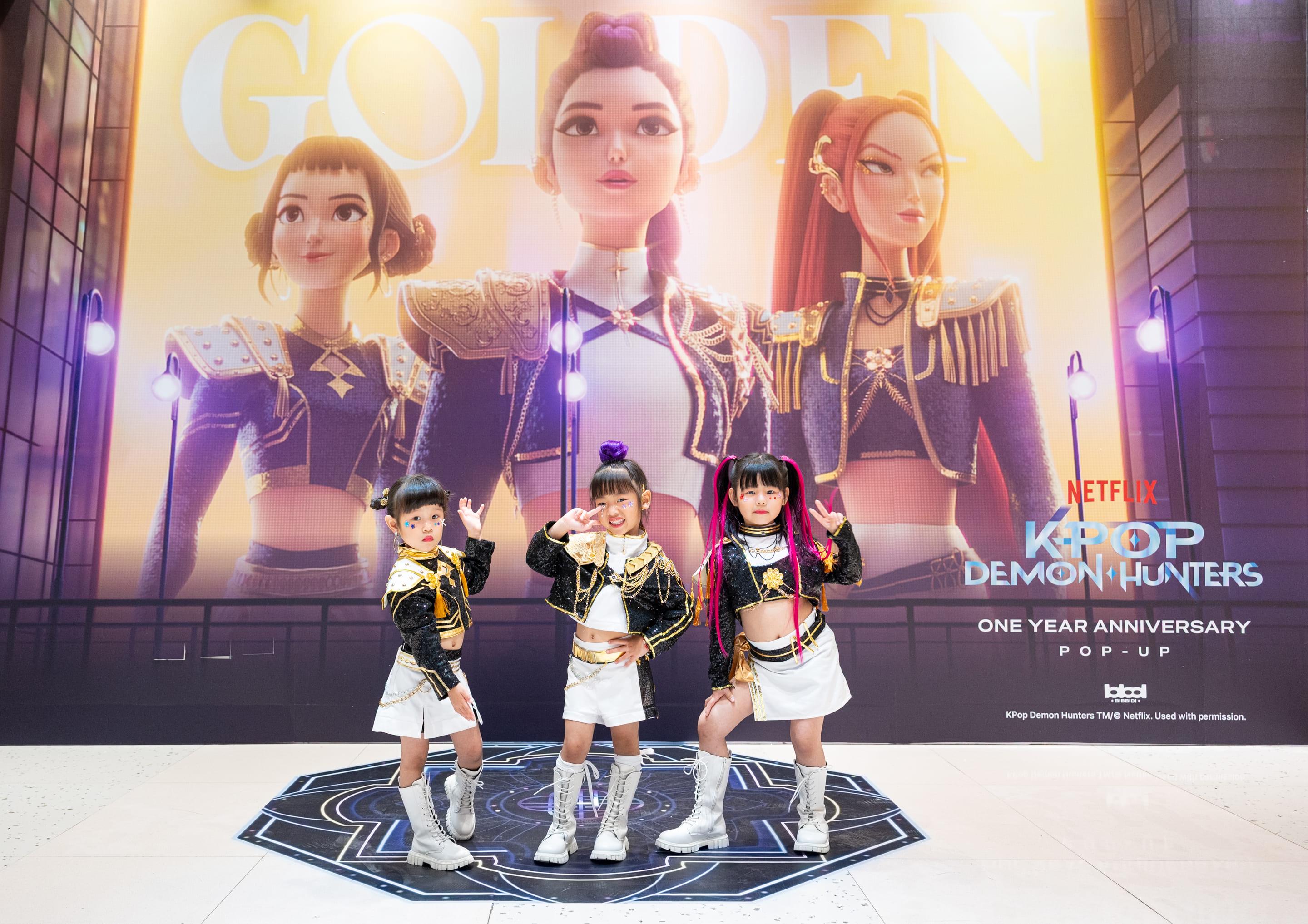
Taiwan's Kaohsiung stop added a different mechanic: a character large enough to become the main attraction. Dream Mall's event announcement described an oversized Derpy installation, more than 100 official items and rewards linked to purchase thresholds and, for one promotion, social posts with the display. That creates both a visual destination and an explicit reason to share, although the published terms do not establish how many people did so.
Kuala Lumpur: keeping Derpy in everyday life
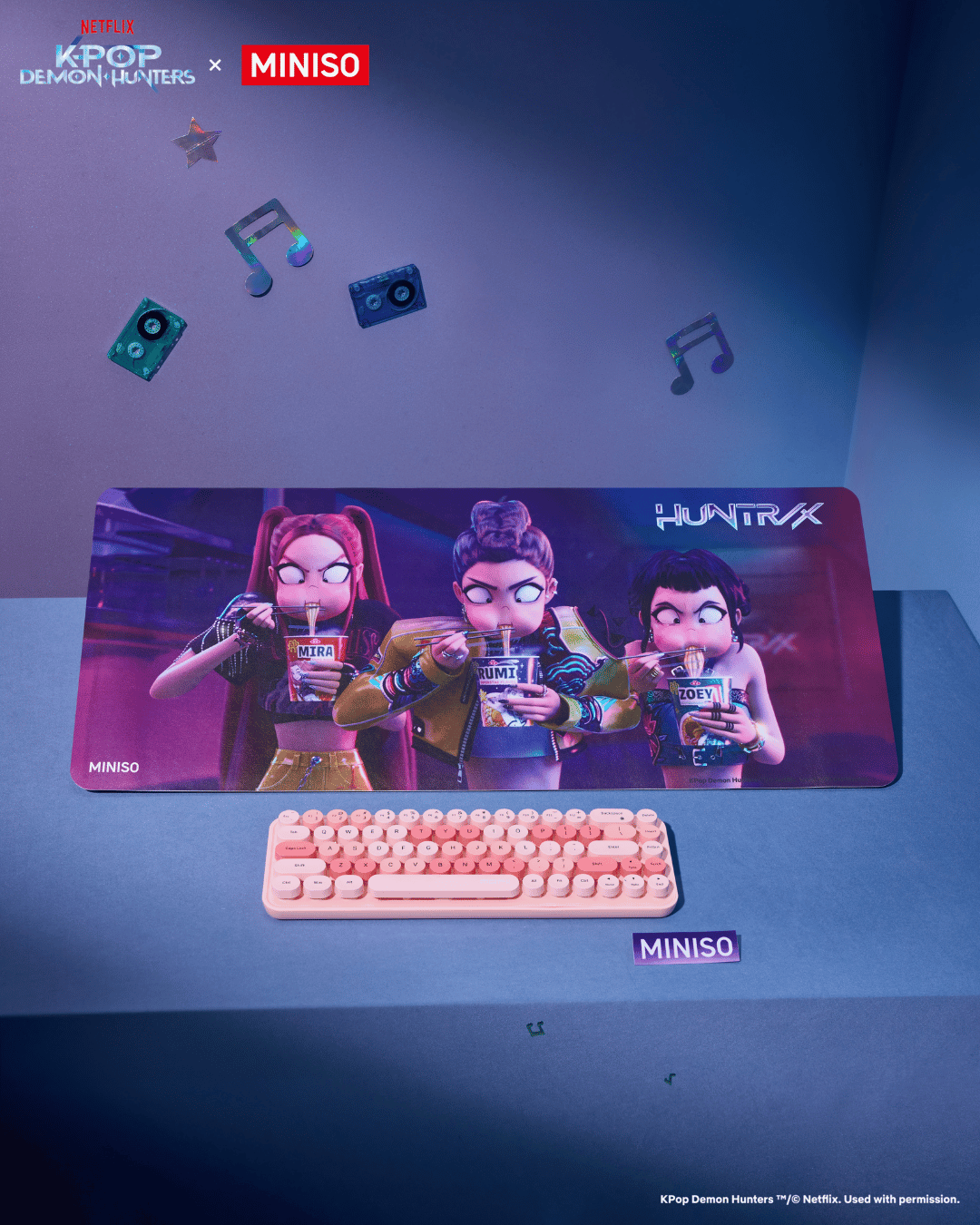
MINISO's Kuala Lumpur example sits at the lighter end of the spectrum. Its LaLaport BBCC collection announcement confirms plushies, figures and accessories at MINISO Friends. This is primarily retail availability rather than a documented immersive event, a useful comparison because recognizable merchandise can lower the barrier to fandom participation without the production cost of a large pop-up.
Why the characters work across retail categories
KPop Demon Hunters gives partners different entry points. HUNTR/X offers music, performance and visual styling. Saja Boys provides a rival identity that supports playful team choices. Derpy and Sussie are recognizable character motifs that can work on a plush toy, a keychain or a giant installation. The same franchise can therefore suit a family food event, a beauty promotion or a toy-store environment without every partner using the same creative template.
That flexibility has expanded into settings beyond conventional shops. Netflix brought themed KPop Demon Hunters Nights to MLB ballparks in 2026, using event-specific giveaways and music moments. The anniversary merchandise tour also included stops in several Asian cities, extending the property through repeatable physical destinations rather than a single global opening.
The character approach does have limits. A rare collectible or branded accessory may create enthusiasm for a product, but that does not automatically make it an experiential activation. POP MART's Derpy collectible, LEGO's buildable figures and Target's Heyday accessories show the breadth of product licensing; the stronger experiential examples add a distinct activity or place to that product encounter.
Five lessons for experiential marketers
Start with a behavior, not a logo. Walmart offered customization, The Entertainer made room for performance, and Yoplait used styling. Their common feature is a clear action a visitor can describe afterward. An event should be designed around what an audience will actually do, not merely what they will see.
Translate the story into the partner's category. Anua's makeup-room concept made sense for skincare; Yoplait paired a family food product with a salon-style activity; a toy retailer offered play and performance. A partnership becomes more credible when the execution fits both the fictional world and the real brand.
Give fans a tangible or shareable memory. Dream Mall used a giant character display and promotional rewards. Walmart offered personalized items. These features create opportunities for photographs and keepsakes, though teams must measure actual sharing rather than assume that every photo becomes earned media.
Choose a duration that matches the objective. A one-day salon can create urgency and concentrate staffing. A multi-month shop-in-shop can support repeat visits and seasonal selling. A touring pop-up can create multiple local news hooks. Duration affects cost, operations and the evidence needed to assess success.
Build measurement into the activation before it opens. An event can look impressive in photographs while falling short commercially. Set a baseline, define the intended audience action, and agree on how the partner will share usable data before production begins.
What the available evidence cannot prove
The public reports confirm the creative design of these activations, their venues and, in several cases, promotional mechanics. They do not provide consistent figures for attendance, incremental sales, conversion, customer acquisition or brand lift. It would be premature to call any individual activation a proven commercial success based on its concept or press coverage alone.
A practical measurement framework should separate the experience from its outcomes. Brands can track reservations and visits, on-site engagement, product sampling or purchases, retailer sell-through, permission-based loyalty sign-ups, verified social sharing and earned media coverage. Those measures should be linked to a clear objective, with a reasonable comparison against ordinary store performance or a similar non-activation period.
The reporting also needs to distinguish fan enthusiasm from incremental impact. The people who attend a themed event may already be highly engaged with the franchise. A campaign might deepen that relationship, but without an appropriate comparison group it cannot claim to have created the enthusiasm in the first place. The strongest case study is therefore one that shows both what happened and what changed because it happened.
The next stage is a ticketed world
The next major physical extension is scheduled to begin later in November 2026. Netflix has announced that KPop Demon Hunters: The Immersive Experience is scheduled to open at Netflix House Dallas on November 12 and Philadelphia on November 20. The ticketed attraction is designed around singing, dancing, demon hunting and encounters with recognizable characters, supported by themed merchandise and food.
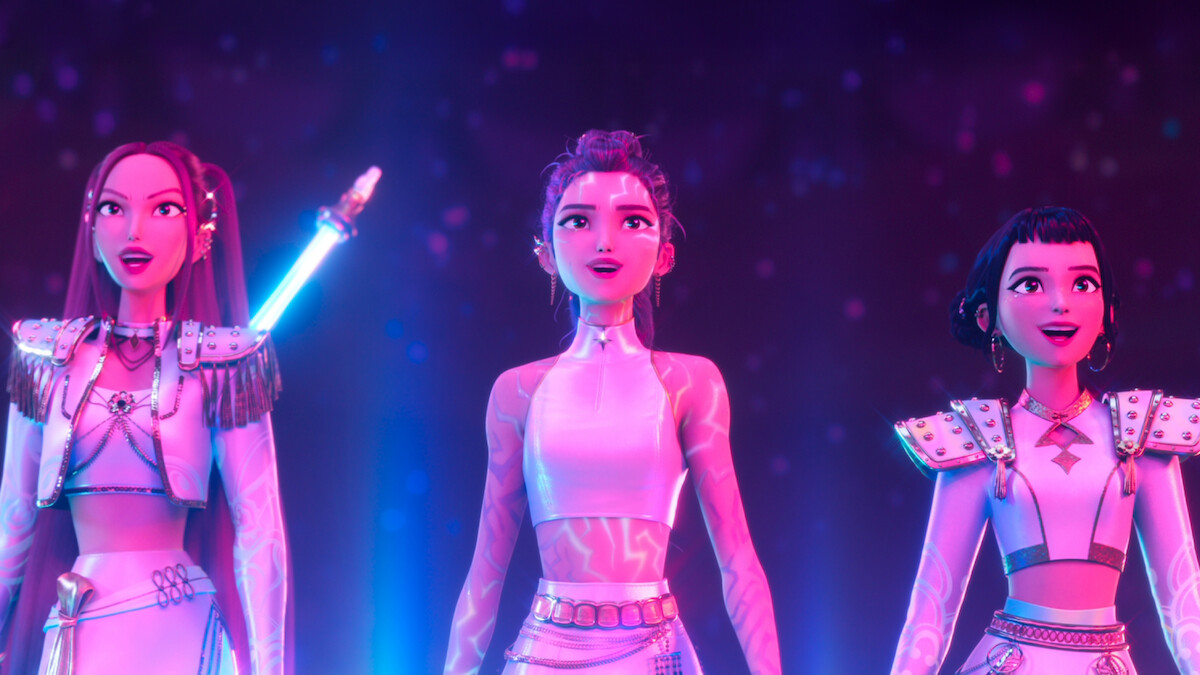
In the official announcement, Netflix chief marketing officer Marian Lee summarized the strategy: “Fans don’t just want to watch KPop Demon Hunters, they want to live in the world of HUNTR/X.” The scheduled Netflix House experience is a direct test of how far that idea can go, from short retail pop-ups toward a deeper paid attraction.
Taken together, these campaigns suggest a useful standard for entertainment partnerships: make the fan's role visible. The more precisely a brand can define what people get to do inside a familiar story, and measure whether that participation changes behavior, the more meaningful its activation becomes. A character on a shelf can attract recognition. A well-designed experience gives that recognition somewhere to go.