The micro-influencer seeding playbook: what Stanley and The Buy Guide prove about earned trust
What Stanley's US$750 million turnaround teaches B2B marketers about product seeding

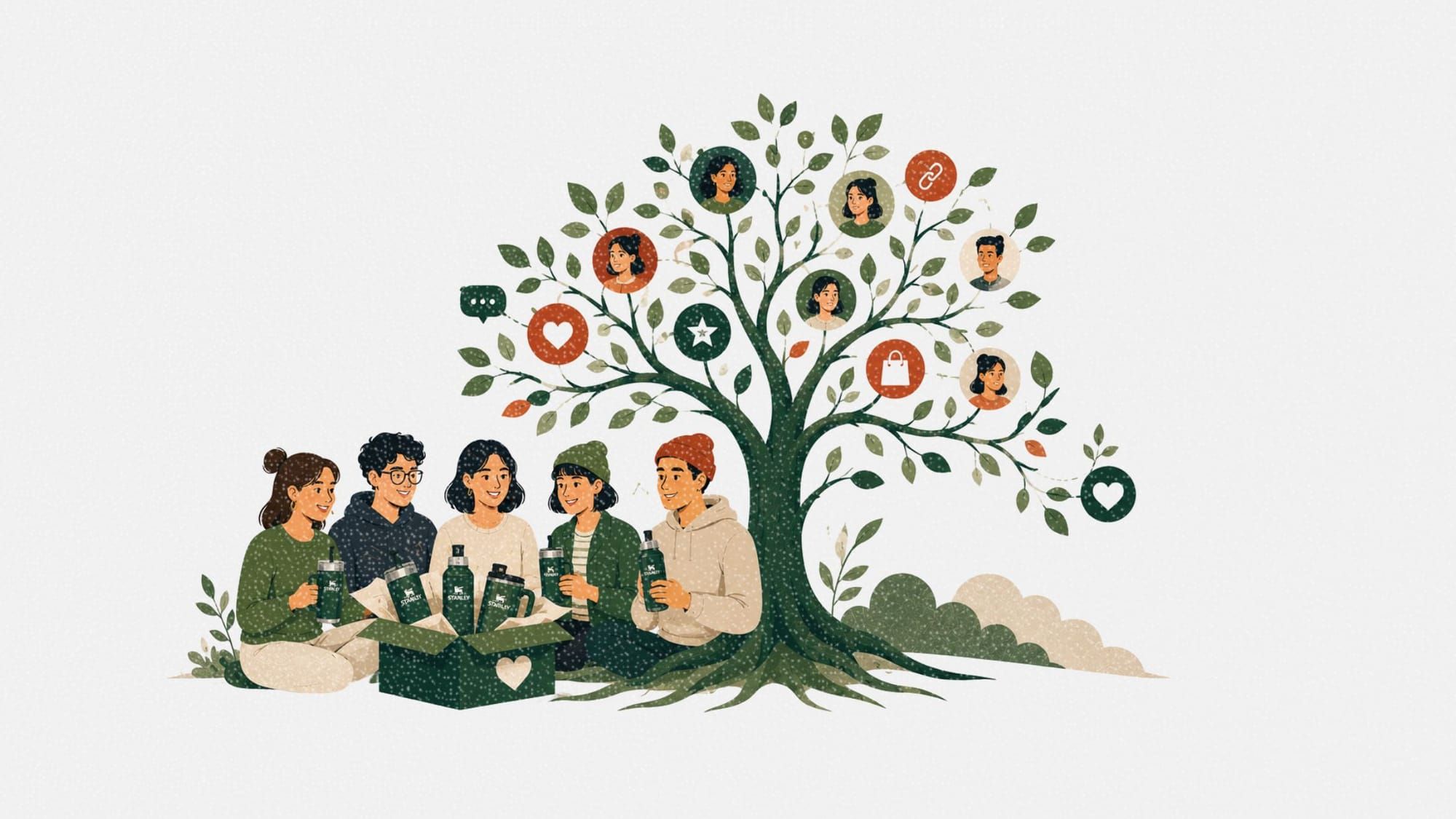
Most influencer marketing conversations start with a budget line. Stanley's turnaround started with three women in Utah gifting a tumbler nobody wanted to buy.
That distinction matters more than it sounds. Stanley 1913, a 110-year-old drinkware brand, took its Quencher tumbler from a discontinued line to the center of a US$750 million revenue year without a single paid celebrity campaign at the start. The engine was product seeding: giving a product to people who already loved the category and letting their honest reaction do the selling. For B2B marketers watching this case study from the sidelines, the mechanics translate more directly than the DTC packaging suggests.
Table of contents
Jump to each section:
- What happened between The Buy Guide and Stanley
- Why micro-influencer seeding outperformed a paid campaign
- The seeding playbook: five steps that made it work
- What the seeding phase earned Stanley
- The B2B lesson: seeding works when the product is access, not inventory
- Where seeding breaks down
- What to do before you seed your first ten creators
What happened between The Buy Guide and Stanley
The Buy Guide is an online shopping blog founded in 2017 by Ashlee LeSueur, Taylor Cannon and Linley Hutchinson, three family members running the account as a side project alongside motherhood and full-time jobs elsewhere. According to MSNBC's Know Your Value, LeSueur discovered the Quencher that same year and decided it was the perfect cup for women on the go. She gifted it to her cousin and sister, who loved it just as much, and the tumbler became one of the trio's regular recommendations to their small but loyal following, but dense with exactly the audience a brand needs.
 Ariana Sorensen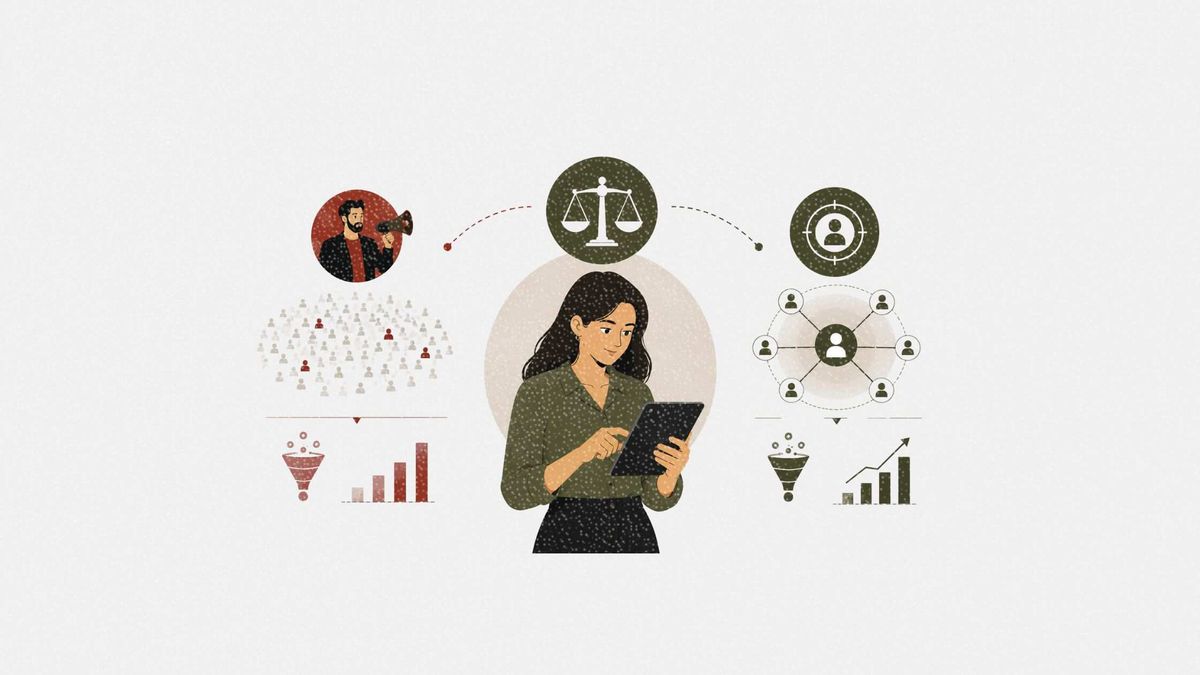
By 2019, Stanley had pulled the Quencher from shelves because it sold poorly. The Buy Guide founders reached out to a Stanley account manager and pitched an idea the brand had never tried: marketing the cup to women instead of the tradesmen and outdoorsmen it had targeted for a century. Stanley executives were skeptical of taking direction from three people they had never heard of, and initially had no interest in changing an entire year's business strategy on the word of three Instagrammers. They eventually agreed to a small wholesale order of 10,000 units, unsure whether the trio could sell through them at all. The order sold out in days.
That single seeded relationship, not a media plan, is what pulled Stanley's leadership into a meeting. The company flew the three founders out to meet the executive team, restocked the Quencher, introduced new colors beyond the brand's classic green, and leaned into affiliate and influencer marketing for the first time in its history. Within a few years, Stanley's revenue went from US$73 million in 2019 to roughly US$750 million in 2023, according to Modern Retail, a jump that traces back almost entirely to a product handed to three people who were never paid to like it.
Why micro-influencer seeding outperformed a paid campaign
The Buy Guide was not a macro account when this started. Their audience was small, engaged and built entirely on genuine product recommendations rather than sponsored posts. That combination is precisely what makes seeding work, and it is worth being specific about why, rather than treating it as a lucky anecdote.
Paid campaigns buy attention. Seeding earns advocacy. When a brand pays a creator a flat fee for a post, the incentive is to deliver the deliverable, not to actually believe in the product. When a brand gifts a product with no obligation attached, the creator only talks about it if they genuinely want to, which is exactly the signal an audience can detect and trust. Stack Influence has documented seeding campaigns that used more than 200 micro-influencers and generated a 13:1 return on investment, a ratio that is difficult to replicate through paid placements at the same budget.
The same analysis found that micro-influencer content typically runs 3% to 8% engagement, well above the roughly 1% to 2% that macro-influencer posts tend to average, because a smaller, tighter audience simply pays closer attention to a voice it already trusts.
Scale matters less than fit in this model. The Buy Guide had a fraction of the reach a paid celebrity endorsement would have delivered, but their audience overlapped almost entirely with the people Stanley needed to reach: women aged 25 to 50 who made purchasing decisions for their households. Reaching the right 10,000 people beats reaching the wrong 10 million, and the cost of proving that fit through seeding is a fraction of what a single celebrity contract would have required.
The seeding playbook: five steps that made it work
Stanley and The Buy Guide's relationship, read closely, breaks down into a repeatable sequence rather than a lucky break.
- Find people who are already fans. LeSueur discovered the Quencher independently, before any brand relationship existed. The strongest seeding candidates are creators who mention your category unprompted, not creators who fit a demographic spreadsheet.
- Gift without a content requirement. Stanley never briefed The Buy Guide on what to post. The absence of a script is what made the resulting content credible enough to move an audience.
- Let the audience validate the product first. The Buy Guide tested demand with their own followers through affiliate links before pitching Stanley on anything, giving them real evidence rather than an opinion.
- Take the meeting. Stanley's willingness to fly the founders out and genuinely listen, rather than treating the pitch as a courtesy call, is the step most brands skip. Seeding only compounds into a strategy shift if someone senior is paying attention to what worked.
- Support the relationship, don't script it. Once the partnership began, Stanley leaned into what The Buy Guide had already proven worked (new colors, women-first marketing, affiliate structures) instead of imposing a pre-existing brand playbook on top of it.
What the seeding phase earned Stanley
The results compounded well beyond the initial wholesale order. Stanley's revenue nearly doubled in 2021 and doubled again in 2022 to roughly US$402 million, per the same reporting cited above, before reaching the US$750 million mark by 2023. That is a tenfold increase in four years, starting from a single seeded relationship that most brands would have dismissed as too small to matter.
The brand's growth has not been a straight line since, which is itself an instructive part of the story. Forbes reported that Stanley's EMEA business tripled in a single year and was forecast to double again the following year, while more recent reporting found that US direct-to-consumer sales fell roughly 20% in 2025 as the broader drinkware category cooled and competitors like Owala, Yeti and Hydro Flask gained ground.
Stanley still holds close to 30% of the US direct-to-consumer water bottle market, with the strongest momentum among 25 to 54 year olds, the same demographic The Buy Guide originally identified. The lesson is not that seeding guarantees permanent virality. It is that seeding built the initial trust layer everything after it was able to compound on, and that trust layer required ongoing investment (new products, new markets, new creator relationships) to keep paying off once the initial wave of attention leveled out.
The B2B lesson: seeding works when the product is access, not inventory
The instinct among B2B marketers is to treat this case study as a DTC curiosity with no application to their world. That instinct is wrong. The mechanism, not the product category, is what transfers, and the underlying logic is the same regardless of whether the gift arrives in a shipping box or an inbox.
A B2B brand does not have a physical tumbler to gift, but it has functional equivalents: an extended software trial, an early beta feature, a seat at an invite-only event, or a data set a practitioner cannot access anywhere else. The seeding logic is identical to what happened with Stanley.
Give the product to someone who already works in the category, remove the obligation to post, and let their real usage generate the content. The practitioner testing your platform on a real workflow, without a script, produces exactly the kind of credible commentary that a paid LinkedIn post from a stranger cannot fake.
Dinda Anandita, Account Director at Content Collision, a content-led PR agency, sees this pattern repeat constantly in B2B programs. "The brands that get seeding right treat it the same way Stanley did: as a relationship investment, not a content order," she says. "The moment you attach a deliverable to a gift, you have turned seeding into an underpaid campaign, and the audience can tell the difference immediately. The B2B creators worth seeding are the practitioners already using tools like yours and talking about them unprompted. Find those five people before you build a program around fifty strangers."
 Ariana Sorensen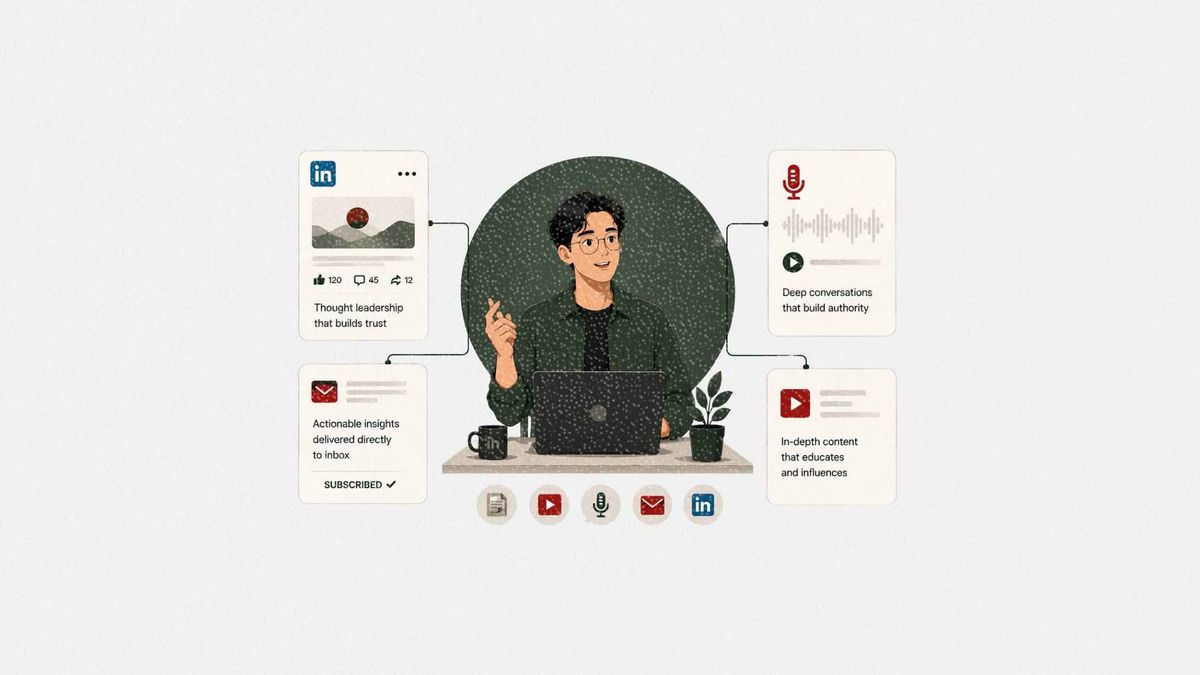
Where seeding breaks down
Seeding is not a guaranteed outcome, and treating it as one leads to wasted product and disappointing results. A few conditions determine whether it works, and marketers who skip past them tend to blame the tactic for a failure that was actually a setup problem.
The product has to be genuinely good. No amount of gifting fixes a product that fails under real use, and seeding actually accelerates the discovery of flaws, because creators are using it honestly rather than performing for a brief. A weak product seeded to real users generates real complaints just as efficiently as a strong one generates real praise.
Saturation is also a real risk once a product goes viral: as competitors and lower-cost alternatives flood the category, sustaining desirability gets harder even for the brand that started the trend, which is part of why Stanley has spent the past two years diversifying into new product lines and new international markets rather than relying on the Quencher alone. Nevertheless, seeding without any tracking wastes the one asset that makes it repeatable: knowing which creators actually convert into usage or content, versus which ones simply accept free products with no follow-through.
Finally, seeding is slow by design. Stanley's relationship with The Buy Guide moved from a first meeting to a measurable business shift over roughly a year, not a single sprint, and the compounding revenue only showed up two and three years later. Brands expecting seeding to behave like a paid media campaign, with predictable output on a fixed timeline, will misjudge the model and pull the budget before it has had time to compound. Treat the first cohort of seeded creators as a pilot that generates data on fit and message-market resonance, not a campaign that needs to prove itself in a single quarter.
What to do before you seed your first ten creators
Before sending a single product or access grant, identify the five to ten people already talking about your category without being asked. Confirm they have genuine, demonstrated interest, not just a follower count that fits a spreadsheet filter. Remove any posting requirement from the gift itself, and be explicit that there is none. Set up a simple way to track who engages and how, so the second cohort is better targeted than the first. Then give the relationship real time, and treat any resulting content as a signal to invest further, not a one-off placement to file away.
 Ariana Sorensen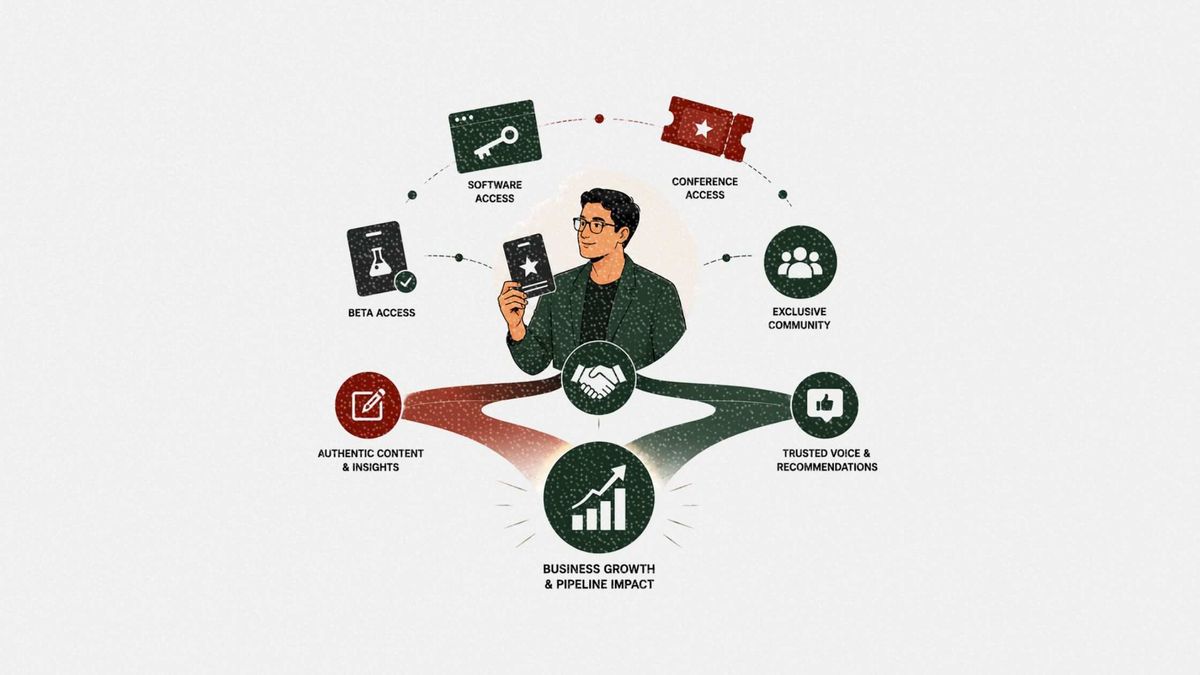
The Stanley story gets told as a viral marketing miracle. It was closer to the opposite: a slow, unglamorous bet on three people who already believed in the product, made before anyone could have predicted the outcome. That patience, more than any single tactic, is the part of the playbook that actually replicates.