
OpenAI expands ChatGPT ads pilot with self-serve Ads Manager and CPC bidding
ChatGPT’s ads pilot is expanding globally as OpenAI builds a full conversational advertising platform.

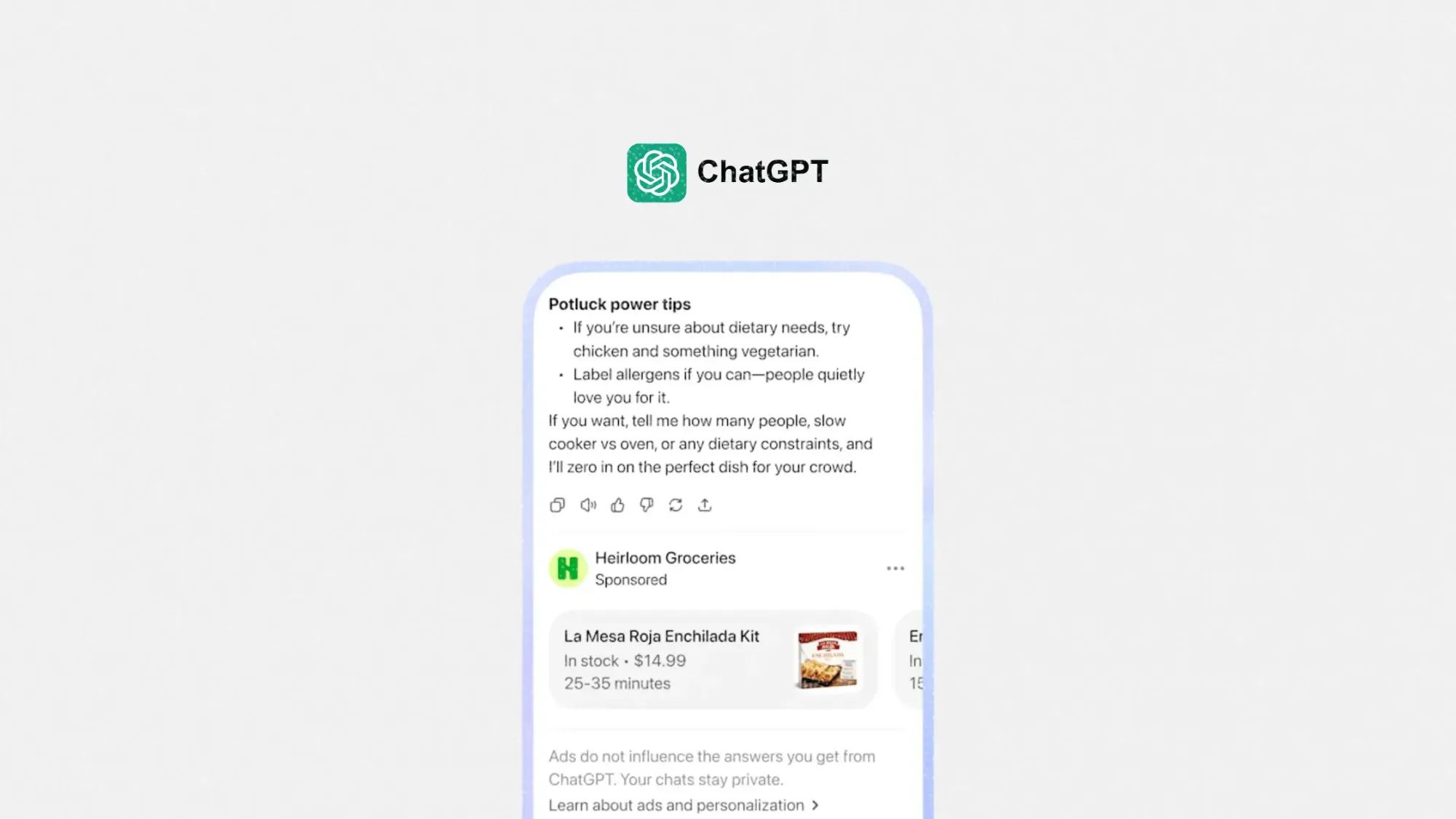
OpenAI is pushing deeper into advertising with a broader ChatGPT ads rollout, a beta self-serve Ads Manager, and new performance measurement tools designed for marketers. The company confirmed that its ads pilot will expand beyond the US into markets including the UK, Japan, Brazil, Mexico, and South Korea, while also giving advertisers more direct control over campaigns inside ChatGPT.
The move signals something bigger than a simple monetization experiment. OpenAI is steadily building the foundations of a full advertising platform around conversational AI, complete with campaign management, conversion tracking, bidding controls, and audience targeting infrastructure.
For B2B marketers and PR professionals, this raises an urgent question: will ChatGPT become the next major performance marketing channel, or another platform where trust and user experience become casualties of ad growth?
Table of contents
Jump to each section:
- What OpenAI just announced with ChatGPT Ads Manager
- Why OpenAI is moving aggressively into adtech
- What marketers should know before testing ChatGPT ads
- The privacy and trust risks OpenAI still needs to solve
- What this means for the future of conversational advertising
 Patrecia Meliana
What OpenAI just announced with ChatGPT Ads Manager
OpenAI’s latest update expands the company’s advertising ambitions in several directions at once. Details of the feature can be watched here: https://openai.com/index/testing-ads-in-chatgpt/?video=1162698597
The biggest addition is a beta self-serve Ads Manager, allowing businesses to directly upload creative, set budgets, manage campaigns, configure pacing, and monitor performance inside a dedicated portal. This moves OpenAI closer to the operational structure marketers already expect from platforms like Google Ads or Meta Ads Manager.
The company is also introducing cost-per-click (CPC) bidding, adding another layer of performance optimization beyond the CPM-based ad buying model already available in the pilot. Alongside this, OpenAI confirmed expanded measurement support through Conversions API and pixel-based attribution tools.
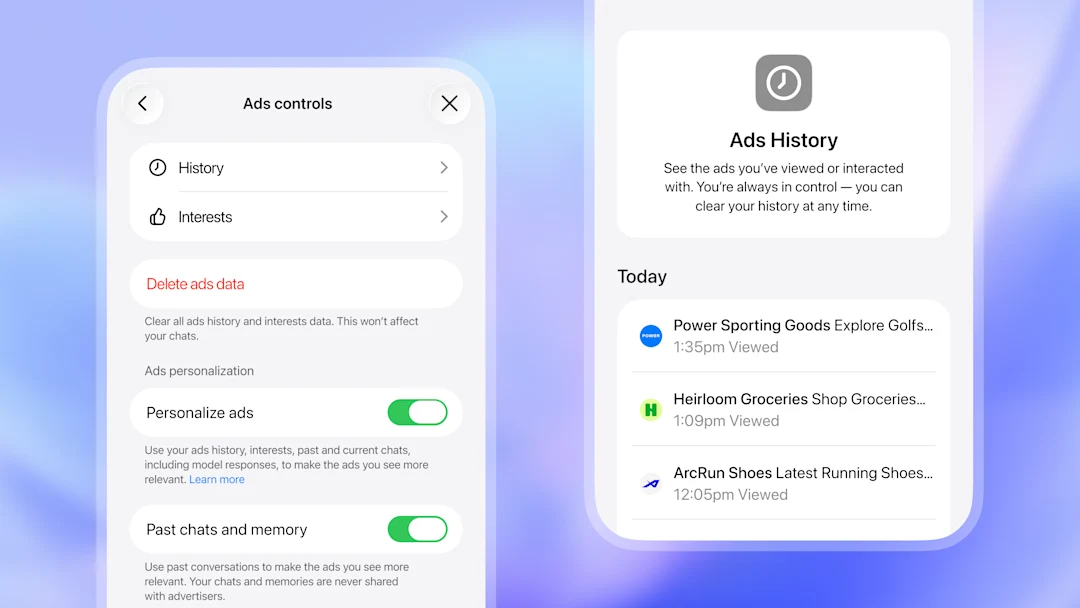
The broader ads pilot itself is also expanding geographically. After initially launching in the US for Free and Go users, OpenAI says the next wave includes pilots in:
- United Kingdom
- Japan
- Brazil
- Mexico
- South Korea
The company has also continued emphasizing that ads remain visually separated from ChatGPT responses, that conversations remain private from advertisers, and that ads will not appear around sensitive topics such as health, mental health, or politics.
Still, the bigger story is strategic. OpenAI is no longer testing whether ads belong inside ChatGPT. It is now building the infrastructure needed to scale them.
Why OpenAI is moving aggressively into adtech
The economics behind generative AI are brutal.
Running large-scale AI systems requires massive infrastructure spending, ongoing GPU investments, and expensive model training. Subscription revenue alone may not cover the scale OpenAI is aiming for, especially as competitors like Google, Meta, Anthropic, and xAI race to dominate consumer AI interfaces.
Advertising changes the equation.
ChatGPT already has something traditional ad platforms spend years trying to build: high-intent conversational data. Users ask questions about products, software, travel, finance, workflows, research, and purchasing decisions directly inside the interface. That creates a rich contextual environment for sponsored placements.
For marketers, this is potentially far more valuable than passive social scrolling.
A user asking ChatGPT for “the best CRM for small sales teams” or “AI tools for B2B content operations” demonstrates immediate commercial intent. OpenAI appears to be positioning ChatGPT as a conversational discovery layer where ads can blend into recommendation-driven workflows.
The addition of CPC bidding and conversion tracking is especially important because it shifts ChatGPT ads closer to measurable performance marketing instead of simple awareness placements.
That matters for CMOs under pressure to prove ROI.
What marketers should know before testing ChatGPT ads
Marketers should avoid treating ChatGPT ads like a copy-paste version of search or social advertising.
The environment is fundamentally different.
People use ChatGPT in a more focused, task-oriented, and often private-feeling way. Interruptive or low-quality ad experiences could trigger backlash faster than on traditional platforms.
Here are several issues marketers should pay close attention to:
1. Conversational relevance matters more than targeting alone
Generic display-style creative will likely fail inside conversational interfaces.
Ads need to feel contextually aligned with the user’s intent without appearing manipulative or intrusive. Relevance becomes part of the user experience itself.
2. Attribution may become more complex
Traditional last-click attribution models may not fully capture how conversational AI influences decision-making.
A user may interact with ChatGPT multiple times before taking action elsewhere. Marketers should expect messy attribution windows and evolving measurement standards.
3. Brand safety standards will face new pressure
AI-generated environments create unique risks around hallucinations, misinformation, and context interpretation.
Even with safeguards, marketers will need clear visibility into where and how their ads appear inside AI conversations.
4. Trust will become a competitive advantage
Users are already highly sensitive to anything that feels like hidden sponsorship or stealth advertising inside AI products.
Brands that prioritize transparency and useful experiences may perform better long term than those pushing aggressive conversion tactics.
5. AI interfaces may reshape search behavior
If conversational interfaces continue replacing traditional search journeys, marketers may eventually need dedicated “AI discoverability” strategies alongside SEO and paid search.
That shift could redefine how brands think about visibility online.
The privacy and trust risks OpenAI still needs to solve
OpenAI continues to insist that advertisers do not gain access to private conversations, memories, or personal user details.
However, concerns around data usage and ad targeting are growing.
Recent privacy policy updates revealed that OpenAI may receive purchase-related data from advertisers and share information with marketing partners for ad targeting workflows. Combined with default marketing cookies for free-tier users, the company is clearly moving toward a more sophisticated advertising ecosystem.
This creates tension.
ChatGPT succeeds partly because users perceive it as a utility and assistant, not a traditional social platform optimized for engagement and monetization. The more advertising infrastructure becomes visible, the more OpenAI risks damaging that trust.
For marketers, this creates both opportunity and risk.
Early adopters may benefit from relatively uncluttered inventory and strong engagement. But if ad experiences become too aggressive or opaque, user sentiment could shift quickly.
The challenge for OpenAI is balancing monetization with credibility.
That balance is notoriously difficult.
What this means for the future of conversational advertising
OpenAI’s latest moves suggest conversational advertising is no longer hypothetical.
The company is assembling the core building blocks of a modern ad platform: self-serve campaign management, attribution tools, bidding systems, conversion measurement, regional expansion, and advertiser partnerships.
This does not automatically guarantee success.
Search advertising worked because it aligned closely with user intent. Social advertising scaled because platforms maximized engagement and behavioral targeting. Conversational AI introduces a different dynamic where users expect assistance, trust, and utility.
If OpenAI can preserve that experience while integrating useful sponsored content, ChatGPT could evolve into a major new media channel.
If it fails, the platform risks becoming another example of monetization overwhelming product trust.
For marketers, now is the time to pay attention, experiment carefully, and rethink how advertising works inside AI-driven environments.