Ray-Ban makes Ranveer Singh the face of AI glasses in India
Ray-Ban pairs Ranveer Singh with Gen 3 AI glasses in India, linking self-expression, wearable tech and a familiar celebrity persona.


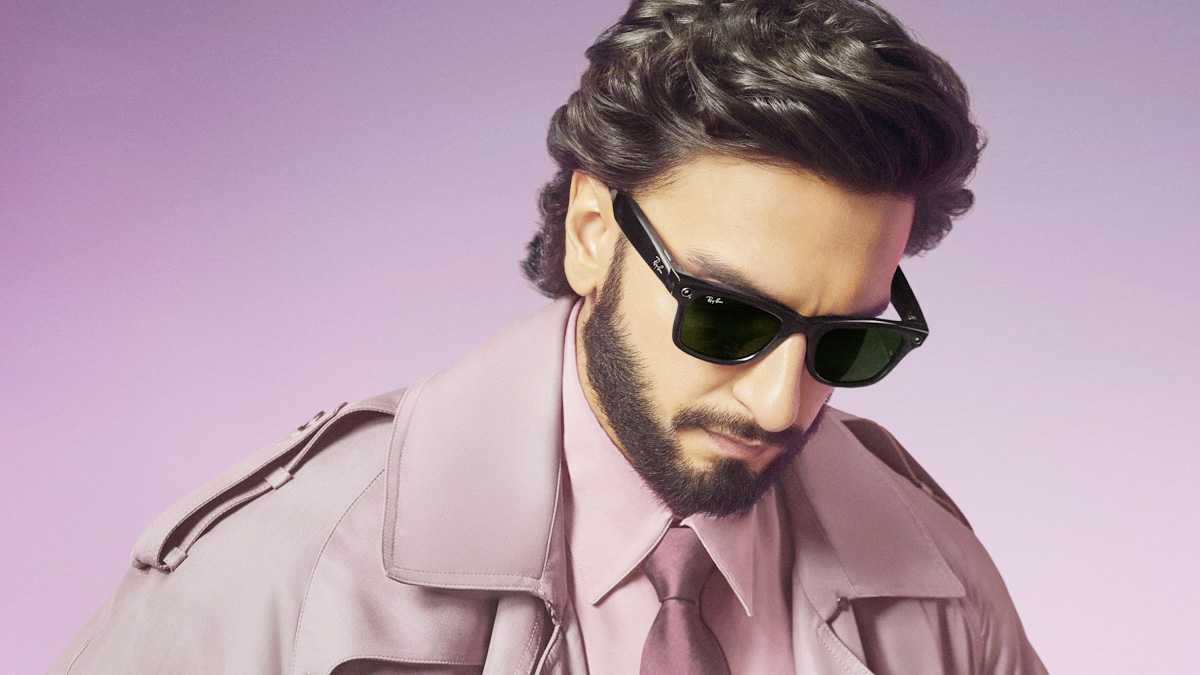
Ranveer Singh has spent years making clothes, silhouettes and mood changes feel like part of the performance. That makes him an unusually natural face for an eyewear campaign built around the idea that identity should not stay fixed.
Ray-Ban and Meta have named Singh their first India brand ambassador for Ray-Ban and Ray-Ban Meta, launching the “Frame Your True Self” campaign as Ray-Ban Meta Gen 3 reaches the Indian market. The partnership puts one celebrity across two sides of the brand: classic eyewear as personal style, and AI glasses as technology people are meant to wear every day.
The useful part of the casting is that Singh already has a public image built on reinvention. Ray-Ban does not need to invent a new personality for him just to make the campaign work.
Table of contents
- Why Ranveer Singh fits Ray-Ban’s India story
- How Frame Your True Self connects fashion and AI
- Why the Gen 3 launch gives the campaign substance
- What marketers can learn from the ambassador strategy
Why Ranveer Singh fits Ray-Ban’s India story
Celebrity ambassador campaigns are easiest to understand when the product already belongs in the person’s public image. Singh is known for treating fashion as experimentation rather than a uniform, moving between theatrical looks, tailoring, streetwear and more restrained styling without losing a recognizable sense of personality.
That gives “Frame Your True Self” a useful contradiction to work with. The campaign is about authenticity, but it does not define authenticity as having one permanent look. Singh’s own framing, in Meta’s announcement, is that style changes with instinct and mood and can express different versions of the same person.
For Ray-Ban, that helps connect a heritage brand to a local celebrity without making the relationship feel like a generic endorsement. The frames become part of a wider idea about identity rather than the only thing the audience is being asked to notice.
How Frame Your True Self connects fashion and AI
The campaign has to do more than sell sunglasses because Singh is representing both Ray-Ban and Ray-Ban Meta. That creates a positioning challenge: one side of the portfolio is built on decades of fashion and cultural history, while the other asks people to accept cameras, speakers, microphones and an AI assistant inside familiar-looking frames.
Ray-Ban and Meta are solving that by making self-expression the bridge. The technology is presented as something that should disappear into an object people already understand as fashion, rather than demanding that consumers adopt the visual language of a gadget.
Meta says the glasses can handle music and podcasts, hands-free calls and access to Meta AI. The company is also positioning them as an evolving software platform, with new AI features and apps arriving through updates.
That matters for the campaign because Singh does not need to become a product demonstrator in every piece of creative. His role can establish the cultural and style layer, while the product story gives people a reason to look beyond the celebrity.
Why the Gen 3 launch gives the campaign substance
The ambassador announcement arrives alongside the India availability of Ray-Ban Meta Gen 3, so the campaign has a concrete product moment behind it.
INR 44,300 is the starting price for Ray-Ban Meta Gen 3 in India, according to Meta.
Meta says Gen 3 comes in 27 color and lens combinations across Aviator, Zena and Wayfarer styles. The glasses offer up to nine hours of battery life, a 12 MP camera capable of 3K Ultra HD video, a new customizable action button and a six-microphone array designed to improve calls and voice commands in noisy environments.
The company also says the glasses retain a built-in LED indicator intended to make people nearby aware when photos or video are being captured. That detail matters because a wearable camera has to function not only as a personal device but also in shared spaces.
Ray-Ban Meta Audio is also due to come to India, while Meta says its Muse personal AI agent will eventually work through its AI glasses. Together, those announcements make the campaign less like an isolated celebrity signing and more like a local market entry point for a broader wearable-computing push.
What marketers can learn from the ambassador strategy
- Use the celebrity to solve a positioning problem. Singh helps Ray-Ban connect fashion heritage with a newer technology category through a personality already associated with experimentation.
- Give the campaign a product moment. The Gen 3 India launch gives the ambassador announcement something concrete to sell beyond attention.
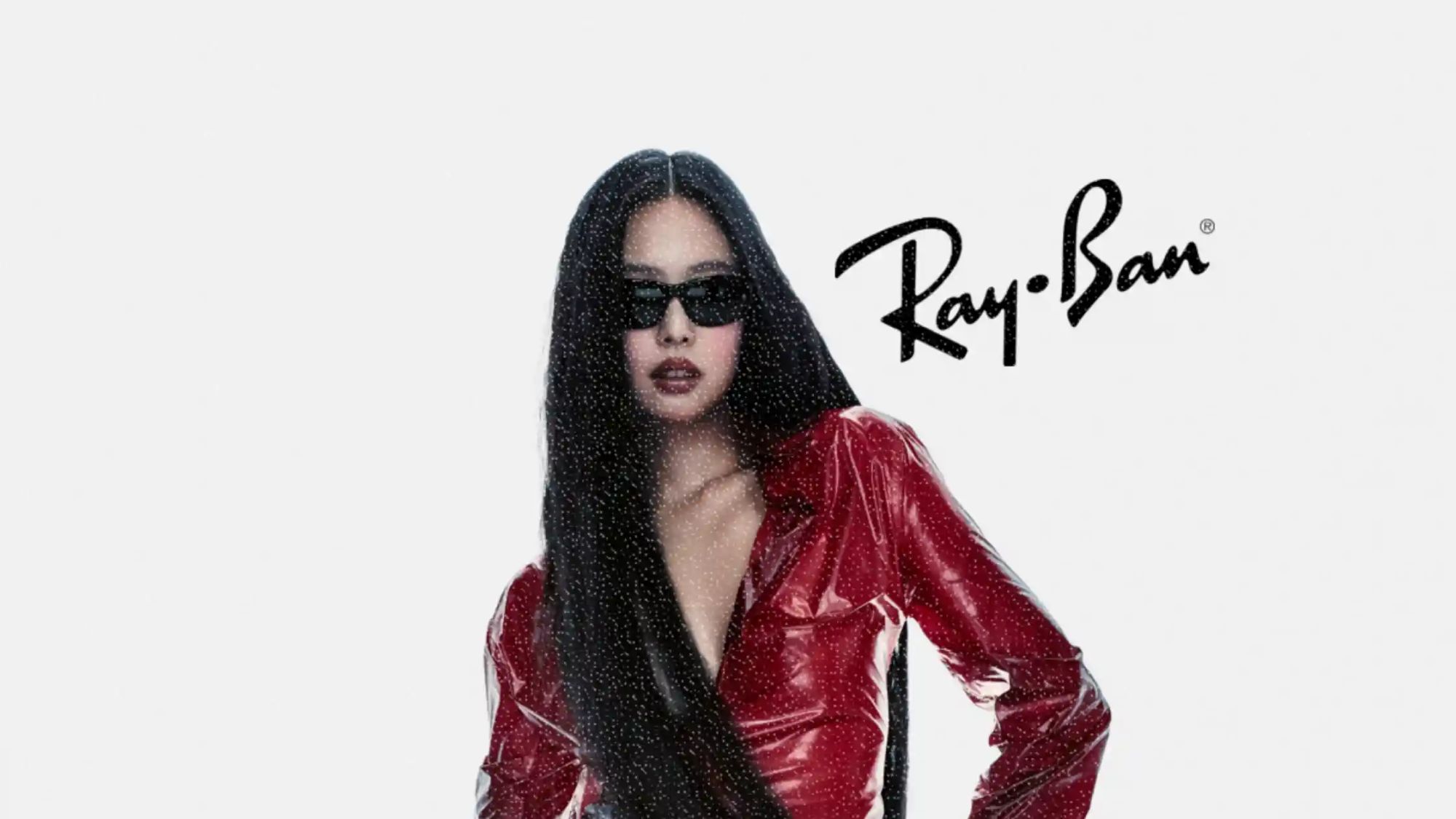
- Localize a global playbook without copying it mechanically. Ray-Ban has already used cultural figures such as Jennie globally. Singh gives the same broader ambassador strategy a distinctly Indian face.
- Make the technology fit an existing behavior. Ray-Ban Meta is easier to explain as eyewear that happens to contain AI than as a new gadget people must learn to wear.
- Keep celebrity fit ahead of celebrity scale. A famous face is most useful when the campaign idea already matches how that person is understood by the audience.
Ray-Ban’s India move is ultimately about making a technology category feel culturally ordinary. Singh brings the spectacle, but the strategic job is quieter: make AI glasses look like something that belongs in a wardrobe before asking people to think about what the software can do.