What makes a story newsworthy in 2026: the rules PR pros can’t ignore
Why most PR pitches fail today and how to craft stories journalists and AI actually pick up


In the age of shrinking newsrooms and algorithmic news feeds, most stories don’t get covered—and it's not just about writing better press releases. Data shows that over 95% of media pitches are rejected, even before a journalist reads past the subject line.
For today’s B2B marketers and PR pros, cracking the code of newsworthiness isn’t optional. The media landscape in 2026 is a minefield of saturated content, AI-assisted editorial filters, and relentless competition for attention.
This article explores what makes a story newsworthy in today’s environment—and how PR professionals can adapt their strategies to get seen, picked up, and cited.
It’s not just about checking boxes like “timely” or “interesting.” Newsworthiness in 2026 is a three-way intersection: editorial value, audience relevance, and shareability. Master that mix, and you don’t just get published—you get remembered.
Short on time?
Here’s a table of contents for quick access:
- What does “newsworthy” actually mean?
- The 7 core factors of newsworthiness
- What changed in 2026: the new layer of newsworthiness
- How to turn a boring story into a newsworthy one
- Common mistakes marketers still make
- Why PR matters even more in AI search
 Falencia Naoenz
What does "newsworthy" actually mean?
Newsworthiness is the criteria journalists use to decide what gets covered. At its core, it comes down to three essential questions:
- Why now?
- Who cares?
- What’s new?
In 2026, newsworthiness is more than just editorial judgment—it’s the intersection of:
- Audience relevance: Does it matter to their readers?
- Editorial value: Does it offer something new, timely, or insightful?
- Distribution potential: Will it spread beyond the initial publication?
Journalists aren’t just gatekeepers anymore. They’re audience developers. If your pitch doesn't pass that litmus test, it doesn’t stand a chance.
The 7 core factors of newsworthiness
The fundamentals still apply—but they need sharper execution in today’s media climate.
1. Timeliness (why now)
News is time-sensitive. If your story doesn't connect to something current, it's probably getting skipped. Make your timing obvious:
- ❌ “AI adoption is rising”
- ✅ “70% of marketers adopted AI in 2025”
2. Impact (who does this affect)
The broader the relevance, the better. Back it up with data:
- ❌ “We launched a new platform”
- ✅ “New platform helps 3,000 SMEs cut ad spend by 30%”
3. Proximity (why this matters locally)
Location still matters, especially for regional coverage.
- ❌ “APAC SaaS expands globally”
- ✅ “SaaS creates 500 jobs in Singapore”
4. Prominence (who is involved)
Big names get attention. Use high-profile stakeholders strategically:
- CEO quotes
- Influencer tie-ins
- Notable partnerships
5. Conflict (what’s the tension)
Conflict creates stakes. Avoid neutral fluff.
- ❌ “AI helps teams collaborate”
- ✅ “Marketers clash with IT over AI privacy risks”
6. Human interest (why people care emotionally)
Stories about people perform better than those about companies.
- Customer transformations
- Founder journeys
- Employee spotlights
7. Novelty (what’s new or surprising)
If it’s the first, only, or never-been-done-before—highlight that.
- ✅ “First AI-powered newsroom in Southeast Asia”
What changed in 2026: the new layer of newsworthiness
The PR playbook has evolved. Here’s what’s different now.
1. Shareability is now a ranking factor
It’s not enough to be interesting. Your story must be share-worthy.
Editors now ask: “Will this travel beyond our site?”
That means:
- Strong headlines
- Clear social hooks
- Visual assets that encourage reposts
2. AI and search influence coverage
Your story must survive the filters of generative AI systems and show up in Google’s AI Overviews.
Welcome to the era of GEO (Generative Engine Optimization).
 Patrecia Meliana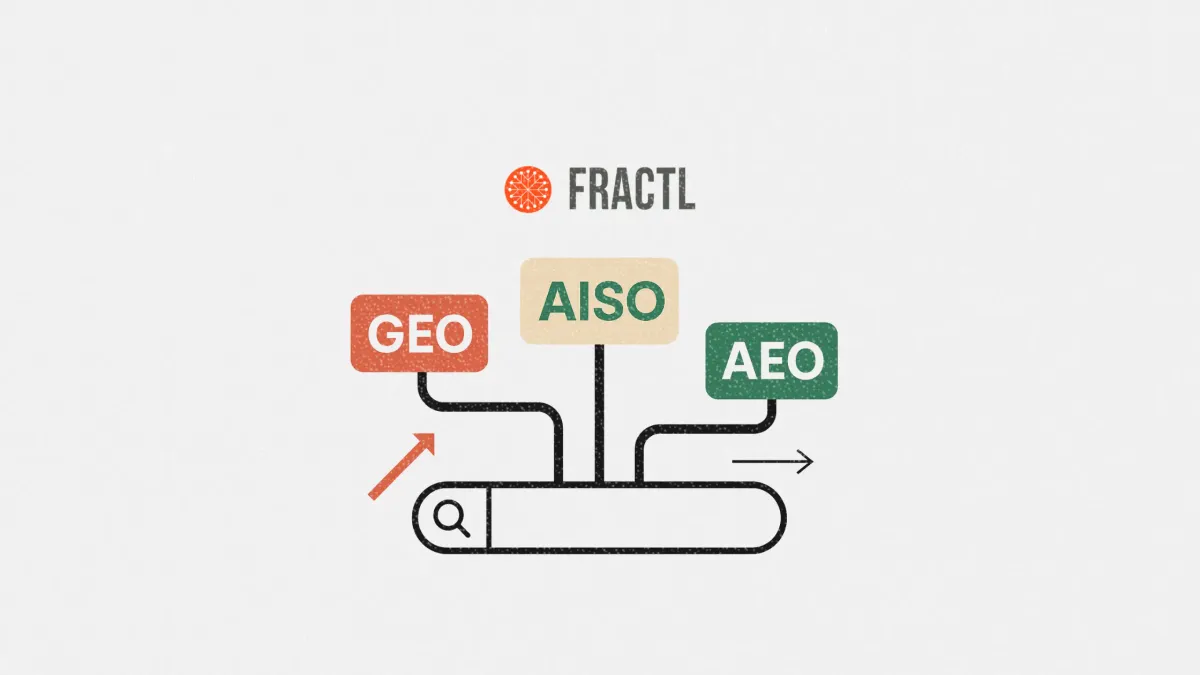
3. Content saturation changed the game
Journalists are bombarded. They receive hundreds of pitches daily so only the sharpest, most relevant angles cut through.
4. Distribution matters as much as the story
Getting published is only step one. If your story doesn’t get amplified—via newsletters, social, SEO, or syndication—its news value fizzles out fast.
 Ramya Priya
How to turn a boring story into a newsworthy one
Not every update is born interesting. But you can make it newsworthy with a few key upgrades:
- Add data: Quantify your claims.
- Add a hook: Tie into current trends or industry debates.
- Add people: Humanize with a founder or customer angle.
- Add stakes: Explain what’s at risk if no one pays attention.
 Patrecia Meliana
Common mistakes marketers still make
Some PR pitfalls haven’t changed, but they’re more dangerous now:
- Mistaking company updates for news
- Failing to connect the story to audience needs
- Offering no clear angle or data
- Making it too promotional
- Ignoring distribution strategy
The most common flaw? Writing from the company’s POV instead of the audience’s.
Marketers often answer: “Why we care”
But journalists need: “Why the audience cares”
Why PR matters even more in AI search
In the age of AI-generated answers, earned media is currency.
Muck Rack’s analysis found that just 1% of AI-cited content came from press releases. Furthermore, another analysis by Muck Rack finds that 89% of AI citations reference earned media rather than brand-owned content. Meanwhile:
- 37% of citations referenced non-brand-owned content
- 27% came from journalistic sources like Reuters and FT
- Only 2% came from marketing or social posts
As Oliver Budgen, Founder and CEO of Bud put it, “The majority of LLMs cite earned media and editorial sources over paid or owned content. Journalism and credible reporting tend to index very highly in AI-generated answers.”
That’s why PR is now a critical layer of your SEO and brand visibility stack.