YouTube is turning Studio into a brand-deal operating system
YouTube is moving creator discovery, pitches, performance sharing, paid amplification, and affiliate commerce deeper into Studio.


YouTube Creator Partnerships is becoming much more than a directory where brands find channels. With its September 23 Made on YouTube update, YouTube is pulling more of the sponsorship workflow into Studio, from brand briefs and creator pitches to performance sharing, paid amplification, and affiliate commerce.
For brand and creator teams, that changes where the work happens. A campaign that once moved through email, media kits, spreadsheets, ad-permission requests, and affiliate platforms can increasingly stay inside the same product creators already use to publish and measure content. The opportunity is speed. The risk is letting platform convenience decide the operating model before teams have agreed on rights, measurement, and who controls the relationship.
Table of contents
Jump to each section:
- YouTube is pulling brand deals into Studio
- Discovery and pitching move closer to the creator
- Performance sharing and Boost tighten the paid loop
- Shopping makes sponsorship and affiliate work converge
- Brands still need rules the platform cannot set
YouTube is pulling brand deals into Studio
YouTube says Creator Partnerships is now available across 20 countries, giving brands a way to discover eligible creators and giving creators more tools to manage commercial work. Its creator update also puts the pitching, data-sharing, and shopping changes in one workflow view. The company is also adding Studio features that can help creators respond to brand briefs, draft custom proposals, and tailor media kits. Some of those tools are still described as coming soon, so teams should distinguish what is live from what has been announced.
The direction is already clear. YouTube wants the sponsorship workflow to start closer to the creator account instead of being reconstructed through outside tools every time a campaign begins. That makes Studio part publishing tool, part deal desk.
For marketers, the appeal is straightforward. Discovery data sits near channel data. A creator can respond where their content performance already lives. A brand can move from identifying a channel to reviewing a pitch without asking the creator to export a separate deck for every opportunity.
That efficiency matters most when teams manage more than a handful of creators. Repeating the same briefing, media-kit, and access steps across 20 or 50 channels creates real admin cost. YouTube is trying to remove some of that friction at the platform level.
Discovery and pitching move closer to the creator
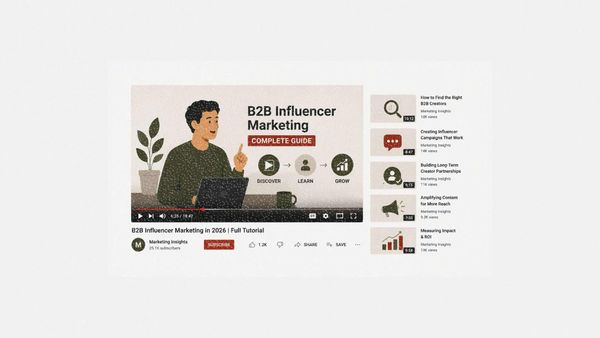
The most important change is not that brands get another creator search surface. Platforms have offered discovery tools for years. The shift is that discovery, pitching, and campaign management are being connected inside the same creator environment.
YouTube says Ask Studio will eventually help creators draft proposals and answer brand briefs in seconds. That could be useful for creators who do not have a manager or sales team, especially when the first response is mostly administrative: confirm fit, explain the channel, suggest a format, and share relevant performance.
Brands should still treat AI-assisted pitches as a starting point, not evidence of fit. A polished response can be generated quickly. What still needs human judgment is whether the creator understands the product, whether the audience overlap is real, and whether the proposed idea sounds like something that belongs on that channel.
This is where brand thinking often lags behind creator behavior. A creator's value does not come from filling a brief perfectly. It comes from translating a brand into a format their audience already trusts. Faster proposal tools are useful only if they leave enough room for that translation.
YouTube's own product design reinforces the point. The platform is making it easier to prepare a pitch, but the creator still has to decide what they are willing to make and how a sponsorship fits their channel. Automation can reduce the admin around a relationship without replacing the relationship itself.
Performance sharing and Boost tighten the paid loop
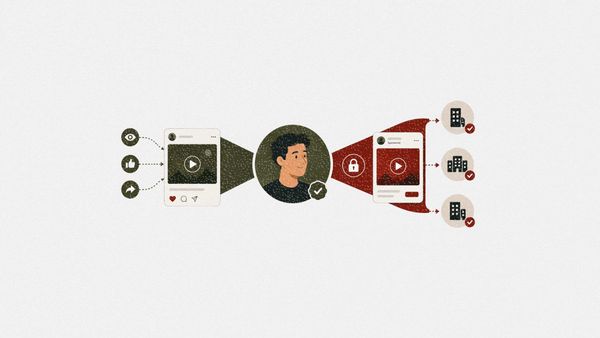
YouTube is also shortening the distance between organic creator content and paid media. Creators can share a one-click code with partners so those partners can see video performance and put paid media behind the content through Creator Partnerships Boost.
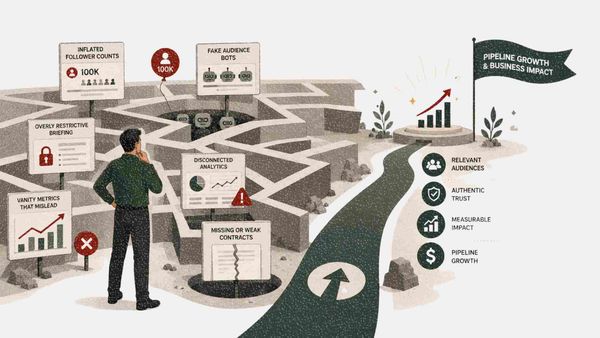
That matters because sponsorship reporting and amplification are usually separate operational steps. A creator sends screenshots or a report. The brand or agency asks for additional permissions. Paid teams then rebuild the winning asset inside another workflow. Bringing performance access and amplification closer together can make it easier to identify strong content and extend it while the audience signal is still fresh.
The operational gain does not remove the commercial questions. Paid amplification changes the value of the asset. Brands need to know whether the original fee covers Boost, how long paid use can continue, which markets are included, and whether the creator approves edits or audience targeting. A platform permission is not the same thing as a negotiated usage right.
Dinda Anandita, Account Director at content-led comms agency Content Collision, made the measurement point well in an earlier ContentGrip guide: "A good creator report does not use a wall of metrics to avoid making a judgment."
That applies directly here. Easier access to performance data can make reporting faster, but brands still have to decide what the campaign was supposed to change. Views, watch time, clicks, conversions, product consideration, and qualified demand are different jobs. A one-click data share is useful only when the team has already agreed on the decision those numbers need to support.
For paid teams, Creator Partnerships Boost also makes creator content look more like a performance asset. That can be valuable, but it should not push every partnership toward the same optimization logic. A deep product review may build trust over months, while a shorter integration may be better suited to immediate amplification. The best content to sponsor is not always the content with the biggest first-day view count.
Shopping makes sponsorship and affiliate work converge
YouTube's Shopping expansion pulls commerce into the same direction. The company says its affiliate program will reach 35 markets by the end of the year, with product tagging available across videos, livestreams, and Shorts. It is also expanding Amazon product tagging from the US into India and Brazil, with more markets planned.
The practical effect is that a creator relationship can combine several compensation models inside one platform. A brand can pay a flat sponsorship fee, offer a higher affiliate commission, add a bonus through an Affiliate Campaign, and then amplify the content with paid media if it performs.
YouTube says new Affiliate Campaigns will let retailers and brands discover creators and send targeted invitations that can include flat fees plus exclusive commission rates. That is important because it blurs the line between a traditional sponsorship and performance-based creator marketing. One video can carry both guaranteed compensation and an outcome-linked upside.
For creators, this can reward content that keeps selling after the launch window. YouTube is also localizing product links for viewers across borders, which matters for channels with international audiences. A creator in one market can reach a buyer in another without forcing the viewer through a product link built for the wrong country.
Amazon is a useful example because the partnership gives creators access to a large product catalog without requiring each brand to build a separate affiliate setup. The India and Brazil expansion shows how YouTube can use platform-level commerce integrations to make creator monetization travel across markets faster than individual brand programs usually do.
Brands should still be careful with incentives. Commission-heavy structures can encourage creators to choose products for conversion potential rather than genuine fit. That does not automatically make the content less trustworthy, but it raises the importance of clear disclosure and a compensation model that does not pressure the creator into overselling.
Brands still need rules the platform cannot set
YouTube is making creator partnerships easier to execute. It is not removing the need for campaign operations. In some ways, platform consolidation makes those rules more important because more steps can happen quickly once a brand and creator connect.
Before teams rely heavily on the new workflow, they should define five things outside the platform:
- Creator fit: what audience, expertise, and content behavior make a creator suitable before a pitch is accepted.
- Usage rights: whether the brand can Boost the content, for how long, in which markets, and with what approval process.
- Measurement: which outcome matters enough to change the next budget decision.
- Compensation: how flat fees, affiliate commissions, bonuses, and paid usage are priced separately or together.
- Relationship ownership: who keeps the creator relationship warm after the campaign, especially if the first introduction happened through YouTube.
That last point is easy to miss. When a platform makes sourcing and transactions smoother, brands can start treating creators like inventory. The strongest programs do the opposite. They use the platform to remove repetitive admin so people can spend more time on the parts that actually create trust: the brief, product access, creative judgment, feedback, and repeat collaboration.
A sensible rollout is to start with a small creator cohort and compare the new Studio workflow against the team's current process. Track how long it takes to source a creator, agree on a concept, share performance data, approve paid usage, and close reporting. Then check whether the faster process actually improves creator experience and campaign quality. A shorter workflow is useful only if it removes admin without removing the judgment that keeps the partnership credible.
YouTube's new tools make the creator deal stack more convenient, and that convenience will be useful for both brands and independent creators. The teams that benefit most will be the ones that separate what the platform can automate from what the relationship still needs humans to decide. Studio can make the deal move faster. It cannot decide whether the deal deserves to happen.