Embargoed press release: when to use one and how to send it
A practical guide to using an embargoed press release, covering when it helps, how to secure journalist agreement, and how to avoid timing mistakes.

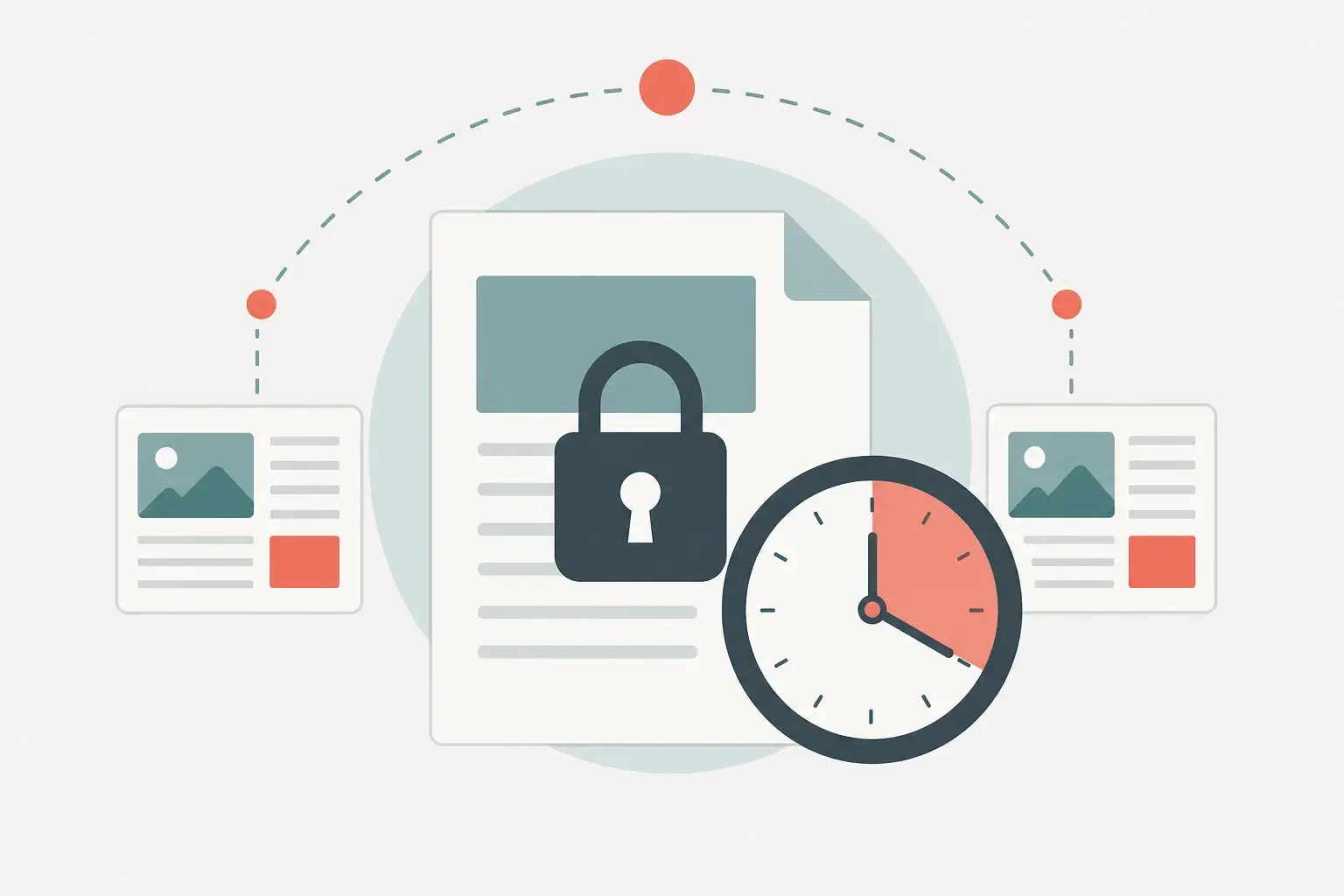
An embargoed press release can help a PR team give journalists time to understand complex news before it goes public. Used well, it creates a fair publishing window and helps multiple outlets prepare thoughtful coverage instead of rushing.
The catch is that an embargo is built on trust, not magic. If the story is weak, the timing is vague, or the journalist never agreed, the embargo can irritate the people you are trying to reach. For B2B marketers and comms teams, the real question is not simply how to label a release. It is when an embargo actually helps the story, the reporter, and the business outcome.
Key Takeaways
- An embargoed press release gives selected journalists early access to news under a clear publish-after date and time.
- Embargoes work best for complex, time-sensitive, or market-moving announcements that need accurate coordinated coverage.
- PR teams should get journalist agreement before sending embargoed materials and should always state the date, time, and time zone.
Table of contents
Jump to each section:
- What is an embargoed press release?
- When should PR teams use an embargo?
- How is an embargo different from an exclusive or media advisory?
- How do you write and send an embargoed press release?
- What should an embargoed press release template include?
- What can go wrong with embargoes?
- Which tools help manage embargoed outreach?
- How should PR teams measure whether an embargo worked?
What is an embargoed press release?
An embargoed press release is a news announcement shared with journalists before publication, under an agreed date and time when coverage can go live.
An embargo gives a reporter advance access to the release, supporting facts, assets, and spokesperson availability. In return, the reporter agrees not to publish before the embargo lifts. The goal is to give the newsroom more time while keeping the public release coordinated.
If your team is still shaping the basic announcement, start with ContentGrip’s guide to press release examples before adding an embargo layer. A weak release does not become stronger because the subject line says “under embargo.”
PR Newswire describes an embargo as a timing arrangement where journalists receive news early and agree to wait before publishing, while PR.co emphasizes that an embargo only works when there is mutual agreement before the material is sent. That distinction matters. Sending an unsolicited email with “EMBARGOED” in the subject line is not the same as securing a journalist’s consent.
Think of the embargo as a coordination mechanism, not a publicity shortcut. It can help reporters verify claims, schedule interviews, and prepare visuals. It cannot force coverage or make routine updates more newsworthy.
When should PR teams use an embargo?
PR teams should use an embargo when the news is complex, time-sensitive, or sensitive enough that journalists need preparation time before a coordinated public release.
Good embargo candidates usually have one of three traits. The story needs explanation, the timing matters, or the stakes are high enough that inaccurate coverage would create real risk. Product launches, funding announcements, research reports, regulatory milestones, major partnerships, and scientific findings can all fit that pattern.
The strongest test is simple: would a journalist produce a better story with advance access? If the answer is yes, an embargo may be useful. If the answer is no, send a normal pitch or release.
Scientific publishing shows why embargoes exist. Nature Portfolio says its media embargo gives journalists fair access and time to provide informed comment based on the final paper. PLOS says its embargo policy gives journalists a fair chance to research stories, speak with experts, and coordinate coverage. Those are practical reasons, not cosmetic ones.
72% of journalists cited press releases as the most useful resource PR teams can provide, while 86% said they immediately reject pitches that do not match their beat or audience, according to Cision’s 2025 State of the Media announcement.
That data is a useful warning for embargoes. Journalists may value press releases, but only when the material is relevant. An embargo adds friction, so the relevance bar is even higher.
Do not use an embargo for routine company updates, thin product announcements, minor customer wins, or stories that only matter internally. If the news is not worth a reporter’s preparation time, an embargo will feel like unnecessary control.
How is an embargo different from an exclusive or media advisory?
An embargo coordinates when several journalists may publish, while an exclusive gives one outlet first access and a media advisory invites coverage of an event.
These tactics often get confused because all three involve timing. The difference is who gets access, what they can do with it, and what outcome the PR team is trying to create.
| Tactic | How it works | Best use case |
|---|---|---|
| Embargo | Several trusted journalists receive the same news early and agree to publish after a set time. | Coordinated coverage for complex or time-sensitive announcements. |
| Exclusive | One journalist or outlet gets first access, often with deeper context or a unique interview. | A high-value feature story where depth matters more than simultaneous reach. |
| Media advisory | Reporters receive a short notice about an event, briefing, demo, or interview opportunity. | Inviting journalists to attend or schedule access before a live moment. |
PR Newswire makes the same practical distinction: exclusives give one outlet the first look, while embargoes share the same news with multiple outlets under a time restriction.
Use ContentGrip’s media advisory guide when the journalist needs to attend, photograph, record, or interview someone. Use an embargo when the journalist needs advance information before a fixed public release.
How do you write and send an embargoed press release?
To send an embargoed press release, secure agreement first, share a complete news package, state the lift time clearly, and manage follow-up before publication.
The workflow is more important than the label. A disciplined process reduces confusion, protects relationships, and gives reporters enough material to do the story properly.
- Decide whether the announcement deserves an embargo. Ask whether the news is complex, sensitive, or tied to a fixed launch moment. If not, use a normal pitch.
- Build a short journalist list. Choose reporters who already cover the beat and have a reason to care. A smaller trusted list is safer than a broad blast.
- Ask for agreement before sending the release. Send a short note explaining the topic, the embargo lift time, and why early access may help their reporting.
- Send the complete package after they agree. Include the release, supporting data, visuals, spokesperson availability, background notes, and contact details.
- Put the embargo line at the top. Use the full date, time, and time zone. Avoid vague phrases such as “next Tuesday morning.”
- Confirm interviews and questions quickly. The value of an embargo is preparation time, so make sources and approvals available during the window.
- Send a reminder before the embargo lifts. A short confirmation helps prevent accidental early publication or missed timing.
- Monitor coverage as the embargo lifts. Track whether stories publish on time, whether facts are accurate, and whether any correction is needed.
Tommy Prayoga, Head of Agency at digital PR service provider Content Collision: “An embargo should feel like a service to the reporter, not a trap. If the journalist gets clearer context, better access, and enough time to write something useful, the embargo has a reason to exist. If the PR team is only trying to control the clock, the relationship will feel transactional very quickly.”
That quote is the operating principle. If the embargo only improves the brand’s comfort level, rethink the tactic.
What should an embargoed press release template include?
An embargoed press release template should include a clear embargo notice, the full announcement, supporting context, media assets, spokesperson access, and a contact line.
The release itself should still follow normal press release rules. It needs a clear headline, a direct first paragraph, relevant quotes, proof points, boilerplate, and contact information. The embargo layer adds timing clarity and handling instructions.
A practical template can look like this:
- Embargo notice: “UNDER EMBARGO UNTIL [Day], [Month] [Date], [Year], [Time] [Time Zone].”
- Headline: A specific news headline that explains what happened and why it matters.
- Dateline and lead paragraph: The 5Ws and the business relevance in plain language.
- Supporting context: Market context, product details, customer proof, research methodology, or regulatory background.
- Quotes: Spokesperson quotes that explain meaning, not just enthusiasm.
- Media assets: Logos, screenshots, executive photos, charts, product images, or a media kit link.
- Spokesperson access: Available interview windows, names, titles, and approved topics.
- Boilerplate and contact: Company background plus one reachable media contact.
Keep the embargo notice unmissable. eReleases recommends putting the exact date and time at the top of the release, while PRLab’s template includes a clear “under embargo until” line with day, month, date, year, time, and time zone.
The full package should reduce questions, not create new ones. If a reporter needs to chase basic facts, the embargo window is being wasted.
What can go wrong with embargoes?
Embargoes can fail when journalists never agreed, timing is unclear, the story is weak, or one outlet publishes early and breaks trust with the rest.
Embargoes fail in predictable ways. Most problems come from unclear expectations, weak targeting, or overuse.
The first risk is false agreement. If a PR team sends a release labeled “embargoed” without first asking the journalist to accept the terms, the journalist may not feel bound by it. That can damage the relationship before the story even starts.
The second risk is timing confusion. A release that says “Embargoed until Friday” is incomplete. Friday where? Morning or afternoon? Local time for the company, the journalist, or the market? PLOS avoids that ambiguity by publishing a fixed embargo time for its journal articles, including Pacific and Eastern time.
The third risk is over-distribution. The more people who receive the embargo, the higher the chance of an accidental leak. Use a tight list and make sure every person on it has a credible reason to receive early access.
The fourth risk is weak news. Some teams use embargoes to make routine announcements feel more important. Journalists notice. If the story does not deserve early handling, the embargo becomes a burden.
Have a backup plan before you send. If one outlet breaks early, decide who contacts the journalist, whether other reporters should be released from the embargo, whether the public release should move up, and who approves the decision. Do not improvise that process while the story is already leaking.
Which tools help manage embargoed outreach?
The best embargo tools help PR teams manage journalist consent, versions, assets, reminders, monitoring, and post-launch reporting in one disciplined workflow.
An embargo can be managed in a spreadsheet, but only if the list is small and the team is disciplined. Larger announcements need better coordination because the moving parts multiply quickly.
| Tool | Use case |
|---|---|
| Media list or CRM | Track who was pitched, who agreed, what beat they cover, and what follow-up they need. |
| Shared embargo tracker | Maintain lift time, asset links, interview slots, outlet status, and owner assignments. |
| Digital asset folder | Keep the final release, images, charts, logos, and approved background notes in one place. |
| Calendar reminders | Trigger consent follow-ups, interview deadlines, reporter reminders, and launch monitoring. |
| Media monitoring alerts | Catch early publication, coverage volume, headline framing, factual errors, and syndication. |
Version control matters more than the tool name. Every journalist should receive the same final facts unless you have intentionally offered a unique angle or asset. If an update changes a number, quote, launch time, or market claim, send a clearly marked update.
How should PR teams measure whether an embargo worked?
PR teams should measure an embargo by coverage accuracy, message pull-through, publication timing, journalist experience, and business follow-up, not just article count.
The simplest measure is whether the stories published when expected. But timing is only the floor. A good embargo should improve the quality and usefulness of coverage.
Track these outcomes:
- Publication accuracy: Did the coverage use the right facts, dates, names, product details, and market context?
- Message pull-through: Did journalists capture the main point of the announcement, or did the story drift into a weaker angle?
- Coverage depth: Did early access produce original reporting, interviews, context, or analysis beyond the release?
- Outlet relevance: Did the coverage appear in publications your target audience actually reads or cites?
- Relationship effect: Did journalists find the process useful enough to accept future early access?
- Business signal: Did the announcement support demo requests, investor conversations, partner interest, branded search, or sales follow-up?
Before the last paragraph of your campaign report, connect the results back to spokesperson readiness. ContentGrip’s media training guide is useful here because embargoed coverage often depends on fast, accurate executive access.
The practical lesson is this: an embargoed press release is not about making journalists wait. It is about giving trusted reporters enough time, access, and clarity to cover important news well. Use it sparingly, ask first, state the timing precisely, and measure whether the extra coordination improved the coverage.