
Netflix ramps up global ad push with AI tools and 250M monthly viewers
The streaming giant is turning its ad business into a full-scale AI-powered media platform for global marketers.

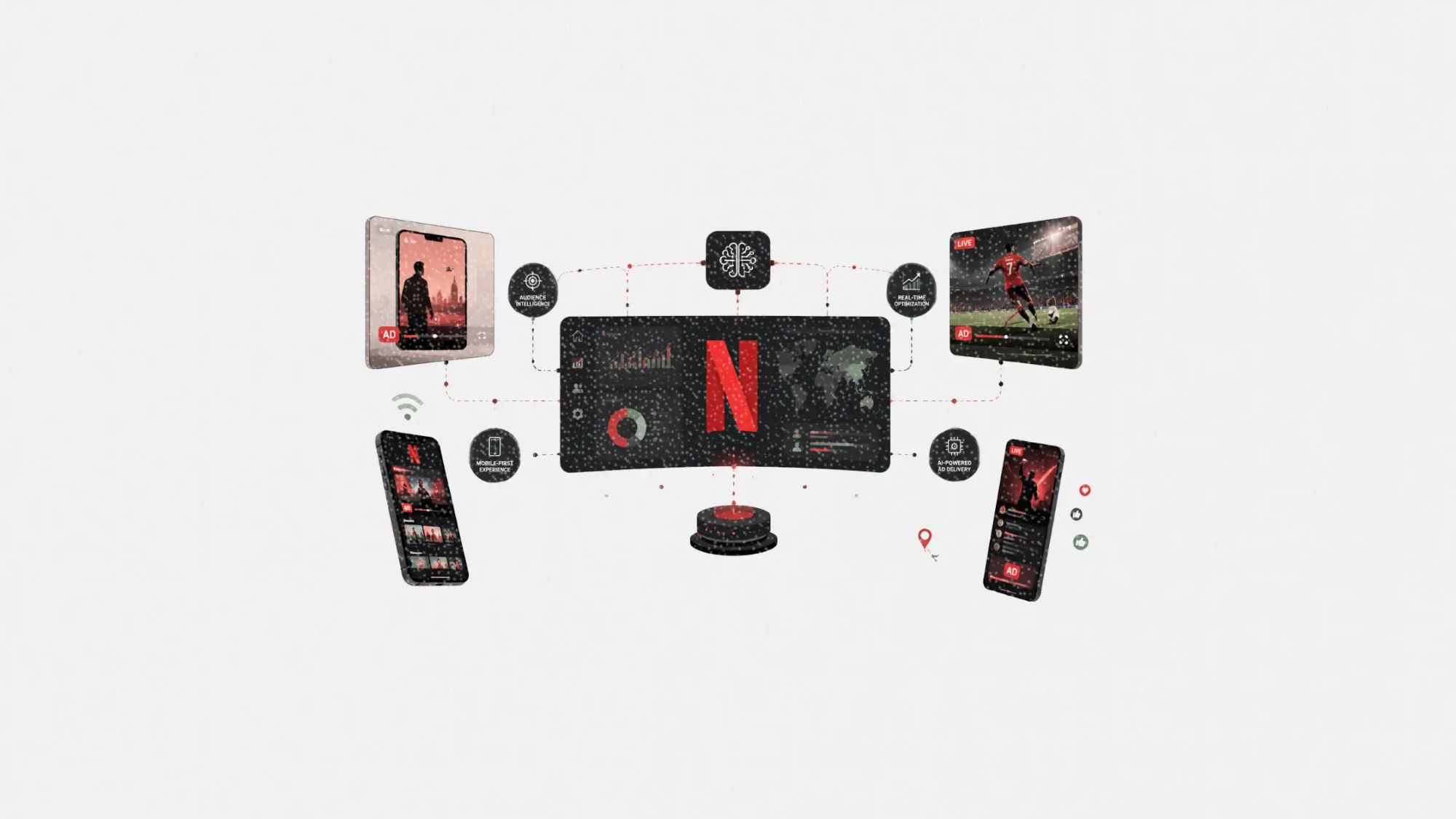
Netflix is no longer treating advertising as a side business attached to streaming. At its 2026 Upfront presentation, the company unveiled a major expansion of its global advertising strategy, combining AI-powered buying tools, new audience planning infrastructure, and broader international rollout plans for its ad-supported tier.
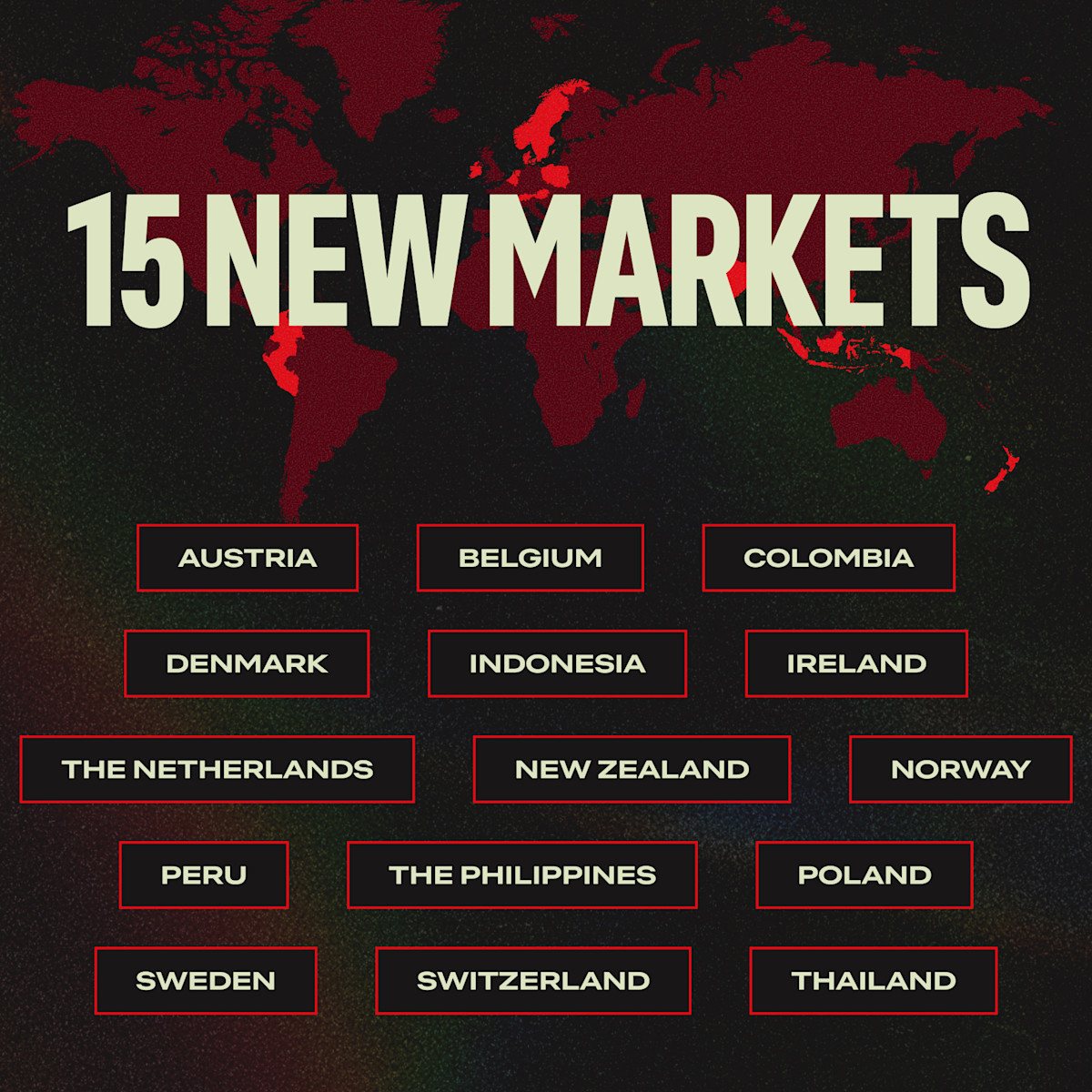
The streaming giant says its ads business now reaches more than 250 million monthly active viewers globally, with more than 80% of ad-tier members watching every week. Netflix is also preparing to launch its ad-supported plan in 15 additional countries starting in 2027, including Indonesia, the Philippines, Thailand, and New Zealand.
For marketers, this is about more than scale. Netflix is building a full advertising ecosystem designed to compete directly with legacy TV and major digital ad platforms. The company is betting that AI-driven ad buying, contextual targeting, and highly engaged audiences will make Netflix a more serious media investment destination over the next few years.
Table of contents
Jump to each section:
- What Netflix announced at its 2026 Upfront
- Why Netflix is expanding its advertising business globally
- How AI is reshaping Netflix’s ad platform
- What marketers should know about Netflix’s ad strategy
- Why this matters for the future of streaming advertising
 Patrecia Meliana
What Netflix announced at its 2026 Upfront
At its annual Upfront presentation, Netflix outlined a major expansion of its advertising business.
The company revealed that its ad-supported tier now reaches more than 250 million monthly active viewers globally. According to Netflix president of advertising Amy Reinhard, the company believes it has moved beyond proving the viability of advertising on streaming.
“If the last couple of years were about proving we’re a durable player, this year is about establishing ourselves as a formidable one,” Reinhard said.
Netflix also announced plans to expand its ad-supported subscription plan into 15 additional countries from 2027, including Austria, Belgium, Colombia, Denmark, Indonesia, Ireland, the Netherlands, New Zealand, Norway, Peru, the Philippines, Poland, Sweden, Switzerland, and Thailand.
The company is additionally introducing new advertising inventory across video podcasts, vertical video, live events, and pause ads.
Netflix executives positioned the announcements as part of a broader strategy to compete more aggressively for global advertising budgets, particularly as traditional television audiences continue shifting toward streaming platforms.
Why Netflix is expanding its advertising business globally
Netflix’s international expansion strategy reflects broader changes happening across the media and advertising industries.
Streaming companies are increasingly under pressure to diversify revenue streams while competing for larger shares of brand advertising budgets. At the same time, advertisers are looking for platforms that combine large audiences, measurable engagement, and more advanced targeting capabilities.
Markets across APAC are becoming especially important battlegrounds.
Countries like Indonesia, Thailand, and the Philippines represent fast-growing digital economies with rapidly increasing streaming adoption and mobile-first viewing behavior. By expanding its ad-supported offering into these regions, Netflix gains access to larger advertising markets while giving brands additional inventory options beyond social platforms and connected TV competitors.
Netflix is also trying to position itself differently from traditional broadcasters.
The company claims 44% of members who see ads on Netflix are not reached through broadcast television or competing streamers. Netflix also says campaigns on the platform outperform traditional TV benchmarks for long-term brand building and purchase intent.
Whether those performance claims hold at larger scale remains to be seen, but the company is clearly trying to redefine itself as a premium advertising platform rather than just a subscription streaming service.
How AI is reshaping Netflix's ad platform
AI is becoming central to Netflix’s advertising infrastructure.
The company says it is testing AI agents capable of managing, optimizing, and purchasing ads on the platform. Netflix is also using AI tools to adapt creative assets dynamically across multiple ad formats, including vertical video ads and pause ads.
One of the more notable updates involves contextual advertising.
Netflix says it has improved technology that matches advertiser creative with specific Netflix shows, films, and viewing environments. The system has already been tested with advertisers including DoorDash, Target, and TurboTax.
The company plans to roll this capability out across all ad-supported regions by the end of the year.
Netflix is additionally introducing:
- Audience Insights APIs for campaign planning and viewer analysis
- Reach Curve APIs for forecasting campaign reach
- Expanded clean room partnerships with Snowflake, Amazon Web Services, and Infosum
- Broader programmatic buying support through Amazon DSP and Yahoo DSP
- Dynamic ad insertion for live events and pause ads
The larger goal is clear: Netflix wants advertisers to view its platform as both premium entertainment inventory and a sophisticated data-driven media buying environment.
What marketers should know about Netflix's ad strategy
Netflix’s latest moves create several implications for marketers and media buyers.
1. Streaming ad inventory is becoming more competitive
Netflix is aggressively expanding inventory formats beyond traditional streaming ads. Vertical video, podcasts, pause ads, and live sports placements suggest streaming platforms are increasingly borrowing tactics from social media and digital-first advertising environments.
For marketers, this means streaming campaigns may start looking less like traditional TV buying and more like integrated cross-platform media planning.
2. AI-driven media buying is accelerating
Netflix’s push into AI-powered optimization reflects a larger industry trend toward automated campaign management.
Brands should expect:
- Faster campaign optimization cycles
- More automated creative adaptation
- Increased reliance on AI-generated audience forecasting
- Greater pressure to deliver flexible creative assets across multiple formats
This also raises questions around transparency, measurement standards, and brand safety as AI takes a larger role in media execution.
3. Live sports and entertainment remain critical
Netflix continues investing heavily in live programming, including NFL games and major fan events.
For advertisers, live content remains one of the strongest drivers of real-time attention and premium CPMs. Streaming platforms increasingly view sports and event-based programming as key differentiators in the advertising market.
4. Global streaming expansion creates regional opportunities
The expansion into APAC markets matters for regional marketers.
Brands operating across Southeast Asia may gain access to new premium video inventory with potentially strong engagement metrics, especially among younger mobile-first audiences.
At the same time, increased streaming fragmentation means marketers will need stronger measurement frameworks to compare performance across Netflix, YouTube, TikTok, Meta, and traditional connected TV environments.
Why this matters for the future of streaming advertising
Netflix’s 2026 Upfront signals a broader shift happening across the media industry.
Streaming companies are no longer just content businesses. They are increasingly becoming full-scale advertising platforms competing directly with traditional broadcasters, digital ad networks, and social media giants.
Netflix appears determined to position itself at the center of that transition.
The company’s combination of AI-powered ad tools, programmatic infrastructure, contextual targeting, live content, and international expansion suggests it wants to compete on both audience scale and advertising sophistication.
For marketers, the challenge now is adapting to an ecosystem where streaming platforms increasingly behave like hybrid media and adtech companies.
That means future media planning may require a very different mindset from the TV-centric buying models many brands still rely on today.