The state of B2B influencer marketing: mid-2026 pulse
B2B influencer marketing mid-2026: adoption is mainstream, execution is the gap

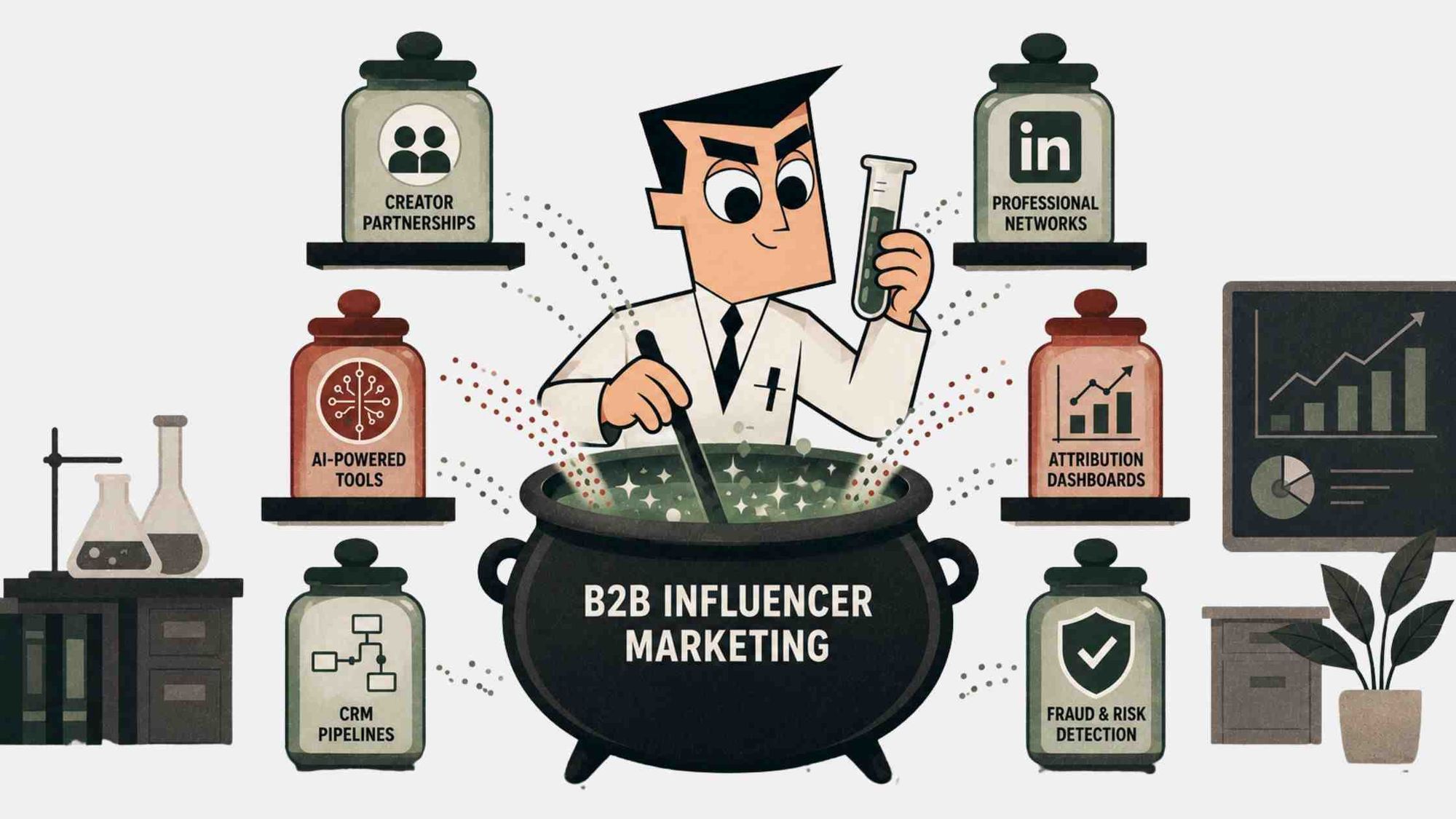
B2B influencer marketing entered 2026 with a mandate to prove itself at scale. Six months in, the data from LinkedIn, TopRank Marketing, and the World Federation of Advertisers paints a consistent picture: this is no longer a channel B2B marketers are experimenting with. It is one they are being held accountable for.
This piece pulls together the most significant data from H1 2026, with Grip's editorial framing, and closes with what H2 should look like for teams at different stages of program maturity.
Table of contents
Jump to each section:
- Where B2B influencer adoption stands at mid-2026
- LinkedIn consolidates its lead as the B2B creator platform
- The measurement and AI gaps are widening
- Fraud remains the channel's structural tax
- What this means heading into H2 2026
Where B2B influencer adoption stands at mid-2026
The adoption curve has crossed into mainstream territory and is now accelerating past it. According to TopRank Marketing's 2025 B2B Influencer Marketing Report, which surveyed 404 B2B marketing professionals at US companies with 100 or more employees, 85% of B2B marketers now incorporate influencer marketing into their strategy, up from 34% in 2020. That 51-point jump over five years is a channel mainstreaming, not a trend maturing.
 Ariana Sorensen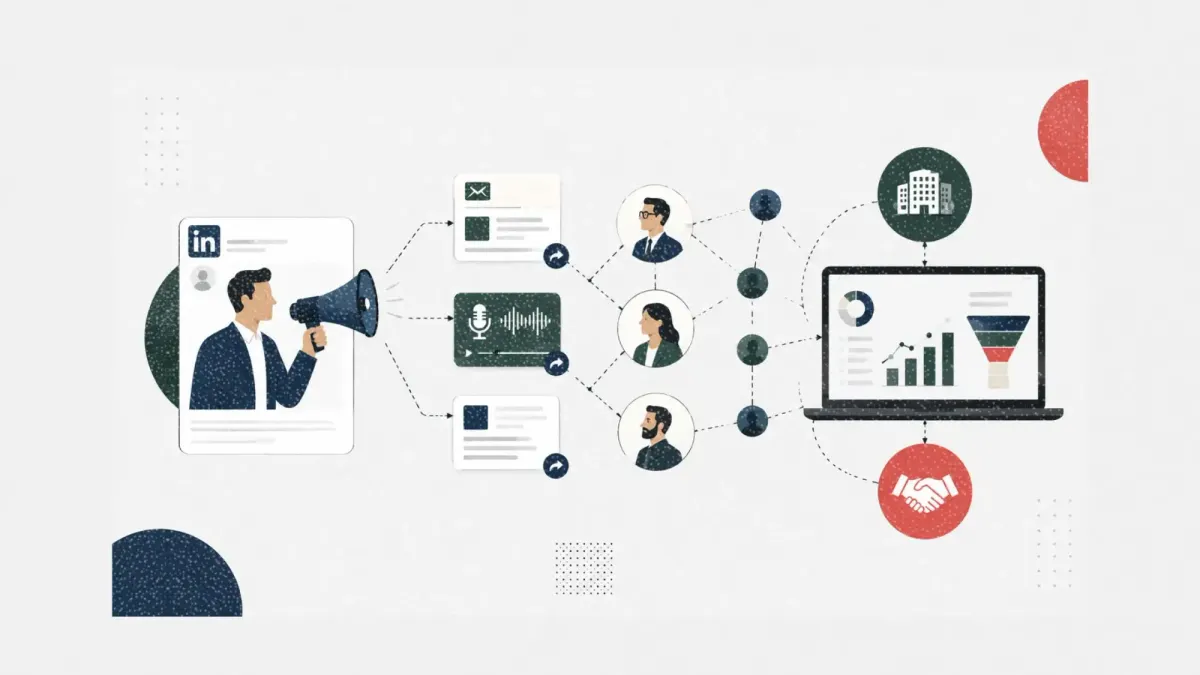
More telling than adoption is what the advanced programs look like. TopRank's data shows 99% of teams using an always-on influencer approach rate their programs as effective. Teams not using that approach are 17 times more likely to report program ineffectiveness. The gap between episodic and continuous creator relationships is no longer a strategic preference, it is a performance outcome with documented evidence behind it.
Budget intent is following. Of the most advanced B2B influencer programs, 72% now have a dedicated influencer budget they expect to grow in the next cycle. Mordor Intelligence projects the broader influencer marketing market at US$40.51 billion for 2026, up from US$31.07 billion in 2025. The B2B slice is growing faster, with Digital Applied's 2026 data compilation estimating B2B influencer spend expanding at roughly 47% year over year compared to around 30% for the overall industry.
The question has shifted from "should we invest in influencer marketing" to "are we building the operating infrastructure to make it defensible as spend scales."
LinkedIn consolidates its lead as the B2B creator platform
The biggest structural news from H1 2026 came from LinkedIn directly. In March, the platform published its 2026 Global B2B Marketing Outlook, based on YouGov research across 1,299 B2B marketers in the US, UK, France, Germany, and India, conducted between January and February 2026. The findings were the clearest statement yet of creator content's role in B2B pipeline.
Among B2B marketers who work with creators, 82% agreed that influencer campaigns are essential to deliver measurable ROI. More striking was the buyer-side data: 56% of B2B buyers who use creator content rely on input from them during the final stage of the buying process to confirm a recommendation before signing. Creator content is not operating as a top-of-funnel awareness play alone. It is influencing decisions at the point of conversion.
The commercial risk framing in the same report deserves attention. 81% of B2B marketers who use creators said that pulling back from them would mean leaving revenue on the table. That is no longer language used to justify a new channel internally. It is language used to protect budget from being reallocated elsewhere.
LinkedIn also built out the infrastructure around these partnerships. In the same March announcement, the platform expanded BrandLink with self-serve buying in Campaign Manager, creator payout processing through Stripe, and a new Top Voices 360 sponsorship format letting brands extend a creator relationship across co-branded posts and event appearances alongside the core show.
New publisher partners including Axel Springer, Reuters Japan, NYSE, TIME, and Times Network were added to the BrandLink roster. Self-serve access changes the budget conversation for B2B teams that previously needed a managed LinkedIn relationship to access creator inventory.
 Ariana Sorensen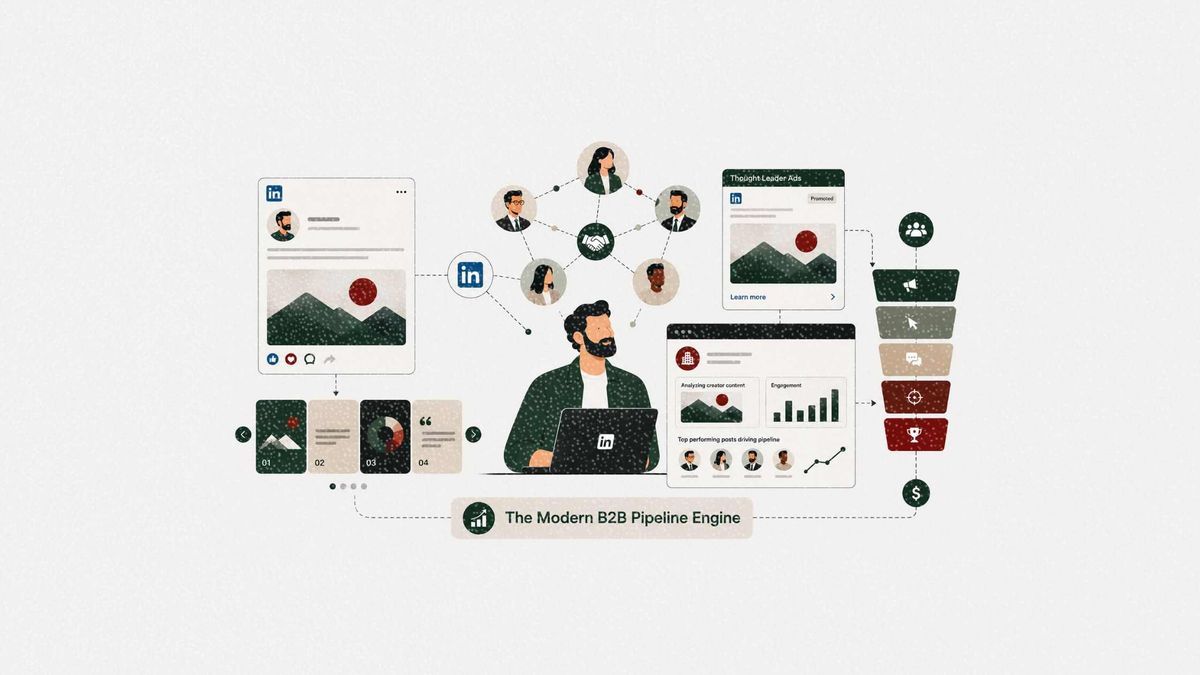
Dinda Anandita, Account Director at content-led comms agency Content Collision, sees the platform changes shifting how brands approach creator selection. "The infrastructure is now good enough that brands can run always-on LinkedIn programs without enterprise tooling or a managed account relationship. That removes the budget threshold that was keeping mid-market B2B teams out of the format entirely. The challenge shifts from access to selection: finding creators whose audiences match your buying committee, not just your industry."
The measurement and AI gaps are widening
The most consistent theme across H1 2026 data is the measurement problem. TopRank's 2025 report found that 47% of B2B marketers cite measuring and reporting results as a top challenge, making it the second most cited difficulty behind finding the right influencers.
That gap is not closing uniformly. Advanced programs with dedicated budgets and always-on structures are twice as likely to track ROI through pipeline metrics like MQLs, SQLs, and share of voice. Programs reporting effectiveness struggles tend to measure creator work with engagement and reach figures borrowed from consumer marketing playbooks.
AI is the other axis where a capability divide is forming. According to TopRank's research, 57% of B2B marketers are already using AI to help create influencer content, and 44% identify AI-driven content expansion as the most important emerging trend in the category. But the way AI is being applied varies considerably. Teams using it for discovery, fraud screening, and optimization are producing structurally different results from teams that have only added it to content drafting.
 Enricko Lukman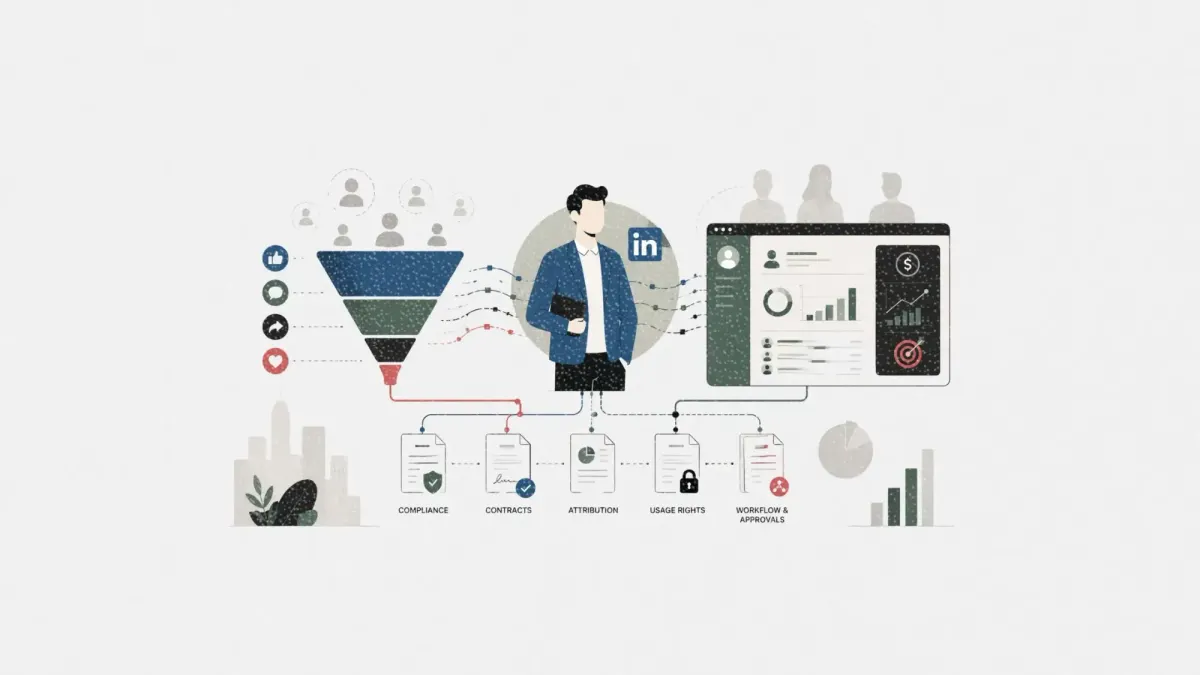
Fraud remains the channel's structural tax
Budget growth is attracting fraud at scale. A cross-market study by the World Federation of Advertisers spanning 1,400 senior marketing professionals across 28 countries found that 81% had encountered influencer fraud within the past 12 months, with affected campaigns reporting a median budget waste of US$128,000 per mid-scale program. That figure is not a worst-case scenario. It is a median, and it represents waste that is invisible without a systematic vetting process in place before content goes live.
The fraud landscape has shifted in character. AI-generated bot networks now account for a growing share of detected fraud cases, according to HypeAuditor audit data. Synthetic network generation using commercially available tools means visual vetting and manual checks are no longer sufficient. Automated detection tools are a baseline operational requirement for any program spending above low five figures.
For B2B teams, the stakes are amplified by deal economics. A single qualified enterprise lead can be worth more than an entire creator campaign budget. A fraudulent creator relationship is not just a wasted spend line, it is a misleading data point that distorts attribution and produces false confidence in channel effectiveness.
What this means heading into H2 2026
The mid-year picture suggests B2B influencer marketing is in a phase that rewards operational discipline more than creative novelty. Adoption is no longer the differentiator. Infrastructure is.
 Ariana Sorensen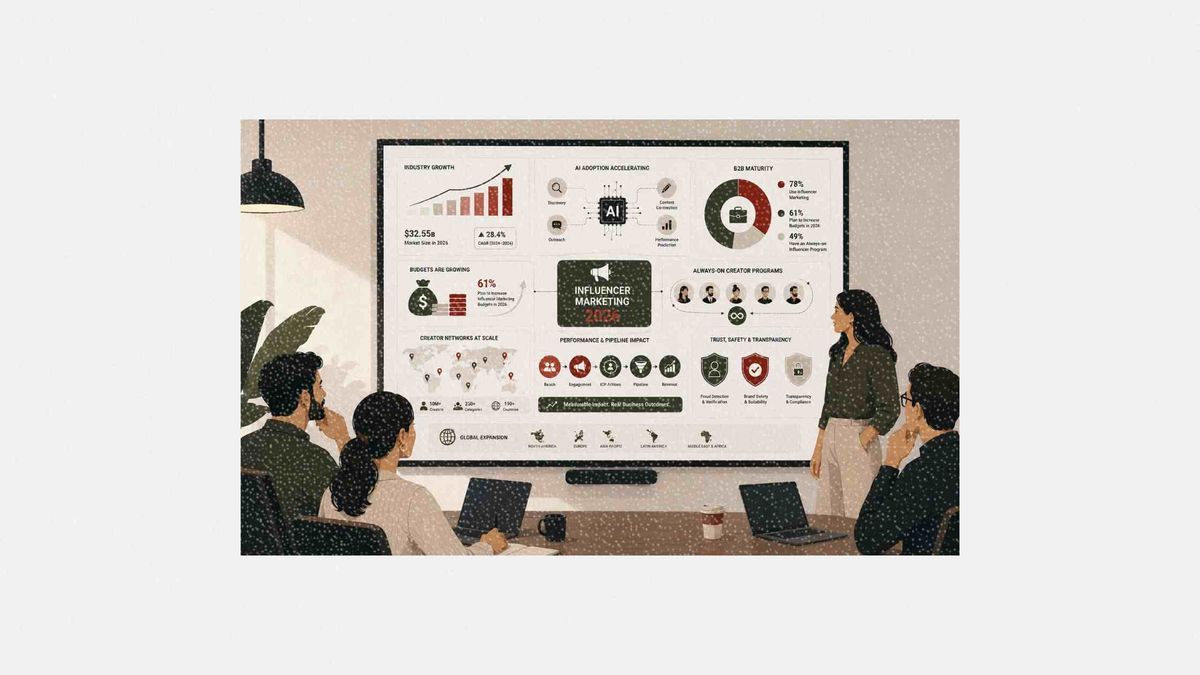
For teams in early-stage programs, the H2 priority is not scaling creator count. It is building the measurement layer that can survive a CFO review: UTM structures tied to CRM handoffs, attribution windows that match actual B2B sales cycles, and reporting that connects creator activity to pipeline rather than impressions. TopRank's data is unambiguous that always-on programs outperform episodic ones by a margin that creative quality alone cannot close.
For teams with established programs, the Q3 decision is likely about paid amplification. LinkedIn's Thought Leader Ads and the expanded BrandLink self-serve options mean that organic creator content is no longer the ceiling. Brands that do not layer paid distribution over strong creator content are reaching a fraction of the audience the content could access.
For all teams, fraud vetting should already be an operating standard rather than a reactive response. The WFA's 81% encounter rate means the probability of running into fraud without a systematic check is not low. It is nearly certain.