Notable B2B influencer campaigns of Q1 2026
What SAP, ServiceNow, and LinkedIn's March overhaul reveal about B2B creator spend

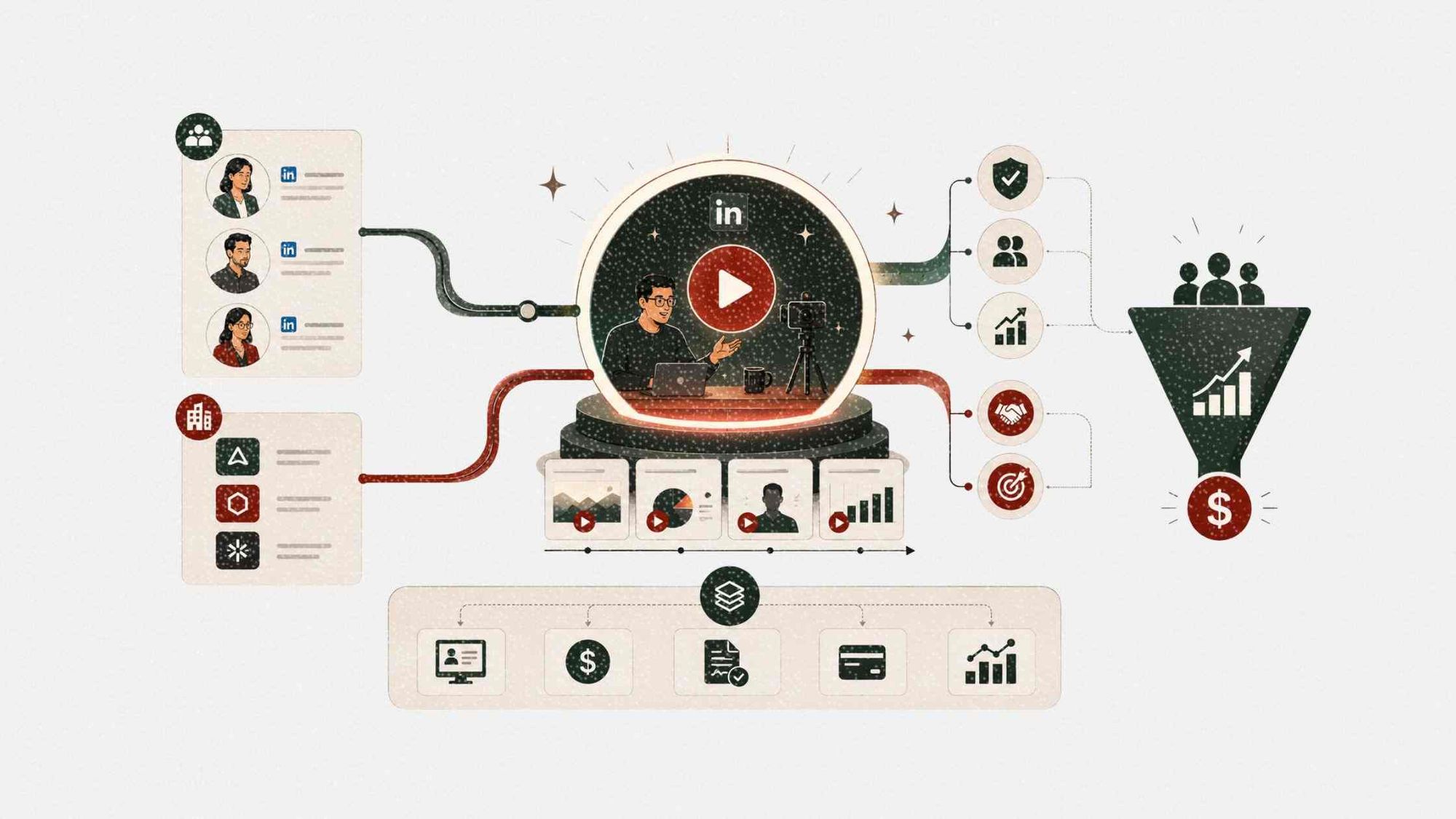
B2B brands spent the first three months of 2026 leaning harder into creator marketing than at almost any point before it, and the moves from the quarter show where that investment actually went. Rather than one-off sponsored posts, the most visible activity centered on sustained, sponsored creator series on LinkedIn and a March infrastructure overhaul that changed how brands of any size can buy into that ecosystem. For B2B marketers building a 2026 plan, the quarter is worth a closer look, not because of a single viral campaign, but because of what it reveals about where the budget and the tooling are both heading.
Table of contents
Jump to each section:
- What happened in B2B influencer marketing this quarter
- Why LinkedIn is betting big on B2B creators
- What marketers should know
- What to watch next quarter
What happened in B2B influencer marketing this quarter
The clearest pattern of the quarter was enterprise software brands sponsoring entire creator-led video series on LinkedIn, rather than buying individual sponsored posts. SAP backed "AI in Action," a series built around AI-focused creators including Allie K. Miller and Bernard Marr, distributed through LinkedIn's BrandLink program.
ServiceNow ran a comparable play with "The CEO Playbook," a BrandLink series fronted by Steven Bartlett and Dorie Clark and aimed squarely at transformation-focused executives rather than product buyers. Neither brand published campaign-specific lead or revenue figures, but both ran as part of LinkedIn's Top Voices 360 program, which paired advertisers including SAP, IBM, and ServiceNow with creators across the year leading into Q1 2026.
 Ariana Sorensen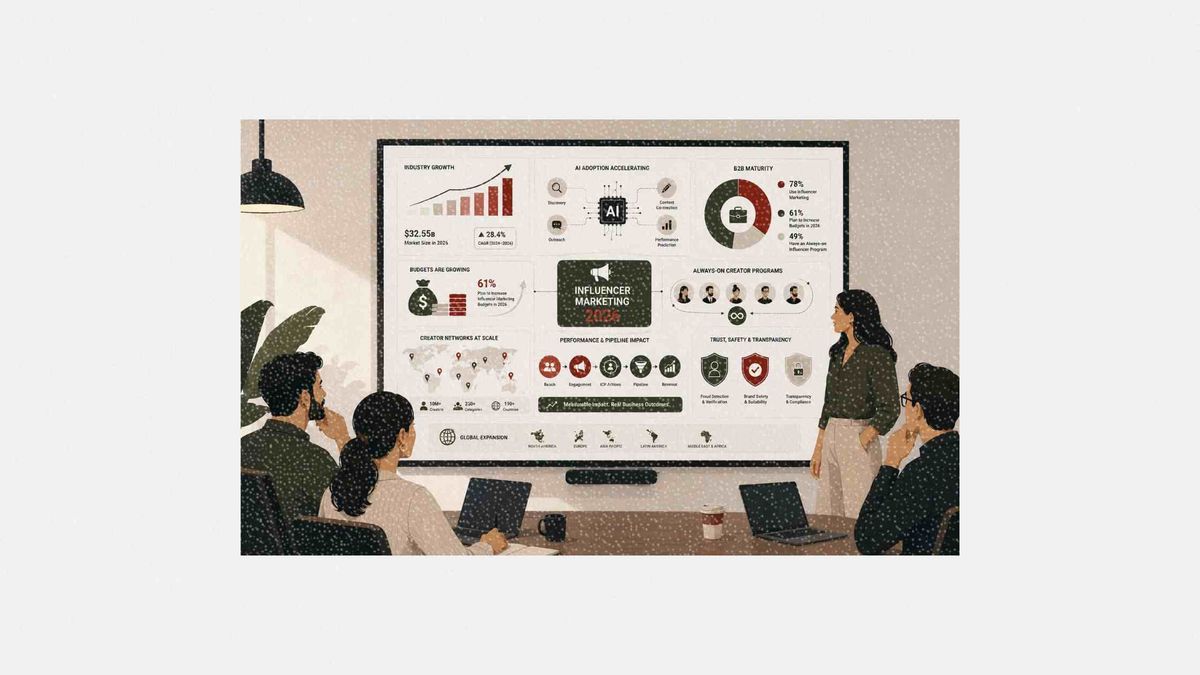
The quarter closed with a more structural shift. In March 2026, LinkedIn expanded BrandLink with a self-serve buying option inside Campaign Manager, creator payouts processed through Stripe, and new publisher partners including Axel Springer, The CEO Magazine, NYSE, Reuters Japan, TIME, and Times Network.
The same month, LinkedIn added new faces to Top Voices 360, including Meghana Dhar, Corporate Natalie, Ramit Sethi, and Aishwarya Srinivasan, alongside returning creators Steven Bartlett, Cat Goetze, Bernard Marr, and Candace Nelson. Until that point, BrandLink sponsorships had largely required a managed LinkedIn account relationship, which kept the format out of reach for most mid-market teams.
Why LinkedIn is betting big on B2B creators
The investment is backed by fresh survey data. LinkedIn's 2026 Global B2B Marketing Outlook, fielded by YouGov among 1,299 B2B marketers across the US, UK, France, Germany, and India between January 14 and February 5, 2026, found that 77% of respondents say buyers need to trust and know a brand before engaging at all.
Eighty-two percent said creators increase credibility with decision-makers, and 83% said credibility now matters more than traditional brand messaging. Seventy percent said buyers rely more on peer voices and independent experts than on brand-produced content, and 56% of B2B buyers said they depend specifically on creator input during the final stage of a purchase decision.
That data set explains the shift in format described above. A single sponsored post still works for awareness, but it does not match how B2B buyers say they actually use creator content, which is closer to ongoing reference material consumed across a multi-month evaluation window. Sponsoring a recurring series, rather than a single post, buys a brand sustained presence inside that window instead of one moment of visibility.
 Enricko Lukman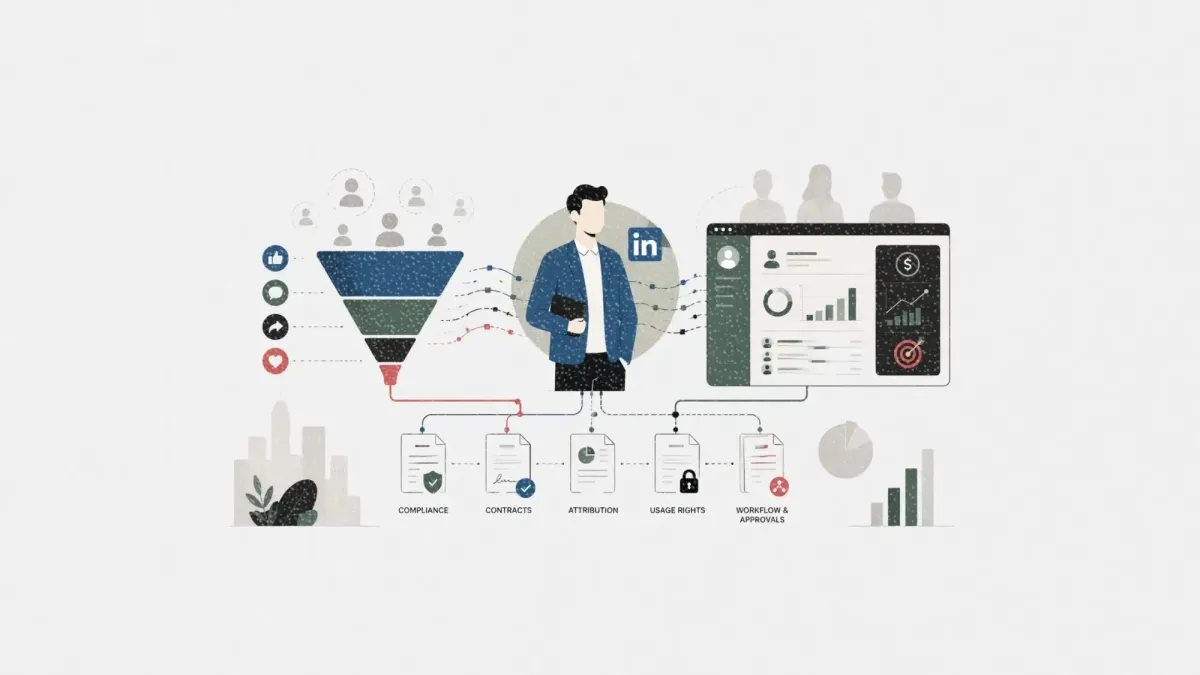
What marketers should know
A few practical takeaways for any B2B team weighing whether to act on this quarter's developments:
- The self-serve BrandLink option that launched in March 2026 lowers the entry barrier considerably. Teams that previously needed a managed LinkedIn relationship to access sponsored creator inventory can now buy in directly through Campaign Manager.
- Sponsoring a series, not a post, is the format enterprise brands are converging on. If a single sponsored post is the only line item in your 2026 plan, it is worth testing a longer-running placement instead.
- Access is still uneven. LinkedIn's broader Creator Marketplace tooling remains in alpha and limited to North America and English-language content, even as BrandLink's self-serve option rolled out more widely in March.
- Attribution remains the weak point. LinkedIn's own measurement guidance has acknowledged that a majority of B2B marketing leaders distrust their existing measurement methods, which means any creator sponsorship still needs a UTM and CRM tracking plan built before launch, not after.
"For brands sitting outside North America, this is the moment to get serious about LinkedIn creator partnerships before the self-serve tooling fully catches up to demand," says Dinda Anandita, Account Director at Content Collision, a content-led comms agency that builds influencer programs for B2B brands across the region. "A manually sourced creator relationship with the right operator, set up properly with UTMs and a CRM hook from day one, still outperforms waiting for a marketplace feature to roll out in your market."
What to watch next quarter
The pattern from Q1 2026 suggests the next few months will be about access, not appetite. Demand for B2B creator partnerships is well established at this point, but the tooling that makes it manageable at scale is still rolling out in stages. Brands evaluating whether to follow SAP and ServiceNow's lead should treat the format, sustained creator sponsorship over single posts, as the bigger signal from the quarter, and should expect LinkedIn's self-serve options to keep expanding geographically through 2026.
 Ariana Sorensen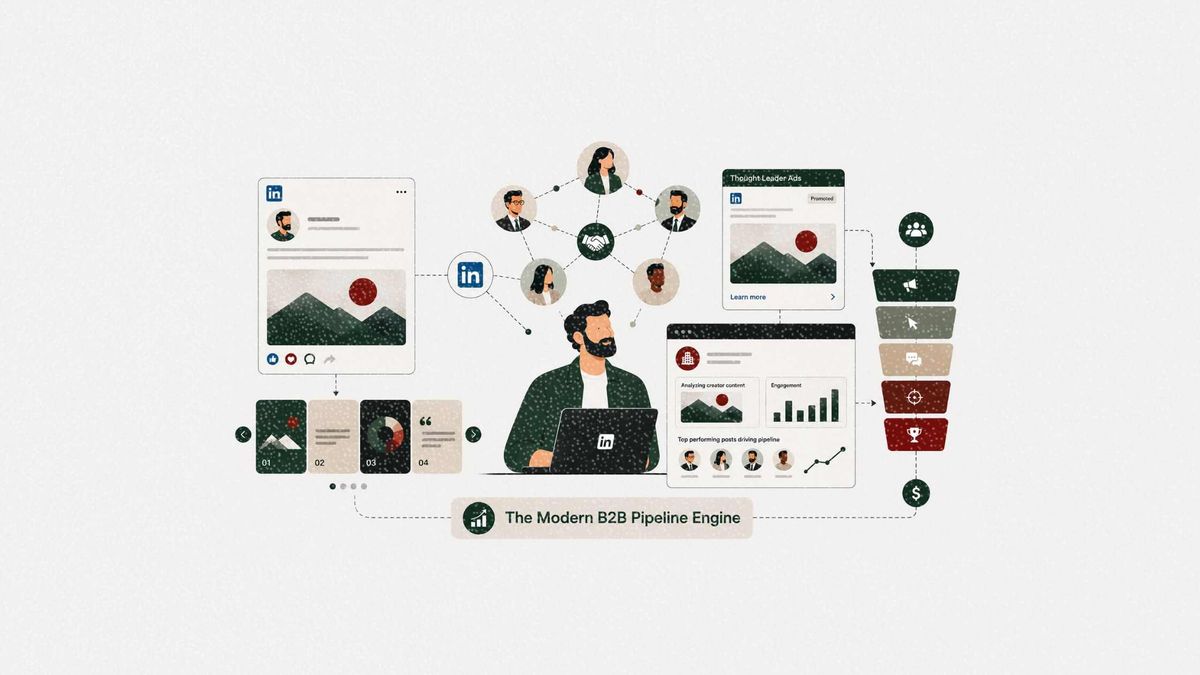
What changed in Q1 2026 was not that B2B brands discovered creators. It is that the infrastructure around paying for, measuring, and scaling those partnerships finally started to catch up.