The creator-equity model: what B2B marketers can learn from Prime, Feastables and Chamberlain Coffee
Why creators now own equity, not just endorsement fees, and what that means for B2B

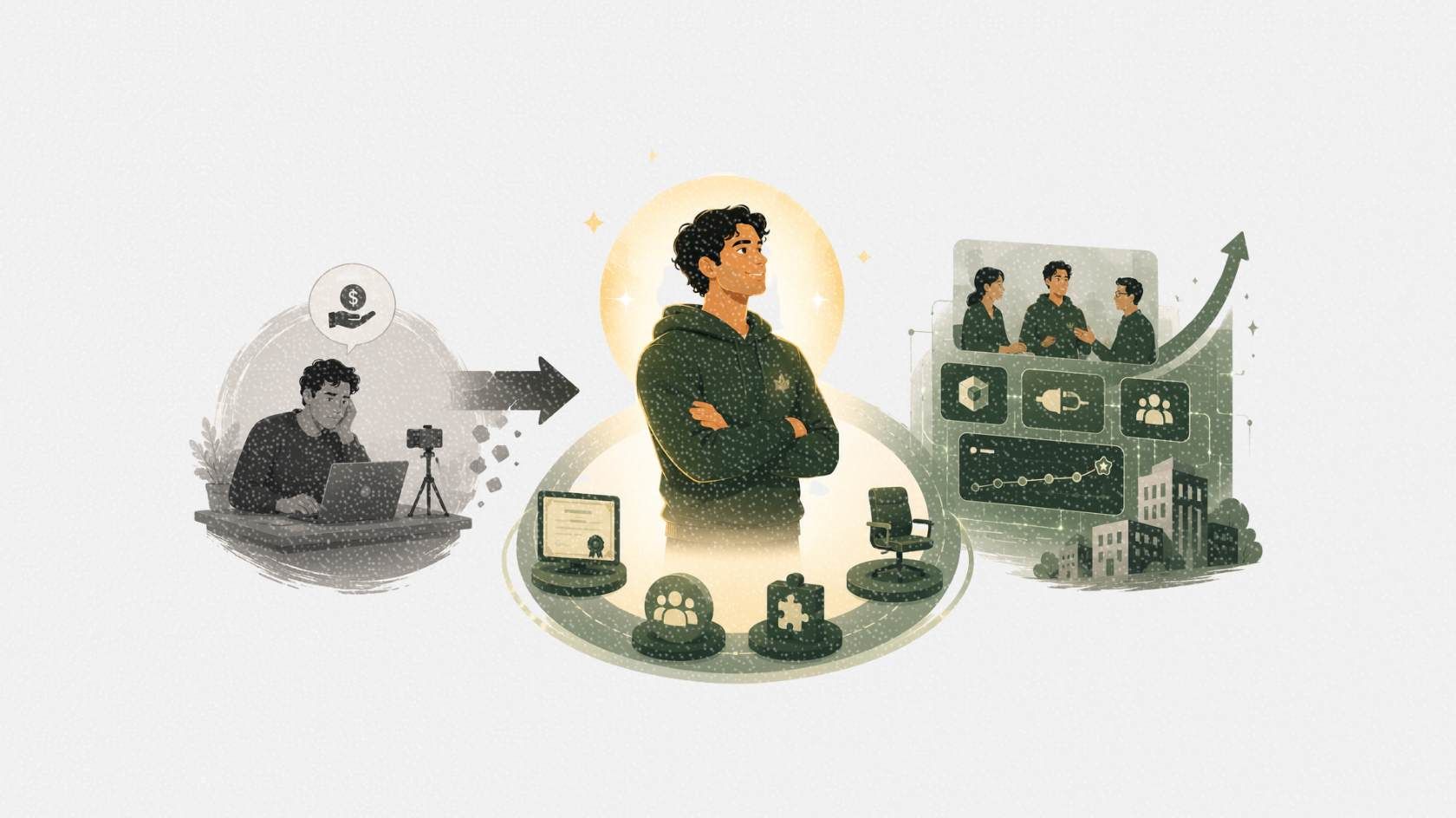
Logan Paul and KSI did not just endorse a sports drink. They own a fifth of it each. Jimmy Donaldson (MrBeast) is not a Feastables spokesperson, he is the founder and majority shareholder of the holding company behind it. Emma Chamberlain is not fronting a coffee brand for a fee, she is its co-CEO. In every case, the creator's income is tied to enterprise value, not to a media rate card.
This is the creator-equity model, and it has quietly become one of the most consequential shifts in how consumer brands are built. For B2B marketers, it is tempting to file this under "celebrity vanity project" and move on. That would be a mistake.
The mechanics behind Prime, Feastables and Chamberlain Coffee are already showing up, in smaller and more sober form, in B2B: advisor equity for operator-creators, LinkedIn creators with warrants in the startups they promote, and product-led growth programs that pay champions in access rather than cash. Understanding how the consumer version works is the fastest way to evaluate whether the B2B version is worth building.
Table of contents
Jump to each section:
- What is the creator-equity model, and why does it matter now?
- Inside three creator-equity plays: Prime, Feastables and Chamberlain Coffee
- Why creator equity behaves differently in B2C than it would in B2B
- What a B2B creator-equity model could actually look like
- The risks B2B leaders need to underwrite before offering equity
- What marketers should know
What is the creator-equity model, and why does it matter now?
The creator-equity model replaces or supplements a standard endorsement fee with an ownership stake, so the creator's upside is tied to the company's growth rather than to a single campaign. It is distinct from a typical affiliate or commission deal, where a creator earns a percentage of sales but has no claim on the business itself. Equity means board seats, cap tables and, sometimes, operating titles.
According to Forbes' 2025 Top Creators methodology, the shift is explicit. The list ranks creators on gross earnings from April 2024 to April 2025, but the outlet's own reporting flags a limitation: the US$853 million total for the top 50 creators does not include the millions in equity deals creators are increasingly securing through brand partnerships across snacks, clothing, soda and alcohol.
Influential CEO Ryan Detert, who partners with Forbes on the list, framed it as a structural shift: the dollars in influencer marketing are increasingly going to creators who now function as their own media channels, not as rented audiences.
 Ariana Sorensen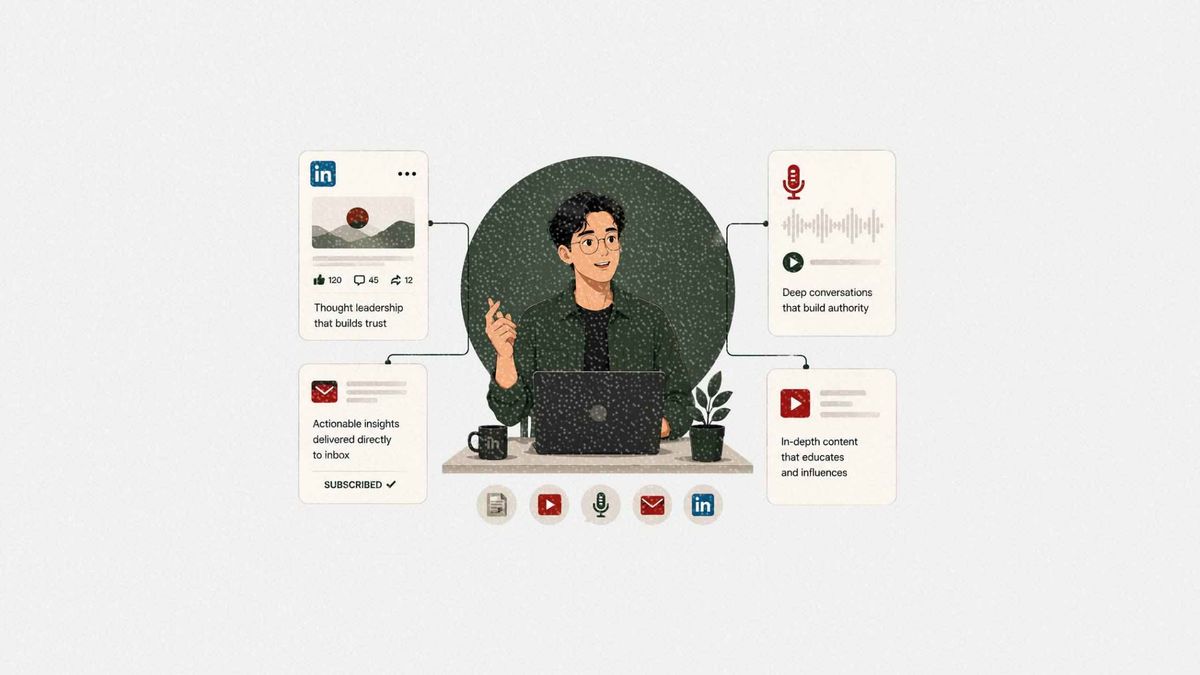
That distinction matters for how brands plan spend. A sponsorship fee is a marketing expense. An equity grant is a financing decision, a governance decision and a marketing decision at once, and it needs sign-off from finance and legal as much as from the CMO.
The same Forbes report noted its honorees pulled in a combined 3.4 billion followers in 2025, up 24% from the year before, which is the scale that makes equity economics work: a brand can afford to give up ownership when a single creator's distribution is worth more than a traditional media budget.
Inside three creator-equity plays: Prime, Feastables and Chamberlain Coffee
The three brands anchoring this article sit at different points on the equity spectrum, from co-ownership, to founder-controlled holding company, to operating co-CEO.
Prime Hydration is majority owned by Congo Brands, the operating company that handles manufacturing and distribution, with Logan Paul and KSI each holding a 20% equity stake. The brand's trajectory shows both the upside and the fragility of the model. Prime launched in January 2022 and reportedly reached roughly $1.2 billion in global sales in 2023, before revenue fell sharply.
Reporting citing Circana Food data put the decline at around 42% year over year, with some industry estimates going steeper still. The lesson for anyone evaluating creator equity is not "Prime failed," it is that a founder's personal brand momentum and a company's operational discipline are two different assets, and equity ties them together whether or not the underlying business is ready for that.
Feastables, MrBeast's chocolate brand, is majority controlled by Jimmy Donaldson through Beast Industries, the holding company for his ventures. Feastables generated approximately $250 million in revenue in 2024 with an estimated $20 million in profit, reportedly making it more profitable that year than Donaldson's YouTube and Amazon Prime Video media operations combined.
Beast Industries was valued at roughly $5 billion following a funding round led by Alpha Wave Global, with Donaldson holding slightly more than half the company. This is the clearest version of creator equity as a wealth-concentration strategy: the content operation functions as a marketing engine for a separately capitalized consumer goods business, and the creator's personal net worth is now driven far more by that business than by ad revenue.
Chamberlain Coffee shows a different structure again. Emma Chamberlain founded the company in December 2019 and now serves as co-CEO alongside COO Gustav Langberg Hossy, an operating role rather than a pure endorsement. The brand raised roughly $19.6 million to $22 million across four funding rounds from investors including Blazar Capital and United Talent Agency, and reported approximately $22 million in revenue in 2024, up from $19 million in 2023, with a forecast of $33 million for 2025.
Chamberlain's Forbes-ranked earnings for the same period were $9 million, a fraction of Donaldson's or Logan Paul's, which underscores that creator equity is not just about follower count. It is about whether the creator is willing to take on operating responsibility, not just a spokesperson credit.
 Ariana Sorensen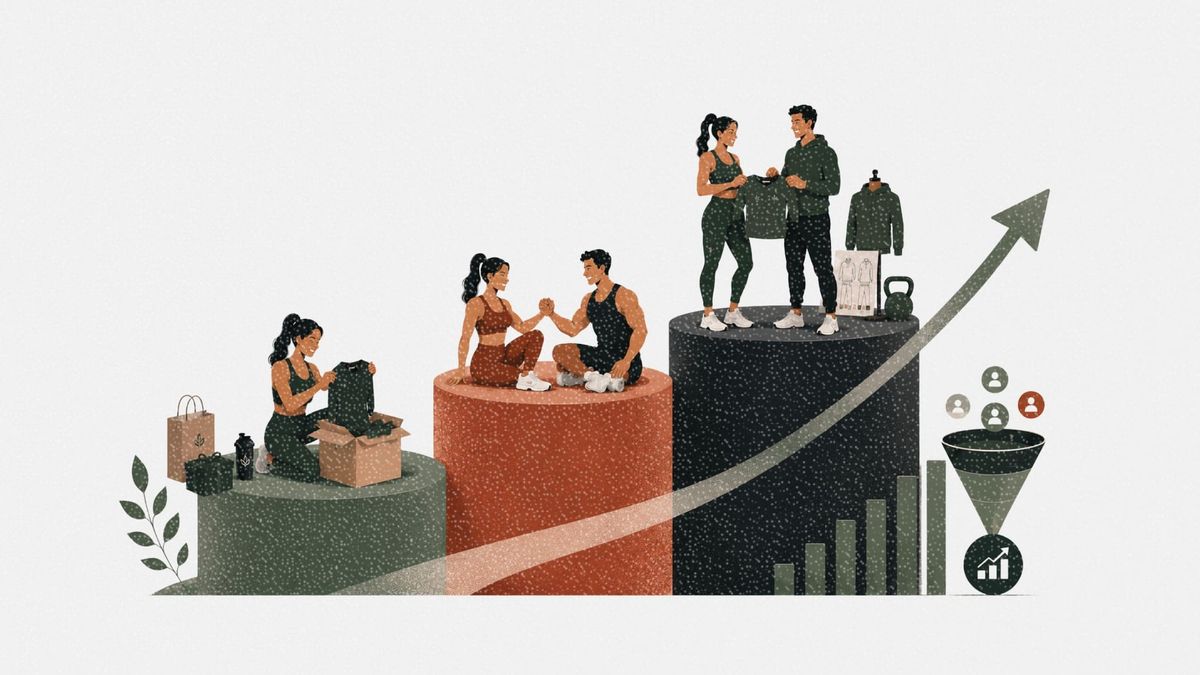
Across all three, the pattern for B2B marketers to notice is the same: equity was paired with genuine operational or creative control, not handed out as a marketing bonus.
Why creator equity behaves differently in B2C than it would in B2B
Three structural differences separate what worked for Prime, Feastables and Chamberlain Coffee from what would work in a B2B context.
- Purchase frequency and emotional attachment. A beverage, a chocolate bar or a coffee subscription is a repeat, low-consideration purchase where brand affinity to a specific creator can directly move units. Most B2B software or services purchases are infrequent, high-consideration and decided by a buying committee, not by a single follower's parasocial trust in a YouTuber.
- Audience-to-buyer overlap. Logan Paul, KSI, MrBeast and Emma Chamberlain each converted a mass consumer audience directly into a customer base. In B2B, the creator's audience (often other marketers, founders or operators) is rarely the actual economic buyer inside a target company. The overlap between "people who follow this creator" and "people who sign the purchase order" is much thinner.
- Valuation mechanics. Congo Brands, Beast Industries and Chamberlain Coffee are all privately held consumer companies where equity value is tied to retail revenue growth and eventual acquisition or IPO potential. Most B2B vendors offering creator equity are venture-backed startups, where equity value depends on a specific fundraising or exit timeline that a creator has limited visibility into and even less influence over.
None of this means the model doesn't translate. It means the translation has to account for smaller audiences, longer sales cycles and a buyer who is evaluating the product, not just the personality behind it.
What a B2B creator-equity model could actually look like
Rather than copying Prime's structure wholesale, B2B leaders considering creator equity are more likely to see it show up in three narrower forms:
- Advisor equity for operator-creators. A LinkedIn creator with genuine domain expertise (a former VP of sales who now posts about pipeline strategy, for example) is brought on as a formal advisor with a small equity grant, in exchange for ongoing content, product feedback and warm introductions. This is closer to how startups have long compensated industry advisors, just formalized around someone whose primary asset is an audience rather than a Rolodex.
- Founder-led content as the flywheel, with founder equity already in place. Rather than paying an external creator, the company invests in its own founder or executive becoming the creator, so the equity relationship already exists and no new cap table complexity is introduced. This is the model behind a growing number of product-led growth programs, where the founder's content drives adoption long before a sales team is involved.
- Warrants tied to demonstrable pipeline, not reach. Instead of a flat equity grant, some B2B vendors are experimenting with performance-vested warrants that unlock as a creator's content is shown to have influenced closed-won deals, verified through UTM tracking and CRM attribution rather than follower count or impressions.
 Ariana Sorensen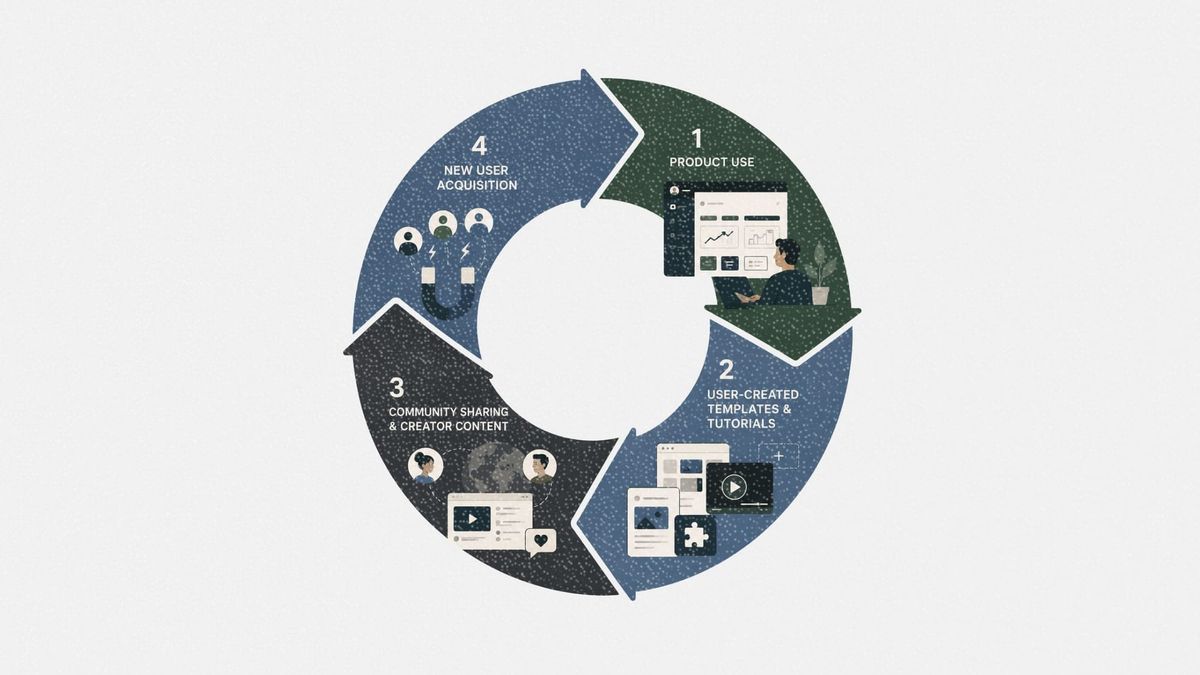
In all three versions, the equity is smaller, more conditional and more closely tied to measurable business outcomes than in the consumer examples. That is a feature, not a limitation. A B2B buying committee is not going to sign a six-figure contract because a creator they follow also has skin in the game. But a technically credible advisor with real equity has genuine reason to keep engaging past the first content deliverable.
The risks B2B leaders need to underwrite before offering equity
Before any B2B brand offers equity to a creator or advisor, a few questions need clear answers.
- Disclosure and compliance. Equity relationships between a company and anyone promoting its product on social platforms need clear, visible disclosure under FTC endorsement rules, and the disclosure obligation does not go away because the creator holds a formal advisor title rather than a sponsorship contract.
- Dilution math. Even small equity grants add up across a portfolio of creator-advisors, and founders need to model dilution the same way they would for any other advisor pool, not treat it as a marketing line item that sits outside the cap table conversation.
- Exit and vesting terms. What happens to the equity if the creator stops posting, moves to a competitor, or the relationship simply cools? Vesting schedules and clawback terms need to be as rigorous as they would be for an employee, not looser because the relationship started as a marketing conversation.
- Reputational correlation. Prime's sales decline shows that when a creator's personal reputation dips or a scandal breaks, an equity-linked brand feels that impact directly in enterprise value, not just in short-term sentiment. A B2B vendor tying its credibility to one advisor's personal brand carries the same exposure, just at a smaller scale.
Dinda Anandita, Account Director at Content Collision, a content-led comms agency, said the biggest gap she sees in early B2B creator-equity conversations is not the deal structure, it's the disclosure and governance work that has to happen before any contract is signed.
"Founders get excited about the alignment story, an advisor who's genuinely invested in your success because they own a piece of it," she said. "But if you haven't worked out FTC disclosure language, vesting triggers and what happens if the relationship ends badly, you're not ready to offer equity, you're just improvising a spokesperson deal with extra paperwork."
 Enricko Lukman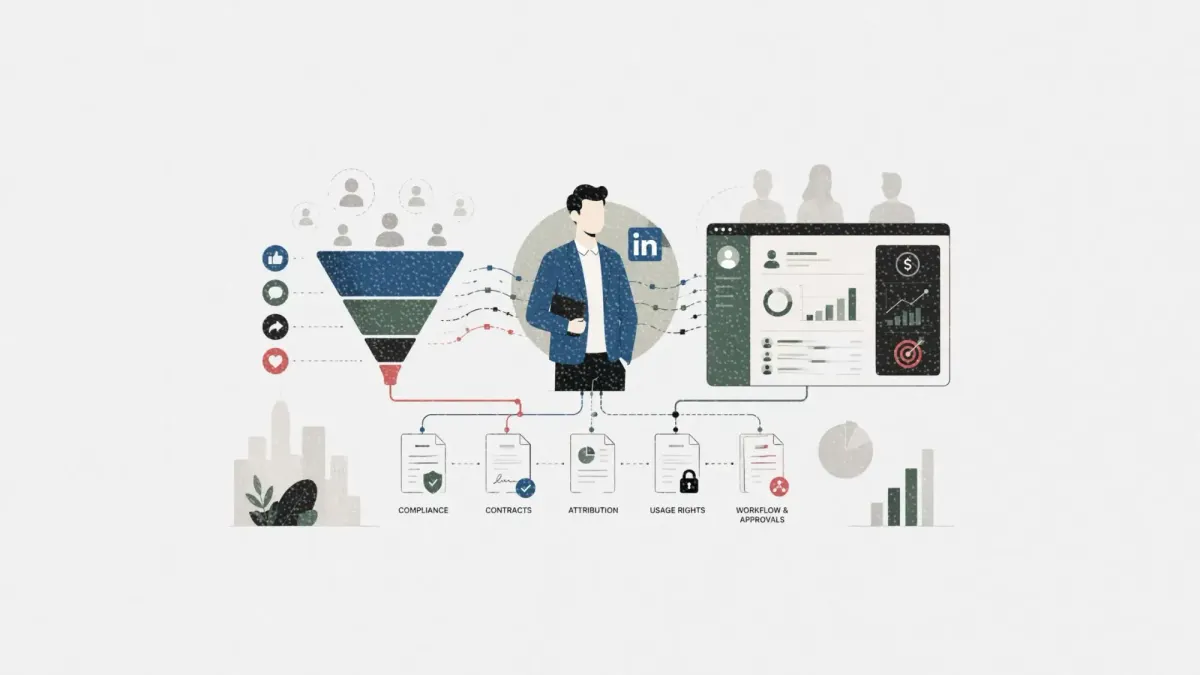
What marketers should know
The creator-equity model is not a novelty limited to beverage brands and chocolate bars. It is a signal that the most effective creator relationships are shifting from transactional to structural, and B2B marketing leaders should treat it as a framework to evaluate, not a trend to imitate wholesale.
- Start by mapping which existing advisors or brand champions already function like creators, producing regular content that drives measurable interest, before considering whether any new relationship needs an equity conversation at all.
- Treat any equity discussion as a joint marketing, legal and finance decision from day one, not a marketing initiative that finance finds out about later.
- Measure creator-advisor relationships against pipeline influence, not reach, since B2B buying committees respond to credibility and specificity, not follower counts.
- Build FTC-compliant disclosure language before any equity or warrant conversation goes further than an initial conversation, since retrofitting disclosure after the fact is far harder than building it in from the start.